


 Top Rated Course

We may not have the course you’re looking for. If you enquire or give us a call on +31 208081674 and speak to our training experts, we may still be able to help with your training requirements.
What is Conversion Rate Optimisation? Complete Guide
James Smith 18 April 2026Conversion rate Optimisation (CRO) improves websites to turn more visitors into customers using data, UX fixes, and A/B testing. These metrics are important for organisations to monitor since they help them make smarter decisions, improve user experience, and achieve better returns from their marketing efforts.

Training Outcomes Within Your Budget!
We ensure quality, budget-alignment, and timely delivery by our expert instructors.
Table of Contents
Every website gets visitors, but not every visitor acts. This is where What is Conversion Rate Optimisation becomes important for businesses that want real results, not only traffic. CRO focuses on understanding user behaviour and improving the journey step-by-step. Small changes in design, content, or layout can often make a big difference in how users respond.
Whether it’s making a purchase, signing up for a newsletter, or engaging with your content, CRO helps you achieve better results. In today’s competitive online market, understanding What is Conversion Rate Optimisation is essential for driving growth and increasing revenue. This blog will delve into the fundamentals of CRO and how Conversion Rate Optimisation benefits your business.
Table of Contents
1) What is Conversion Rate Optimisation?
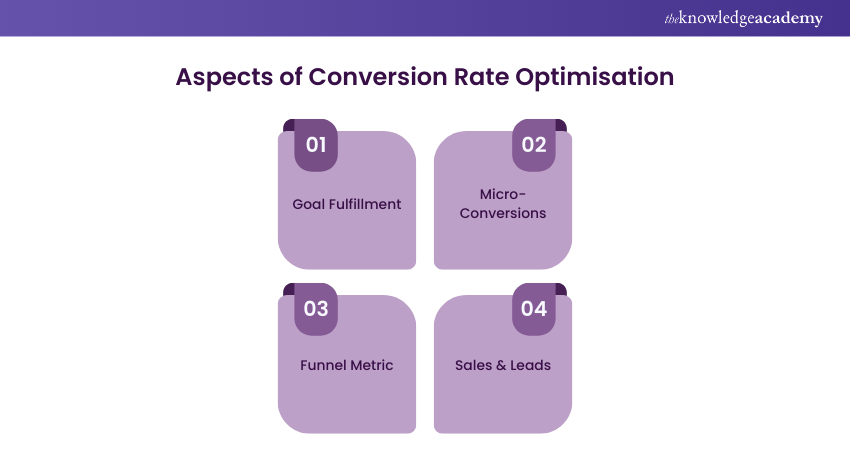
2) Defining Conversion
3) Importance of Conversion Rate Optimisation
4) Key Elements of Conversion Rate Optimisation
5) Conversion Rate Optimisation Process
6) Where to Implement a CRO Strategy?
7) Conversion Rate Optimisation Strategies
8) Conversation Rate Optimisation Examples
9) How to Calculate Conversion Rate?
10) How to Optimise Conversion Rate?
11) What is the Difference Between SEO and CRO?
12) Conclusion
What is Conversion Rate Optimisation?
Conversion Rate Optimisation involves improving your website's performance by boosting the number of visitors who carry out particular actions, such as buying a product or submitting a contact form. The main goal is to enhance the user experience (UX) in order to increase conversions from your current website visitors.
Conversion Rate Optimisation involves analysing user behaviour, identifying where visitors drop off, and testing improvements to increase conversion rates. Using CRO techniques, businesses can improve conversions without increasing traffic, making better utilisation of existing visitors and strengthening performance.

Defining Conversion
Importance of Conversion Rate Optimisation
Attracting new visitors to a website is challenging, especially with growing competition. Turning those visitors into leads or sales is even more important. This is where Conversion Rate Optimisation plays a crucial role. It helps businesses make the most of existing traffic and maximise revenue potential.
Conversion Rate Optimisation improves user experience across devices, with strong attention to mobile usability. It includes refining design, content, page speed, and landing pages while aligning efforts with marketing strategies. Tools, such as A/B testing or heat maps, are used to measure results, and many organisations also work with specialists to improve conversions and drive stronger profits.
Key Elements of Conversion Rate Optimisation
Conversion Rate Optimisation (CRO) involves several key elements that work together to effectively boost conversion rates. It includes:
1) User Experience (UX) Design
An effectively planned user experience (UX) is essential for smoothly directing users across your website. Efficient UX design guarantees users can easily locate desired items, minimise barriers and boost conversion rates.
2) A/B Testing
A/B testing enables you to test various versions of your website pages to discover which one is more effective. By consistently experimenting with components such as headings, visuals, and prompts for action, you can enhance your website to increase the number of visitors who become buyers.
3) Page Speed Optimisation
Quickly loading pages is crucial for keeping visitors engaged. Slow page loading can annoy users and result in increased bounce rates. Improving load times increases the likelihood that visitors will remain interested and successfully take desired actions.
4) Mobile Responsiveness:
Ensuring that your website is mobile-friendly is crucial now that most web traffic is coming from mobile devices. A responsive design adjusts to various screen sizes, ensuring a seamless user experience (UX) that boosts conversions on all devices.
5) Data Analysis:
Utilising tools such as Google Analytics enables you to comprehend user interactions with your website. Examining this data uncovers opportunities for enhancement, enabling you to make educated choices that bolster your CRO plan in the long run.
Build exceptional Marketing Skills with our Introduction To Marketing Training – Sign up today!
Conversion Rate Optimisation Process
The Conversion Rate Optimisation (CRO) process is a step-by-step approach to enhancing your website's performance by boosting the percentage of visitors who complete desired actions. Let’s discuss further:
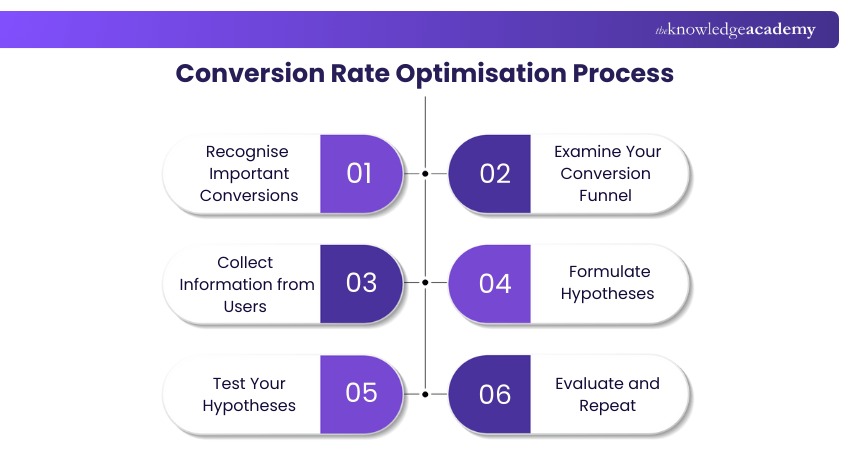
Step 1: Recognise Important Conversions
Conversions are the particular steps you desire for users to complete, and these steps will differ depending on your business objectives. In the case of an online store, a conversion could be a successful purchase; while for a SaaS business, it could be registering for a complimentary trial. After pinpointing the desired action, the objective is to maximise the speed at which visitors accomplish this action, referred to as your 'conversion rate.
Step 2: Examine Your Conversion Funnel
Analyse every step of your conversion funnel to pinpoint where visitors exit before completing a conversion. This technique, called funnel analysis, identifies pages with high exit rates and uncovers reasons for user departures. Hotjar Funnels is a tool that can display the flow of traffic, allowing you to examine each step and categorise users based on demographics or traffic sources to customise your strategy.
Step 3: Collect Information from Users
Once you have pinpointed the main locations for drop-offs, gather specific details about your users. It is important to comprehend user behaviour because some conversion blockers are not easily identifiable or measurable. Certain problems could be easy to solve, such as a glitch, whereas others necessitate a more thorough examination of what users require, concentrating on the factors that shape their choices.
Step 4: Formulate Hypotheses
Based on the information collected, formulate hypotheses regarding adjustments to be made in your funnel in order to increase conversion rates. This stage consists of determining which characteristics to incorporate, modify, or eliminate. Conversion Rate Optimisation (CRO) involves continuous refinement; don't stress if initial efforts are not flawless as testing will improve your tactics.
Step 5: Test Your Hypotheses
By putting your hypotheses to the test through the implementation of data-driven optimisations, you can work towards boosting conversion rates. Testing multiple versions of web pages through A/B testing is a successful way to assess new UX designs and sales funnel flows. Utilising both quantitative and qualitative metrics will provide a comprehensive insight into which adjustments are most impactful.
Step 6: Evaluate and Repeat
Always monitor how your tested alterations affect conversion rates. As you continue the process, conversion rates will gradually get better. Consistently check your funnel to pinpoint areas requiring additional focus. Platforms such as Hotjar Dashboards offer a comprehensive look at your CRO metrics, enabling you to focus on particular session recordings, heatmaps, or user feedback for improving ongoing optimisations.
Learn email strategies that turn clicks into loyal customers and measurable results with theEmail Marketing Course – Join now!
Where to Implement a CRO Strategy?
Implementing a Conversion Rate Optimisation (CRO) strategy offers the opportunity to systematically enhance website performance, boosting the percentage of visitors who complete desired actions. Below are the key areas where a CRO strategy delivers the most impact.
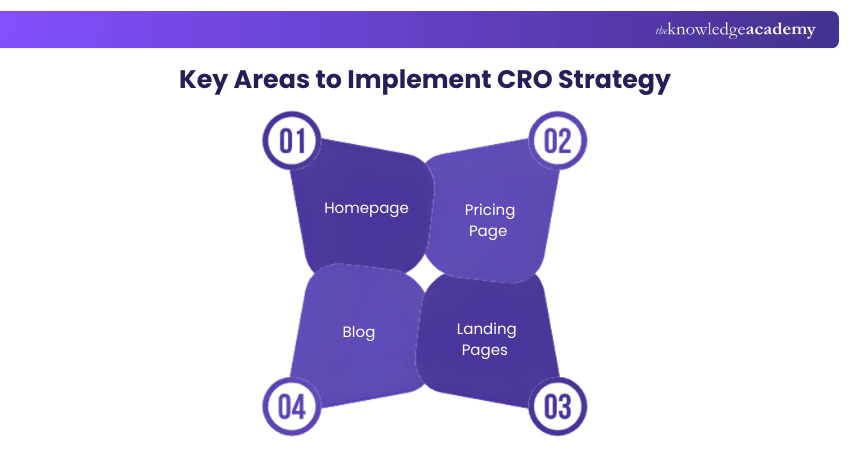
a) Homepage
The Homepage is often the first impression, making it a critical place to apply CRO. Begin by analysing user behaviour using tools, such as heatmaps and session recordings, to identify friction points or drop-offs. Also, test different headlines, navigation styles, and call-to-action buttons to reveal what guides users more towards taking action.
A clear and intuitive layout is essential with a strong focus on mobile usability. Engaging visuals and simple, persuasive copy can improve attention and interaction. By regularly tracking metrics, such as bounce rate and conversion rate, businesses can polish the homepage experience and improve results steadily.
b) Pricing Page
The pricing page plays a major role in conversion decisions. Conversion Rate Optimisation starts with understanding user concerns around cost, value, and clarity. Pricing information should be easy to scan, transparent, and visually structured to reduce confusion and hesitation among users.Testing pricing layouts, planning comparisons, and messaging helps to identify what builds confidence. Adding social proof, such as testimonials or trust signals, can further reduce the friction for users. Also, monitoring conversion rate and average order value enables teams to fine-tune the page for driving better outcomes.
c) Blog
Blogs are powerful for engagement, but Conversion Rate Optimisation ensures they support conversions. Analysing time on page, scroll depth, and click activity helps to identify which content keeps the readers interested. A clean layout, clear headings, and engaging visuals improve overall flow and readability.
Well placed calls to action within blog content encourage readers to take the next step, such as subscribing or downloading resources. Lead magnets and internal links help convert readers into leads while keeping the experience natural and helpful
d) Landing Pages
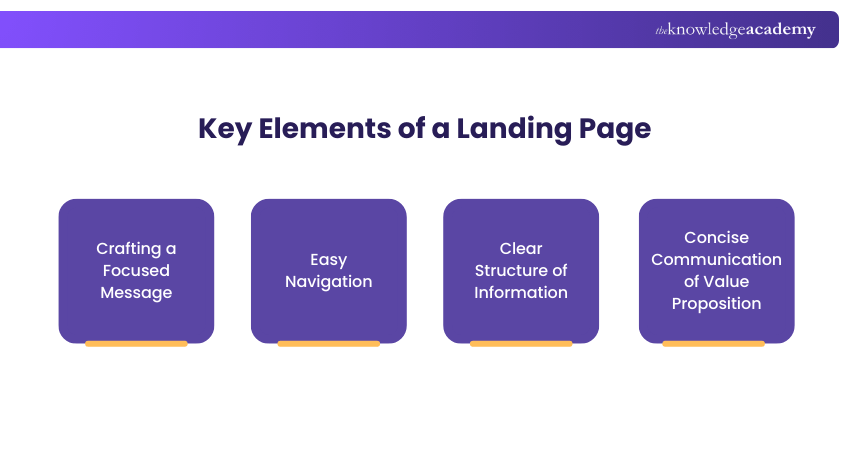
Landing Pages are designed for one clear goal, making them ideal for CRO. A strong headline, focused message, and clean layout are useful for helping visitors understand the value being offered. Clear calls to action should stand out without overwhelming the page as well as the users.
Also, test variations of headlines, images, form length, and call to action placement to identify the driving factors of leading users to act. Tracking metrics, such as form submissions and conversion rate, help businesses to continuously improve landing page performance and achieve stronger campaign results.
Reach your audience anytime, anywhere with our Mobile Marketing Course today!
Conversion Rate Optimisation Strategies
Conversion Rate Optimisation strategies focus on increasing the number of visitors who complete desired actions on a website. Let’s look at the strategies that support steady improvements and stronger conversion outcomes.
a) Create Text-based CTAs Within Blog Posts
Text-based call to action (CTAs) help readers take the next step clearly without interrupting the flow of content. When they match the topic and intent of the reader, they feel natural and useful. Simple and value-focused wording increases engagement and click-throughs.
Regular testing of CTA placement and wording helps to identify what works best. Tracking clicks and conversions allows continuous improvement. Over time, well-optimised CTAs significantly increase blog conversion rates.
b) Add Lead Flows on Your Blog
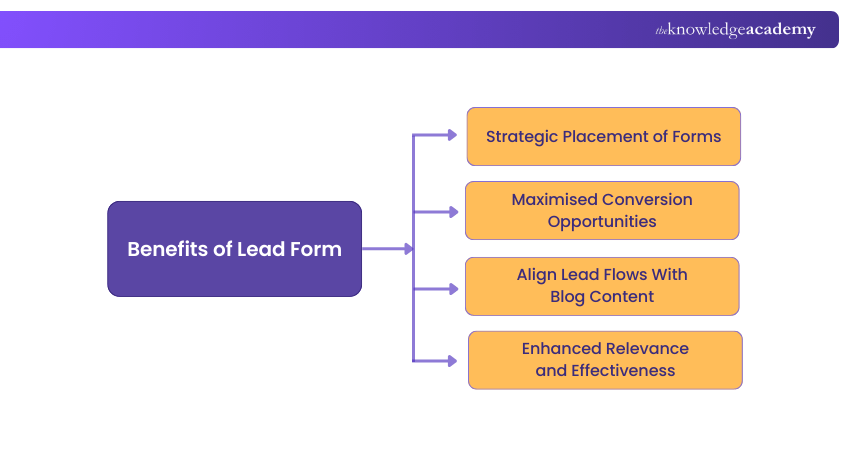
Lead flows capture the visitor information through pop-ups or embedded forms at key moments. Offering useful resources, such as guides or checklists, increases the likelihood of sign-ups. Also, it is important to note that timing and relevance play a key role in their success.
Analysing conversion data helps to refine triggers and messaging. Adjustments based on user behaviour improve performance without harming the user experience. This leads to steady growth in leads or sales.
c) Run Tests on Your Landing Pages
Testing landing pages reveals which elements encourage users to take action. A/B testing focuses on individual changes, while multivariate testing compares multiple elements together. These insights support data-driven design decisions.
Ongoing testing helps improve messaging layout and CTAs. Performance metrics guide refinements and prevent the need for any guesswork. This approach keeps landing pages aligned with the expectations of the users.
d) Help Leads Become MQLs
Leads move towards Marketing Qualified Lead (MQL) status through consistent and targeted engagement. Sharing relevant content builds trust and keeps prospects interested. Through personalised communication, it supports organisations to build strong relationships.
Lead scoring is helpful for identifying high intent users based on behaviour and interaction. This enables teams to prioritise follow-ups. Better alignment between marketing strategies and sales improves conversion outcomes.
e) Build Workflows to Enable Your Team
Workflows provide structure by defining clear steps and responsibilities. This reduces confusion and keeps Conversion Rate Optimisation efforts organised. This helps teams to collaborate effectively with shared processes.
Automation tools support consistent and save time on repetitive tasks. Regular conducting of reviews helps to refine workflows as goals evolve with changing user needs. This also leads to improvement in productivity and outcomes.
f) Add Messages to High-converting Web Pages
Messaging tools provide instant support at critical decision points. With live chat integrated, it helps to answer questions quickly and reduce user hesitation. This improves user confidence and overall experience.
Through trigger-based messages, it responds to visitor behaviour in real time. Also, relevant prompts feel helpful instead of feeling intrusive. This leads to the timely offering of guidance that supports higher conversion rates.
g) Optimise High-performing Blog Posts
Existing blog posts often drive traffic but can miss conversion opportunities. Reviewing performance helps identify weak CTAs or any content gaps. With small changes, it can bring great improvements in performance.
Also, high-converting posts should be refreshed and optimised for each search. Updating content keeps it relevant and visible to the readers. This is beneficial for attracting more qualified visitors over time.
h) Leverage Retargeting to Re-engage Website Visitors
Most visitors leave without converting. This makes retargeting essential, and targeted ads remind users of your brand across other platforms. This keeps your offering top of mind and helps to re-engage readers and users.
Focusing on high-intent pages increases overall effectiveness. Also, integrating strong visuals and clear offers encourages visitors to return. Thus, retargeting helps to recover lost conversions and improve business results.
Plan, manage, and maximise marketing spending for smarter business growth with Marketing Budget Course – Register today!
Conversion Rate Optimisation Examples
CRO works best when backed by real experiments and clear learning. Let's look at the following examples to better understand What is Conversion Rate Optimisation.
Example 1: Real Book Cover vs Abstract Version
Joe Geoghan, a Senior Visual Brand Design Specialist at Optimisely, tested two versions of an email promoting The Big Book of Experimentation. One version used a real book cover, while the other used an abstract illustrated version. The assumption was that the real cover would perform better. However, the results showed the opposite: the abstract version won, even though both images were small and difficult to read.
Key Takeaway: The abstract design was clearer and more direct about what the reader would get. This experiment highlighted that clarity matters more than realism in design. When visuals are small, simple and focused designs can perform effectively.
Example 2: Predicting The Next Best Action
Charlotte Golding and her team at Virgin Media aimed to personalise customer journeys by predicting the next best action. They assumed customers would have fixed intentions, such as improving network service. After testing, they discovered that the same customer could visit the store with completely different needs on different days.
Key Takeaway: Customer intent is not static. Relying on a personalised experience can limit results. Conversion Rate Optimisation needs continuous optimisation of models and assumptions to reflect changing user behaviour and deliver relevant experiences.
Create powerful content that attracts audiences, builds trust, and drives conversions with Content Marketing Course – Register now!
How to Calculate Conversion Rate?
Consider a scenario where a user has the potential to convert during each visit to the website. For instance, imagine having an e-commerce platform like Roger's Robotics, where users could initiate a purchase with every session.
The objective is to optimise the website to encourage multiple conversions per user over time. If a user visits the site on three separate occasions, this results in three distinct sessions, each representing a separate opportunity for conversion. Let’s examine the user’s behaviour across these three sessions:
a) Session 1: The user did not convert; instead, they seemed to be acquainting themselves with the site, exploring various sections.
b) Session 2: The user successfully completed a purchase, acquiring a shiny new antenna, marking it as a Conversion.
c) Session 3: The user returned to the site and made another purchase, this time acquiring a new set of gears and a blinking light, constituting another Conversion. Despite purchasing two items, this transaction is considered a single unique order and, therefore, counts as a single Conversion instance.
How to Optimise Conversion Rate?
Optimising conversion rates involves improving how users experience your website. This is done through experimentation, such as A/B testing different page elements to understand user responses. These tests help to base decisions on real behaviour.
Also, personalisation and feedback-driven improvements play a key role. It makes experiences more relevant, while insights from heatmaps, surveys, and session recordings highlight usability issues. This reduces friction and improves conversions.
What is the Difference Between SEO and CRO?
Search Engine Optimisation increases website visibility by driving organic traffic from search engines. It involves optimising content, keywords, and technical elements to enable more users to discover the site and visit it.
Conversion Rate Optimisation focuses on what happens after visitors arrive. It aims to improve conversions across the entire funnel by enhancing user experience, messaging, and page performance.
Conclusion
Understanding What is Conversion Rate Optimisation helps turn website traffic into business value. By tracking the right metrics, testing ideas, and improving user experience, businesses can make smarter decisions that lead to consistent growth. CRO is about learning from user behaviour and refining every step of the user journey. When done properly, it creates better experiences, stronger engagement, and better business results.
Maximise your conversions with our Marketing Courses – Register now!
Frequently Asked Questions
What is Conversion Rate Optimisation (CRO), and Why is it Important for Businesses?

Conversion Rate Optimisation (CRO) involves enhancing a website in a structured manner to boost the number of visitors who engage in desired activities, such as buying a product or filling out a form. It improves user satisfaction, increases conversions, and enhances revenue and profitability.
How Long Does it Take to See Results From a Conversion Rate Optimisation (CRO) strategy?
The effectiveness of a Conversion Rate Optimisation (CRO) plan is influenced by variables such as website intricacy and amount of traffic. Some businesses may experience rapid improvements, while others might need more time to notice notable changes.
What are the Other Resources and Offers Provided by The Knowledge Academy?
The Knowledge Academy takes global learning to new heights, offering over 3,000+ online courses across 490+ locations in 190+ countries. This expansive reach ensures accessibility and convenience for learners worldwide.
Alongside our diverse Online Course Catalogue, encompassing 19 major categories, we go the extra mile by providing a plethora of free educational Online Resources like Blogs, eBooks, Interview Questions and Videos. Tailoring learning experiences further, professionals can unlock greater value through a wide range of special discounts, seasonal deals, and Exclusive Offers.
What is The Knowledge Pass, and How Does it Work?
The Knowledge Academy’s Knowledge Pass, a prepaid voucher, adds another layer of flexibility, allowing course bookings over a 12-month period. Join us on a journey where education knows no bounds.
What are the Related Courses and Blogs Provided by The Knowledge Academy?
The Knowledge Academy offers various Marketing Courses, including Conversion Rate Optimisation Training, Introduction to Marketing Training, and Email Marketing Course. These courses cater to different skill levels, providing comprehensive insights into the Campaign Objectives.
Our Digital Marketing Blogs covers a range of topics related to Conversion Rate Optimisation, offering valuable resources, best practices, and industry insights. Whether you are a beginner or looking to advance your Digital Marketing Skills, The Knowledge Academy's diverse courses and informative blogs have you covered.

James Smith


Digital Marketing Manager and Trainer
James Smith is a digital marketing professional with over a decade of experience in SEO, content strategy, paid media and analytics. He has supported both SMEs and global brands in transforming their digital presence. James’s writing and training are rooted in results-driven tactics and the latest marketing trends.
View Detail
Upcoming Digital Marketing Resources Batches & Dates
Date
 Conversion Rate Optimisation Training
Conversion Rate Optimisation Training
Fri 7th Aug 2026
Conversion Rate Optimisation Training
Fri 20th Nov 2026

 If you wish to make any changes to your course, please


