


 Top Rated Course

We may not have the course you’re looking for. If you enquire or give us a call on + 1-866 272 8822 and speak to our training experts, we may still be able to help with your training requirements.
PMP Cheat Sheet for Effective Study
Grace Mitchell 02 May 2026Want to know how to use a PMP Cheat Sheet? Read this blog to learn all you need to know about a PMP Cheat Sheet, its formulas, domains, and more.

Training Outcomes Within Your Budget!
We ensure quality, budget-alignment, and timely delivery by our expert instructors.
Table of Contents
PMP-certified professionals are recognised and appreciated by organisations worldwide - for their knowledge and understanding of the skills and techniques; to effectively manage projects within the stipulated time and set constraints.
Skilled PMP professionals are in high demand to successfully manage and complete projects precisely. According to a PMI’s Earning Power survey, PMP-certified professionals can expect a 16% higher salary than non-certified professionals globally. Currently, there are more than 1,200,000 PMP-certified professionals worldwide.
A PMP certification holder can expect an average base PMP salary of £55,000 a year, according to PayScale salary estimates.
Table of Contents
1) What is PMP?
2) What is the Need for a PMP Cheat Sheet?
3) Formulas in PMP Cheat Sheet
4) What are the Domains of PMP?
5) Conclusion
What is PMP?
The Project Management Professional (PMP) Certificate validates the certification holder's understanding and knowledge to manage and handle projects efficiently. It demonstrates the Project Manager's experience, skill, qualification, and competence required to deal with complex projects.
PMP is administered by Project Management Institute (PMI). It is one of the most sophisticated certifications sought after by professionals and accepted by most industries. You can expect several growth opportunities as Project Management is anticipated to create many PMP job opportunities with lucrative salary packages in the years ahead.

What is the Need for a PMP Cheat Sheet?
A Cheat Sheet is typically a set of concise notes intended to aid one’s memory. It is most widely used by students for quick reference before examinations. The name ‘cheat sheet’ is derived by historically representing the students who would use the cheat sheets without the knowledge of a teacher or instructor.
A PMP Cheat Sheet can help you with a quick review of concepts, formulas, and techniques necessary to prepare for the PMP exam at the last minute.
Master Project Cost Control! Understand the Cost Performance Index (CPI) Today.
Formulas in PMP Cheat Sheet
Typically, formulas compute several kinds of values and functions. As the scope of Project Management is vast, the number of formulas to be considered is several and dependent on many factors.
Concerning the PMP exams perspective, the following formulas are the essential PMP formulas mentioned in the cheat sheet. The PMP formulas listed below are vital to understanding those willing to appear for the PMP exam. So, let us have a look at them:
|
SL No. |
Name |
Acronym |
Formula |
|
1 |
Future Value |
FV |
PV (1 + i)^n |
|
2 |
Present Value |
PV |
FV/ (1 + i)^n |
|
3 |
Target price |
|
Target cost + Target fee |
|
4 |
Point of Total Assumption |
PTA |
[(Ceiling price – Target price) / Buyer’s share ratio] + Target cost] |
|
5 |
Communication channel |
|
n (n -1) / 2 |
|
6 |
Earned Value |
EV |
% Complete x Budget at completion (BAC) |
|
7 |
Cost Variance |
CV |
Earned value (EV) – actual cost (AC) |
|
8 |
Schedule Variance |
SV |
Earned value (EV) – planned value (PV) |
|
9 |
Actual Cost |
AC |
Actual Cost is the realised cost incurred for the work performed for a specific activity during a definite time period. |
|
10 |
Cost Performance Index |
CPI |
EV / AC |
|
11 |
Schedule Performance Index |
SPI |
Earned value (EV) / Planned value (PV) |
|
12 |
Estimate At Completion |
EAC |
BAC / CPI |
|
13 |
|
EAC |
AC + Bottom-up ETC |
|
14 |
|
EAC |
AC + (BAC – EV) |
|
15 |
|
EAC |
AC + [(BAC – EV) / (CPI x SPI)] |
|
16 |
Estimate To Complete |
ETC |
EAC – AC |
|
17 |
Variance at completion |
VAC |
BAC – EAC |
|
18 |
Estimate to complete |
|
EAC – AC |
|
19 |
To complete performance index |
TCPI |
(BAC – EV) / (EAC – AC) |
|
20 |
Standard deviation |
|
Pessimistic – Optimistic / 6 |
|
21 |
Pert Formula Beta |
|
(P + 4M + O) / 6 |
|
22 |
Expected monetary value |
EMV |
Detection * Occurrence * Severity |
|
23 |
Risk Priority Number |
RPN |
Detection * Occurrence * Severity |
|
24 |
Cost Plus Percentage of Cost Contract |
CPPC |
Cost + % of cost as a fee |
|
25 |
Cost Plus Fixed Fee Contract |
|
Cost + fee of fixed amount |
|
26 |
Cost Plus Award Fee Contract |
|
Cost + award fee |
|
27 |
Cost Plus Incentive Fee Contract |
|
Cost + incentive fee |
|
28 |
Return on Investment |
ROI |
(Net profit / cost of investment) * 100 |
|
29 |
Payback period |
|
initial investment / periodic cash flow |
|
30 |
Cost-Benefit Ratio |
CBR |
Net present value of investment / initial investment cost |
Join PMI-ACP Certification Training now to gain experience and skills in agile methodologies of project management.
What are the Domains of PMP?
There are three key domains of PMP listed below:
Domain 1: People
This domain concentrates on creating a high-performance team.
The lessons under this domain cover the following:
1) T-shaped Skills
2) Focus groups
3) RACI
4) Ground rules/Social contract
5) Project charter vs. Team charter
6) Absolute time estimates vs. Relative measure
7) Face-to-face communication in a virtual team, Fishbowl window
8) User Story, Definition of Ready, Acceptance Criteria, Definition of Done
9) Resource management plan
10) Training, Paring, Mentoring, Baselining
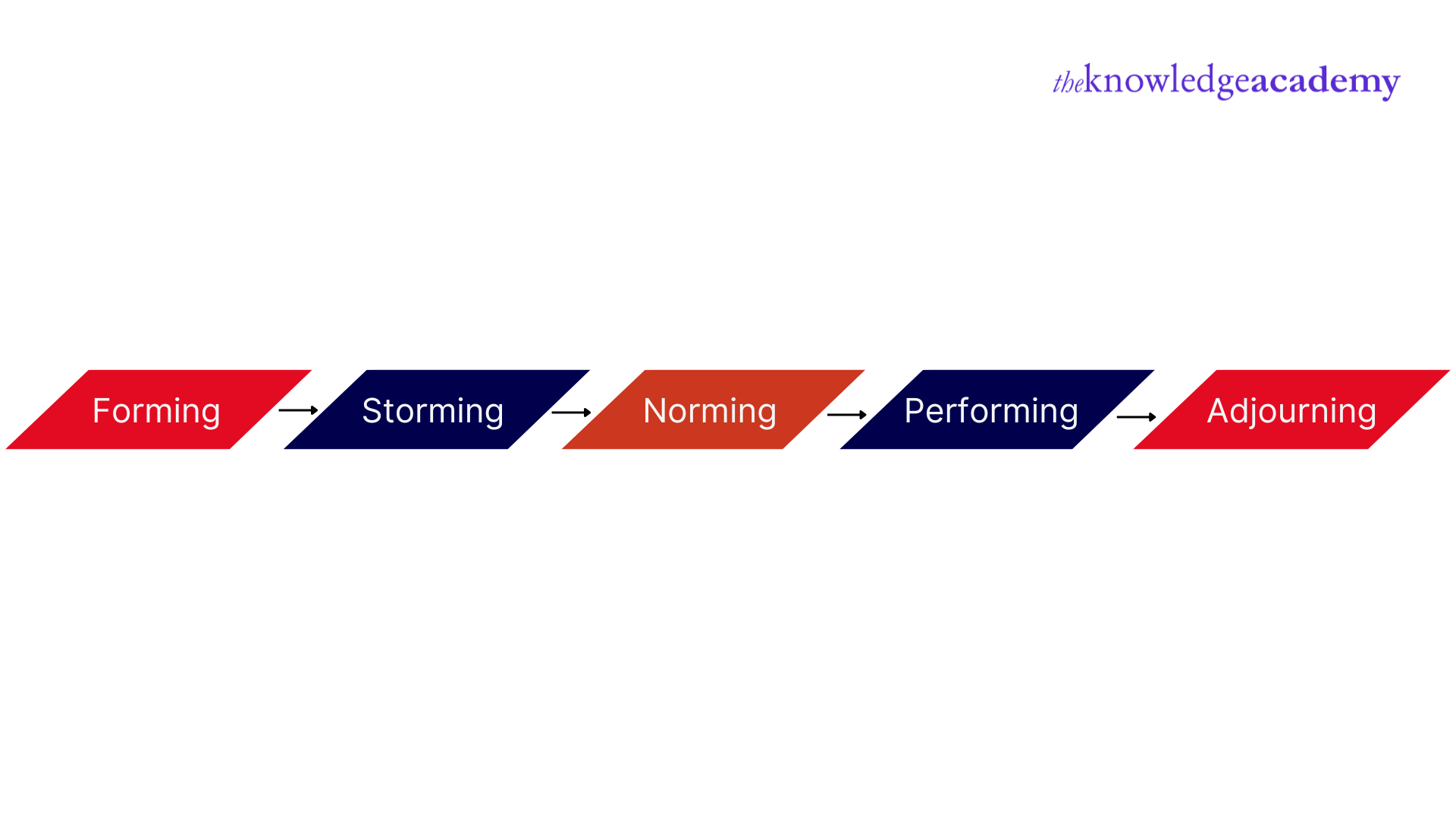
11) Five stages of the Tuckman model:
12) Four Agile ceremonies
13) Four backlog prioritization techniques
14) Four techniques to get consensus
15) Four codes of ethics
16) Two techniques for establishing a shared vision
Domain 2: Processes
Scope
1) Scope Baseline
2) Scope creep
3) Requirement Management Plan vs. Scope Management Plan
4) Elicitation Techniques: Decision-making techniques, Mind mapping vs. Affinity Diagram, Prototypes vs. Storyboarding
Schedule
1) Types of activity dependencies
2) Types of relationship
3) Schedule formats and compression techniques
4) Resource levelling, Resource smoothing
Cost
1) Cost baseline vs. Funding requirement
2) Funding limit reconciliation
3) Three estimate types and techniques
4) Three elements of activity cost
Quality
1) Cost of Quality
2) Verification
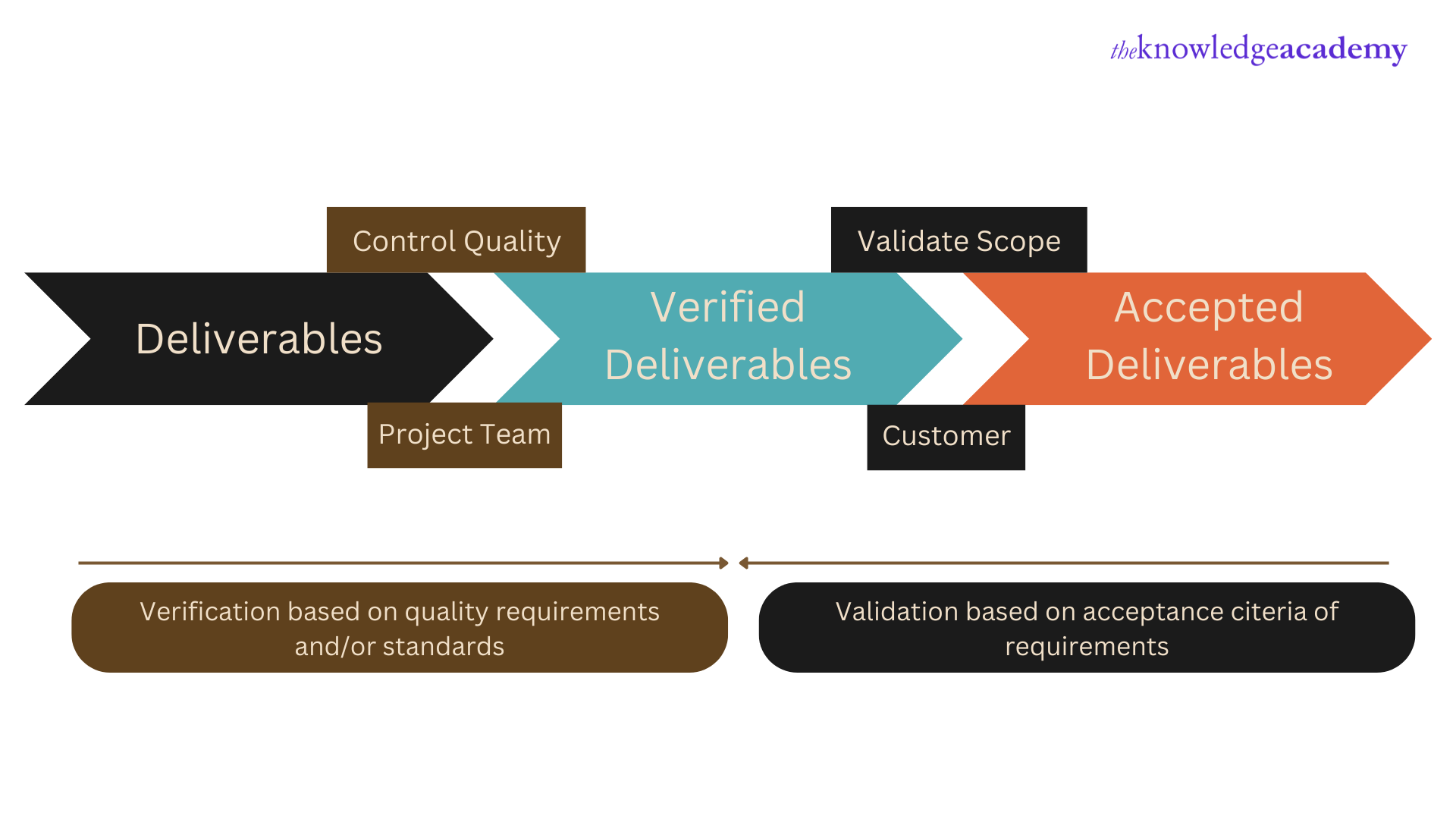
3) PMP Audit
4) Five Quality measurement tools
Integration
1) Project baseline and Subsidiary plans
Procurement
1) Four legal concepts
2) Three contract types
3) Bidder conferences
4) Source selection criteria
5) Negotiation, Alternative Dispute Resolution
Risks
1) Positive risks (Opportunities) vs. Negative risks (threats)
2) Risk Breakdown Structure
3) Contingency plan, Fallback plan
4) Positive risk response strategies
5) Negative risk response strategies
6) Probability and Impact matrix
Changes:
1) Causes of Changes
2) Components of approved changes
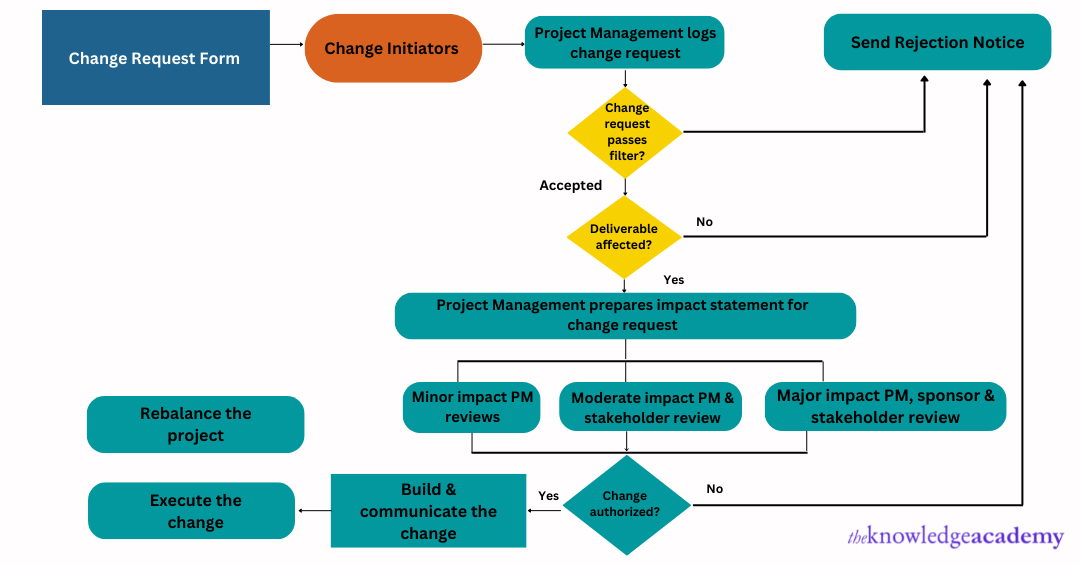
3) Deliver change management process flowchart
Communications
1) Communication methods
2) Stakeholder communication requirements and escalation process
3) Sources of noise in the communication model
Stakeholders
1) Stakeholder engagement plan, matrix, and approaches
2) Stakeholder register vs. stakeholder management plan
3) Five engagement levels in the stakeholder engagement assessment matrix
Domain 3: Business Environment
1) Three types of PMO (Project Management Office)
2) Four common compliance categories
3) Four common benefit management techniques
4) Four Types of Organisational Structures
5) Organisational Process Assets vs. Enterprise Environmental Factors
6) Kaizen vs. Deming cycle (P-D-C-A or P-D-S-A)
7) Tolerance and Escalation procedures
And finally, to keep the team on track, you need to learn and understand the following PMP concepts.
1) Four characteristics of servant leadership
2) Five Elements of Emotional Intelligence:
3) Four Organisational Theories: Maslow, McGregor, McClelland, Herzberg
4) Three stakeholder classification tools: Power grid, Salience mode and Stakeholder cube
5) Six performance report types
6) Value Stream Map
7) Halo effect
Build a solid foundation in Project Management concepts with our CAPM® Certification Training to support structured learning and exam preparation- Sign in now!
Conclusion
A PMP cheat sheet is a concise sheet which serves a limited purpose to brief the concepts and help you review on a tight schedule. You can brush up on the formulas at the last minute of PMP exam preparation and make sure you revise and remember them. Anyways, you must learn the concepts in detail and use cheat sheets only as referral material to ensure you don't miss out on any essential information related to the exam syllabus.
Strengthen Project Management skills and align with current industry practices with our PMP® Training- Join now!
Frequently Asked Questions
Does a PMP Cheat Sheet Really Help in Passing the Exam?

A PMP Cheat Sheet can help you revise key formulas, processes, and concepts quickly before the exam. However, it is not enough on its own. Success depends on understanding real-world scenarios, applying PMI concepts, and practising situational questions rather than relying only on memorisation.
Is a PMP Cheat Sheet Allowed During the Exam?
No, a PMP Cheat Sheet is not allowed during the exam. The PMP exam is a closed-book test, and candidates cannot bring any notes or reference materials. However, you can use the on-screen whiteboard or scratch paper provided at the test centre for quick notes or calculations.
What are the Other Resources and Offers Provided by The Knowledge Academy?
The Knowledge Academy takes global learning to new heights, offering over 3,000+ online courses across 490+ locations in 190+ countries. This expansive reach ensures accessibility and convenience for learners worldwide.
Alongside our diverse Online Course Catalogue, encompassing 17 major categories, we go the extra mile by providing a plethora of free educational Online Resources like Blogs, eBooks, Interview Questions and Videos. Tailoring learning experiences further, professionals can unlock greater value through a wide range of special discounts, seasonal deals, and Exclusive Offers.
What is The Knowledge Pass, and How Does it Work?
The Knowledge Academy’s Knowledge Pass, a prepaid voucher, adds another layer of flexibility, allowing course bookings over a 12-month period. Join us on a journey where education knows no bounds.
What are the Related Courses and Blogs Provided by The Knowledge Academy?
The Knowledge Academy offers various PMP® Courses, including the PMP® Certification, CAPM® Certification, and the PMI-ACP® Certification. These courses cater to different skill levels, providing comprehensive insights into Best PMP® Study Materials for Effective Exam Preparation.
Our Project Management Blogs cover a range of topics related to PMP® Certification, offering valuable resources, best practices, and industry insights. Whether you are a beginner or looking to advance your Project Management skills, The Knowledge Academy's diverse courses and informative blogs have got you covered.

Grace Mitchell


Senior Project Management Consultant and Author
Grace Mitchell is a highly experienced project management professional with over 15 years of expertise in leading large-scale projects across industries, including construction, IT, and finance. With qualifications in PRINCE2®, PMP®, AgilePM®, and MSP®, Grace specialises in delivering complex programmes with precision and clarity. Her writing is grounded in real-world application and focuses on helping learners build confidence in project delivery and stakeholder management.
View Detail
Upcoming Project Management Resources Batches & Dates
Date
 PMP® Certification Training Course

 If you wish to make any changes to your course, please


