




We may not have the course you’re looking for. If you enquire or give us a call on + 1-866 272 8822 and speak to our training experts, we may still be able to help with your training requirements.
Customer Service Metrics to Measure & Evaluate
ByShristi RoyLast updated on: 22 September 2026
Measuring customer service requires tracking core metrics that assess customer satisfaction, service quality, response times, and operational efficiency.. These metrics help organisations evaluate service quality and identify areas for improvement. Regular monitoring supports informed decision-making and enhances the overall customer experience.

Providing excellent customer service is only part of the equation. Organisations also need to understand how well their service performs and whether it meets customer expectations. Knowing How to Measure Customer Service helps businesses evaluate performance, identify areas for improvement, and make informed decisions that enhance customer satisfaction and loyalty.
By tracking the right Customer Service metrics, organisations can gain meaningful insights into service quality and continuously improve the customer experience. Let's explore the essential metrics that matter most.
What is Customer Service?
Customer service is the support and assistance a business provides before, during, and after a customer purchases a product or service. It focuses on helping customers resolve issues, answer questions, and make informed decisions throughout their journey.
Effective customer service goes beyond solving problems. It builds trust, improves customer satisfaction, strengthens long-term relationships, and encourages customer loyalty by delivering consistent and positive experiences at every interaction.

Why is it Important to Measure Customer Service?
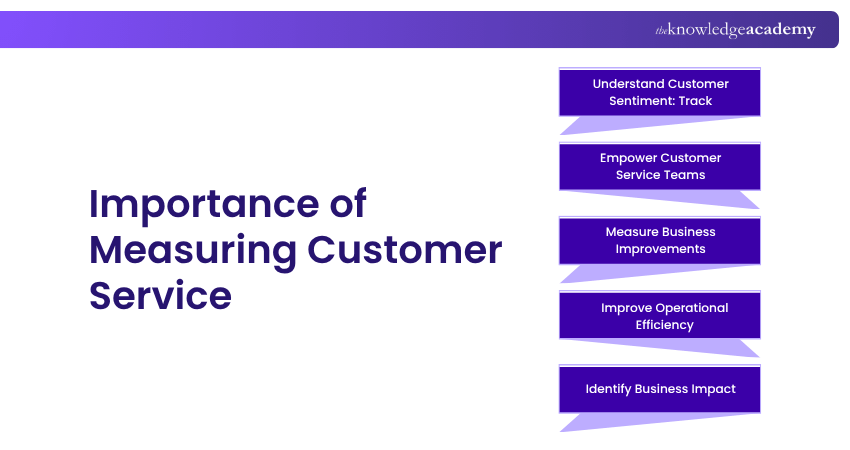
Measuring customer service helps organisations assess service performance, identify improvement areas, and enhance customer experiences. Key reasons to measure customer service include:
1) Understand Customer Sentiment: Track customer feedback to understand satisfaction levels, identify pain points, and monitor changes over time.
2) Empower Customer Service Teams: Provide agents with real-time customer insights to deliver faster, more personalised, and effective support.
3) Measure Business Improvements: Compare performance metrics before and after introducing new tools, processes, training, or technologies.
4) Improve Operational Efficiency: Identify opportunities to streamline workflows, reduce costs, and enhance team productivity.
5) Identify Business Impact: Understand how customer service influences customer retention, loyalty, repeat purchases, and overall business performance.
Key Performance Metrics for Measuring Customer Service
Let's explore some of the metrics for measuring customer service:
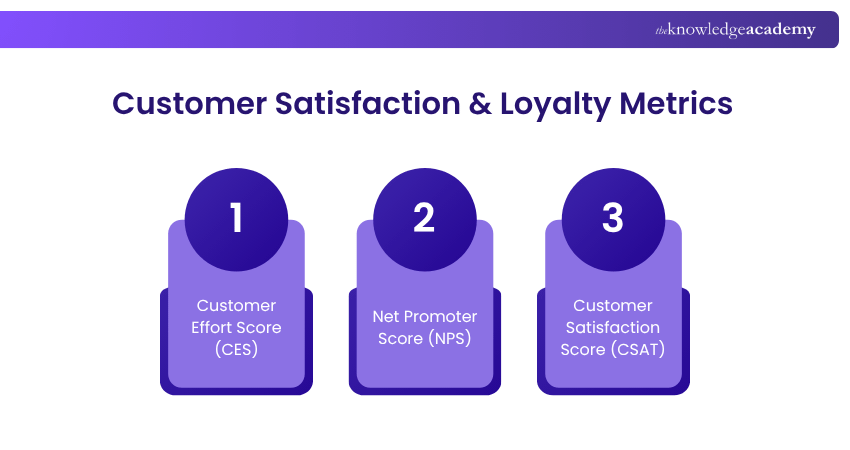
1) Customer Satisfaction & Loyalty Metrics
Customer Satisfaction and Loyalty Metrics measure how customers perceive your service and their likelihood of remaining loyal. They provide valuable insights that help improve customer experiences.
Customer Effort Score (CES)
Customer Effort Score (CES) measures how easy it is for customers to resolve an issue or complete a task. It helps organisations identify friction points and improve the overall customer experience.
a) Measures Customer Effort: Assesses how easy it is to resolve customer issues.
b) Identifies Friction Points: Highlights areas that need process improvements.
Net Promoter Score (NPS)
This measures whether customers would recommend a product or service to others. Customers rate their likelihood to recommend on a scale from 0 to 10.
a) Scores 9-10: Promoters who are loyal and enthusiastic advocates.
b) Scores 7-8: Passives who are satisfied but not very enthusiastic.
c) Scores 0-6: Detractors who are unhappy and may spread negative feedback.
d) Higher NPS: Indicates higher customer loyalty, advocacy, and growth.
e) Lower NPS: Indicates lower customer loyalty, advocacy, and development.
Customer Satisfaction Score (CSAT)
This shows how happy customers are with a product, service, or experience. Customers rate their happiness on a scale from 1 to 5.
a) High CSAT: Customers are happy and may buy again or tell others.
b) Low CSAT: Customers are unhappy and may complain or share bad reviews.
2) Response & Efficiency Metrics
Response and efficiency metrics measure how quickly and effectively customer enquiries are handled. They help organisations improve response times, resolve issues efficiently, and enhance the overall customer experience.
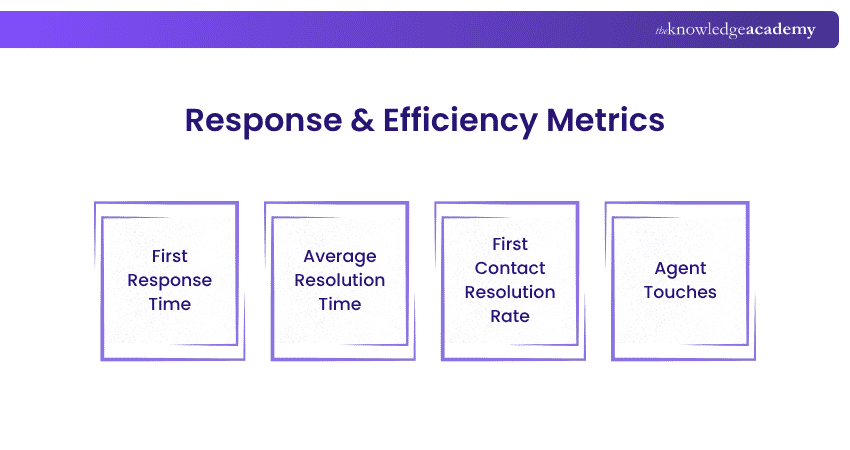
First Response Time
First Response Time (FRT) measures how quickly a customer receives the first response after submitting an enquiry. It helps organisations evaluate responsiveness and improve the overall customer experience.
a) Measures Responsiveness: Faster response times improve customer confidence and satisfaction.
b) How to Measure: Calculate the average time between receiving a customer enquiry and sending the first response.
Average Resolution Time
This measures how long it takes to fix a customer issue from when it is reported to when it is closed.
a) Lower Resolution Time: Indicates faster issue resolution, improved service efficiency, and a better customer experience.
b) How to Measure: Calculate the average time between when a customer issue is reported and when it is marked as resolved.
First Contact Resolution Rate
This measures how often customer problems are solved the first time they reach out.
a) Higher Rate: Smoother customer experience and less extra effort.
b) Measure: Divide the number of issues fixed on the first contact by the total number of issues.
Agent Touches
Agent Touches measure the number of interactions required by a customer service agent to resolve a customer request. Tracking this metric helps organisations evaluate support efficiency and identify opportunities to streamline customer interactions.
a) Measures Resolution Efficiency: Fewer agent touches often indicate a more streamlined support process.
b) Identifies Process Inefficiencies: Multiple interactions may highlight workflow or knowledge gaps.
3) Customer Behaviour and Retention Metrics
These metrics measure customer loyalty, retention, and long-term engagement.
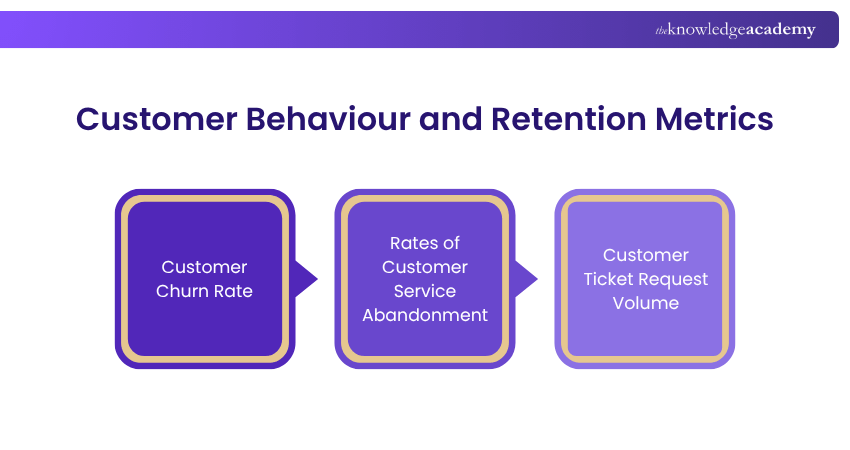
Customer Churn Rate
Customer Churn Rate measures the percentage of customers who stop doing business with an organisation over a specific period.
a) Lower Churn Rate: Indicates stronger customer retention and satisfaction.
b) Higher Churn Rate: May signal customer experience issues and increased customer loss.
Learn techniques for measuring customer interactions with our Customer Experience Training – Join today!
Rates of Customer Service Abandonment
Customer Service Abandonment Rate measures the percentage of customers who leave a support interaction before their issue is resolved.
a) Lower Abandonment Rate: Indicates a more efficient and customer-friendly support experience.
b) Higher Abandonment Rate: May highlight long wait times or inefficiencies in the support process.
Customer Ticket Request Volume
a) This shows the number of help requests a company receives. Too many requests might indicate problems. Measure: Compare support tickets each week or month. A sudden increase, especially after a new product launch, could mean customer issues.
b) Analyse Trends: Look for patterns over time to identify recurring issues or peak times when support requests increase.
4) Advanced & Experience Analytics Metrics
These metrics measure customer sentiment and interactions to improve service quality.
Utilising Sentiment Analysis: This measures customers' emotional tone and attitude towards a product, service, or interaction using natural language processing and Machine Learning.
a) Sentiment Analysis: Identifies positive, negative, or neutral sentiments and specific emotions like happiness, anger, sadness, or surprise.
b) Purpose: Understand underlying reasons for customer satisfaction or dissatisfaction and improve customer service and experience.
Learn about the sentiment prediction method with our Sentiment Analysis Training – Join today!
5) Social Media Metrics
Social Media Metrics measure customer interactions and feedback across social platforms. They help organisations monitor engagement, understand customer sentiment, and improve brand perception.
Brand Mentions
Brand Mentions measure how often customers refer to your organisation on social media and other online platforms.
a) Track Brand Visibility: Monitor how frequently your brand is mentioned across social channels.
b) Understand Customer Sentiment: Analyse mentions to identify trends, feedback, and overall public perception.
Social Media Engagement
Social Media Engagement measures how customers interact with your content through likes, comments, shares, and other actions.
a) Measure Customer Interaction: Track engagement activities to understand audience participation.
b) Evaluate Content Performance: Identify which content generates the highest engagement and supports customer relationships.
Learn how emotional intelligence can be applied in the company with our Emotional Intelligence Training – Join today!
Can Small Businesses Measure Customer Service Effectively?
Yes, small businesses can measure customer service effectively by tracking key performance metrics, collecting customer feedback, and reviewing service interactions regularly. Monitoring metrics such as Customer Satisfaction Score (CSAT), response times, and resolution rates helps identify strengths, address service gaps, and improve the overall customer experience.
By combining these insights with the right customer service tools and processes, small businesses can make informed decisions and deliver more consistent support. Regular measurement also helps strengthen customer relationships, improve retention, and support long-term business growth.

Shristi Roy is a Content Writer with experience in journalism, article writing and web content development. Her experience researching and writing about Business Skills and Accounting and Finance enables her to communicate specialised information through clear, engaging narratives.
View Detail

 If you wish to make any changes to your course, please


