


 Top Rated Course

We may not have the course you’re looking for. If you enquire or give us a call on +1 7204454674 and speak to our training experts, we may still be able to help with your training requirements.
What is Social Media? Understanding Its Role in Today’s World
James Smith 22 April 2026Social Media refers to digital platforms and applications that enable people to create, share, and exchange information, ideas, and content. It connects users globally, allowing interaction through text, images, and videos. Popular platforms include Facebook, Instagram, LinkedIn, YouTube and X (formerly Twitter).

Training Outcomes Within Your Budget!
We ensure quality, budget-alignment, and timely delivery by our expert instructors.
Table of Contents
Have you ever wondered What is Social Media and how it became such a powerful part of our lives? From morning scrolls through Instagram to evening debates on X, Social Media has redefined how people communicate, share ideas, and build relationships across the globe.
But What is Social Media beyond posts and hashtags? It’s a vibrant digital space where individuals and businesses connect, tell stories, and inspire change. In this blog, we’ll explore how Social Media works, its major platforms, benefits, challenges, and best practices to help you make the most of it in today’s connected world.
Table of Contents
1) What is Social Media?
2) How Does Social Media Work?
3) Types of Social Media Platforms
4) Advantages of Social Media for Businesses and Creators
5) What are the Challenges of Social Media?
6) Best Practices for Enterprise Social Media
7) Examples of Social Media Platforms
8) Conclusion
What is Social Media?
Social Media refers to online platforms and applications that enable users to create and share content or participate in social networking. It connects people across geographic boundaries through text, images, videos, and live interactions. From staying in touch with friends to promoting businesses, Social Media offers an open space for connection, creativity, and collaboration.
These platforms encourage two-way communication and community engagement, making them different from traditional media channels. For instance, a small bakery can post new product photos on Instagram and receive instant feedback from customers. It can also take custom orders through comments or messages, showing how Social Media empowers direct, global interaction between businesses and audiences.

How Does Social Media Work?
The mechanics of Social Media might look simple on the surface. However, there is a lot that happens behind the initial layer. These complex intricacies come together to make it look simple and easy to use.
1) User Profiles
Every Social Media journey begins with a user profile. These profiles act as digital identities, containing basic details like names, photos, locations, and interests. They allow others to recognise and interact with you. For businesses, profiles serve as brand pages that attract followers and showcase products or services.
2) Content Sharing
The core of Social Media lies in content creation and sharing. Users can post text updates, images, videos, reels, or live broadcasts to express themselves or convey messages. The more engaging the content, the more likely it is to attract likes, shares, and comments—helping users expand their visibility and influence.
3) Direct Messaging
Most platforms offer private or group messaging features that enable real-time conversations. Direct Messaging (DM) promotes personalised interaction, whether for customer support, professional networking, or casual chats. It bridges the gap between public engagement and private communication.
4) Algorithms
Social Media algorithms determine what users see on their feeds. They analyse behaviour, likes, comments, searches, and viewing patterns to deliver personalised content. This helps platforms retain user engagement but also raises debates about bias, echo chambers, and exposure to repetitive content.
5) Feeds and Timelines
Feeds or timelines are the constantly updated streams of content users see when they log in. They combine posts from friends, followed pages, or trending topics. Algorithms decide the order, ensuring each feed feels unique and tailored to individual interests.
Optimise content and analytics for Instagram growth with the Instagram Marketing Course - Register today!
Types of Social Media Platforms
Social Media platforms come in various forms, each serving a unique purpose and audience. Below are the main types:

1) Social Networking Sites
Social networking platforms focus on connecting individuals and groups, helping them build relationships and share updates.
Examples: Facebook, LinkedIn, X (formerly Twitter)
Key Features:
1) Enable users to create personal or professional profiles
2) Support communication through posts, comments, and direct messages
3) Allow joining communities or interest-based groups
4) Facilitate business networking and personal interaction
2) Media-sharing Platforms
These platforms specialise in sharing visual and video-based content, making them ideal for storytelling and marketing.
Examples: Instagram, YouTube, TikTok
Key Features:
1) Encourage sharing of images, videos, reels, and live streams
2) Popular for tutorials, entertainment, and influencer content
3) Help businesses showcase products through creative campaigns
4) Foster audience engagement through visual appeal and trends
Unlock the power of X marketing and elevate your brand’s voice across digital platforms by signing up for our X Marketing Course now!
3) Community-based Networks
Community-driven platforms promote discussions and idea exchange within specific topics or interests.
Examples: Reddit, Quora
Key Features:
1) Encourage user-generated content and open discussions
2) Allow users to ask questions and share expertise
3) Create a sense of belonging through topic-based communities
4) Ideal for knowledge sharing and crowd-sourced insights
4) Review Platforms
These platforms allow users to post and read reviews about products, services, or experiences.
Examples: TripAdvisor, Yelp, Trustpilot
Key Features:
1) Influence purchasing decisions through authentic feedback
2) Build transparency between brands and consumers
3) Provide insights for business improvement
4) Strengthen customer trust and brand credibility
Advantages of Social Media for Businesses and Creators
Social Media has become a cornerstone of modern marketing and personal branding. Its benefits extend beyond visibility, helping businesses connect, engage, and grow.
1) Global Reach
Businesses can connect with millions of users worldwide, breaking geographical barriers and expanding their audience base effortlessly through digital networks.
2) Cost-Effective Marketing
Compared to traditional advertising methods, Social Media campaigns are more affordable, easier to track, and allow precise targeting to maximise return on investment.
3) Audience Engagement
Through real-time comments, polls, and messages, brands can communicate directly with their audiences, creating stronger relationships and improving customer satisfaction.
4) Brand Awareness
Regular, consistent posting helps establish a recognisable brand identity and builds long-term credibility among followers and potential customers.
5) Performance Analytics
Most platforms provide detailed insights into engagement, impressions, and conversions, enabling marketers to refine strategies and measure success effectively.
Learn to measure and analyse Social Media performance for strategic insights with our Social Media Analytics Course – Register now!
What are the Challenges of Social Media?
Despite its widespread benefits, Social Media also brings challenges that affect users, organisations, and society at large.
1) Impact on Mental Health
Excessive Social Media use can lead to anxiety, low self-esteem, and emotional fatigue. Constant comparison with curated online lives may distort self-perception, especially among younger audiences. Maintaining digital boundaries and mindfulness is essential for balance.
2) Growing Polarisation
Social Media can amplify divisive opinions. Algorithms often prioritise content that sparks emotion, sometimes at the cost of healthy dialogue. This can deepen social and political divides, limiting exposure to diverse perspectives.
3) Spread of Disinformation
False or misleading content can spread faster than verified news. Despite ongoing improvements in moderation and fact-checking, misinformation remains a global issue. Users must critically evaluate sources before sharing or reacting to information.
Understand YouTube's algorithms, analytics, and SEO strategies for enhanced visibility by registering in our YouTube Marketing Course today!
Best Practices for Enterprise Social Media
Using Social Media effectively helps organisations enhance communication and brand loyalty. Key best practices include:
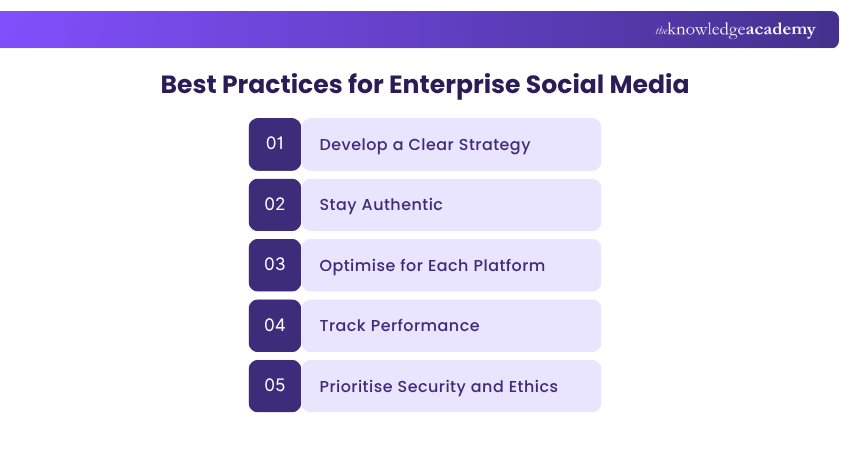
1) Develop a Clear Strategy: Align content with goals like awareness, engagement, or conversion.
2) Stay Authentic: Genuine communication builds audience trust.
3) Optimise for Each Platform: Adjust tone and visuals to suit platform behaviour.
4) Track Performance: Monitor analytics to improve content effectiveness.
5) Prioritise Security and Ethics: Safeguard data and maintain transparency in all interactions.
Examples of Social Media Platforms
Here are some of the most popular platforms that dominate today’s digital space:
1) Facebook: Ideal for networking, advertising, and community building.
2) Instagram: Focused on visuals, lifestyle content, and influencer marketing.
3) LinkedIn: Professional networking, recruitment, and B2B marketing hub.
4) X (formerly Twitter): Real-time updates, trending topics, and thought leadership.
5) YouTube: The world’s largest video-sharing platform for tutorials, reviews, and entertainment.
6) TikTok: Short-form video platform known for creativity, trends, and viral marketing.
Conclusion
Social Media has transformed global communication, empowering individuals and businesses to share ideas, stories, and knowledge. Understanding What is Social Media is key to using it effectively. When applied strategically, it connects communities, fosters learning, and drives innovation in today’s interconnected world. Embracing it responsibly can unlock endless opportunities for growth and collaboration.
Improve your skills in areas like SEO and Social Media with our Digital Marketing Courses – Sign up now!
Frequently Asked Questions
Is Social Media Good or Bad?

Social Media is neither inherently good nor bad. It depends on how it's used. It can be a powerful tool for connection, business, and personal expression if used properly.
Is Social Media Safe for Students?
What are Related Microsoft SharePoint Courses And Blogs Provided by The Knowledge Academy?
What are the Other Resources and Offers Provided by The Knowledge Academy?
The Knowledge Academy takes global learning to new heights, offering over 3,000+ online courses across 490+ locations in 190+ countries. This expansive reach ensures accessibility and convenience for learners worldwide.
Alongside our diverse Online Course Catalogue, encompassing 17 major categories, we go the extra mile by providing a plethora of free educational Online Resources like Blogs, eBooks, Interview Questions and Videos. Tailoring learning experiences further, professionals can unlock greater value through a wide range of special discounts, seasonal deals, and Exclusive Offers.
What is Knowledge Pass, and How Does It Work?
The Knowledge Academy’s Knowledge Pass, a prepaid voucher, adds another layer of flexibility, allowing course bookings over a 12-month period. Join us on a journey where education knows no bounds.
What are Related Microsoft SharePoint Courses And Blogs Provided by The Knowledge Academy?
The Knowledge Academy offers various Digital Marketing Courses, including Social Media Marketing Course, Facebook Ads Course, Instagram Marketing Course and X Marketing Course. These courses cater to different skill levels, providing comprehensive insights into Hashtag.
Our Digital Marketing Blogs cover a range of topics related to Social Media, offering valuable resources, best practices, and industry insights. Whether you are a beginner or looking to advance your Digital Marketing skills, The Knowledge Academy's diverse courses and informative blogs have got you covered.

James Smith


Digital Marketing Manager and Trainer
James Smith is a digital marketing professional with over a decade of experience in SEO, content strategy, paid media and analytics. He has supported both SMEs and global brands in transforming their digital presence. James’s writing and training are rooted in results-driven tactics and the latest marketing trends.
View Detail
Upcoming Digital Marketing Resources Batches & Dates
Date
 Social Media Marketing Course
Social Media Marketing Course
Fri 17th Jul 2026
Social Media Marketing Course
Fri 16th Oct 2026

 If you wish to make any changes to your course, please


