




We may not have the course you’re looking for. If you enquire or give us a call on +1 7204454674 and speak to our training experts, we may still be able to help with your training requirements.
What is a Scrum Master? Everything Beginners Should Know
BySaurav SharmaLast updated on: 29 September 2026
A Scrum Master helps the team understand and apply Scrum effectively, supports self-management, facilitates Scrum events, and helps address impediments that affect progress. Team members collaborate closely to meet shared goals. This structure promotes adaptability, accountability, and continuous value delivery throughout development.

Quick Look
1. A Scrum Master helps the Scrum Team use Scrum effectively.2. They support self-management rather than directing the team's work.3. Key activities include coaching, facilitation and helping address impediments.4. Strong communication and problem-solving skills support the role.5. Scrum Masters work closely with the Product Owner, developers and wider organisation
Ever wondered who helps a Scrum Team improve how it works, navigate impediments, and use Scrum effectively? That’s where the Scrum Master contributes. They not only guide processes but also inspire collaboration and continuous improvement across the team.
In this blog, we’ll explore What is a Scrum Master, their core responsibilities, and the essential skills beginners need to understand to thrive in Agile environments.
What is a Scrum Master?
A Scrum Master is accountable for establishing Scrum as defined in the Scrum Guide and for supporting the Scrum Team’s effectiveness. They help team members understand Scrum, support self-management, and ensure Scrum events are productive and kept within their timeboxes.
Implementing a Scrum Template can optimise Scrum adoption within project workflows. With defined roles and responsibilities, Scrum Masters play a pivotal role in supporting team effectiveness and value delivery, a critical highlight for an impactful Scrum Master Resume.

Responsibilities of a Scrum Master
A Scrum Master's responsibilities extend beyond organising meetings. Their role involves supporting the team, Product Owner and wider working environment. The key responsibilities are:
1) Facilitate Scrum Events: Helps ensure Sprint Planning, the Daily Scrum, Sprint Review, and Sprint Retrospective take place and are productive and timeboxed.
2) Help Address Impediments: Recognises and counters obstacles that obstruct teamwork, allowing it to run smoothly.
3) Support Team Self-management: Helps the team strengthen self-management and cross-functionality.
4) Coach Scrum Practises: Coaches team members in Scrum, self-management and cross-functionality.
5) Encourage Cooperation: Builds communication among the Product Owner, development team, and the stakeholders.
6) Continuous Improvement: Aids in getting the team to recognise the areas to improve and make changes to achieve higher productivity.
Strengthen backlog management and value delivery with our Scrum Product Owner Certification Training – Start learning now.
What Skills are Required by Scrum Masters?
To thrive as a Scrum Master and avoid Scrum Master Mistakes, one must possess a distinctive blend of skills that facilitate the process. These include:
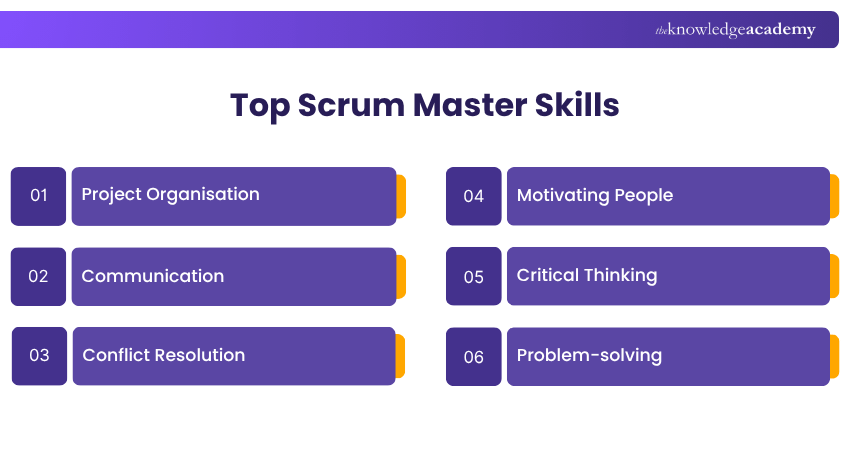
1) Project Organisation: As a Scrum Master, you will be planning and organising meetings regularly and positively. Scrum environments can involve changing priorities and evolving work, so strong organisation and facilitation skills can help Scrum Masters support effective team interactions.
2) Communication: As a Scrum Master, you need clear communication to help teams understand goals, coordinate activities and stay aligned with the overall vision. Effective communication also promotes transparency and helps prevent misunderstandings within the team.
3) Conflict Resolution: You help teams manage conflicting priorities, address disagreements and overcome objections to maintain effective collaboration and progress. Resolving conflicts constructively can strengthen trust and support better team relationships.
4) Motivating People: In an atmosphere where project tasks alter repeatedly and are completed in sprints, Scrum Masters can encourage engagement, collaboration, and continuous improvement without directing how team members complete their work.
5) Critical Thinking: Scrum Masters use critical thinking to assess team performance, product needs, project risks and changing priorities. This helps them understand situations clearly and identify areas that require attention.
6) Problem-solving: Scrum Masters help teams identify and address impediments that affect progress. Strong problem-solving skills enable them to explore practical solutions and support teams in navigating complex challenges.
Pro Tip
Pay attention to patterns, not just individual problems. Repeated blockers, communication gaps or unfinished improvement actions can reveal deeper issues that need attention.
Why Should You Build Your Career as a Scrum Master?
Pursuing a career as a Scrum Master is advantageous because it positions you as a pivotal figure in ensuring adherence to the Scrum framework, by helping teams improve how they work, collaborate and apply Scrum effectively. In this role, you’ll foster an environment where the team can self-manage and achieve objectives effectively. While Product Owners strategise for enduring project viability, Scrum Masters are instrumental in enhancing day-to-day team dynamics.
As a Scrum Master, your role involves helping the Scrum Team navigate impediments and organisational barriers, enabling your colleagues to concentrate on achieving the desired project outcomes. It can highlight your ability to foster a constructive and supportive work environment, which is essential for the successful completion of projects or products.
Build hands-on development expertise within Agile teams through our Scrum Developer Training – Join today!
The Average Salary of Scrum Master
The average salary of a Scrum Master can vary significantly depending on the country and the local economic conditions. A Scrum Master helps establish Scrum and supports the Scrum Team’s effectiveness through coaching, facilitation and impediment management. Their role is crucial in facilitating communication and collaboration within teams to ensure successful project delivery.
Here are the average annual salaries for a Scrum Master across three major regions:
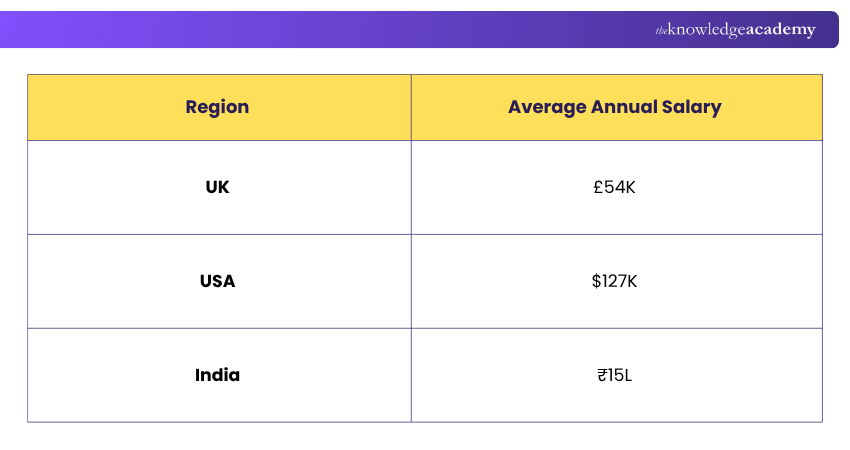
Source: Glassdoor
Please note that these figures are averages and can vary based on experience, company size, and specific location within the country. Additionally, salaries may change over time due to economic factors, so it’s always a good idea to check for the most current information.
Differences Between a Scrum Master and Project Manager
Scrum Masters and Project Managers have different accountabilities. A Scrum Master focuses on establishing Scrum, supporting team effectiveness, and coaching self-management. Whereas a Project Manager typically coordinates areas such as scope, schedule, budget, resources and delivery.
This includes planning schedules and budgets, managing resources, risks, and communication between various stakeholders. A Scrum Master supports the team’s effectiveness by helping people understand Scrum, improve collaboration and address impediments.
Pros and Cons of Having a Scrum Master
Understanding What is a Scrum Master helps organisations evaluate the real impact of this role on Agile teams and delivery outcomes. Although the value is considerable, it is also imperative to consider the benefits and shortcomings as the role is being adopted. The key pros and cons are:
Pros:
1) Effective Agile Facilitation: Helps ensure Scrum events, accountabilities, and practices are understood and applied effectively.
2) Support in Addressing Impediments: Helps the team identify impediments and supports their timely resolution.
3) Improved Team Collaboration: Promotes transparency, open communication, and trust in the form of frequent Scrum events.
4) Coaching and Mentoring Support: Helps teach the Scrum practices and continuous improvement to the teams and allows them to become self-organised and constantly improve.
5) Defence Against Distractions: Prevents external distraction in the team and regulates stakeholder expectations in the sprints.
Cons:
1) Team Dependency Risk: Overdependence by the Scrum Master on the team may decrease the autonomy and self-management of the team.
2) Role Misunderstanding: Misinterpretation of responsibilities may lead to confusion and misaligned expectations.
3) Additional Resource Cost: Small teams or small projects may not experience it cost-effective when it comes to hiring a full-time Scrum Master.
4) Over-involvement Issues: An overly controlling approach can create friction and limit team ownership.
5) Limited Organisational Influence: Broader organisational structures or policies will limit the team’s ability to address systemic impediments quickly.
Enhance collaboration and sprint performance with Scrum for Teams Training – Get started today!
Why Should You Choose Scrum Master Certification?
Here are a few reasons why you should choose the Scrum Master certification:
1) Recognised and Validated: Scrum Master certifications from recognised providers can validate knowledge of Scrum principles and practices.
2) Adapting Agile Processes: The certification equips individuals with the knowledge to strengthen understanding of Scrum practices and their application within teams.
3) Self-organising Teams: It emphasises the supporting self-managing and cross-functional Scrum Teams, a core aspect of the Scrum framework.
4) Delivering Business Value: The training focuses on enabling teams to deliver products incrementally, ensuring the highest business value is delivered as early as possible.
5) Accessibility: With the rise of online learning platforms, obtaining a Scrum Master Certification has become more accessible to a wider audience.
6) Career Development: Becoming a Scrum Master can be a strategic move for career advancement, as it demonstrates a commitment to professional growth and a deep understanding of Agile methodologies.
Can a Scrum Master Work with Multiple Teams?
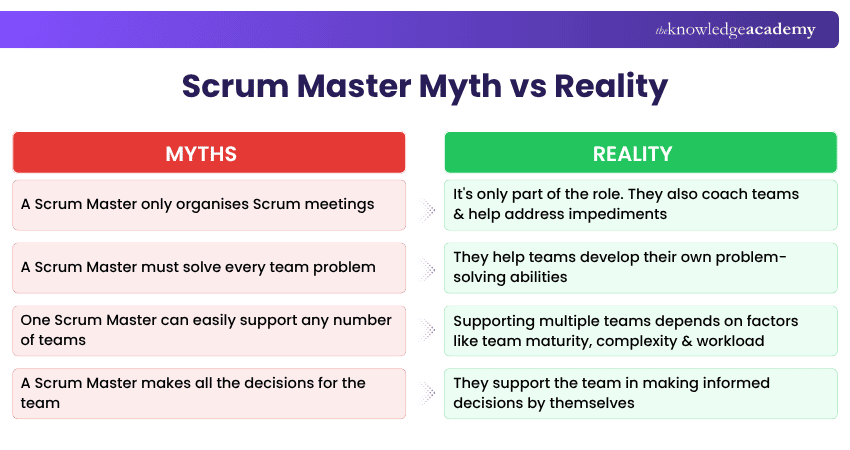
A Scrum Master can support multiple teams, depending on factors such as team maturity, complexity, workload and organisational context. The appropriate number of teams depends on the support each team requires rather than on a fixed Scrum rule. But the performance relies on the complexity of a team, regarding workload and organisational support. Having too many teams assigned to a Scrum Master may diminish the concentration and thereby limit value delivery.
Scrum Master Self-check
Considering the role? Use this quick checklist:
☐ Can I facilitate without dominating conversations?☐ Am I comfortable helping others solve problems?☐ Can I handle disagreements constructively?☐ Do I understand Scrum roles, events and responsibilities?☐ Can I support rather than control a team?☐ Am I comfortable giving and receiving feedback?☐ Do I actively look for improvement opportunities?

Saurav Sharma is a Marketing Head with 9+ years of experience in performance marketing, SEO, paid advertising and growth strategy. His data-informed approach, project oversight and strategic leadership provide practical expertise across Business Skills, Project Management, and Leadership and Management.
View Detail

 If you wish to make any changes to your course, please


