


 Top Rated Course

We may not have the course you’re looking for. If you enquire or give us a call on +44 20 4538 6376 and speak to our training experts, we may still be able to help with your training requirements.
Traditional Marketing vs Digital Marketing: Which is Better?
James Smith 23 October 2025Traditional Marketing vs Digital Marketing involves contrasting offline strategies like print and TV ads with online tactics such as SEO, social media, and email. Each method offers unique benefits, from personal engagement to measurable analytics. Learn how businesses integrate both for optimal results. Read to know more!

Training Outcomes Within Your Budget!
We ensure quality, budget-alignment, and timely delivery by our expert instructors.
Table of Contents
Billboards or banners? Clicks or conversions? The debate between Traditional Marketing vs Digital Marketing is no longer just a buzz in boardrooms; it’s a real-world puzzle for businesses big and small. While one has the charm of nostalgia and face-to-face connections, the other rides the wave of data, speed, and screens. So, which one truly wins hearts and wallets?
From newspaper ads to Instagram reels, the way we connect with customers has transformed dramatically. As we compare Traditional Marketing vs Digital Marketing, it’s not just about old vs new, it’s about reach, impact, and where your audience really lives. This blog will take a closer look at both strategies, giving you the insights you need to choose the right approach for your business.
Table of Contents
1) What is Digital Marketing?
2) What is Traditional Marketing?
3) Differences Between Traditional Marketing vs Digital Marketing
4) Pros and Cons of Digital Marketing
5) Pros and Cons of Traditional Marketing
6) Which Type of Marketing Should You Use?
7) Digital Marketing vs Traditional Marketing Examples
8) What are the 5 P's of Traditional Marketing?
9) What are the 4 Types of Digital Marketing?
10) Conclusion
What is Digital Marketing?
Digital Marketing companies use networks together with electronic devices to advertise their products or services. Internet-based advertising includes social media marketing alongside Search Engine Optimisation (SEO) techniques and email marketing strategies and online advertisement approaches. Through this digital technology businesses maintain better relationships with their audience members.
Marketers leverage this approach to make precise advertising trips as well as receive continuous audience responses while controlling all marketing indicators. Marketing operations through digital platforms offer affordable solutions for brands that seek reach the international marketplace. The success of current businesses depends on Digital Marketing to grow their operations and maintain competitiveness.
What is Traditional Marketing?
Traditional Marketing comprises of every marketing strategy which excludes online platforms. Traditional Marketing consists of TV commercials, radio ads, newspapers, magazines, billboards and flyers as communication methods. The channels let businesses attain new markets throughout specific geographic areas.
Traditional Marketing provides effective brand awareness building, especially in local markets. Organisations select this method to reach customers lacking digital platform usage capabilities. Measuring outcomes takes time in Traditional Marketing despite its enduring importance for many business industries.
Differences Between Traditional Marketing vs Digital Marketing
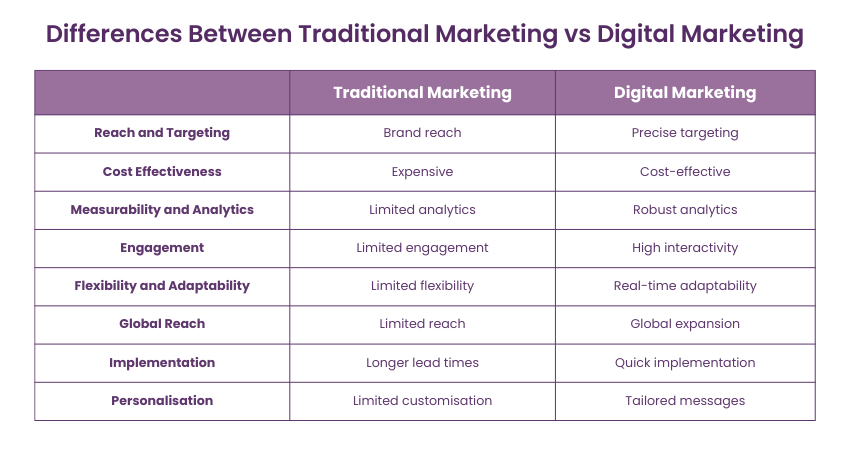
There are several key differences between Traditional Marketing and Digital Marketing. Let's explore these two marketing approaches below:
Reach and Targeting
Traditional Marketing primarily focuses on mass reach through offline channels like television, radio, and print media. Targeting is often broader, aiming to reach a wide audience without precise customisation.
In contrast, Digital Marketing enables precise targeting based on various factors such as demographics, interests, behaviour, and online activities. It allows businesses to reach specific niche audiences and personalise marketing messages.
Cost Effectiveness
Traditional Marketing campaigns can be expensive, especially for television advertisements, print media, and billboards. Production, distribution, and placement costs contribute to higher expenses.
On the other hand, Digital Marketing offers cost-effective options such as Pay-Per-Click (PPC) advertising, Social Media Marketing, and Email Marketing. Businesses can allocate budgets based on their needs and measure the return on investment more accurately.
Turn clicks into customers – register for our Pay Per Click Training now!
Measurability and Analytics
Traditional Marketing lacks accurate measurement and precise analytics. It can be challenging to find the impact of campaigns accurately, making it harder to evaluate the effectiveness of specific marketing efforts.
In contrast, Digital Marketing provides robust analytics tools, allowing businesses to measure and track various metrics such as website traffic, engagement rates, conversion rates, and customer behaviour. This data-driven approach enables precise analysis and optimisation of marketing strategies.
Interactivity and Engagement
Traditional Marketing methods offer limited interactivity and engagement with the audience. It relies on one-way communication, where customers have minimal opportunities to interact with the marketing message or provide immediate feedback.
On the contrary, Digital Marketing thrives on interactivity and engagement. Social media platforms, interactive content, and personalised communication channels enable businesses to interact directly with customers, encourage engagement, and build relationships.
Flexibility and Adaptability
Traditional Marketing campaigns often require substantial lead times and lack flexibility once executed. Modifications or adjustments can be challenging and costly, limiting the ability to respond quickly to market changes.
On the other hand, Digital Marketing offers flexibility and adaptability. Campaigns can be modified, optimised, and adjusted in real time based on performance data and market trends. Changes can be implemented swiftly, allowing businesses to stay agile and responsive.
Global Reach and Audience Coverage
Traditional Marketing campaigns generally have limited geographical reach. Local newspapers, radio stations, and physical mediums confine the audience scope.
Digital Marketing breaks geographical barriers, allowing businesses to reach a global audience. Through Search Engine Optimisation (SEO), online advertising, and social media, companies can increase their customer base beyond local markets.
Get ahead with powerful SEO skills – sign up for our SEO Course now!
Quick Implementation and Results
Traditional Marketing campaigns often require longer lead times for planning, production, and distribution. It may take weeks or even months before seeing tangible results from the marketing efforts.
Opposed to that, Digital Marketing campaigns can be implemented quickly, sometimes within hours. Social media posts, online advertisements, and Email Campaigns can reach the Target Audience almost instantly. This speed allows businesses to seize time-sensitive opportunities and achieve faster results.
Customer Feedback Loop
Digital Marketing offers instant feedback through online interactions such as comments, likes, and reviews, allowing businesses to swiftly adapt their strategies. In contrast, Traditional Marketing depends on slower methods like surveys or tracking sales over time to gauge customer reactions.
Longevity and Shelf Life
Traditional Marketing materials, like billboards or print ads, can remain in place for weeks or months, providing a longer shelf life. Conversely, Digital Marketing content often fades quickly due to frequent updates, but it can be easily refreshed and reposted to maintain visibility.
Pros and Cons of Digital Marketing
Let's explore the various advantages and disadvantages of Digital Marketing:
Pros of Digital Marketing
This medium offers numerous benefits that can contribute to the success of a business as follows:
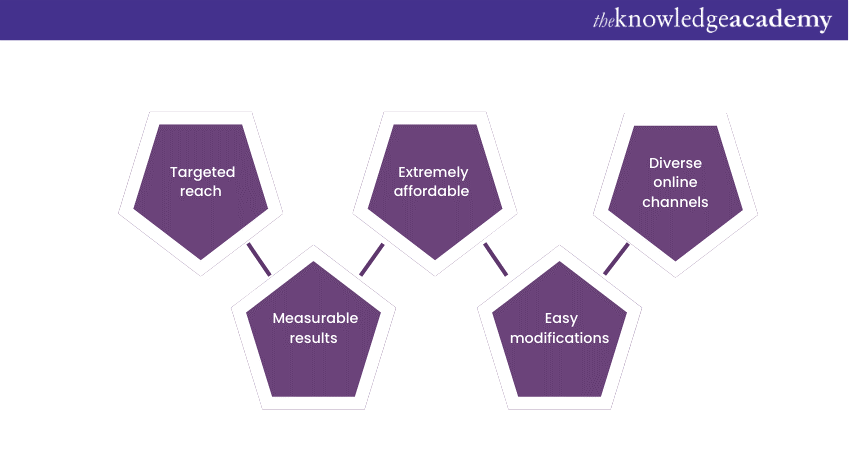
a) Targeted Reach: It allows businesses to target specific audiences based on demographics, interests, and online behaviour. This targeted approach ensures that Marketing efforts are directed towards the most relevant potential customers.
b) Measurable Results: Unlike Traditional Marketing, Digital Marketing provides extensive analytics and tracking capabilities. Businesses can examine the performance of their campaigns in real-time and track website traffic, conversions, engagement, and other metrics to assess the effectiveness of their Marketing strategies.
c) Cost-effectiveness: This medium often requires lower financial investments compared to Traditional Marketing channels. Businesses can leverage various digital platforms at affordable costs, such as social media advertising, email Marketing, and Content Marketing, making it accessible for businesses of all sizes.
d) Flexibility and Agility: This medium allows for quick adjustments and modifications to Marketing campaigns based on real-time data and insights. Businesses can adapt their strategies promptly, optimise their campaigns, and respond to market trends and customer preferences in a more agile manner.
e) Wide Range of Channels: This medium encompasses a wide range of online channels and platforms, including search engines, social media, email, websites, mobile apps, and more. This diversity provides businesses with multiple avenues to interact and engage with potential customers and increase brand visibility.
Accelerate your online success with our comprehensive Search Engine Marketing (SEM) Training. Sign up now!
Cons of Digital Marketing
While this medium offers significant advantages, it also has certain limitations that businesses should be aware of. Here are the key disadvantages:
a) Digital Overload: With the increasing prevalence of Digital Marketing, consumers are constantly exposed to numerous online ads and promotional messages. This saturation can lead to ad fatigue and reduced attention spans, making it challenging for businesses to stand out and capture the audience's attention effectively.
b) Technical Expertise Required: Implementing and managing Digital Marketing Campaigns often requires technical knowledge and expertise. Businesses may need to hire professionals or invest in training to navigate Digital Marketing Tools, platforms, and strategies effectively.
c) Digital Security and Privacy Concerns: Digital Marketing involves collecting and storing customer data, which raises concerns about privacy and Data Security. Businesses must ensure compliance with data protection regulations and take appropriate measures to safeguard customer information.
d) Constantly Evolving landscape: Digital Marketing Trends and technologies are constantly evolving. Staying updated with the latest developments and emerging platforms can be challenging for businesses, requiring continuous learning and adaptation to remain competitive.
e) Dependency on Technology: While Digital Marketing campaigns depend heavily on technology infrastructure, Performance Marketing focuses on metrics that are more resilient to changes in algorithms or technical disruptions.
Learn more about how Performance Marketing compares with Digital Marketing in our comprehensive guide, Performance Marketing vs Digital Marketing.
What is Traditional Marketing?
Traditional Marketing refers to the conventional methods and practices used by businesses to promote their products or services before the rise of digital technology. It involves offline channels and physical mediums to reach and engage with the target audience.
Forms of Traditional Marketing
Traditional Marketing uses conventional media and methods to reach potential customers and promote products or services. Some of the common types of Traditional Marketing are:
1)Television Commercials: These are short video clips that are broadcasted on TV channels during breaks or intervals. They are designed to capture the attention and interest of the viewers and persuade them to buy the products or services.
2)Radio Commercials: These are audio messages that are aired on radio stations during programs or segments. They are meant to appeal to the listeners and influence their buying decisions.
3)Flyers: These are printed materials that are distributed by hand or by mail to potential customers in a specific area or location. They usually contain information about the products, services, offers, or events of the business.
4)Billboards: These are large outdoor signs that are placed on roadsides or buildings. They display images or texts that advertise the products or services of the business. They aim to create awareness and recognition among the passers-by.
5)Magazine and Newspaper Ads: These are printed advertisements that are published in magazines or newspapers that cater to a particular niche or audience. They can include images, texts, logos, or slogans that highlight the features or benefits of the products or services.
6)Telephone and SMS Marketing: These involve contacting potential or existing customers by phone calls or text messages to inform them about the products, services, offers, or feedback of the business.
7)Referral: This is word-of-mouth Marketing where the business asks its customers or employees to recommend its products or services to their friends, family, or neighbours.
8)Direct Mail: This is a form of Postal Marketing where the business sends personalised letters, postcards, brochures, catalogues, or coupons to potential or existing customers in a specific area or segment.
Pros and Cons of Traditional Marketing
Traditional Marketing, with its historical significance, brings forth a range of advantages and disadvantages. Let's dive into the pros and cons of Traditional Marketing:
Pros of Traditional Marketing
Traditional Marketing methods offer several benefits that businesses can leverage to reach their target audience effectively. Here are the key advantages:
a) Wide Reach: Traditional Marketing enables businesses to connect with a broad audience, including those who may not have access to digital platforms. Television, radio, and print media have a wide reach and can effectively target diverse demographics.
b) Tangibility: Traditional Marketing relies on physical materials like Brochures, Flyers, and Billboards, providing a tangible presence for customers. These materials can be seen, touched, and kept for future reference, enhancing brand visibility and recall.
c) Established Credibility: Traditional Marketing holds a long-standing history and familiarity with consumers. Well-established brands and businesses that have successfully utilised Traditional Marketing can build credibility and trust among their target audience.
d)Local Targeting: Traditional Marketing allows for effective local targeting, making it suitable for businesses operating in specific geographical areas. Local newspapers, radio stations, and community events can efficiently reach the target audience in a particular location.
e) Personal Interaction: Some Traditional Marketing techniques, such as telemarketing or face-to-face interactions at events and trade shows, enable direct personal interactions with potential customers. This personal touch helps build relationships and address customer inquiries more effectively. Direct Marketing often incorporates these elements, allowing for personalized communication and targeted outreach to specific customer segments.
Cons of Traditional Marketing
While Traditional Marketing brings benefits, it also faces certain limitations that businesses need to consider. Here are the key disadvantages:
a) Limited Analytics: Traditional Marketing lacks the advanced analytics and tracking capabilities available in Digital Marketing. Accurately measuring the precise impact and Return on Investment (ROI) of Traditional Marketing campaigns can be challenging.
b) Higher Costs: Traditional Marketing methods often require significant financial investments. Television and radio advertisements, print media placements, and billboards can be costly, especially for small businesses with limited budgets.
c) A less Targeted Approach: Traditional Marketing offers less precise targeting options compared to Digital Marketing. Reaching a specific niche audience or tailoring messages to individual preferences can be more challenging with traditional methods.
d) Limited Interactivity: Traditional Marketing typically functions as a one-way communication channel, offering limited opportunities for immediate interaction and engagement from the audience. It lacks the interactive and real-time nature of Digital Marketing platforms.
e) Slow Response Time: Traditional Marketing campaigns often necessitate longer lead times from planning to execution. Making changes or adjustments to strategies or materials may require more time and effort, limiting the agility and responsiveness of Marketing Campaigns.
Turn strategy into results – register for our Digital Marketing Tools Training now!
Which Type of Marketing Should You Use?
With so many marketing options out there, it’s easy to feel a bit overwhelmed. Should you go digital, stick with traditional, or mix the two? Let’s break it down and help you figure out what works best for your brand:
1) Start With Your Audience
Think about who you’re talking to. Are they young, tech-savvy social media lovers, or professionals glued to LinkedIn? The better you understand your audience, the easier it is to pick the right channel.
2) Work with What You’ve Got
Got a tight budget? No problem. Social media and email marketing can be super cost-effective. If you’ve got more to spend, maybe try paid ads or influencer campaigns. The key is getting the most bang for your buck.
3) Get Clear on Your Goals
Want more website traffic? Need to build brand trust? Hoping to drive sales fast? Different goals call for different strategies; content marketing is a slow burn, while PPC is your quick win.
4) Learn From Experience
If you’ve tried marketing before, look at what worked (and what didn’t). Past successes and slip-ups are goldmines of information that can shape your future approach.
5) Mix and Match for Best Results
Don’t feel like you must stick to just one type. Often, a mix of marketing; like blogs, social media, and a dash of email; works brilliantly when done right. Just keep your messaging consistent across the board.
Digital Marketing vs Traditional Marketing Examples
The two marketing methods differ in the way they connect with audiences. Digital Marketing utilises web-based tools which include social media platforms, websites together with email systems.
Traditional Marketing conducts its activities through TV advertising and billboards in addition to radio broadcasts and physical flyers distribution. Assessing these differences will enable you to pick the marketing method that suits your brand.
Digital Marketing Example
The company operates Facebook and Instagram advertisement campaigns to present its newest garments. The company delivers marketing content through influencer partnerships with social media personalities and both social media and email advertising.
Through digital tools the brand enables the ability to select audiences according to age groups along with geographical regions along with consumer interests so they can monitor clicks and purchase activities.
Traditional Marketing Example
The bakery gives out printed advertising materials throughout their nearby residential area. The brand advertises through newspaper parts as well as putting up a billboard at a traffic-heavy area. Their marketing strategies allow them to connect with community members who do not heavily use internet platforms.
The following table highlights the difference between Digital Marketing and Traditional Marketing Examples:

What are the 5 P's of Traditional Marketing?
The 5 P's of Traditional Marketing are Product, Price, Place, Promotion, and People. These elements guide businesses in crafting marketing strategies by focusing on what is being sold, the cost to the customer, where the product is available, how the product is advertised, and the target audience and those involved in the process.
What are the 4 Types of Digital Marketing?
The four types of Digital Marketing are Search Engine Marketing (SEM), Social Media Marketing (SMM), Email Marketing, and Content Marketing. Each type helps businesses connect with online audiences, foster engagement, and drive sales through digital platforms.
Conclusion
To conclude, when it comes to Traditional Marketing vs Digital Marketing, there’s no one-size-fits-all answer. Each has its unique strengths, and the real magic happens when you blend the best of both. With the right strategy, you can reach your audience where they are and make a lasting impact.
Elevate your marketing game and conquer the digital landscape with our cutting-edge Digital Marketing Courses.
Frequently Asked Questions
Why are Both Traditional and Digital Marketing Important for Your Business?

Both traditional and Digital Marketing are crucial because they complement each other. Traditional Marketing fosters local trust, while Digital Marketing enables you to reach a broader, targeted audience online. Together, they form a comprehensive strategy to enhance brand visibility and engagement.
How to Combine Traditional and Digital Marketing?
Integrating traditional and Digital Marketing can be highly effective. For instance, use traditional ads like print to drive online traffic through Quick Response (QR) codes or social media links. Additionally, run digital campaigns that reinforce messages seen in physical spaces, such as billboards.
What are the Other Resources and Offers Provided by The Knowledge Academy?
The Knowledge Academy takes global learning to new heights, offering over 3,000 online courses across 490+ locations in 190+ countries. This expansive reach ensures accessibility and convenience for learners worldwide.
Alongside our diverse Online Course Catalogue, encompassing 19 major categories, we go the extra mile by providing a plethora of free educational Online Resources like Blogs, eBooks, Interview Questions and Videos. Tailoring learning experiences further, professionals can unlock greater value through a wide range of special discounts, seasonal deals, and Exclusive Offers.
What is The Knowledge Pass, and How Does it Work?
The Knowledge Academy’s Knowledge Pass, a prepaid voucher, adds another layer of flexibility, allowing course bookings over a 12-month period. Join us on a journey where education knows no bounds.
What are the Related Courses and Blogs Provided by The Knowledge Academy?
The Knowledge Academy offers various Digital Marketing Courses, including the Digital Marketing Course, Digital Marketing Tools Training and the Google Analytics Certification. These courses cater to different skill levels, providing comprehensive insights into Digital Marketing Plan.
Our Digital Marketing Blogs cover a range of topics related to Marketing, offering valuable resources, best practices, and industry insights. Whether you are a beginner or looking to advance your Digital Marketing Skills, The Knowledge Academy's diverse courses and informative blogs have got you covered.

James Smith


Digital Marketing Manager and Trainer
James Smith is a digital marketing professional with over a decade of experience in SEO, content strategy, paid media and analytics. He has supported both SMEs and global brands in transforming their digital presence. James’s writing and training are rooted in results-driven tactics and the latest marketing trends.
View Detail
Upcoming Digital Marketing Resources Batches & Dates
Date
 Digital Marketing Course
Digital Marketing Course
Fri 24th Apr 2026
Digital Marketing Course
Fri 17th Jul 2026
Digital Marketing Course
Fri 13th Nov 2026

 If you wish to make any changes to your course, please


