


 Top Rated Course

We may not have the course you’re looking for. If you enquire or give us a call on +48 221041849 and speak to our training experts, we may still be able to help with your training requirements.
Differences Between Product Owner vs Product Manager Salary
The Knowledge Academy 22 December 2025Explore the key salary differences between Product Owners and Product Managers. This blog examines factors influencing their pay, industry trends, and role distinctions in various sectors. An essential read for individuals in or aspiring to these positions, offering valuable insights for career advancement in Product Management.

Training Outcomes Within Your Budget!
We ensure quality, budget-alignment, and timely delivery by our expert instructors.
Table of Contents
Product Owners and Product Managersare the two most important roles that are driving forces behind a company's success. These professionals navigate the intricate web of market demands, user expectations, and technological advancements. However, there exists a distinct contrast between the Product Owner vs Product Manager Salary.
Both the Product Manager and Product Owner share a common goal in an organisation. They are both focused on strategising and optimising the products and services so that they can help organisations create more user-centric product development processes. In this blog, you are going to learn the differences between a Product Owner vs Product Manager Salary and how their roles in an organisation make them unique.
Table of Contents
1) Difference Between Product Owner and Product Manager
2) Overview of Product Owner vs Product Manager Salary
a) Salary of Product Owners According to Their Experience Level
b) Product Owner Salary Across Countries
d) Salary of Product Managers According to Their Experience Level
e) Product Manager Salary Across Countries
3) Skills Required to Become Product Owner and Product Manager
4) Conclusion
Difference between Product Owner and Product Manager
Before you learn the differences between a Product Owner's and a Product Manager's salary, let us know briefly the differences between them. A Product Owner is primarily associated with Agile methodologies and serves as a bridge between stakeholders and development teams. They meticulously define product features, prioritise backlogs, and ensure that the team delivers value according to customer requirements. Their focus is granular, ensuring that the development aligns with immediate project goals.

On the other hand, a Product Manager operates at a broader level and is responsible for the product's entire lifecycle. They conduct market research, devise strategic plans, and oversee product development from conception to launch and beyond.
Product Managers analyze market trends, competition, and consumer needs, enabling them to shape the product's overall vision and long-term strategy. Unlike Product Manager Job Description, they often operate beyond the scope of specific projects, focusing on the holistic growth of the product portfolio.

Overview of Product Owner vs Product Manager Salary
Now you have a brief idea of the difference between the roles and responsibilities of a Product Owner and a Product Manager. In this section, you are going to learn the difference in salaries between them according to their experience as well as across countries.
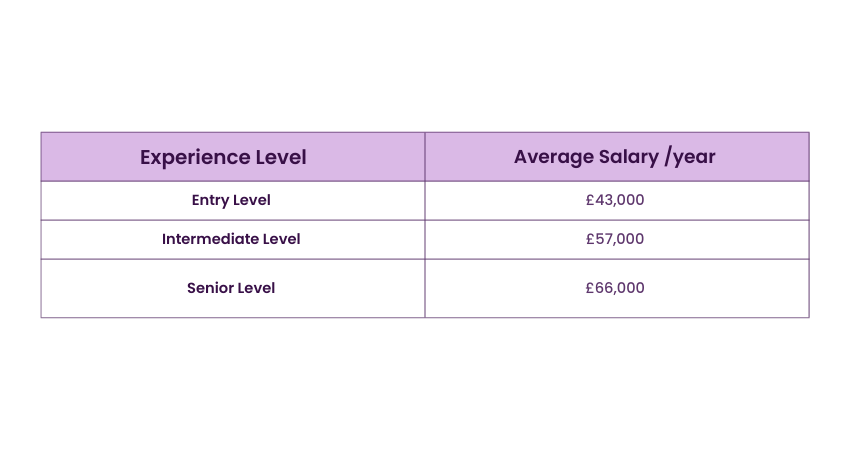
Salary of Product Owner According to Their Experience Level
It goes without saying that there is a difference in salaries as the experience of Product Owners increases. Let's look at this table:
Source: Glassdoor
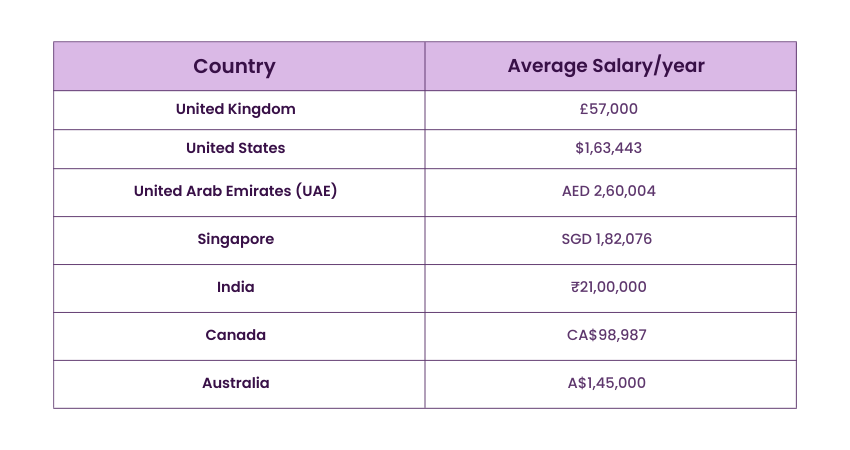
Product Owner Salary Across Countries
According to the experience level of Product Owners, the range of the salary changes. However, you should also note that these changes in the field of salaries also differ from country to country. Let’s have a look at the table:
Source: Glassdoor
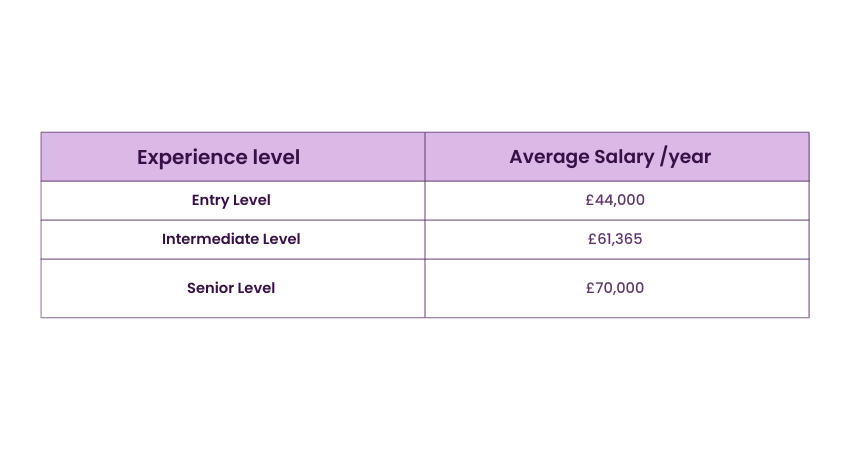
Salary of Product Manager According to Their Experience Level
Product Manager is equally vital as Product Owners. They are responsible for looking into the entire product cycle as well as conducting recent market research and trends to provide optimum service to the customers.
There are numerous opportunities where you can have a successful career as a Project Manager. Let’s look at the average salaries of Project Managers according to their experience level:
Source: Glassdoor
Product Manager Salary Across Countries
The salaries of Product Managers change not only according to their experience level but also according to their location. Let’s have a look:

Source: Glassdoor
Accelerate your career in Product Management with our Online Product Manager Course . Sign up now!
Skills required to become Product Owner and Product Manager
If you have these lucrative jobs as Product Owners or Product Managers, specific skill sets are needed. These are as follows:
Skills Required to Become a Product Owner
a) Deep Understanding of the Product: Product Owners must possess a profound knowledge of the product they are working on. This includes its features, functionalities, and, most importantly, the problems it solves for the users.
b) Customer-centric Mindset: Being able to empathise with customers is crucial. They need to understand user needs and pain points deeply. This empathy guides feature development and ensures the product remains user-friendly and valuable.
c) Effective Communication: Clear communication is essential. Product Owners need to articulate ideas, requirements, and priorities precisely to development teams, stakeholders, and other departments within the organisation. They must also be active listeners to comprehend feedback effectively.
d) Prioritisation Skills: They need to juggle multiple tasks and requirements. Prioritisation skills are vital to identify what features or jobs are most critical for the product and the business. This involves constant evaluation of market demands, customer needs, and company goals.
Confused about roles? Read our Product Owner vs Project Manager comparison!
e) Decision-making: Product Owners make crucial decisions daily. They need to be decisive, basing their choices on data, customer feedback, and business priorities. Decisiveness ensures the product development process remains agile and responsive.
f) Knowledge of Agile methodologies: Most Product Owners work within Agile frameworks. A thorough understanding of methodologies like Scrum or Kanban is essential. They need to manage backlogs, plan sprints, and make sure that the development team is aligned with the product vision.
g) Technical Proficiency: While not mandatory, having a basic understanding of the technical aspects of product development can be immensely beneficial. It enables a Technical Product Owner to communicate effectively with development teams, fostering collaboration and mutual understanding.
h) Adaptability: Products evolve, and so do market demands. Product Owners must be adaptable and ready to pivot strategies and features based on changing requirements or market dynamics.
Increase your Product Management journey with our Certified Professional in Agile Project Management (CPAPM) now!
Skills Required to Become a Product Manager
a) Market Research: Product Managers must possess a sharp understanding of market trends, customer behaviours, and competitor analysis. In addition to knowing how to become a product manager, this insight enables them to spot opportunities and threats, ultimately shaping the product strategy.
b) Strategic Thinking: They need to develop a strategic product strategy which aligns with the company's business objectives. They need to think long-term, considering how the product fits into the market and the organisation's plans.
c) Leadership Skills: They often need to lead cross-functional teams. Leadership qualities, such as inspiring team members, resolving conflicts, and fostering collaboration, are vital to ensure everyone works cohesively towards common goals.
d) Financial Acumen: They are responsible for product profitability. They also need to understand financial metrics, budgets, and cost structures are crucial to making informed decisions that positively impact the product’s bottom line.
e) Negotiation Skills: Product Managers need to negotiate with stakeholders, partners, and even team members. Effective negotiation ensures that partnerships are fruitful and resources are allocated optimally.
f) Data Analysis: Product Managers need to rely on data to make informed decisions. Proficiency in Product Management Tools along with data analysis techniques enables them to derive meaningful insights, track product performance, and identify areas for improvement.
g) Excellent Communication: They need to communicate the product vision, strategy, and updates clearly to stakeholders, teams, and customers. They also need to present complex data and ideas in a comprehensible manner.
h) Problem-solving: Challenges are inevitable in Product Management. Strong problem-solving skills aid in overcoming obstacles, whether they are related to technical issues, market competition, or internal organisational hurdles.
i)Risk Management: Product Managers need to assess risks associated with product decisions. They also need to anticipate potential problems and develop contingency plans, ensuring the product’s stability in the face of uncertainties.
Elevate your skills in leading Agile product teams only with our Agile Project Management Foundation & Practitioner (AgilePM®) today!
Conclusion
Both Product Owners and Product Managers play critical roles in the product development lifecycle. Possessing a blend of technical, interpersonal, and strategic skills can help you achieve these roles to navigate the complexities of the modern business landscape successfully. Understanding the difference between Product Owner vs Product Manager Salary will also help you to decide which career opportunity is best for you.
Level up your Scrum expertise with our Scrum Product Owner Training. Join now!
Frequently Asked Questions
Which Field is Best for Product Manager?

The best field for a Product Manager depends on individual interests, but tech, consumer goods, and finance are popular choices. Each offers unique challenges and focuses on User Experience, market trends, and innovation, making it ideal for Product Management skills.
Is Product Owner a Role or Title?
"Product Owner" generally refers to a role within Agile teams, specifically in Scrum methodology, where the Product Owner is accountable for determining the product vision, prioritising features, and maximising product value. However, it can also be a title in organisations formally recognising that formally recognise this position, especially in Agile environments.
What are the Other Resources and Offers Provided by The Knowledge Academy?
The Knowledge Academy takes global learning to new heights, offering over 3,000 online courses across 490+ locations in 190+ countries. This expansive reach ensures accessibility and convenience for learners worldwide.
Alongside our diverse Online Course Catalogue, encompassing 19 major categories, we go the extra mile by providing a plethora of free educational Online Resources like News updates, Blogs, videos, webinars, and interview questions. Tailoring learning experiences further, professionals can maximise value with customisable Course Bundles of TKA.
What is The Knowledge Pass, and How Does it Work?
The Knowledge Academy’s Knowledge Pass, a prepaid voucher, adds another layer of flexibility, allowing course bookings over a 12-month period. Join us on a journey where education knows no bounds.
What are the Related Courses and Blogs Provided by The Knowledge Academy?
The Knowledge Academy offers various Virtual Online Job Roles Training, including the Online Product Manager Course , Managing Remote Teams Course, and Line Management Training. These courses cater to different skill levels, providing comprehensive insights into What is a First Line Manager?
Our Business Skills Blogs cover a range of topics related to Frontline Management, offering valuable resources, best practices, and industry insights. Whether you are a beginner or looking to advance your Frontline Management skills, The Knowledge Academy's diverse courses and informative blogs have got you covered.

The Knowledge Academy


Global Training Provider
The Knowledge Academy is a world-leading provider of professional training courses, offering globally recognised qualifications across a wide range of subjects. With expert trainers, up-to-date course material, and flexible learning options, we aim to empower professionals and organisations to achieve their goals through continuous learning.

Upcoming Project Management Resources Batches & Dates
Date
 SAFe® Agile Product Management Training
SAFe® Agile Product Management Training
Mon 11th May 2026
SAFe® Agile Product Management Training
Mon 20th Jul 2026
SAFe® Agile Product Management Training
Mon 21st Sep 2026
SAFe® Agile Product Management Training
Mon 23rd Nov 2026

 If you wish to make any changes to your course, please


