


 Top Rated Course

We may not have the course you’re looking for. If you enquire or give us a call on +61 1-800-150644 and speak to our training experts, we may still be able to help with your training requirements.
Cyber Security Policy: Types, Importance, and Implementation
John Davies 24 April 2026A Cyber Security Policy outlines the rules, policies, and criteria for protecting data, handling access, and reacting to cyber threats across an organisation. It defines roles and responsibilities for employees and IT teams. The policy also ensures compliance with legal standards and promotes a culture of security awareness.
Home
 Resources
IT Security & Data Protection
Cyber Security Policy: Types, Importance, and Implementation
Resources
IT Security & Data Protection
Cyber Security Policy: Types, Importance, and Implementation
Resources
IT Security & Data Protection
Cyber Security Policy: Types, Importance, and Implementation

Training Outcomes Within Your Budget!
We ensure quality, budget-alignment, and timely delivery by our expert instructors.
Table of Contents

Do you know what's even more terrifying than the sheer number of cyber threats lurking in the digital landscape? The fact that they grow smarter with each crime. In today's digital battlefield, data is gold and hackers are the modern-day pirates. As Cybercrime grows smarter, so must your defences. This calls for a strong Cyber Security Policy to serve as your organisation's shield.
If you are looking for guidance on the same, look no further. This blog unlocks the essentials of crafting a powerful Cyber Security Policy while shedding light on the legal frameworks that govern our digital existence. So read on and take control of the ever-evolving digital frontier with confidence and ease.
Table of Contents
1) What is a Cyber Security Policy?
2) Why do I Need a Cyber Security Policy?
3) What Should Your Cyber Security Policy Cover?
4) Types of Cyber Security Policies
5) How to Create a Cyber Security Policy
6) Conclusion
What is a Cyber Security Policy?
A Cyber Security Policy is a collection of rules and measures that an organisation follows in order to safeguard its digital assets against cyber threats. They typically cover Access Control, Password Management, Network Security, Data Protection, Incident Response, etc. The Cyber Security Policy aids in ensuring that staff understand their responsibilities in maintaining system security. This could also include aiding in disaster recovery planning and overall Risk Management.

Why do I Need a Cyber Security Policy?
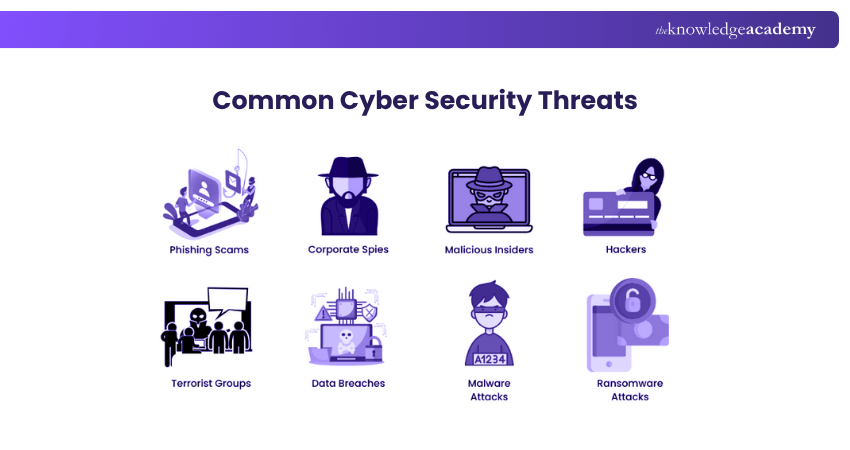
You need Cyber Security Policy because it safeguards your organisation from increasing digital risks such as data breaches, ransomware, and phishing attacks. It establishes explicit expectations for employee conduct and describes how sensitive information is to be treated.
Without an explicit policy in place, your business is more exposed to errors, security holes and regulatory non-compliance. Having a policy not only decreases your risk but also gives clients and other stakeholders peace of mind.
What Should Your Cyber Security Policy Cover?
1) Access Control: Define who can access systems, data and applications, and under what conditions. You must implement a role-based access approach and regularly review permissions to prevent unauthorised entry.
2) Password Management: Set rules for creating, storing and updating strong passwords regularly. You must encourage Multi-factor Authentication (MFA) to add an extra layer of security.
3) Data Protection: Outline how personal, financial and sensitive business data should be stored, shared, and encrypted. This means you must include data classification protocols to manage different levels of sensitivity.
4) Network Security: Include measures like firewalls, Antivirus Software, VPN usage, and secure Wi-Fi practices. You must continuously monitor networks to detect and block suspicious activity in real-time.
5) Device Usage: Set guidelines for using company devices and personal devices (BYOD) securely. The means encryption and remote wipe capability are required for all portable devices.
6) Email and Internet Use: Clarify acceptable use of email, browsing and downloading to reduce phishing and Malware risks. You must prohibit opening unknown attachments or clicking suspicious links without verification.
7) Incident Response: Provide a clear plan for reporting, managing, and recovering from security incidents or breaches. You must assign roles and responsibilities to ensure quick, coordinated responses.
8) Remote Working Protocols: Detail how your employees should access systems and protect data when working outside the office. You must mandate the use of secure VPNs and endpoint protection tools during remote sessions.
9) Training and Awareness: Encourage regular Cyber Security training to help your staff recognise and respond to threats. You must use simulated phishing tests and quizzes to reinforce learning outcomes.
10) Compliance and Legal Requirements: Ensure the set policies meet industry Cyber Security Standards and data protection laws like GDPR or ISO 27001. You must review and update policies periodically to reflect the changes happening in regulations and risk landscape.
Learn to lead, not lag, in security with our Certified Artificial Intelligence (AI) For Cyber Security Professionals Training - Join now!
Types of Cyber Security Policies
Different cyber security policies focus on specific areas of risk within an organisation. Each type supports a secure and consistent approach to managing digital threats.
1) IT Security Policy
An IT Security policy outlines how technology infrastructure must be protected from threats. It covers areas such as user access, software updates, and system monitoring. This policy ensures the organisation’s IT environment remains secure and well-managed.
2) Email Security Policy
This policy defines how employees should use email safely and responsibly. It helps prevent phishing attacks, data leaks, and the spread of malware. Rules often include attachment restrictions, link scanning, and spam reporting procedures.
3) BYOD Policy
The Bring Your Own Device (BYOD) policy sets rules for using personal devices at work. It outlines security requirements like password protection, approved apps, and remote wiping. This helps reduce risks while supporting flexible work practices.
How to Create a Cyber Security Policy
1) Assess Your Risks: Identify the key cyber threats your organisation faces based on its size, industry, and systems.
2) Define the Policy’s Scope: Decide which areas to cover, such as data protection, network access, remote working, and incident response.
3) Assign Roles and Responsibilities: Clarify who is responsible for enforcing the policy, handling breaches, and maintaining security protocols.
4) Establish Security Rules and Procedures: Set clear guidelines on passwords, software use, email handling, and access controls.
5) Include an Incident Response Plan: Outline the steps to follow in case of a security breach or cyber-attack, including communication and recovery.
6) Communicate the Policy to Staff: Ensure all employees understand the policy through training, accessible documents, and regular updates.
7) Review and Update Regularly: Revisit the policy periodically to keep up with new threats, technologies, and legal requirements.
The best defence starts with awareness. Arm your team with our comprehensive Cyber Security Courses - Sign up now!
Conclusion
Having a well-defined Cyber Security Policy is critical to protect your organisation in the digital environment of today. It establishes expectations, limits risk and encourages safer working practices. All of your team members must have a clear understanding of security, regardless of whether they are working from home or in an office. As threats change, your policy must change. Spending time today on any of these policies can prevent issues and costs for your business.
Do you want to improve your aptitude and skills to mitigate cyber-related risks? Then, register with the CCNA Cyber Security Operation Training now!
Frequently Asked Questions
Who Should Write Cyber Security Policies?

Cyber Security Policies should be written by IT Security experts, in collaboration with management, HR, and legal teams, to ensure they cover technical needs, compliance, and organisational goals.
What Should the Scope of Cyber Security Include?
The scope of a Cyber Security Policy should include data protection, access control, Network Security, device usage, incident response, and compliance with relevant legal and regulatory standards.
What are the Other Resources and Offers Provided by The Knowledge Academy?
The Knowledge Academy takes global learning to new heights, offering over 3,000 online courses across 490+ locations in 190+ countries. This expansive reach ensures accessibility and convenience for learners worldwide.
Alongside our diverse Online Course Catalogue, encompassing 19 major categories, we go the extra mile by providing a plethora of free educational Online Resources like Blogs, eBooks, Interview Questions and Videos. Tailoring learning experiences further, professionals can unlock greater value through a wide range of special discounts, seasonal deals, and Exclusive Offers.
What is The Knowledge Pass, and How Does it Work?
The Knowledge Academy’s Knowledge Pass, a prepaid voucher, adds another layer of flexibility, allowing course bookings over a 12-month period. Join us on a journey where education knows no bounds.
What are the Related Courses and Blogs Provided by The Knowledge Academy?
The Knowledge Academy offers various Cyber Security Training, including Certified Cyber Security Professional (CCS-PRO), Cyber Security Awareness Course, and Digital Forensics Training. These courses cater to different skill levels, providing comprehensive insights into Confidentiality.
Our IT Security & Data Protection Blogs cover a range of topics related to Cyber Security Policy, offering valuable resources, best practices, and industry insights. Whether you are a beginner or looking to advance your IT Security and Data Protection skills, The Knowledge Academy's diverse courses and informative blogs have got you covered.

John Davies


Cyber Security Governance & Assurance Specialist
John Davies is a cybersecurity expert specialising in governance, risk management, and compliance. With over 15 years in the field, he has led enterprise-wide security programmes across finance, healthcare and public sector organisations. His content provides practical guidance on building secure environments, managing risk and aligning with regulatory frameworks.

Upcoming IT Security & Data Protection Resources Batches & Dates
Date
 Certified Cyber Security Professional (CCS-PRO)
Certified Cyber Security Professional (CCS-PRO)
Fri 28th Aug 2026
Certified Cyber Security Professional (CCS-PRO)
Fri 25th Sep 2026

 If you wish to make any changes to your course, please


