


 Top Rated Course

We may not have the course you’re looking for. If you enquire or give us a call on +47 80010068 and speak to our training experts, we may still be able to help with your training requirements.
Event Management Process: A Complete Guide
James Smith 18 February 2026The Event Management Process involves defining goals, planning, budgeting, organising teams, and executing events systematically to ensure successful outcomes. It includes venue selection, vendor coordination, and Risk Management to handle unexpected issues. Successful Event Management helps achieve strategic outcomes.

Training Outcomes Within Your Budget!
We ensure quality, budget-alignment, and timely delivery by our expert instructors.
Table of Contents
Are you planning an event but don’t know where to start? Whether it is a corporate seminar, product launch, wedding, or festival, the success of any event depends on more than just a great concept. It requires a strategic approach.
You need a clear structure, careful budgeting, efficient coordination, and the flexibility to manage unexpected challenges. In this blog, you’ll learn how to confidently navigate every phase of the Event Management Process and deliver experiences that leave a lasting impression. Ready to plan stress-free? Read ahead!
Table of Contents
1) What is the Event Management Process?
2) Steps Involved in the Event Management Process
3) The Importance of a Defined Event Management Process
4) What are the Five P's of Event Planning?
5) What is the First Deliverable of the Event Management Process?
6) Conclusion
What is the Event Management Process?
The Event Management Process refers to the systematic planning, organising, and execution of events to meet specific goals and deliver memorable experiences. It typically involves setting objectives, creating a budget, selecting a venue, managing logistics, coordinating teams, promoting the event, and ensuring everything runs smoothly on the day.
This process ensures that every aspect of the event is aligned with its goals, delivering a seamless, memorable, and effective outcome for both organisers and participants. By following a structured approach, planners can save time, optimise resources, and create impactful events that achieve measurable success.
Steps Involved in the Event Management Process
Now, let’s check the steps involved in the Event Management Process in detail:

1) Communicating Effectively
Clear communication is a key factor for a successful event organisation. It goes beyond an informational exchange; it is the part where you try to get the emotions and intentions behind the information.
1) Internal Communication
Internal Communication in the organisation means all employees are on the same page with regard to the goals of the team. It relies on establishing boundaries, giving feedback, and building relationships where people feel safe to say what they think and discuss their problems.
a) Team Meetings: Scheduled meetings are not only formal administrative functions but also gateways for teams to synchronise their activities, find solutions and become one.
b) Project Management Tools: Utilising Project Management Software, one can streamline workflows, centralise documents, and track responsibilities and deadlines.
c) Feedback Loops: Being in an atmosphere of open feedback promotes a culture in which team members freely express their concerns and recommendations, thereby making the event planning process more flexible and reactive.
2) External Communication
External communication is about building relationships with everyone involved in the event. This category encompasses the attendees, sponsors, vendors, and other relevant parties. It’s essential to make messages meaningful for every category and determine the appropriate ways of communicating with them.
a) Social Media Engagement: Creating a Social Media plan that is on the same page with the event’s theme and objectives helps to build expectations and provides a sense of belonging among possible attendees.
b) Email Campaigns: Personalised Email Marketing offers you the opportunity to speak to your subscribers directly, which serves very well for both notifying them and reminding them to take action.
c) Public Relations: Media outreach through press releases and media kits will assist in increasing the broadcast of the event, as well as its reliability.
Gain the essential skills for Management with our Introduction to Management Training – Register today!
Strategic Planning
A strategic planning framework serves as a pillar for building an event. It is a step-by-step system where you imagine your targeted future and then give your goals or objectives a clear definition as well as a series of steps to success.
1) Defining Objectives
The primary step in the strategic planning is to develop the goals of the event. What is your purpose? Whether it is increasing brand recognition, boosting sales, or creating a community, establishing clear goals will be the backbone of your planning.
a) SMART Goals: Objectives should be Specific, Measurable, Achievable, Relevant, and Time-bound to achieve clarity and focus.
b) Stakeholder Alignment: Aligning everyone on the objectives to prevent miscommunication and conflicts in the future is important.
2) Road Mapping
Road mapping involves breaking down the objectives into actionable tasks and setting deadlines for each task. A detailed roadmap, supported by Event Planning Tools, will help keep the event planning on track and ensure that nothing is overlooked.
a) Task Delegation: Allotting tasks based on the strengths and skills of the team members makes them more efficient and satisfied in their work.
b) Milestone Celebrations: The celebration of the milestones not only monitors the progress but also assists the morale and determination of the participants.
Creative Design
The way an event is designed is what makes it stand out and be remembered. It is the means of creating distinctive ideas and experiences that people will be engaged with.
1) Theme Development
Establishing an event theme will provide your attendees with a consistent experience. The topic should be related to the event's aim and interesting for your target group. It might be reflected through the décor, floristry, branding, and the activities during the event.
a) Cultural Relevance: Cultural relevance is one of the key elements that may increase engagement.
b) Immersive Experiences: Immersing the attendants in the theme of the event may go a long way in helping them remember the event.
2) Branding and Marketing
Branding and marketing are the essential aspects which you must keep in mind when planning the promotion of your event. In this respect, the logo design, the promotion and advertising materials, and a marketing strategy are to be implemented that will be attractive to attendees and will elicit excitement.
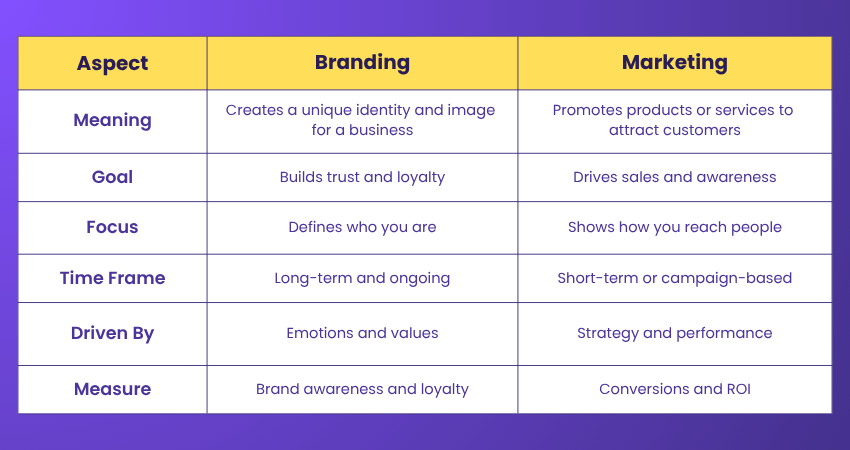
a) Consistent Branding: Having the same branding style in all materials leads to the creation of a strong and distinctive identity for the event.
b) Targeted Marketing: Knowing the age, location and taste of the Target Audience helps to create more powerful marketing tactics.
Financial Management
Handling finances is an essential task of Event Management. It requires planning, organising, controlling, and monitoring the financial resources to meet the event's goals.
1) Budgeting
Creating a budget is the first step to financial discipline. It should cover all possible incomings and outgoings with respect to the event. A detailed budget will make the event financially feasible and successful.
a) Revenue Forecasting: Comprehensive budgeting and Financial Management decisions can be based on accurate revenue forecasts.
b) Transparent Accounting: Transparent accounting practices build trust with partners and sponsors.
2) Cost control
Budget control encompasses the planning of the budget from the beginning to the end of the planning process. It also means getting in touch with the vendors, such as the host venues and sponsorship search, among others, which are creative ways to ensure the event always stays within the budget.
a) Negotiation Skills: Efficient deals with vendors can bring prices down but still maintain quality.
b) Financial Cushion: Providing for a contingency fund can act as a buffer for unexpected expenses.
Manage costs effectively and maximise value with our Costing and Pricing Training – Join now!
Managing Logistics
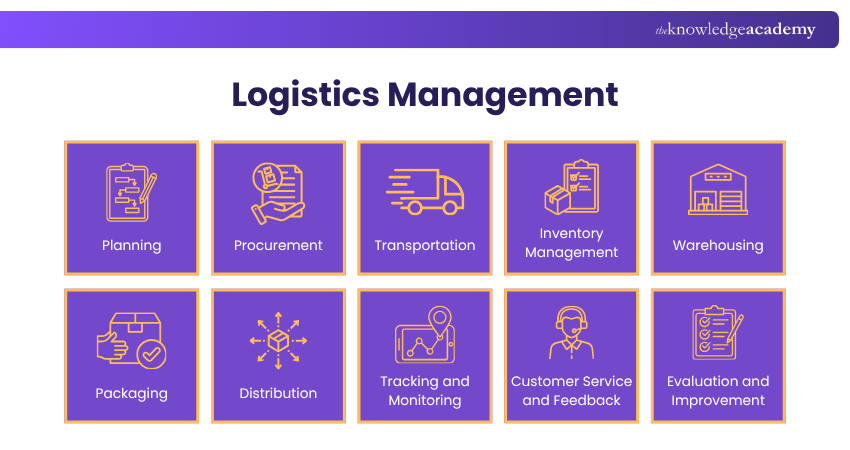
In simple terms, Logistics Management is all about the systematic and precise planning and management of the product and service flows that move from source to final destination in the supply chain, being customer-driven.
1) Venue and Vendor Coordination
Venue is the most critical component of a successful event. The venue has to meet the theme of the event, have easy access for all guests, and not overcrowd the people. Moreover, it cannot be overemphasised that the organisers communicate with the vendors for the services and products to be provided punctually and according to the standard of the occasion.
a) Site Inspections: Through proper site inspections, logistical problems can be avoided ahead of the event day.
b) Vendor Contracts: Specific and detailed vendor contracts can be used to set expectations and to minimise service failures.
2) Contingency Planning
No matter how well you plan, there may be some issues to really be sure of coming up unexpectedly. This is where contingency plans come in. These may involve alternatives for vendors, venues, or even extra funding.
a) Risk Assessment: Assessment of the risk level offers may provide solutions to emerging problems on time and make the contingency plan more well-directed.
b) Emergency Protocols: The development of emergency protocols guarantees that the group is ready to have a prompt response to any eventuality.
Elevate your ITIL expertise! Download the ITIL Event Management Process PDF now for a detailed guide to event management best practices.
Execute Your Event
Execution is where all the planning and preparation come to a finale. It is the final output of the planning and preparation conducted in all the processes of Event Management.
1) On-site Management
On-site Management is responsible for all aspects of the event, including registration, catering and entertainment aspects. Being ready for any obstacles that may come up and ensuring the event goes as planned is crucial.
a) Leadership Presence: The presence of a leader on the spot can give an impression of confidence and speediness to the staff.
b) Real-time Adjustments: Timely responses are the critical factor in anticipating and solving any current challenges.
2) Post-event Evaluation
Following the event, it is necessary to evaluate its success. This entails getting comments from the participants, perusing financial reports, and determining if the event has attained its goals. The knowledge gained from this evaluation can be used to improve the upcoming events.
a) Leadership Presence: A strong on-site leadership presence can instil confidence and determination in the team.
b) Real-time Adjustments: Real-time modifications are pretty important to solving crises on the spot.
7) Monitoring and Evaluation
Evaluating your event after execution is required for understanding its success and areas for improvement. This process helps refine future planning and ensures continuous improvement. This involves:
1) Collecting Feedback
Use surveys, interviews, or Social Media to gather feedback from attendees, clients, and vendors for a well-rounded perspective.
2) Analysing KPIs
By using Key Performance Indicators (KPIs), you can review metrics such as attendance, engagement, and Return on Investment (ROI) to measure performance against your goals.
3) Identifying Improvements
Highlight successes and note issues to improve logistics, content, or engagement next time.
4) Post-event Report
Summarise key findings and recommendations in a report to guide future events.
Gain practical skills in organisation with our Conference Management Course – Sign up soon!
The Importance of a Defined Event Management Process
The Event Management Process acts as a framework, leading planners from the initial step to the final execution. It keeps everyone aligned, ensuring that every decision supports the event’s goals. When properly followed, this process helps allocate resources such as time, budget, and staff efficiently, reducing waste and enhancing productivity.
It also helps organisers to spot issues early and address them proactively, avoiding last-minute crises. A well-defined Event Management Process increases the likelihood of delivering a smooth, high-quality event that meets stakeholder expectations and achieves measurable success.
What are the Five P's of Event Planning?
The Five P's of Event Planning represent a critical area of focus that ensures the event is purposeful, strategic, and successful. They are:
1) Product: The event itself, including its content, experience, and value for attendees.
2) Price: Budgeting and cost considerations, including ticket pricing, sponsorships, and resource allocation.
3) Place: The physical or virtual venue where the event is hosted.
4) Promotion: Marketing efforts used to attract, engage, and inform the target audience.
5) People: All stakeholders involved such as attendees, organisers, sponsors, vendors, and staff.
This framework helps planners stay organised, make informed decisions, and align every aspect of the event with its overarching goals.
What is the First Deliverable of the Event Management Process?
The first deliverable in the Event Management Process is the event planning. After talking with the client, the Event Manager creates a basic plan that explains the purpose of the event, who it's for, when and where it might happen, how much it could cost, and what the event might look like.
This plan helps everyone stay aligned and makes sure the event starts off in the right direction. It’s the first step toward turning the client’s ideas into a real event.
Conclusion
A well-structured Event Management Process is the backbone of any successful event. By following a defined process, you can stay organised, reduce stress, and confidently handle challenges along the way. In today’s fast-paced world, thoughtful planning and attention to detail make all the difference. This is because every successful event starts with a solid plan.
Take your leadership skills to the next level with our Management Courses – Explore now!
Frequently Asked Questions
What are the Five Cs of an Event?

The five C’s of an event are:
1) Concept
2) Cost
3) Canvassing
4) Customising
5) Carrying out.
What is the SWOT Analysis of an Event?
A SWOT analysis evaluates an event’s Strengths, Weaknesses, Opportunities, and Threats. It’s a strategic tool used to plan effectively and identify areas for improvement.
What are the Other Resources and Offers Provided by The Knowledge Academy?
The Knowledge Academy takes global learning to new heights, offering over 3,000+ online courses across 490+ locations in 190+ countries. This expansive reach ensures accessibility and convenience for learners worldwide.
Alongside our diverse Online Course Catalogue, encompassing 19 major categories, we go the extra mile by providing a plethora of free educational Online Resources like Blogs, eBooks, Interview Questions and Videos. Tailoring learning experiences further, professionals can unlock greater value through a wide range of special discounts, seasonal deals, and Exclusive Offers.
What is The Knowledge Pass, and How Does it Work?
The Knowledge Academy’s Knowledge Pass, a prepaid voucher, adds another layer of flexibility, allowing course bookings over a 12-month period. Join us on a journey where education knows no bounds.
What are the Related Courses and Blogs Provided by The Knowledge Academy?
The Knowledge Academy offers various Management Courses, including the Event Management Course, Introduction to Management Course and Costing and Pricing Training. These courses cater to different skill levels, providing comprehensive insights into How to Become an Event Manager.
Our Business Skills Blogs cover a range of topics related to Event Management, offering valuable resources, best practices, and industry insights. Whether you are a beginner or looking to advance your Management skills, The Knowledge Academy's diverse courses and informative blogs have got you covered.

James Smith


Digital Marketing Manager and Trainer
James Smith is a digital marketing professional with over a decade of experience in SEO, content strategy, paid media and analytics. He has supported both SMEs and global brands in transforming their digital presence. James’s writing and training are rooted in results-driven tactics and the latest marketing trends.
View Detail
Upcoming IT Service Management Resources Batches & Dates
Date
 Event Management Course
Event Management Course
Fri 7th Aug 2026
Event Management Course
Fri 30th Oct 2026

 If you wish to make any changes to your course, please


