


 Top Rated Course

We may not have the course you’re looking for. If you enquire or give us a call on +31 208081674 and speak to our training experts, we may still be able to help with your training requirements.
Top 10 HR Strategy Examples to Boost Organisational Performance
Amelia Williams 07 April 2026A HR strategy is a comprehensive plan for managing an organisation’s human assets to ensure that they align with the overarching business objectives. This blog explores the best HR Strategy Examples to elevate performance, workplace culture, employee wellbeing and more. Read on and build an inspired workforce.

Training Outcomes Within Your Budget!
We ensure quality, budget-alignment, and timely delivery by our expert instructors.
Table of Contents

The corporate world evolves at a dizzying pace, and one way to keep up is through robust HR strategies. These strategies are the ideal fuel to transform your workplace into a performance powerhouse. From innovative talent acquisition and promoting diversity and inclusion to effective onboarding and salary reviews, these tactics empower and align a workforce with the organisational vision.
If you're seeking such inspiration for your company, look no further than this blog, which assembles 10 proven HR Strategy Examples to turbocharge your workforce. So read on and turn your workplace into a hub of creativity and excellence.
Table of Contents
1) What is an HR Strategy?
2) Steps to Creating an HR strategy
3) Examples of Successful HR Strategies
a) Talent acquisition
b) Retaining Valuable Employees
c) Boosting Employee Engagement
d) Promoting Diversity and Inclusion
e) Developing Strong Leaders
f) Supporting Employee Wellbeing
g) Managing Employee Relations
h) Implementing Effective Onboarding
i) Planning for Succession
j) Conducting Annual Salary Reviews
4) Conclusion
What is an HR Strategy?
A human resources (HR) strategy refers to a comprehensive plan for effectively managing its human assets in alignment with the overall business objectives. The HR strategy framework outlines the goals, principles, and actions the HR department must undertake to attract, retain, and engage employees. It includes performance reviews, policies for hiring, employee development, and compensation.
An HR strategy comprises several vital characteristics, including:
1) Thorough analysis of the organisation and its external surroundings
2) Ability to allocate vital organisational resources such as personnel, finances, and time
3) Numbers-driven and data-driven insights
4) Subject to annual revisions
5) Incorporates insights from senior HR Management

Steps to Creating an HR strategy
The following seven steps will help you design the ideal HR strategy:

1) Consider Market Trends: Analyse the external market and the trends that are having a substantial impact on your industry.
2) Understand the Business Strategy: Have a firm grasp on the business strategy and gain clarity regarding the must-win battles for the business, main priorities, key value drivers and success criteria.
3) Define HR Strategy: Outline how the organisation will use human resources to handle business challenges and fulfil business goals to create a blueprint for establishing a competitive edge. This helps set priorities and form a business plan.
4) Ensure the HR Operating Model can Deliver the Strategy: Evaluate whether the current model can deliver the strategy and gauge whether it aligns with its focus areas.
5) Prioritise HR Investments: Determine the priorities for HR investments by assessing every HR project, understanding their primary focus, associated costs, and benefits, and then allocating resources judiciously. This step helps you identify the areas to allocate resources most effectively.
6) Establish the Right HR Capabilities: Identify and develop the skills and competencies necessary for HR to implement strategy, conduct skills assessments, and formulate recruitment and training plans. This will help HR address any critical gaps.
7) Measure the Impact of HR Products & Services: Build connections between strategic HR priorities, corporate strategy, and the key performance indicators (KPIs) relevant to HR and the workforce. You can put into practice an HR Scorecard to monitor HR’s value, influence, and expenditures.
Gain deeper insights into employee behaviour and workforce optimisation through our detailed HR Analytics Course – Sign up now!
Examples of Successful HR Strategies
Now that you’ve gone through the definition and steps of creating an HR strategy, it’s time to look through some examples for inspiration. The following examples of successful HR programmes will help your HR team bring your next big strategy to life.
1) Talent Acquisition
To solve the company's goal of hiring more talented people, your HR team can launch a targeted recruiting campaign to attract top talent from top institutions. They can attend campus job fairs, collaborate with educational institutions and leverage Social Media advertising to attract high-quality candidates. This helps reduce time-to-hire and increase the quality of incoming talent.
2) Retaining Valuable Employees
Let's say your business is struggling with retention, and employees are demanding more workplace flexibility. Your HR department must develop and run a hybrid working programme to catalyse employee autonomy by allowing them to work from home occasionally. The goal is to boost employee retention and reduce attrition rates.
3) Boosting Employee Engagement
To maintain high levels of retention and satisfaction, the HR team can initiate a programme of quarterly surveys by running short, anonymous questionnaires. These questionnaires ask employees about their experience and perceptions. The goal here is for HR to use the feedback to pinpoint areas of improvement and craft strategies for increased employee engagement.
4) Promoting Diversity and Inclusion
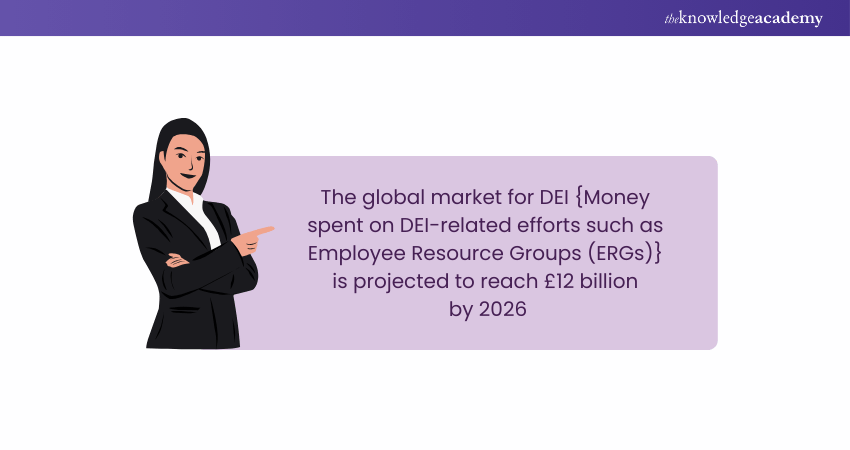
A company-wide goal is to leverage diversity and inclusion's positive effects on employee satisfaction, engagement, and performance. To accomplish this, HR can form affinity groups that meet regularly and offer input directly to management on how the company can improve on Diversity, Equity, Inclusion and Belonging (DEIB). Board diversity plays an important role in guiding this process by ensuring that diverse perspectives are present in the company's strategic decision-making.
5) Developing Strong Leaders
Leadership development requires you to identify critical performers within your team and equip them with valuable skills so they may progress to a full-on leadership role in the company. Some essential qualities that leaders must have, regardless of industry, include:
a) Delegation
b) Decision-making
c) Communication
d) Analytical thinking
A leadership development program must consider the employee’s strengths and serve as a structured training roadmap over a predetermined period.
6) Supporting Employee Wellbeing
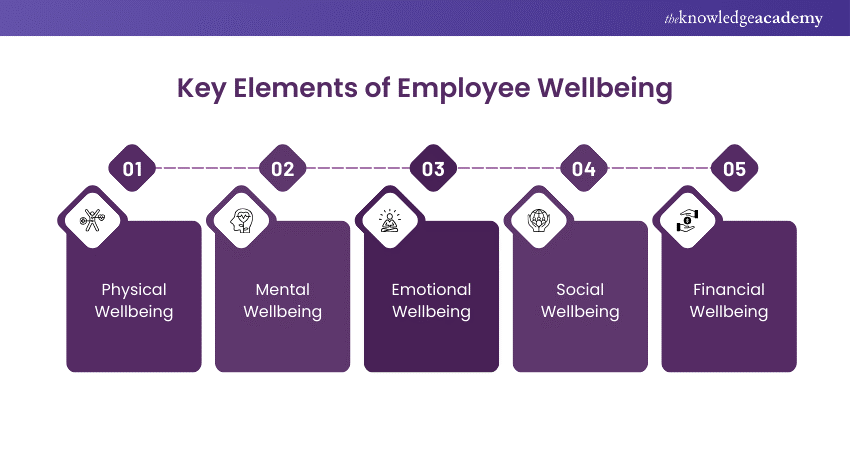
Let's say employee satisfaction is plummeting, and your team knows that employee wellbeing trending downward is the cause. To combat this trend, your HR team can launch a wellness programme that includes weekly yoga sessions, discounted gym memberships, and free healthy snacks in office. The goal here is to track participation rates and conduct surveys to measure its effect on employee wellbeing and productivity.
7) Managing Employee Relations
To make effective communication a tentpole strategy, HR can implement an Open Door Policy, which encourages employees to speak directly with managers or HR about any concerns, feedback, or suggestions. They can even create a whistleblowing channel for more sensitive issues. This policy aims to foster a culture of openness and trust and to pre-emptively address issues before they escalate.
8) Implementing Effective Onboarding
The onboarding process can reveal a lot about a company, so it’s essential to create structured plans, such as 30-day, 60-day, and 90-day objective checklists for new employees. A Learning Management System (LMS) can create a comprehensive onboarding experience for remote and in-office employees, offering greater possibilities for motivating and training new hires.
Additionally, combining an LMS with an HR onboarding software can elevate the onboarding process to a new level, ensuring a more efficient experience for new hires.
9) Planning for Succession
The executives' goal is to boost the strength of your leadership bench without investing in massive hiring budgets for new managers. HR can identify high-potential employees and put them in a leadership development programme that includes leadership training, mentorship, and cross-departmental projects. This process aims to have a talent pool of internal candidates ready for promotion, thus reducing the need for external hires.
Struggling to align your HR practices with business goals? Our comprehensive HR Strategy Training will help you out!
10) Conducting Annual Salary Reviews
Most companies hold salary reviews once a year. To retain the best talent, it's essential to determine whether everyone on the team is rewarded fairly based on their performance. Low pay is often cited as a big reason behind employees’ voluntary resignation. No amount of pleasant disposition will keep employees around if they are not being paid what they deserve. To address this, Employee Relations Interview Questions should be designed to assess how candidates perceive compensation and what motivates them beyond just salary, ensuring alignment with the company's pay structure and values.
Conclusion
In conclusion, a robust HR strategy drives organisational performance and fosters a thriving workplace culture. From talent acquisition to leadership development, the 10 HR strategy examples outlined in this blog can elevate your organisation to new heights through an inspired workforce and increased productivity and creativity.
Seeking knowledge of Human Resources to evaluate improved compensation? Sign up for our Human Resource Budgeting Course now!
Frequently Asked Questions
Is it Necessary for all Companies to Have an HR Strategy?

Companies risk performance loss, gear grinding, and other unnecessary hurdles without a proper HR strategy. The HR strategy is the golden key to a workplace where employees grow, get inspired and give their best.
How Often Should an HR Strategy be Reviewed and Updated?
A reasonable period between complete HR strategy reviews is two to three years. However, some provinces have legislation requiring specific policies to be reviewed annually.
What are the Other Resources and Offers Provided by The Knowledge Academy?
The Knowledge Academy takes global learning to new heights, offering over 3,000 online courses across 490+ locations in 190+ countries. This expansive reach ensures accessibility and convenience for learners worldwide.
Alongside our diverse Online Course Catalogue, encompassing 19 major categories, we go the extra mile by providing a plethora of free educational Online Resources like News updates, Blogs, videos, webinars, and interview questions. Tailoring learning experiences further, professionals can maximise value with customisable Course Bundles of TKA.
What is The Knowledge Pass, and How Does it Work?
The Knowledge Academy’s Knowledge Pass, a prepaid voucher, adds another layer of flexibility, allowing course bookings over a 12-month period. Join us on a journey where education knows no bounds.
What are the Related Courses and Blogs Provided by The Knowledge Academy?
The Knowledge Academy offers various HR Leadership Courses, including the HR Skills for Non-HR Managers Course and the HR Strategy Course. These courses cater to different skill levels, providing comprehensive insights into Human Resource Planning (HRP).
Our HR Blogs cover a range of topics related to Human Resources, offering valuable resources, best practices, and industry insights. Whether you are a beginner or looking to advance your HR skills, The Knowledge Academy's diverse courses and informative blogs have got you covered.

Amelia Williams


Senior Human Resources Consultant and Learning Specialist
Amelia Williams is a highly respected HR professional with over 12 years of experience in human capital management, talent development and workplace policy. She has worked across sectors including education, healthcare and corporate services, focusing on aligning people strategies with organisational goals. Amelia’s writing blends current HR trends with practical solutions for modern workplace challenges.

Upcoming HR Resources – Learn about Human Resources Batches & Dates
Date
 Certified HR Manager
Certified HR Manager
Thu 13th Aug 2026
Certified HR Manager
Thu 19th Nov 2026

 If you wish to make any changes to your course, please


