




Abuja is the capital city of Nigeria since 1991. It is one of the most populated city in the country with an estimated population of around 780,000 people living there. The unemployment rate in Nigeria increased between the first and second quarter of 2015. It went from 7.5 to 8.2 percent. Between 2006 and 2015 the unemployment rate averaged around 11.5 percent. The highest rate recorded was in 2011 when it stood at 23.9 percent. The lowest rate was 5.3 percent in 2006. Abuja is the home of the University of Abuja which was founded in 1988 that runs conventional and distance learning programs. The university has a number of faculties; Faculty of Education, Faculty of Engineering, Faculty of Law, Faculty of Science, Faculty of Social Sciences, Faculty of Management Sciences.
Fraud Analytics Training Course in Abuja
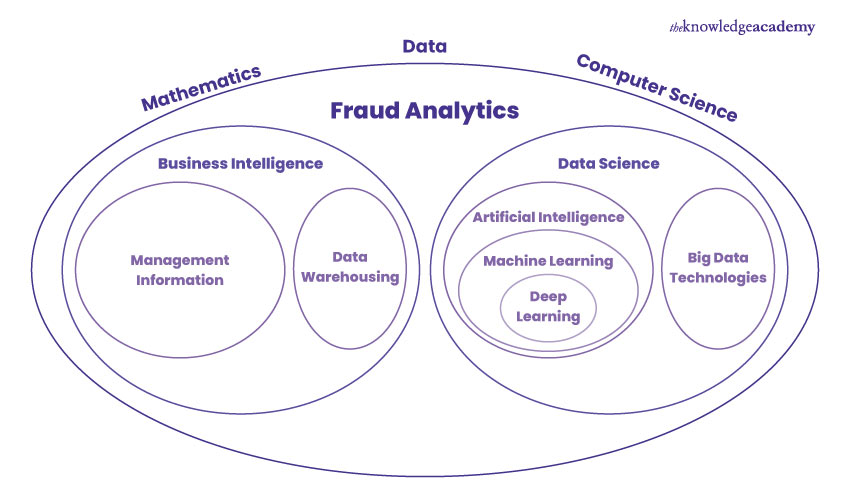
Fraud Analytics Training in Abuja helps professionals understand fraud analytics fundamentals, evolution, and analytical processes. Learners explore differentiating fraud analytics from predictive methods and examine modern tools and trends to detect, analyse, and mitigate fraudulent activities effectively.
- Learn to detect and prevent fraud using data-driven techniques and risk indicators
- This Fraud Analytics Course builds skills in data mining and anomaly detection
- Master tools like SQL, Python, and machine learning for fraud detection models


 If you miss out, enquire to get yourself on the waiting list for the next day!













 If you wish to make any changes to your course, please


