


 Top Rated Course


We may not have the course you’re looking for. If you enquire or give us a call on +852 2592 5349 and speak to our training experts, we may still be able to help with your training requirements.
Scalping vs Day Trading: Key Differences Explained Clearly
The Knowledge Academy 06 February 2026Scalping and Day Trading are distinct Intraday strategies. Scalping targets quick, small profits, while Day Trading holds positions longer for larger gains. Despite their differences, both styles in Scalping vs Day Trading need discipline, market knowledge, and quick decisions. Traders choose based on risk level, style, and time.

Training Outcomes Within Your Budget!
We ensure quality, budget-alignment, and timely delivery by our expert instructors.
Table of Contents
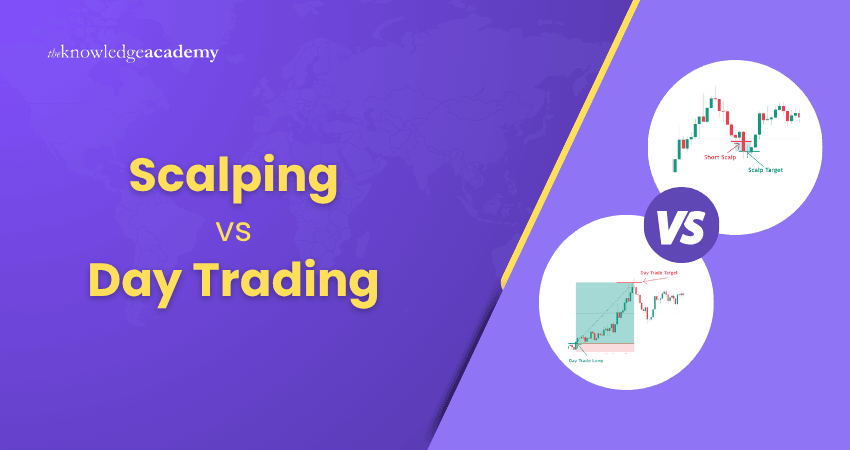
Ever watched traders who seem to move at lightning speed, making split-second trades, while others patiently wait for the perfect setup? That’s the dynamic world of Scalping vs Day Trading, one powered by quick instincts, the other by calm strategy and perfect timing.
In this blog, we’ll explore Scalping vs Day Trading to help you find what fits your style. We’ll cover what Scalping is, what Day Trading is, key differences, and which strategy may work best for you.
Table of Contents
1) What is Scalping?
2) What is Day Trading?
3) Key Differences Between Scalping and Day Trading
4) Best Platforms for Day Trading and Scalping Trading
5) Is Scalping Considered Day Trading?
6) What is Better Than Day Trading?
7) Conclusion
What is Scalping?
Scalping is a short-term trading strategy where traders aim to make small profits from quick price movements in financial markets. Instead of holding positions for long periods, scalpers enter and exit trades within minutes or even seconds, taking advantage of tiny price fluctuations. This approach relies on speed, precision, and high trading volumes to accumulate steady gains.
Successful scalping requires strong focus, fast decision-making, and reliable trading tools. Traders often use technical analysis, charts, and automated systems to identify entry and exit points. Although profits per trade are small, the strategy’s success depends on consistency, discipline, and effective risk management.

Benefits of Scalping
a) Quick Returns: Scalping allows traders to realise profits within very short time frames, avoiding the overnight risk associated with holding positions.
b) Low Market Exposure: Since trades are closed quickly, Scalpers are less exposed to market volatility and unexpected news events.
c) High Number of Trades: Frequent trading activity increases the probability of making profits, even if the individual gains per trade are small.
Risks of Scalping
a) High Transaction Costs: The sheer volume of trades can lead to significant transaction costs, which can eat into profits.
b) Stress and Intensity: Scalping requires constant attention and quick reactions, which can be mentally exhausting.
c) Need for Precision: Even slight delays or errors in execution can result in losses, making Scalping a demanding strategy.
What is Day Trading?
What is Day Trading? Day Trading entails the active buying and selling of securities within the same day, aiming to profit from short-term price fluctuations. Participants often borrow or leverage capital daily to acquire additional assets, significantly amplifying their risk. This advanced form of investing demands meticulous monitoring of market trends and news, is highly dynamic, and involves substantial speculation.
Professional Day Traders are usually highly experienced, possessing a profound understanding of markets, products, strategies, and associated risks. It is essential to comprehend the considerable risks involved, a key element when evaluating the Pros and Cons of Day Trading, before engaging in any form of Day Trading.
Benefits of Day Trading
a) Higher Profit Potential: Holding positions longer allows Day Traders to aim for larger price movement and thus potentially higher profits.
b) No Overnight Risk: Much like Scalping, Day Trading also eliminates the risk of holding a position overnight.
c) Flexible Strategy: Day Traders can adapt to all market conditions and be discretionary about how aggressive or conservative they wish to trade.
Risks of Day Trading
a) Market Volatility: Depending on the number of hours the positions are held, this could expose them to much larger losses due to changes in market direction.
b) Time-consuming: Day Trading can be extremely time-consuming, as it requires traders to manage and monitor their positions throughout the duration of the day.
c) Emotional Issues: Having a more significant time involves going through emotional decisions, especially in times of market uncertainty.
Learn to navigate the Forex market with confidence and precision. Join our Forex Trading Course today!
Key Differences Between Scalping and Day Trading
Scalping and Day Trading are both strategies used by traders to profit from intraday price movements. While they share the common goal of capitalising on market volatility within a single trading day, they differ in execution. Let’s explore some of the key differences between Scalping vs Day Trading:
1) Trade Duration
Scalping technique sees trades being kept for very short periods of time, often just a few seconds or minutes. The objective is to make small and fast profits from slight changes in the price.
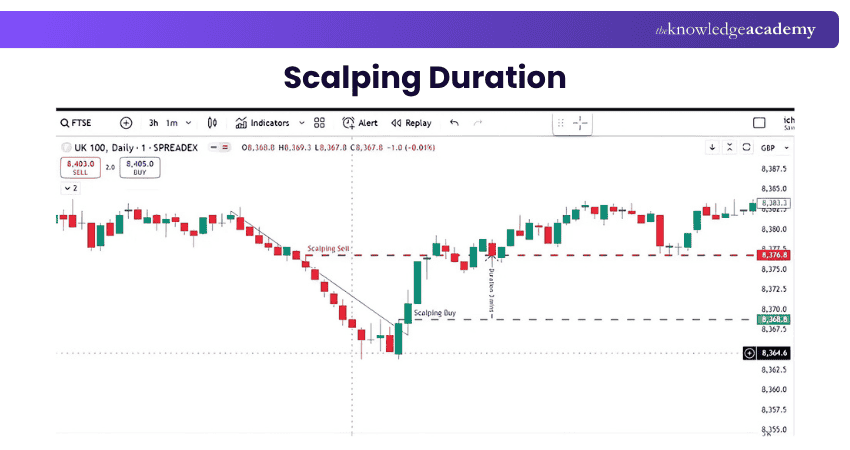
Day Trading, or a Day Trader, takes positions for a few minutes to several hours but still within a single trading day. Instead, Day Traders look to capitalise on bigger price moves by catching trends that develop during the trading session.
2) Trades Closed Before the Market Closed
Both strategies close all the trades before the market closes, thus avoiding overnight risk. Scalpers do so by entering a number of trades rapidly throughout the day in search of smaller-scale, short-lived opportunities.
Most Day Traders will hold their positions for most of the trading session and close at either a specific price target or when they feel the market signal indicates to do so, this way allowing them to grab larger swings in the markets.
3) Trading Frequency
Scalping is characterised by a high trading frequency, with Scalpers often making dozens or even hundreds of trades in a single day. Each trade aims for a small profit, and the cumulative effect can be significant if executed consistently.
In contrast, Day Traders execute fewer trades, focusing on capturing larger price movements. This lower frequency of trades means Day Traders need to be more selective about their trading opportunities.
4) Catalyst for Trades
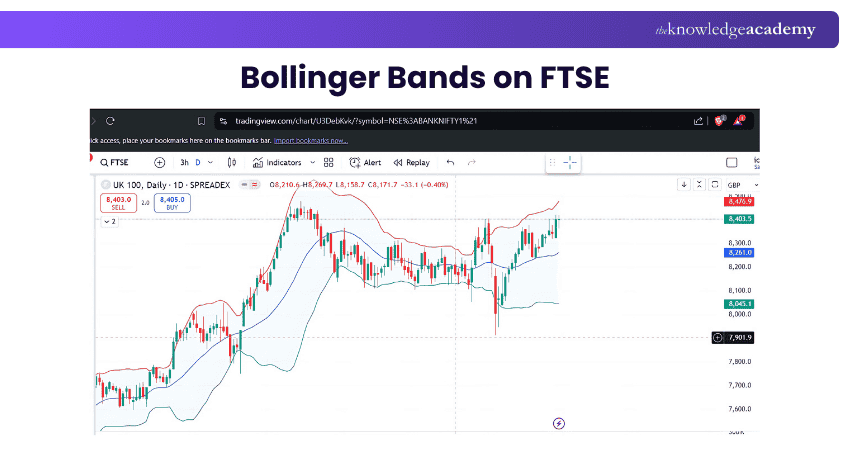
Scalping is driven primarily by Technical Analysis, relying on indicators like, moving averages, Bollinger Bands, and price action to make quick trading decisions. Scalpers typically ignore broader market trends and news events, focusing instead on short-term price movements.
Day Traders, however, consider both technical indicators and fundamental factors, such as economic data releases or major news events, which can influence market trends throughout the day.
Learn strategies for profitable cryptocurrency Trading with our Cryptocurrency Trading Training – Register today!
5) Personality
Scalping requires a trader who thrives under pressure, can make quick decisions, and is comfortable with the fast-paced nature of the strategy. It demands focus, discipline, and the ability to manage stress effectively.
Day Trading, on the other hand, is better suited for traders who have the patience to wait for the right opportunities and can manage their emotions over longer periods. Day Traders need to remain calm during market fluctuations and stick to their trading plan.
6) Entry and Exit Points
Scalpers rely on precision in their entry and exit points, often using tight stop-loss orders to protect their capital. The goal is to enter and exit trades quickly, capturing small profits before the market can move against them.
Day Traders, in contrast, have more flexibility in their entry and exit points. They may use wider stop-loss orders and target larger profit margins, allowing them to withstand minor market fluctuations while waiting for significant price movements.
7) Profit Aim
Scalpers aim for multiple small profits throughout the day, relying on the high frequency of trades to accumulate a significant total gain. Each trade contributes modestly to the overall profit.
Day Traders, however, aim for fewer but larger profits, holding positions longer to capture more substantial price movements. This approach can lead to higher individual trade profits but involves greater exposure to market risks.
8) Management Style
Scalping requires a hands-on management style, with constant market monitoring and quick adjustments to positions. The rapid pace of trading means that Scalpers must be ready to react instantly to market changes. Day Trading, while still active, allows for a more measured approach.
Day Traders can take time to analyse the market and make strategic decisions, adjusting their positions based on broader trends and evolving conditions.
9) Charts Used
Scalpers typically use short-term charts, such as 1-minute or 5-minute charts, to make rapid trading decisions. These charts provide a detailed view of immediate price movements, which is essential for identifying quick trading opportunities.
Day Traders, however, may use a range of charts, including 15-minute, hourly, and daily charts. These longer-term charts help Day Traders analyse market trends and patterns that develop over the course of the trading day.
Understand Market Analysis techniques to make informed trading decisions with our Stock Trading Course – Register today!
Best Platforms for Day Trading and Scalping Trading
Scalpers and Day Traders utilise the best platforms that offer rapid execution, real-time data, and reliable performance. Let's look at some of the best platforms.
a) ActivTrader: A simple and flexible platform that has access to more than 1,000 Contract for Differences (CFDs). This is a great tool suitable for both Scalping vs Day Trading strategies, especially for traders exploring multiple assets.
b) MetaTrader 4 (MT4): It is a highly trusted platform that has strong security features and detailed charting. Also, it supports Forex, commodities, and indices. It is ideal for clear intraday decision-making in Day Trading.
c) MetaTrader 5 (MT5): This is an upgrade of the MT4 version. It comes with faster performance efficiency, one-click trading, and real-time pricing. This platform is suitable for the speed required in Scalping vs Day Trading.
d) TradingView: This is an excellent platform for chart-driven traders. It offers multiple types of charts, adjustable time frames, and technical indicators for precise entries and exits. This is valuable for both Scalpers and Day Traders.
Is Scalping Considered Day Trading?
Yes, Scalping is a type of Day Trading. In both, traders buy and sell on the same day. The difference is in time and speed. Scalpers make many small trades to earn quick profits. Day Traders make fewer trades and hold them longer to catch bigger price moves. So, every Scalper is a Day Trader, but not every Day Trader is a Scalper.
What is Better Than Day Trading?
If Day Trading feels too fast or stressful, try slower trading styles. They give you more time to plan and worry less about quick price changes.
a) Swing Trading: Hold trades for a few days or weeks to catch bigger moves
b) Position Trading: Keep trades for months or years for long-term trends
c) Investing: Buy and hold for steady long-term growth
These are better options with fewer daily trades and less stress.
Conclusion
Every trader has a unique rhythm, some love quick action; others prefer patience and strategy. Knowing the difference between Scalping vs Day Trading helps you choose the approach that truly fits your style. Whether you chase fast profits or steady growth, success comes from practice, discipline, and learning what works best for you in the market.
Become familiar with all crucial aspects of investing and trading. Join our Investment and Trading Training now!
Frequently Asked Questions
Is Day Trading More Profitable Than Scalping?

The profitability of Day Trading versus Scalping depends on various factors, including market conditions, the trader's skill level, and risk management. While Scalping offers quick, small profits, Day Trading can yield larger gains per trade, but with increased risk and exposure.
Can You Be Rich in Scalping?
Scalping can be profitable, but becoming wealthy solely through Scalping is challenging due to the high transaction costs and the need for a consistent and disciplined approach. Success in Scalping often requires advanced trading tools and strategies.
How Many Trades Do Scalpers Do in a Day?
Scalpers can execute dozens or even hundreds of trades in a single day, depending on market conditions and opportunities. The exact number varies based on the trader's strategy and the instruments being traded.
What are the Other Resources and Offers Provided by The Knowledge Academy?
The Knowledge Academy takes global learning to new heights, offering over 3,000+ online courses across 490+ locations in 190+ countries. This expansive reach ensures accessibility and convenience for learners worldwide.
Alongside our diverse Online Course Catalogue, encompassing 19 major categories, we go the extra mile by providing a plethora of free educational Online Resources like Blogs, eBooks, Interview Questions and Videos. Tailoring learning experiences further, professionals can unlock greater value through a wide range of special discounts, seasonal deals, and Exclusive Offers.
What is The Knowledge Pass, and How Does it Work?
The Knowledge Academy’s Knowledge Pass, a prepaid voucher, adds another layer of flexibility, allowing course bookings over a 12-month period. Join us on a journey where education knows no bounds.
What are the Related Courses and Blogs Provided by The Knowledge Academy?
The Knowledge Academy offers various Investment and Trading Training, including Day Trading Course, Cryptocurrency Trading Training, Stock Trading Course and Forex Trading Course. These courses cater to different skill levels, providing comprehensive insights into Day Trading Platform.
Our Business Skills Blogs cover a range of topics related to Trading, offering valuable resources, best practices, and industry insights. Whether you are a beginner or looking to advance your Investment and Trading skills, The Knowledge Academy's diverse courses and informative blogs have got you covered.

The Knowledge Academy


Global Training Provider
The Knowledge Academy is a world-leading provider of professional training courses, offering globally recognised qualifications across a wide range of subjects. With expert trainers, up-to-date course material, and flexible learning options, we aim to empower professionals and organisations to achieve their goals through continuous learning.


 If you wish to make any changes to your course, please


