


 Top Rated Course

We may not have the course you’re looking for. If you enquire or give us a call on +358 942454206 and speak to our training experts, we may still be able to help with your training requirements.
How to Become a Mortgage Broker: A Comprehensive Guide
The Knowledge Academy 28 October 2025To Become a Mortgage Broker, individuals typically need to complete a recognised mortgage advice qualification, like the CeMAP, to start their career. This blog outlines the essential steps, including required qualifications, skills, and practical experience. Learn how the industry and build a successful mortgage brokerage career.

Training Outcomes Within Your Budget!
We ensure quality, budget-alignment, and timely delivery by our expert instructors.
Table of Contents
Related Courses

Dreaming of a career where you can make a real impact on people's financial futures? How to Become a Mortgage Broker is your gateway to a rewarding profession in finance and real estate. As a mortgage broker, you’ll help clients secure the best loan options, guiding them through life’s biggest financial decisions with expertise and care.
But becoming a mortgage broker isn’t just about paperwork it’s about mastering the mortgage market, building relationships, and developing key skills like negotiation and problem-solving. If you’re wondering How to Become a Mortgage Broker, this blog will show you the steps to turn your ambition into a successful and impactful career in the financial world.
Table of Contents
1) Who is a Mortgage Broker?
2) What Does a Mortgage Broker do?
3) Difference between a Mortgage Adviser and a Mortgage Broker?
4) What are the Requirements to Become a Mortgage Broker?
5) What Skills Does a Mortgage Broker Need to be Successful?
6) How Much Does a Mortgage Adviser Earn?
7) What are the Duties of a Mortgage Broker?
8) What is the Primary Role of a Broker?
9) Conclusion
Who is a Mortgage Broker?
Mortgage Broker is an individual who is responsible for connecting individuals or businesses who are seeking a Mortgage loan from potential Mortgage lenders. These Mortgage Brokers understand the financial statuses of the borrowers and help them find lenders who can offer them interest rates at an affordable price.
They often act as a liaison between the two parties, addressing concerns similar to those found in Mortgage Interview Questions. Their earnings come from the origination fee that is paid by both the parties once the agreement is finalised.
Mortgage Brokers do not use any kind of personal funds of their own. They are responsible for collecting the necessary documents from both the parties. These documents that Mortgage Advisers collect from borrowers to learn about the mortgage life cycle assist them understand the amount they require and if they qualify for the same . They then collect these documents and submit them to the lenders for processing the approval of the fund.

What Does a Mortgage Broker do?
As a Mortgage Broker you are responsible for the following things:
a) Since you will act as a liaison between the lender and the borrower, it will be your responsibility to connect the right borrower to the right lender, so that there is no unnecessary loss of time.
b) You will have to be responsible for the contracts that are drafted between the parties. You need to have good amount of information regarding the methods of repayments, the terms, administrative costs and other expenditures that are required to complete the contract between the borrower and the lender.
c) As a Mortgage Broker your main aim is to understand difference between mortgage vs loan the borrower’s financial portfolio. The amount of capital they need, the interest rates that they can pay, their financial goals and other Mortgage needs.
d) As a Broker, you need to make sure that your negotiation skills are good. The borrower will not negotiate with the Mortgage amount they require or about the interest rates. All the terms of the contract, the Mortgage amount, and fees will be negotiated by you.
e) You need to take care of all legal regulations and contracts at the time of drafting the contract.
f) After both the parties have agreed to the contract, you need to take care that the closing process takes place smoothly without any delay or discrepancies.
g) You are responsible for maintaining relations between other Mortgage borrowers and lenders.
Difference between a Mortgage Adviser and a Mortgage Broker?
In the United Kingdom, the term Mortgage Broker and Adviser is used interchangeably. Both Mortgage Adviser/Broker are responsible for connecting the right Mortgage borrower with the correct lender. You, as a Mortgage Adviser, can help people or businesses get the right amount that they want to borrow by checking their eligibility. You can also help them by asking the interest rates that they are willing to pay and then bridge the gap by finding the right lender.
A Mortgage Adviser is important if anybody wants a property loan for the first time. Understanding the various schemes in the lending and borrowing business is important as it will help the borrower to improve their financial circumstances. With the financial advises from the Mortgage Advisers, it is also possible for Mortgage borrowers, to get a loan based on principle. This means that the Mortgage Adviser will let the lender know that the borrower can be allowed to get the Mortgage.
What are the Requirements to Become a Mortgage Broker?
If you want to become a Mortgage Broker, you’ll have to understand the following pre-requisites:
Research the Mortgage Industry
To excel as a Mortgage Broker, it's essential to research the industry thoroughly. Start by understanding the different types of mortgage products available in the UK, such as Fixed-rate, Adjustable-rate, and Buy-to-let Mortgages. Familiarise yourself with the advantages, disadvantages, and eligibility criteria for each product. Additionally, stay updated on interest rate trends, as economic factors and monetary policies can significantly impact rates. This knowledge will enable you to offer well-informed advice to your clients.
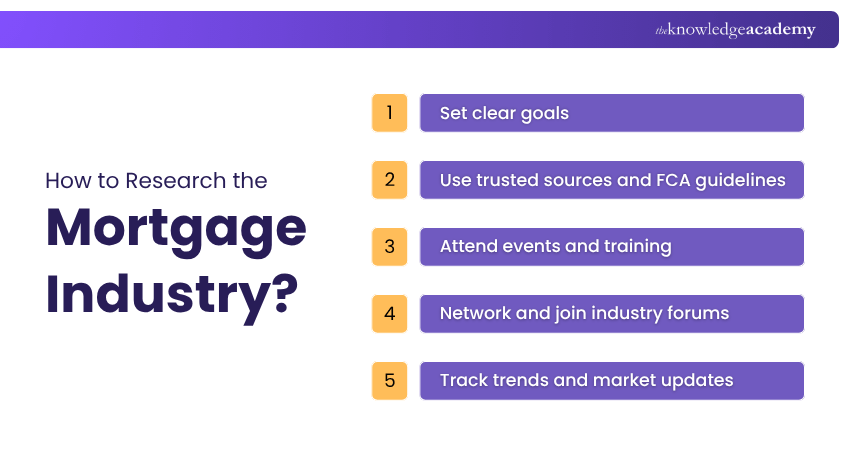
It is also crucial to be aware of the regulations that govern the mortgage industry. Familiarise yourself with guidelines from the Financial Conduct Authority (FCA) to ensure compliance. To deepen your understanding, read industry publications, attend seminars and conferences, and connect with experienced professionals. Engaging in online communities and forums will help you stay up to date with industry shifts and gain valuable insights from seasoned experts.
Learn advanced risk assessment and management techniques with our Financial Risk Management Certification Training – Register now!
Develop Strong Communication and Sales Skills
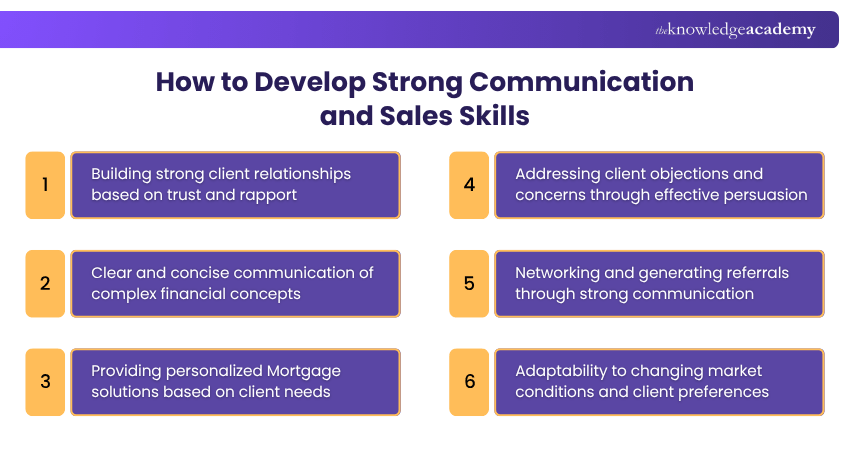
Effective communication and sales skills are essential for success as a Mortgage Broker. Building strong relationships with clients, understanding their needs, and effectively conveying complex financial information are key aspects of the role to become a Mortgage Broker Here are some strategies to develop and enhance your communication and sales skills:
Active Listening
Engage in Active Listening when communicating with clients. Focus on their concerns, goals, and preferences. This approach will help you better understand their needs and allow you to offer personalised advice and solutions.
Clear and Concise Communication
Cultivate the skill to explain complex financial concepts in straightforward, clear language. Steer clear of jargon or technical terms that could confuse clients. Ensure you clearly communicate the benefits and risks of various mortgage options, helping clients fully understand the information you provide.
Empathy and Emotional Intelligence
Develop empathy and emotional intelligence to connect with clients on a deeper level. Recognise their emotions, concerns, and priorities, and respond with understanding. By demonstrating empathy, you can build trust and foster a strong rapport, encouraging clients to feel more comfortable sharing their financial details and concerns.
Persuasive Communication
As a Mortgage Broker, it is important to hone persuasive communication skills to help clients make informed decisions. Clearly present the benefits of different mortgage options, emphasising how their features align with the client’s needs and goals. Be prepared to address any objections or concerns, ensuring a confident and well-informed choice.
Negotiation Skills
Negotiation is key in the Mortgage Adviser role. Strengthen your negotiation skills to secure the best terms for your clients. Understand the priorities of both clients and lenders, aiming for mutually beneficial solutions. Strong negotiation can result in better interest rates, loan terms, and improved outcomes for your clients.
Continuous Sales Training
Participate in sales training to improve skills like objection handling and relationship building. Continuously refining these skills will help you grow a strong client base and run a successful mortgage brokering business. Understanding various mortgage options, such as Reverse Mortgages, will also help meet diverse client needs.
Develop a Professional and Trustworthy Image
Present yourself professionally and maintain a trustworthy image. Dress appropriately, uphold a professional demeanour, and demonstrate honesty and integrity in every interaction. Clients are more likely to trust and work with mortgage brokers who project professionalism and reliability.
Obtain the Necessary Qualifications
While there are no specific educational requirements to become a Mortgage Broker in the UK, obtaining relevant qualifications can significantly enhance your knowledge and credibility in the field. It is advisable to pursue certifications that demonstrate your competence and commitment to professional excellence.
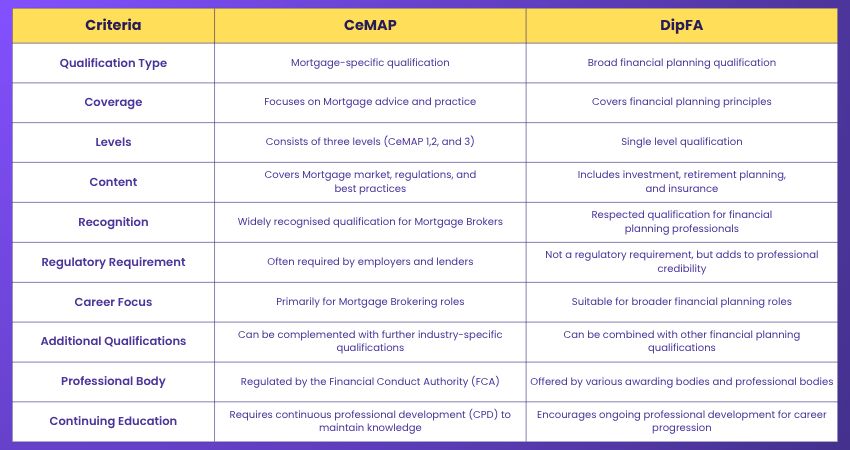
One of the most recognised qualifications for Mortgage Brokers in the UK is the Certificate in Mortgage Advice and Practice (CeMAP). This certification is widely respected and provides comprehensive knowledge of the Mortgage market, regulations, and best practices. CeMAP consists of three levels, each covering different aspect of mortgage advice and practice. learn some cemap exam tips for Completing this qualification you with the necessary expertise to navigate the complexities of the Mortgage industry and provide expert guidance to your clients.
In addition to CeMAP, consider other professional qualifications that can further enhance your skills and marketability. For example, the Diploma for Financial Advisers (DipFA) provides a broader understanding of financial planning principles, including Mortgage advice, investment, and retirement planning. Such qualifications demonstrate your commitment to professional development and enable you to offer holistic financial advice to clients.
Gain Practical Experience
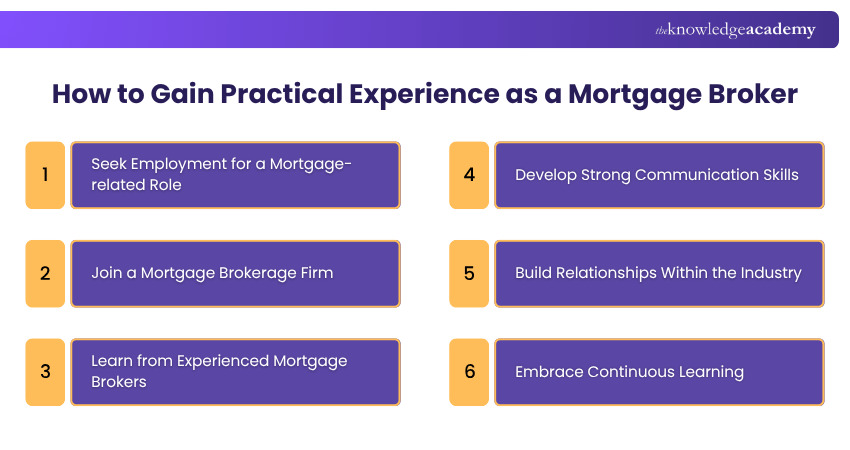
While qualifications are important for becoming a Mortgage Broker, gaining hands-on experience in the industry is just as valuable. Practical experience helps you understand the daily works, challenges and details of the job. By seeking out opportunities to learn from experts in the field, you can improve your skills and become a Mortgage Broker who can serve clients well. Here are some steps to help you gain practical experience:
Seek Employment for a Mortgage-related Role
Consider getting practical experience by working in a mortgage field, such as a loan processor, mortgage assistant or junior Mortgage Broker. These jobs give valuable ideas into the industry's inner jobs, help you understand loan applications and allow you to observe interactions between brokers, lenders and customers.
Join a Mortgage Brokerage Firm
Working at a Mortgage Brokerage firm gives ideas into the operations of a successful business. You'll get experience to different customers, lenders and loan. While observing experienced brokers communicate with clients and negotiate terms. This practical experience will help you develop important skills and make a strong foundation in the mortgage industry.
Learn from Experienced Mortgage Brokers
Searching opportunities to shadow or assist experienced Mortgage Brokers. Observing their work will give ideas into their strategies, customer interactions and problem-solving techniques. Learning from professionals will help you get the nuances of the profession and get valuable tips that aren't found in textbooks.
Develop Strong Communication Skills
Strong communication is essential for a Mortgage Broker's success. Practice for listening, ask questions and make clear complex financial concepts. Advancing interpersonal skills will help you create trust with customers and communicate effectively with brokers.
Build Relationships Within the Industry
Networking is important in the mortgage field. Attend industry programmes, join professional associations. Connect with real estate agents, lenders and other professionals. Creating a strong network will give referral opportunities and help you stay aware about market trends and industry developments.
Embrace Continuous Learning
The Mortgage Industry is constantly developing with new products, regulations and market conditions. Stay informed by following industry news, attending seminars and investing in professional development trainings. Continuous learning will keep you competitive and enable you to give the best advice and service to your customers.
Understand credit, debt, and financial planning strategies. Join our Personal Finance Course – Today!
Establish a Professional Network
Building a strong professional network is crucial to Become a Mortgage Broker and achieve success in the finance and real estate industry. A robust network can provide valuable connections, referral opportunities, and industry insights. Here are key steps to help you establish a professional network:

Attend Industry Events and Conferences
Attend Mortgage Industry events, conferences and seminars to connect with professionals from various sectors, including real estate agents, lenders, insurers, and fellow mortgage brokers. Engage in conversations, exchange contact information, and follow up to nurture these valuable connections.
Join Professional Associations
Join professional associations like the Association of Mortgage Intermediaries (AMI) and the National Association of Commercial Finance Brokers (NACFB). These associations offer networking events, educational resources, and industry insights. Active involvement helps you connect with industry leaders and stay informed about key developments.
Leverage Social Media
Use social media platforms like LinkedIn and Twitter to grow your professional network. Connect with colleagues, mentors and industry experts, engage in discussions, share insights and contribute to online communities. These platforms offer a space to showcase your expertise and stay updated on industry news and trends.
Collaborate with Real Estate Agents and Lenders
Build strong relationships with real estate agents and lenders, as they often refer clients to mortgage brokers. Attend real estate events, meet local agents and showcase your expertise and commitment to excellent service. Keep in regular contact with lenders to stay updated on their loan products, rates, and any policy changes.
Offer Value and be a Resource
Position yourself as a valuable resource by sharing industry updates, insights and educational content with your network. Offer helpful advice, answer questions and provide support when needed. By being reliable and knowledgeable, you'll strengthen professional relationships and build credibility within the industry.
Maintain Regular Contact
Networking is an ongoing process that requires consistent effort. Regularly reach out to your contacts through emails, phone calls or in-person meetings to stay connected. Remember, networking is a two-way street, so help, when possible, to strengthen and maintain valuable relationships
Obtain necessary licenses and registrations
To operate legally as a Mortgage Broker in the United Kingdom, it is essential to obtain the necessary licenses and registrations.
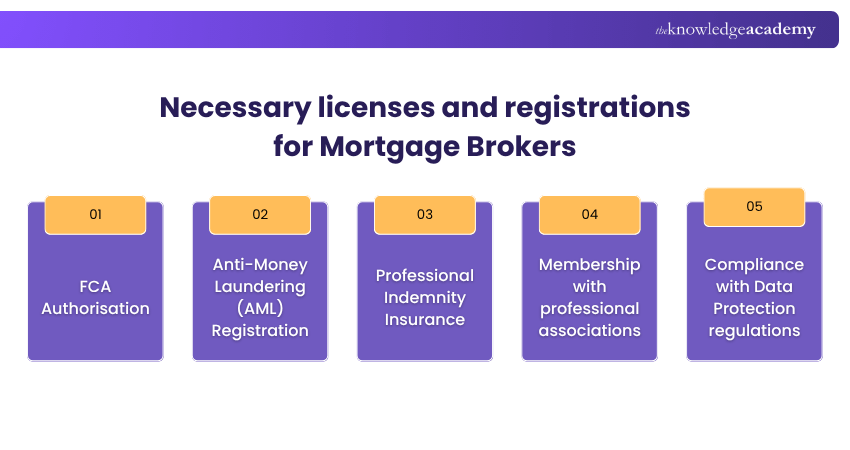
Compliance with regulatory requirements ensures that you meet the standards set by the Financial Conduct Authority (FCA) and instils confidence in your clients as you become a Mortgage Broker. Here are the key steps to obtain the necessary licenses and registrations:
Understand FCA Regulations
Familiarise yourself with the regulations and guidelines set by the FCA for Mortgage Brokers. The FCA oversees the Mortgage industry and ensures fair practices, consumer protection, and market integrity. Stay updated with the FCA's rules, codes of conduct, and any changes or updates that may impact your role as a Mortgage Broker.
Apply for FCA Authorisation
Before working as a mortgage broker, you must apply for FCA authorisation. This involves completing an application form with details about your business, including structure, operations and compliance procedures. The FCA will assess your application, perform background checks, and evaluate your suitability to operate in the industry.
Meet FCA's Threshold Conditions
The FCA requires certain threshold conditions for authorisation, including adequate resources, effective risk management and demonstrated competence. Ensure you have the necessary systems, processes, and qualifications to meet these requirements.
Financial Protection Arrangements
As a Mortgage Broker, you may need to consider financial protection arrangements, such as obtaining professional indemnity insurance. This insurance protects you and your clients in the event of errors, omissions, or negligence in your advice or services. Ensure that you meet the FCA's requirements regarding financial protection arrangements.
Register with Anti-money Laundering Authorities
Mortgage brokers must register with the relevant anti-money laundering authorities to comply with regulations and prevent illicit activities, such as money laundering and terrorism financing. Familiarise yourself with the registration process and requirements, which may differ depending on the specific authorities.
Maintain Compliance and Regulatory Updates
After obtaining the necessary licenses and registrations, it's essential to maintain compliance with regulatory requirements. Stay updated on regulatory changes, attend relevant training or seminars, and implement strong compliance procedures within your business. Regularly review and update your practices to ensure continued adherence to FCA guidelines.
Set up your Mortgage Brokerage
Once you have gained the necessary qualifications and experience to become a Mortgage Broker, you may consider setting up your own Mortgage Brokerage. Starting your own business allows you to have greater control over your operations and the opportunity to build a brand that reflects your expertise and values. Here are the key steps to set up your Mortgage Brokerage:
Business Plan
Start by creating a detailed business plan for your mortgage brokerage. Define your target market, identify your Unique Selling Proposition (USP) and outline marketing and growth strategies. Include financial projections, such as startup costs, ongoing expenses, and revenue targets. A clear business plan will provide a roadmap for your brokerage's success.
Choose a Business Structure
Decide on the legal structure for your Mortgage Brokerage. Common options include sole proprietorship, partnership, or Private Limited Company (Pvt. Ltd.). Consult with a legal professional or accountant to determine the most suitable structure for your business, considering factors such as liability, taxation, and future growth plans.
Learn to prepare and analyse financial statements with our Financial Accounting Course – Register now!
Obtain Necessary Licenses and Registrations
Ensure that you have obtained all the required licenses and registrations to operate your Mortgage Brokerage legally. This includes maintaining your FCA authorisation and any other regulatory compliance obligations. Stay updated with the FCA's guidelines and regulations to ensure ongoing compliance with their requirements.
Secure Professional Indemnity Insurance
Protect your Mortgage Brokerage and clients by obtaining professional indemnity insurance. This insurance provides coverage in the event of errors, omissions, or negligence in your services. Consult with an insurance provider specialising in professional indemnity insurance to determine the appropriate coverage for your brokerage.
Set up Operations and Infrastructure
Set up the infrastructure for your mortgage brokerage by securing office space, acquiring equipment, and implementing systems for client management and document storage. Consider investing in CRM software to streamline operations and enhance client service.
Develop Marketing and Branding
Develop a strong brand identity for your Mortgage Brokerage. Create a professional logo, design a user-friendly website, and develop marketing materials such as brochures and business cards. Establish an online presence through social media platforms and create a content strategy to showcase your expertise and attract potential clients.
Build a Referral Network
Build partnerships and referral networks within real estate and finance sectors. Connect with agents, solicitors, accountants and other professionals who can refer clients to your brokerage. Strengthen these relationships by offering excellent service and reciprocal referrals, while understanding the difference between a real estate agent and a broker.
Compliance and Risk Management
Implement robust compliance and Risk Management procedures within your brokerage. Stay updated with regulatory changes, ensure client data privacy and security, and maintain accurate and thorough records. Regularly review and enhance your compliance practices to mitigate risks and protect your clients and your business.
Continuously educate yourself
In the ever-evolving Mortgage industry, continuous education is essential to stay abreast of industry trends, changes in regulations, and emerging best practices to become a Mortgage Broker. Investing in your ongoing education and professional development can enhance your knowledge, skills, and marketability as a Mortgage Broker. Here are some strategies that’ll help you in continuously educating yourself:
Stay Informed
Keep yourself updated with industry news and developments. Read industry publications, follow reputable websites, and subscribe to newsletters or blogs focused on the Mortgage industry. Stay informed about changes in regulations, market trends, interest rates, and economic factors that impact the Mortgage market.
Attend Seminars and Workshops
Attend seminars, workshops, and conferences focused on the mortgage industry. These events offer valuable insights from experts, introduce new products and services and provide networking opportunities with other professionals. Look for events organised by professional associations, industry groups, and trusted training providers.
Pursue Continuing Professional Development (CPD)
Engage in Continuing Professional Development (CPD) programs specific to the mortgage industry. These offer specialised training, workshops, and courses to enhance your skills. Choose CPD opportunities that align with your interests, such as mortgage certifications or advanced training in areas like risk management or financial planning.
Join Industry Associations
Join professional associations like the Association of Mortgage Intermediaries (AMI) or the National Association of Commercial Finance Brokers (NACFB). These organisations offer educational resources, webinars, and networking events that can help expand your knowledge and keep you connected with industry peers.
Network and Collaborate
Join discussions and networking opportunities with mortgage brokers, lenders, and industry professionals on forums and LinkedIn groups. Collaborate with real estate agents and financial advisers to gain diverse perspectives and expand your knowledge.
Embrace Technology and Automation
Stay updated with technology advancements in the Mortgage industry. Explore digital tools, Mortgage software, and automation solutions that can streamline your processes and improve efficiency. Invest in technology that enables you to better serve your clients and stay competitive in the market.
Evaluate and Reflect
Regularly assess your performance and gather client feedback to identify areas for improvement. Reflect on your successes and challenges to pinpoint where further education or skill development is needed. Seek input from clients, mentors and industry peers to gain valuable insights and uncover growth opportunities.
Acquire skills for strategic financial planning with our Financial Management Course – Join now!
Provide Exceptional Customer Service
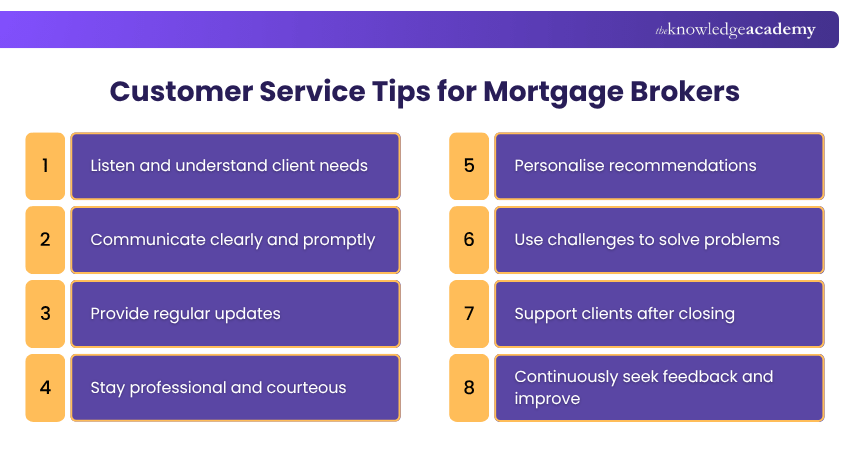
Exceptional customer service is the cornerstone of a successful Mortgage Brokerage. By prioritising the needs and satisfaction of your clients as you Become a Mortgage Adviser, you can build trust, foster long-term relationships, and differentiate yourself from competitors. Here are key strategies to provide exceptional customer service:
Personalised Approach
Treat each client as an individual with unique needs and circumstances. Take the time to understand their goals, preferences, and financial situation. Tailor your advice and recommendations to their specific requirements, providing personalised solutions that align with their objectives.
Clear and Transparent Communication
Maintain clear and transparent communication with clients throughout the mortgage process. Explain each step, timeline and potential challenges. Keep clients updated, respond quickly to queries and ensure they understand the terms and conditions of their mortgage agreements without using jargon.
Active Engagement and Proactive Support
Stay actively engaged with your clients, from the initial consultation to the completion of their Mortgage. Be available to answer questions, provide guidance, and offer support at every stage of the process. Proactively anticipate their needs, offer timely advice, and address any concerns or obstacles promptly.
Manage Expectations
Set realistic expectations with your clients regarding timelines, loan options, and potential challenges. Manage their expectations regarding interest rates, market conditions, and the loan approval process. By providing transparent information and managing expectations, you can foster trust and reduce potential frustrations.
Prompt Follow-up and Aftercare
Demonstrate your commitment to client satisfaction by promptly following up after completing a transaction. Ensure that clients are settled in their new homes and address any post-closing concerns they may have. Stay in touch periodically to provide ongoing support and remind them of your availability for future Mortgage needs.
Go the Extra Mile
Surpass client expectations by offering extra resources or educational materials to help them make informed decisions. Recommend trusted professionals, like solicitors or home inspectors, to assist in their home-buying journey. Small gestures and attention to detail can greatly enhance client satisfaction.
Exceed client expectations by going above and beyond. Offer additional resources or educational materials that can help them make informed decisions. Provide recommendations for trusted professionals, such as solicitors or home inspectors, to support their home-buying process. Small gestures and attention to detail can make a significant impact on client satisfaction.
Seek Feedback and Continuous Improvement
Regularly seek feedback from your clients to assess their satisfaction levels and identify areas for improvement. Actively listen to their suggestions and concerns and use this feedback to enhance your services and processes. Continuously strive to improve the customer experience and adapt to evolving client needs.
What Skills Does a Mortgage Broker Need to be Successful?
To succeed, a mortgage broker should have:
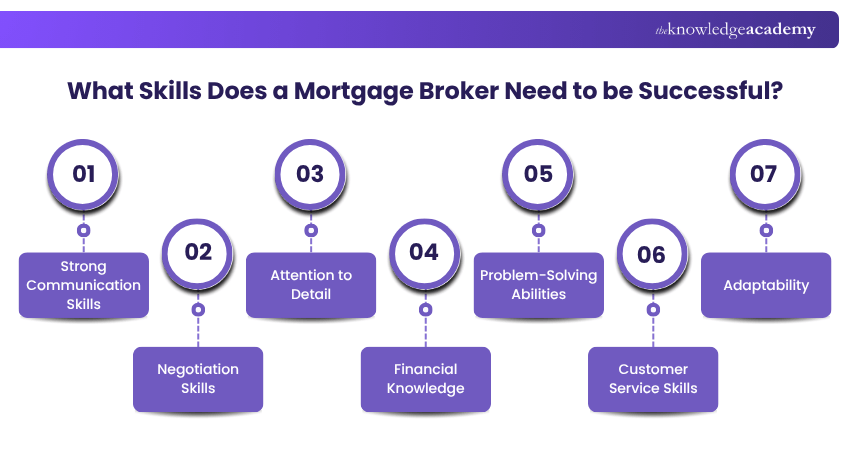
1) Strong Communication Skills:
To explain mortgage terms clearly to clients and liaise effectively with lenders.
2) Negotiation Skills:
To secure the best terms for clients.
3) Attention to Detail:
To review documents and ensure compliance.
4) Financial Knowledge:
A solid understanding of mortgage products and the market.
5) Problem-Solving Abilities:
To address complex situations.
6) Customer Service Skills:
To build trust and maintain long-term relationships.
7) Adaptability:
To stay updated on market changes and regulations.
These skills, combined with continuous learning, are essential for success in the mortgage industry.
Communication
Effective communication is essential for Mortgage Brokers. Being able to explain complex mortgage terms and processes clearly helps clients understand their options and feel confident in their decisions. It's important to build trust and establish long-term relationships through clear communication, both with clients and other professionals in the industry.
Key aspects of communication include:
1) Active Listening:
Understanding clients' needs through attentive listening to tailor advice accordingly.
2) Clear Explanations:
Simplifying complex terms and processes for clients.
3) Building Trust:
Ensuring clients feel confident and informed about their choices.
4) Smooth Transactions:
Communicating effectively with lenders and other professionals to ensure a seamless process.
How Much Does a Mortgage Adviser Earn?
The average Mortgage Adviser’s salary in the UK is around £38,316 per annum, according to Glassdoor . Generally, this amount differs slightly according to your experience. However, it can also differ according to your location and your employer. Apart from the salary that is paid to you by your employer, you’re also be eligible for commissions. The rate and amount of commission that you are going to receive depends on your employer.
What are the Duties of a Mortgage Broker?
A Mortgage Broker helps clients find suitable mortgage products, assesses their financial situation, and negotiates with lenders for the best terms. They assist with paperwork, provide ongoing support, and offer expert advice on mortgage options, terms, and repayment plans throughout the process.
What is the Primary Role of a Broker?
The primary role of a Broker is to act as an intermediary between clients and financial institutions, such as banks or lenders. Brokers help clients find the most suitable products, negotiate terms, and guide them through the application process. They provide expert advice and streamline transactions for their clients.
Conclusion
Becoming a Mortgage Broker offers a fulfilling career in finance and real estate. By obtaining the right qualifications, gaining practical experience, and focusing on customer service, you can establish yourself as a trusted professional. Continuous education and networking will keep you informed and connected. If you're wondering How to Become a Mortgage Broker, this path can lead to a rewarding career.
Register now for comprehensive courses and excel in the mortgage industry with CeMAP Training- Today!
Frequently Asked Questions
What Does a Mortgage Broker Actually do?

A Mortgage Broker acts as an intermediary between clients and lenders. They assess clients' financial situations; help find the best mortgage products and guide them through the application process. Brokers negotiate with lenders to secure the best terms and ensure the paperwork is correctly completed for approval.
Will Mortgage Brokers be Replaced by AI?
AI may assist with tasks like data analysis and loan matching, but mortgage brokers' ability to provide personalised advice and human insight is irreplaceable. AI will enhance their role, not replace it.
What are the Other Resources and Offers Provided by The Knowledge Academy?
The Knowledge Academy takes global learning to new heights, offering over 3,000 online courses across 490+ locations in 190+ countries. This expansive reach ensures accessibility and convenience for learners worldwide.
Alongside our diverse Online Course Catalogue, encompassing 19 major categories, we go the extra mile by providing a plethora of free educational Online Resources like Blogs, eBooks, Interview Questions and Videos. Tailoring learning experiences further, professionals can unlock greater value through a wide range of special discounts, seasonal deals, and Exclusive Offers.
What is The Knowledge Pass, and How Does it Work?
The Knowledge Academy’s Knowledge Pass, a prepaid voucher, adds another layer of flexibility, allowing course bookings over a 12-month period. Join us on a journey where education knows no bounds.
What are the Related Courses and Blogs Provided by The Knowledge Academy?
The Knowledge Academy offers various CeMAP Courses, including the CeMAP Course (Level 1,2 and 3). This course caters to different skill levels, providing comprehensive insights into How to Become a Mortgage Loan Officer.
Our Business Skills Blogs cover a range of topics related to CeMAP, offering valuable resources, best practices, and industry insights. Whether you are a beginner or looking to advance your Business skills, The Knowledge Academy's diverse courses and informative blogs have got you covered.

The Knowledge Academy


Global Training Provider
The Knowledge Academy is a world-leading provider of professional training courses, offering globally recognised qualifications across a wide range of subjects. With expert trainers, up-to-date course material, and flexible learning options, we aim to empower professionals and organisations to achieve their goals through continuous learning.

Upcoming Business Skills Resources Batches & Dates
Date
 CeMAP Course (Level 1,2 and 3)
CeMAP Course (Level 1,2 and 3)
Mon 23rd Mar 2026
CeMAP Course (Level 1,2 and 3)
Mon 18th May 2026
CeMAP Course (Level 1,2 and 3)
Mon 13th Jul 2026
CeMAP Course (Level 1,2 and 3)
Mon 9th Nov 2026

 If you wish to make any changes to your course, please


