


 Top Rated Course

We may not have the course you’re looking for. If you enquire or give us a call on +44 1344 203 999 and speak to our training experts, we may still be able to help with your training requirements.
Renminbi vs Yuan: Know the Difference Between Chinese Currency
Sophia Ellis 21 April 2026Chinese currency is called Renminbi (RMB), while Yuan (CNY) is its unit of account. Renminbi is the official name, but Yuan is used in pricing and transactions. Understanding the difference is crucial for global trade, investment, and currency dealings with China. It helps businesses manage exchange rates and improve trade flexibility.

Training Outcomes Within Your Budget!
We ensure quality, budget-alignment, and timely delivery by our expert instructors.
Table of Contents

China is one of the hotspots in this fast-paced business world. Whether you're a business owner, investor, or traveller, understanding China's currency is essential. It can help you avoid confusion and make smarter financial decisions. In that track, do you know that there are two variations with the Chinese currency?
Yes, there is always a confusion between Renminbi vs Yuan when you talk of Chinese currency. Read along this blog to explore the difference between them and unravel the mystery behind one of the world’s most powerful currencies.
Table of Contents
1) Yuan vs Renminbi: An Overview
2) What is Yuan (CNY)?
3) What is Renminbi (RMB)?
4) A Brief History of China’s Currency
5) What are CNY and CNH?
6) Key Differences Between CNY and CNH
7) Why Does China "Need" Two Currencies?
8) How does Trading in CNH and CNY Benefit your Business?
9) How to Start Dealing in CNH/CNY?
10) Conclusion
Yuan vs Renminbi: An Overview
Yuan vs Renminbi play different roles in Chinese monetary terminologies. Renminbi (RMB) means “People’s Currency” and is the official name of China’s money. Yuan (CNY) is the unit used to measure that money, like “Pound” in “British Pound” or “Dollar” in “US Dollar.”
Here is an easy way to remember it. RMB is the name of the currency, and Yuan is the amount. Therefore, when you say “100 Yuan,” it refers to 100 units of Renminbi.

What is Yuan (CNY)?
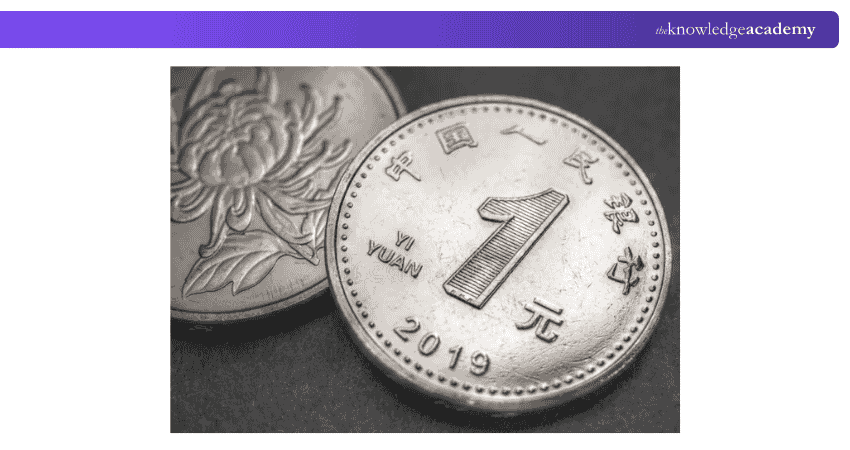
The Yuan is the basic unit of China’s currency, Renminbi. Its international currency code is CNY, which stands for “Chinese Yuan.” In general, goods and services and prices in shops and markets are in Yuan. Globally, CNY is the code used when exchanging Chinese money, like in the GBP/CNY exchange rate (British Pound to Chinese Yuan).
What is Renminbi (RMB)?
Renminbi is the formal name of China’s currency, introduced by the People’s Bank of China (PBOC) in 1948, following the formation of the People’s Republic of China. It is used in legal, governmental, and official contexts, such as financial documents, international contracts, etc.
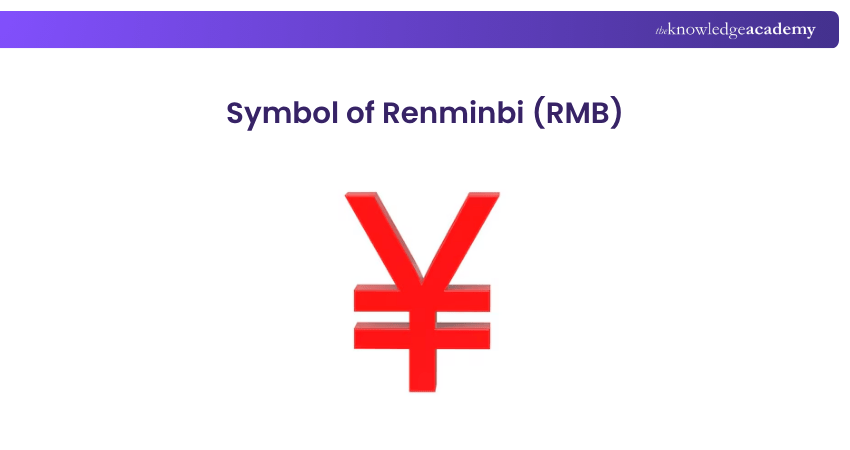
Though RMB and CNY are often used interchangeably, the key difference lies in whether the currency is traded domestically (CNY) or internationally (CNH).
A Brief History of China’s Currency
China’s money system has a long history. In the 11th century, during the Song Dynasty, China became the first country to use paper money. Later, in the early 20th century, different foreign currencies and silver were used, which led to economic instability.
To address this, the People’s Bank of China introduced the Renminbi (RMB) in December 1948. “Renminbi” means “People’s Currency,” and its unit is the Yuan. Later, in the 2010s, the offshore RMB (CNH) was introduced to support international trade and investment.
What are CNY and CNH?
China’s currency system includes two versions of the Yuan: CNY and CNH.
1) CNY is the Onshore Chinese Yuan used within the mainland Chinese. It is regulated by the Chinese Government and the People’s Bank of China (PBOC). CNY reflects the Chinese government’s monetary policy and economic strategy. It is mainly used for domestic trade, transactions, and financial settlements within China.
2) CNH is the Offshore Chinese Yuan used outside mainland China, mainly in global financial markets. It’s more responsive to market forces and fewer regulatory controls. This is often used for international investments and cross-border payments, allowing foreign investors to gain exposure to the Chinese currency without needing access to the onshore market.
Both are forms of the Chinese Yuan (RMB), but they differ in regulation, market accessibility, and exchange rate volatility.
Key Differences Between CNY and CNH
So far, you would have gotten an idea of Renminbi vs Yuan. Now, let’s check the key differences between them:

1) Trade Location and Typical Users
1) CNY is used inside China as the domestic economy for everyday spending, business payments, and other local transactions.
2) CNH is used outside China, mainly in places like Hong Kong, Singapore, and London, making it easier for foreign companies and investors to trade in Chinese currency.
Learn to optimise revenue with expert-led training by registering for our Revenue Management Training immediately!
2) Regulatory Body
1) CNY is basically controlled by the PBOC. It is subject to strict regulations and managed exchange rates, ensuring effective capital flow management.
2) CNH is more influenced by global market forces. Although influenced by PBOC indirectly, it is largely shaped by international supply and demand.
3) Exchange Rate
1) CNH can change more often based on global news, investor behaviour, or any changes in the interest rate.
2) CNY is more stable and follows a daily rate set by the PBOC, with only small, allowed changes each day, usually above or below 2%.
Why Does China "Need" Two Currencies?
China doesn’t really have two different currencies. It has one currency called the Renminbi (RMB), but it’s used in two different places, onshore and offshore markets. Those include CNY and CNH.
This system helps China control how money moves in and out of the country. At the same time, it allows more people around the world to use Chinese currency. It is a way for China to protect its local economy and join the global financial system simultaneously.
Gain insights into market analysis to trade with clarity by joining our Stock Trading Course anytime soon!
How Does Trading in CNH and CNY Benefit Your Business?
If your business is all set to import, export, or invest in China, knowing the difference between CNH and CNY can be very helpful. Here’s how it can benefit you:

1) Liquidity with Easier Payments
1) Using CNH simplifies trade with Chinese partners
2) Often results in faster payment and settlement times
3) Avoids currency conversion issues that delay businesses
4) Makes trade financing more accessible and efficient
2) Flexibility in Money Management
1) CNH faces fewer restrictions since it is traded outside mainland China
2) Offers more freedom in managing international cash flows
3) Makes it easier to move money across borders
4) Helps to design deals and financing structures with fewer limits
From budgeting to investing, gain essential financial skills with our Financial Management Course – Be a part of it soon!
3) Hedging by Managing Currency Risks
1) Reduces the risk of sudden currency value changes
2) CNH allows businesses to use financial tools like forwards and swaps
3) Helps to get fixed exchange rates for future transactions
4) Ensures more predictable and stable financial outcomes
4) Investment Opportunities in Chinese Assets
1) Makes it easier to diversify into China’s fast-growing economy
2) Offers exposure to Yuan-based assets while staying abroad
3) CNH lets you invest in Chinese bonds, stocks, and funds
4) Avoids the regulatory restrictions of the Onshore (CNY) market
5) Trade Opportunities with Chinese Companies
1) Using CNH makes trading with Chinese companies faster and smoother
2) You might get better prices or easier payment terms
3) Simplifies trade and financing processes
4) Avoids currency conversion issues that delay business
6) Enhanced Relationship with Chinese Partners
1) Helps build stronger, long-term business relationships based on trust
2) Gives you an advantage in deals and negotiations
3) Helps avoid misunderstandings in financial dealings
4) Makes Chinese partners feel more comfortable and respected
How to Start Dealing in CNH/CNY?
As China grows in global trade, using its currency, either CNH or CNY, can help your business trade more efficiently. Open a business account, fund it, and begin trading. You can convert currencies instantly using the Foreign Exchange (FX) tool to avoid unnecessary bank fees and ensure your Chinese partners receive full, timely payments.
Dealing in Yuan not only simplifies trade but also strengthens trust with Chinese suppliers and opens access to new opportunities in the Chinese market. Similarly, with local account details in the UK, US, and EU, and a dedicated manager for support, managing international payments becomes easier.
Conclusion
Understanding Renminbi vs Yuan is more than a semantic exercise. It is a crucial step in navigating China’s growing influence in global finance. For businesses, traders, and investors, the ability to operate in both environments of CNY and CNH can yield financial benefits, reduce risks, and unlock global opportunities.
Build confidence in markets to invest and trade using strategies and tools with our Investment and Trading Training – Sign up today!
Frequently Asked Questions
What is the Difference Between CNY, CNH, and RMB

RMB (Renminbi) is the official name of China’s currency. CNY refers to the onshore Chinese Yuan used within mainland China. On the other hand, CNH is the offshore Yuan traded internationally, especially in markets like Hong Kong. Though both represent the same currency, they have different exchange rates.
How Can Businesses Manage Currency Exchanges with China?
Businesses will be able to handle money exchanges with China by working with banks that support RMB payments, opening CNH accounts for use outside China, and using tools to protect against currency changes. You can also use a government-backed programme to make cross-border payments easier and more secure.
What are the Other Resources and Offers Provided by The Knowledge Academy?
The Knowledge Academy takes global learning to new heights, offering over 3,000+ online courses across 490+ locations in 190+ countries. This expansive reach ensures accessibility and convenience for learners worldwide.
Alongside our diverse Online Course Catalogue, encompassing 17 major categories, we go the extra mile by providing a plethora of free educational Online Resources like Blogs, eBooks, Interview Questions and Videos. Tailoring learning experiences further, professionals can unlock greater value through a wide range of special discounts, seasonal deals, and Exclusive Offers.
What is The Knowledge Pass, and How Does it Work?
The Knowledge Academy’s Knowledge Pass, a prepaid voucher, adds another layer of flexibility, allowing course bookings over a 12-month period. Join us on a journey where education knows no bounds.
What are the Related Courses and Blogs Provided by The Knowledge Academy?
The Knowledge Academy offers various Investment and Trading Training, including Foreign Exchange Training, Revenue Management Training, and Stock Trading Course. These courses cater to different skill levels, providing comprehensive insights into Trading.
Our Business Skills Blogs cover a range of topics related to Renminbi vs Yuan, offering valuable resources, best practices, and industry insights. Whether you are a beginner or looking to advance your Business skills, The Knowledge Academy's diverse courses and informative blogs have got you covered.
Upcoming Business Skills Resources Batches & Dates
Date
 Foreign Exchange Training
Foreign Exchange Training
Fri 4th Sep 2026
Foreign Exchange Training
Fri 27th Nov 2026

 If you wish to make any changes to your course, please


