


 Top Rated Course

We may not have the course you’re looking for. If you enquire or give us a call on +44 1344 203 999 and speak to our training experts, we may still be able to help with your training requirements.
What is a Business Model? Definition, Types, and Benefits
The Knowledge Academy 23 April 2026A Business Model explains how a company creates, delivers, and earns value by effectively outlining what it sells, who it serves, and how it makes money. A strong model supports innovation and ensures consistent performance. It helps companies stay organised, attract investors, and respond to market changes while staying relevant.

Training Outcomes Within Your Budget!
We ensure quality, budget-alignment, and timely delivery by our expert instructors.
Table of Contents

Every booming brand you admire, from Netflix to Nike, runs on one invisible engine driving its success. Do you know what it is? It is not just their marketing or a great product. It is their Business Model, the silent factor that turns ideas into long-term customers. It is the framework that connects what a business offers to how it earns money.
Think of Netflix’s subscription or Nike’s mix of retail and brand partnerships. Both are powered by strong Business Models. Whether you’re building or improving a business, knowing how to design the right model can help you attain stability and success. In this blog, you can discover What is a Business Model, its types, and how to create one that fits you perfectly. Let’s uncover the hidden system that helps businesses grow!
Table of Contents
1) What is a Business Model?
2) Why are Business Models Important?
3) Types of Business Models
4) How to Create a Business Model?
5) What are the Benefits of Business Models?
6) What are the Limitations of Business Models?
7) Conclusion
What is a Business Model?
A Business Model is a strategic plan that explains how a company creates, delivers, and earns value. It identifies the products or services a business provides, defines its target market, and outlines how it plans to make a profit. In simpler terms, it explains how a business can make money.
A well-designed Business Model not only sets out a company’s objectives but also acts as a guide for decision-making, innovation, and sustainable growth. It helps attract investors, align teams, and ensure that everyone within the organisation works together toward shared goals and long-term success.

Why are Business Models Important?
Business models are important because they give structure and purpose to a company. Without one, there will be no clear path to earning money or meeting customer needs. Here is why they are so important:
1) Clarity and Focus: It leads everyone in the company toward the same goals.
2) Strategic Planning: It helps plan how to offer value and get profit.
3) Smart Use of Resources: It ensures time, money, and effort are spent on the right things.
4) Encourages Innovation: It helps businesses adjust and improve as markets change.
5) Builds Confidence: It gives investors and employees trust in the company’s future.
6) Competitive Edge: Understanding one’s model enables quick adaptation to market changes.
Types of Business Models
There are many ways to design a Business Model and some companies even combine several types to match their goals. Below are some of the most common types used by businesses:
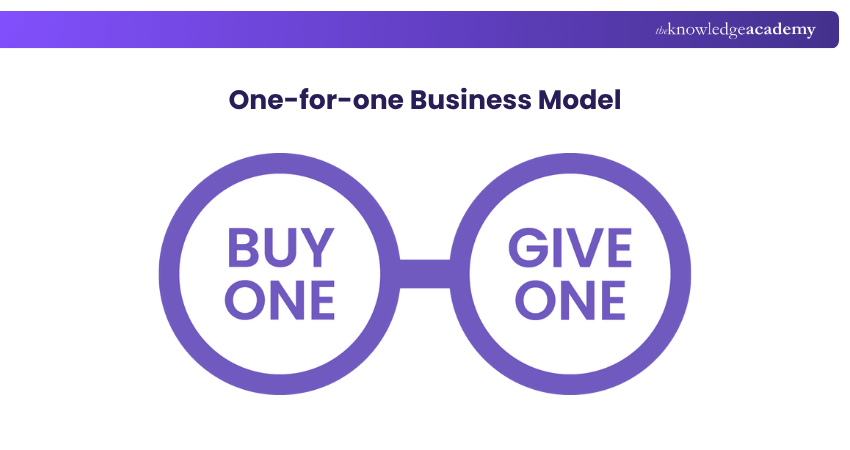
1) One-for-one Business Model
The one-for-one model is rooted in social responsibility. It focuses on giving back to society while doing business. For every item a customer buys, the company donates another to someone in need.
1) Builds a positive and socially responsible brand image
2) Attracts loyal, purpose-driven customers
3) Enhances long-term brand value
Example: The Body Shop donates hygiene products to those in need through community trade and charity campaigns.
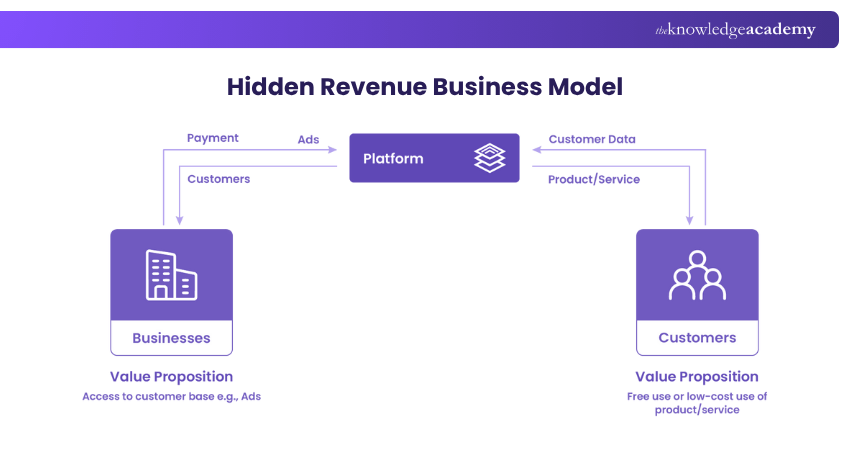
2) Hidden Revenue Business Model
Customers use services for free, but the company earns money from advertisers or sponsors. This model removes financial barriers for users, helping businesses grow their audience faster.
1) Generates consistent ad-based income
2) Lowers barriers for user growth
3) Works best for online platforms with large audiences
Example: Google and Facebook earn from advertisers while offering free services.
3) Open-source Business Model
This model offers free, community-built software but charges for premium features, enterprise support, or custom versions. It promotes transparency and collaboration by allowing users to improve the product.
1) Encourages collaboration and trust
2) Revenue comes from premium versions or services
3) Helps businesses grow user bases quickly
Example: Mozilla Firefox offers free browser software while earning through partnerships and sponsored searches.
4) Bricks and Clicks
This hybrid model combines physical stores (bricks) with online stores (clicks) to reach more customers. By integrating digital convenience with in-person service, businesses enhance customer satisfaction.
1) Offers flexibility and convenience
2) Builds brand presence across multiple channels
3) Helps gather customer insights from various touchpoints
Example: Apple operates both physical stores and online platforms.
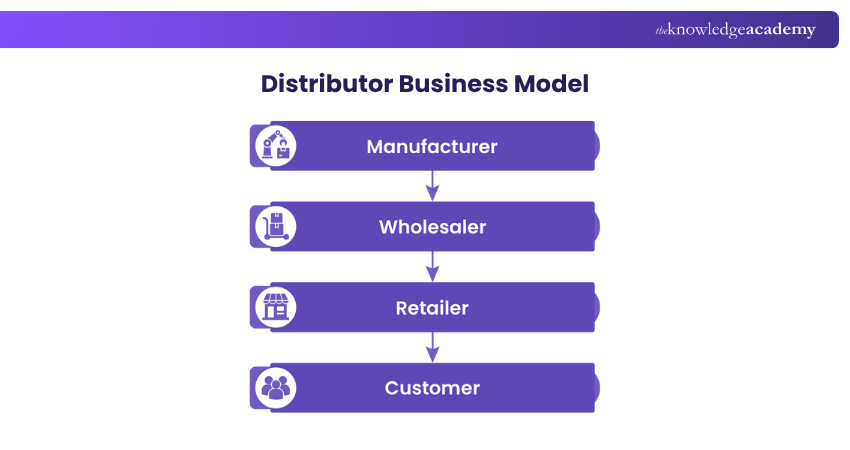
5) Distributor Business Model
Distributors purchase goods from manufacturers and sell them to retailers or consumers for a profit. They play a key role in connecting producers with the market. It is ideal for businesses that focus on supply and delivery rather than production.
1) Focuses on logistics and relationships
2) Profit comes from the difference between purchase and resale prices
3) Works best in the retail and supply chain industries
Example: Red Bull distributes its energy drinks through various wholesalers and retail partners worldwide instead of owning all sales outlets.
Think from imaginative ideas to logical decisions with our Creative and Analytical Thinking Training – Register today!
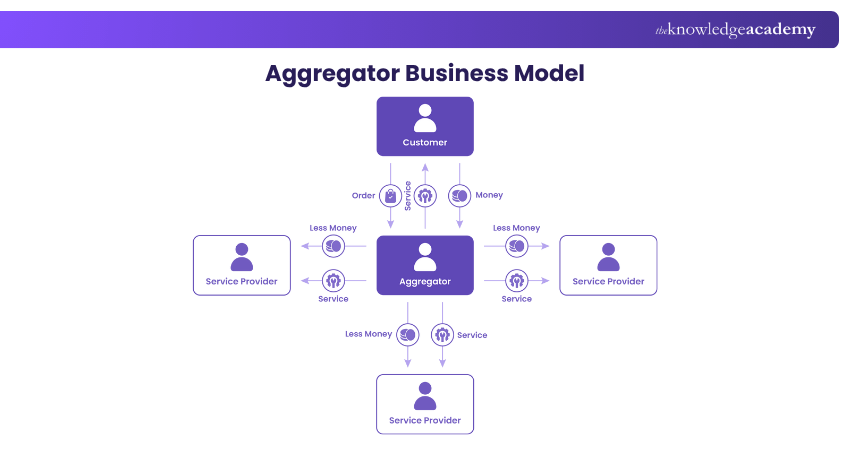
6) Aggregator Business Model
An aggregator gathers Products or Services from multiple providers and offers them under one brand. It acts as a bridge between suppliers and customers, simplifying the buying process. Customers trust the aggregator’s brand while providers benefit from its reach.
1) Builds trust using a single brand identity
2) Creates win-win situations for users and providers
3) Ideal for travel, service, and booking industries
Example: Uber connects drivers with passengers through one platform.
7) Conceptual Business Model
This model focuses on developing and testing new ideas before introducing them to the market. It helps businesses visualise how a concept could attract customers and generate profit. It is especially useful in Innovation and early product development.
1) Encourages creativity and innovation
2) Reduces risk by testing ideas early
3) Often used in tech and design industries
Example: Tesla creates concept vehicles to test public response before launching production models.
8) Razor Blade Business Model
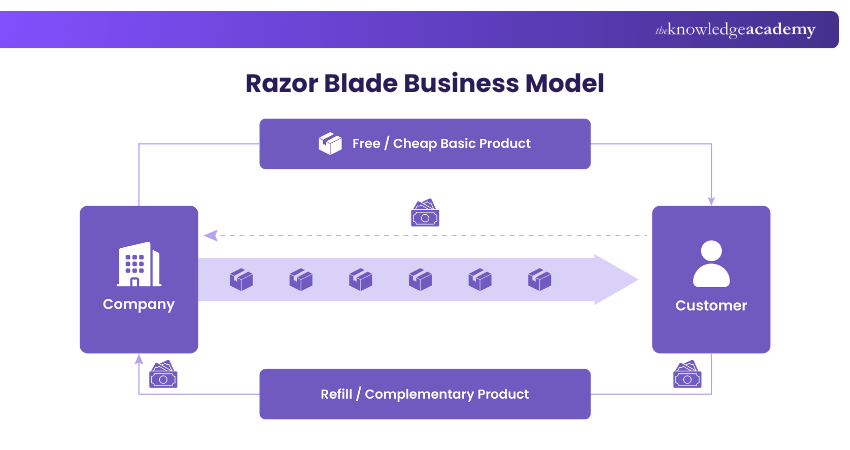
Companies sell a main product at a low price but make profits from complementary or refill products. This model builds customer dependency, ensuring ongoing purchases. It creates long-term revenue by tying the use of one product to another.
1) Encourages recurring purchases
2) Works best when the secondary product is essential for usage
3) Common in consumer goods and tech industries
Example: Gillette sells razors cheaply but profits from the continuous sale of blades.
9) Franchise Business Model
In this model, a business allows others to operate under its established brand and system for a fee or royalty. The franchisee benefits from a recognised name and proven methods. This model enables rapid expansion without heavy investment from the parent company.
1) Supports global brand growth
2) Reduces business risk for new owners
3) Ensures consistent quality and service
Example: McDonald’s operates thousands of restaurants worldwide through its franchise network.
10) Multi-sided Platform Model
This model connects two or more user groups, usually buyers and sellers, on a single platform. It creates value by offering interaction and exchange between parties. Revenue often comes from commissions, advertisements, or subscription plans.
1) Balances multiple customer groups
2) Earns income from transactions and ads
3) Scales easily with user growth
Example: Amazon Marketplace connects independent sellers with global customers.
11) Crowdsourcing Business Model
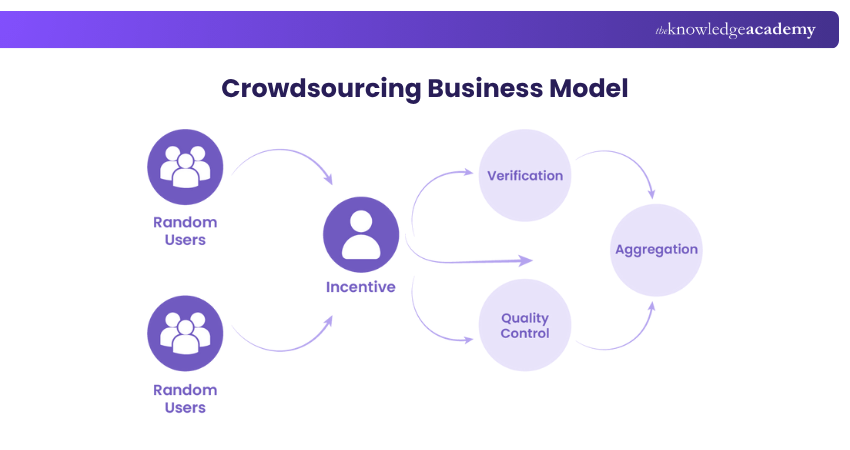
This Crowdsourcing model gathers ideas, content, or work from a wide public network of people, usually online. It allows companies to harness public creativity and expertise without hiring large internal teams. This approach offers varied perspectives while reducing costs.
1) Encourages community participation
2) Reduces operational expenses
3) Effective for innovation and social impact projects
Example: Wikipedia builds its entire knowledge base through user-generated content.
Think like a designer and solve like a strategist with our Design Thinking Course – Join now!
12) Peer-to-peer (P2P) Business Model
The peer-to-peer model connects individuals directly to exchange goods or services without traditional intermediaries. It allows users to act as both buyers and sellers through digital platforms. The company earns money by taking small transaction fees or offering premium features.
1) Lowers intermediary costs
2) Builds trust and a shared economy
3) Ideal for sharing economy platforms
Example: Airbnb links homeowners with travellers seeking short-term stays.
13) Bundling Business Model
This model involves selling two or more products together as a package at a discounted rate. It increases total sales and offers customers better value. Bundling can also help promote slower-selling products by pairing them with popular ones.
1) Improves total sales and loyalty
2) Increases perceived value
3) Useful for promoting less performing products
Example: Microsoft bundles Word, Excel, and PowerPoint into the Office suite.
14) Ecommerce Business Model
This model focuses on selling goods or services online through websites or apps. It allows businesses to reach customers globally without physical stores. Ecommerce reduces costs while offering convenience and scalability.
1) Offers global reach with low setup costs
2) Enables 24/7 sales
3) Relies on customer experience and fulfilment
Example: Etsy connects independent creators and artisans with customers worldwide through its online marketplace.
15) Manufacturer Business Model
Manufacturers produce goods from raw materials and sell them directly or through retailers. This model focuses on production, quality, and Supply Chain Management. Manufacturers can control costs and scale production easily. It forms the backbone of most industrial sectors.
1) Drives product efficiency and cost control
2) Offers direct control over quality
3) Works best in large-scale production
Example: Toyota manufactures vehicles and sells them through a global dealer network.
16) Leasing Business Model
Companies lease assets to customers for a period of time instead of selling them outright. It helps customers use expensive products affordably while providing a steady income to the business. This model is common in the automotive, equipment, and property industries.
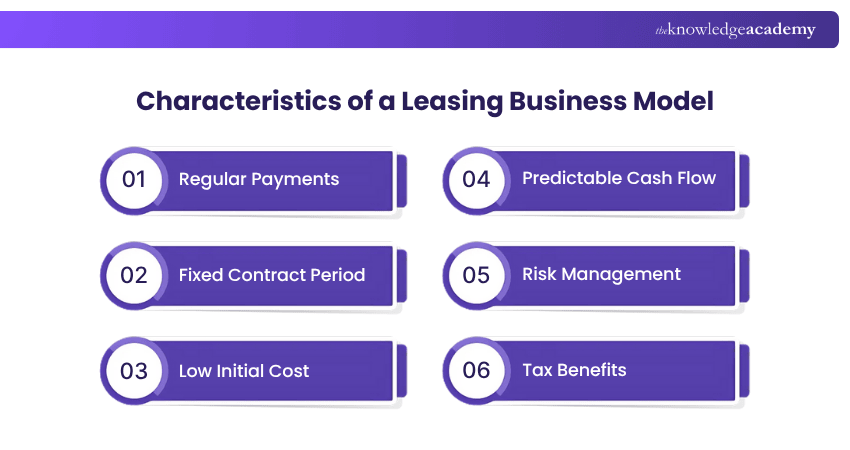
1) Provides steady, recurring income
2) Helps customers access expensive assets affordably
3) Ensures continued use of assets
Example: Dell Technologies leases IT equipment to businesses, reducing upfront costs and improving budget flexibility.
How to Create a Business Model?
Creating a Business Model involves thinking about how your idea will work in real life. Here is a simple process to follow:
1) Identify Customer Needs: Research your target audience to understand their problems, preferences, and expectations. This will help you meet their needs.
2) Define Value Proposition: Explain what makes your offer unique and why customers should choose you. A clear value proposition sets you apart and builds trust.
3) Determine the Revenue Model: Decide how your business will earn money, through sales, subscriptions, licensing, or other streams.
4) Evaluate Cost Structure: List the key activities, resources, and partnerships needed to deliver value. Understand your costs to maintain profitability and efficiency.
5) Establish Key Partnerships: Find partners or suppliers who can help you expand or reduce costs. Strong partnerships boost growth and performance.
6) Map out Key Activities: Outline the main tasks from production to marketing and customer support that keep your business running smoothly.
7) Review and Refine: Keep on updating your model to align with the market changes and keep your business competitive.
Discover how to attract clients and grow revenue faster with our Business Development Training – Sign up soon!
What are the Benefits of Business Models?
Now that you have a clear idea of what a Business Model is, below are its benefits:
1) Multiple Income Sources
1) Reduces risk by not depending on one product or service
2) Keeps money coming in even if one area slows down
3) Makes the business more stable and secure
2) Easy to Grow and Reach More People
1) Helps reach customers around the world
2) Increases brand visibility through online platforms
3) Makes the business grow faster with lower costs
3) Flexible and Innovative
1) Responds easily to changing customer demands
2) Encourages trying new ideas to improve your products
3) Helps the business grow more than their competitors
4) Loyal Customers
1) Builds trust by offering good value and service
2) Inspires repeat buying from you
3) Creates strong and lasting customer bonds
What are the Limitations of Business Models?
Though Business Models have so many benefits, they have some limitations. It includes:
1) Strong competition makes it difficult to attract customers
2) Free or ad-based models may not earn steady money if few users pay
3) Online-only stores may lose customers who prefer buying in person
4) Selling to other businesses takes longer, which can delay income
Conclusion
A strong Business Model is the backbone of all successful companies. By staying flexible, focusing on what your customer needs, and updating your model over time, businesses can achieve long-term success. When you know What is a Business Model exactly, you can choose what works best for your goals and resources. It is about building something sustainable and meaningful.
Take charge of your growth with our Leadership Courses - Start learning today!
Frequently Asked Questions
What are the Four Areas of Business Model?

The four key areas of the Business Model are:
1) Customers
2) Value Proposition
3) Infrastructure
4) Financials
What are the Three Levels of Business Model?
The three levels of a Business Model are:
1) Strategic Level: The plan and direction of a company
2) Operational Level: The daily actions and systems that keep it running
3) Tactical Level: Short-term steps that connect daily work with long-term goals
What are the Other Resources and Offers Provided by The Knowledge Academy?
The Knowledge Academy takes global learning to new heights, offering over 3,000+ online courses across 490+ locations in 190+ countries. This expansive reach ensures accessibility and convenience for learners worldwide.
Alongside our diverse Online Course Catalogue, encompassing 17 major categories, we go the extra mile by providing a plethora of free educational Online Resources like Blogs, eBooks, Interview Questions and Videos. Tailoring learning experiences further, professionals can unlock greater value through a wide range of special discounts, seasonal deals, and Exclusive Offers.
What is The Knowledge Pass, and How Does it Work?
The Knowledge Academy’s Knowledge Pass, a prepaid voucher, adds another layer of flexibility, allowing course bookings over a 12-month period. Join us on a journey where education knows no bounds.
What are the Related Courses and Blogs Provided by The Knowledge Academy?
The Knowledge Academy offers various Leadership Courses, including Business Model Innovation Training, Creative and Analytical Thinking Training and Design Thinking Course. These courses cater to different skill levels, providing comprehensive insights into Understanding the Customer Journey.
Our Business Skills Blogs cover a range of topics related to Business Model, offering valuable resources, best practices, and industry insights. Whether you are a beginner or looking to advance your Business skills, The Knowledge Academy's diverse courses and informative blogs have got you covered.

The Knowledge Academy


Global Training Provider
The Knowledge Academy is a world-leading provider of professional training courses, offering globally recognised qualifications across a wide range of subjects. With expert trainers, up-to-date course material, and flexible learning options, we aim to empower professionals and organisations to achieve their goals through continuous learning.

Upcoming Business Skills Resources Batches & Dates
Date
 Business Model Innovation Training
Business Model Innovation Training
Fri 17th Jul 2026
Business Model Innovation Training
Fri 9th Oct 2026

 If you wish to make any changes to your course, please


