


 Top Rated Course

We may not have the course you’re looking for. If you enquire or give us a call on +44 1344 203999 and speak to our training experts, we may still be able to help with your training requirements.
What is Business Management: All you Need to Know
William Brown 28 April 2026Business Management involves planning, organising, and leading operations to meet goals, covering finance, HR, marketing, and strategic decision-making. It also includes optimising resources, improving productivity, ensuring compliance, fostering innovation to drive sustainable growth and competitive advantage.

Training Outcomes Within Your Budget!
We ensure quality, budget-alignment, and timely delivery by our expert instructors.
Table of Contents

What keeps successful businesses running smoothly every day? The answer lies in effective Business Management. It is the process of planning, organising, and overseeing operations to ensure a company meets its goals. From managing finances and HR to making strategic decisions, it ensures all functions work in sync. In this blog, you will explore what Business Management involves, why it matters, and how to build the skills to succeed.
Table of Contents
1) What is Business Management?
2) The Importance of Business Management
3) Core Functions of Business Management
4) Most Common Business Management Tactics
5) How to Kickstart Your Business Management Career?
6) What is an Example of Business Management?
7) What are the Business Management Skills?
8) Conclusion
What is Business Management?
Business Management is a vital process that entails overseeing and coordinating organisational activities to accomplish objectives and goals. Key points to remember are:
1) Business Management involves key functions such as planning, organising, directing, and controlling.
2) It covers various operational areas, including finance, marketing, and Human Resources (HR).
3) Business Management differs from Business Administration, which focuses on daily operations and administrative tasks.
4) Business Management takes a broader perspective, incorporating strategic planning, leadership, and decision-making.
5) It plays a vital part in driving the organisation forward.

The Importance of Business Management
Effective Business Management is a cornerstone of organisational success, influencin everything from employee retention to long-term sustainability. Below are key reasons why strong management practices are essential:
1) Improves Employee Retention
a) 57% of employees have left a company due to poor management.
b) Good management fosters a positive culture, encouraging long-term engagement and loyalty.
2) Boosts Productivity
a) Effective leadership directly influences employee motivatio++n and performance.
b) Supportive management helps teams stay focused, driven, and productive throughout the workday.
3) Prevents Workplace Issues
a) Poor management or toxic culture leads to communication breakdowns and demotivation.
b) Strong practices reduce friction and help maintain a high-performing environment.
4) Enhances Crisis Management
a) In times of uncertainty (e.g., economic downturns), competent leadership becomes critical.
b) Strategic decision-making and adaptability ensure business continuity and resilience.
5) Supports Long-Term Sustainability
a) Effective management safeguards the organisation’s future by aligning teams, controlling costs, and navigating change.
b) It lays the foundation for stability and long-term growth.
Core Functions of Business Management
Business Management has a set of core functions that catalyse a company towards its objectives and achieve sustained growth. Here’s how each of these functions handles an enterprise's smooth operation.
1) Planning
a) Planning is the first function of Business Management.
b) It involves setting goals, anticipating future needs, and determining the best ways to achieve them.
c) Effective planning provides Managers with a roadmap for decision-making and resource allocation.
d) It helps businesses shape their future, seize opportunities, mitigate risks, and maximise potential.
2) Organising
a) Organising involves structuring resources and technology to implement the plan.
b) It includes identifying roles, assigning responsibilities, and arranging workflows for cohesion.
c) A well-organised company ensures resources are utilised efficiently for peak performance.
d) Effective organisation minimises waste and maintains a well-coordinated workflow.
It supports the overall strategy by aligning operations with business objectives.
3) Leading
a) Leading people is the most important function of a Business Manager.
b) It involves guiding and motivating staff to align with the company’s goals.
c) Strong leadership fosters a positive workplace where employees feel motivated and engaged.
d) Effective leaders inspire commitment and dedication to organisational success.
e) A motivated workforce is more willing to work hard and overcome challenges.
4) Staffing
a) People are essential for executing a plan
b) Staffing involves recruiting, developing, and retaining the necessary talent
c) Effective staffing includes hiring employees or contractors with the right skills
d) Ongoing training ensures staff are well-equipped for their roles
e) Placing individuals in suitable positions enhances their success
f) A strong staffing strategy minimises turnover and supports the business mission
Unlock your potential as a Business Leader with our Business Administration Course – Sign up now!
5) Controlling
a) It involves tracking performance against the standards set during planning.
b) Adjustments are made as needed to maintain efficiency and effectiveness.
c) Control helps Managers identify and address problems in real time.
d) It ensures adaptability to changing conditions.
e) Proper control is vital for efficient resource use, consistent performance, and long-term growth.
f) Effective implementation of management functions enhances the balance between leadership and operations.
g) It supports decision-making and ensures optimal resource utilisation while guiding the company in the right direction.
Most Common Business Management Tactics
Effective Business Management involves employing a range of tactics tailored to the organisation’s goals and challenges. Below are some of the most widely used and impactful management practices:
1) Setting Clear Goals and Objectives
Establishing well-defined goals provides clarity, direction, and focus for the organisation. It also enables managers to track progress, measure success, and make informed decisions.
2) Developing a Strategic Plan
A robust strategic plan outlines the key actions required to achieve organisational goals. It ensures resources are used efficiently and aligns all departments and teams toward shared objectives.
3) Ensuring Effective Communication
Strong communication practices are essential for aligning teams. This includes clearly articulating goals, offering timely feedback and recognition, and fostering trust with both employees and external stakeholders.
4) Managing Employee Performance
Monitoring performance involves setting clear standards, providing regular coaching and feedback, and addressing issues promptly. This promotes accountability and drives individual and team productivity.
5) Driving Continuous Improvement
Implementing systems for ongoing process review and optimisation is central to operational excellence. Regularly refining practices helps ensure the organisation remains efficient, competitive, and adaptive.
6) Building High-Performing Teams
Creating strong teams requires a collaborative work culture, clearly defined roles, and opportunities for professional growth. Team cohesion is key to achieving long-term business success.
7) Encouraging Innovation and Creativity
Fostering a culture of innovation means supporting new ideas, encouraging experimentation, and backing promising initiatives with resources. This enables the organisation to stay agile and forward-thinking.
8) Identifying and Managing Risks
Proactive risk management involves evaluating potential threats, developing mitigation strategies, and preparing contingency plans. This approach enhances organisational resilience and readiness for uncertainty.
How to Kickstart Your Business Management Career?
Embarking on a Business Management career can be an exciting and rewarding journey. However, like any endeavour, it requires careful planning and proactive steps for a successful launch. Whether you're a recent graduate or looking to transition into the field, understanding the Benefits of Management Software can also give you a competitive edge as you kickstart your Business Management career.
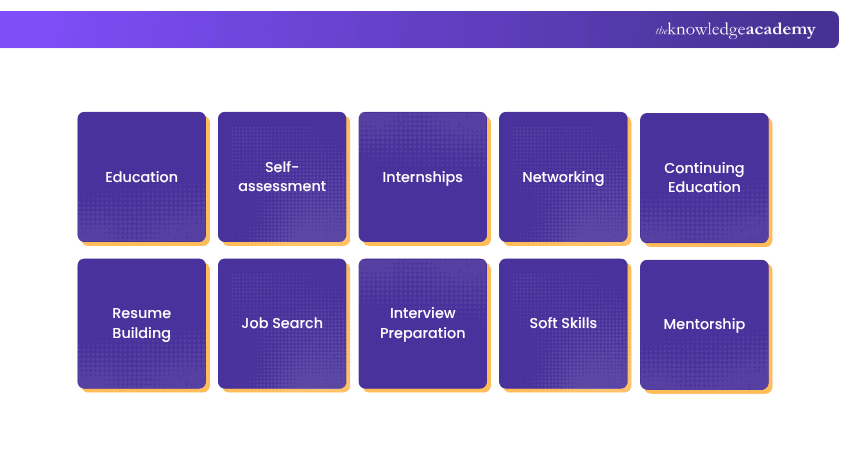
1) Education
Start with a strong educational foundation by earning a degree in Business Administration, Management, or a related field. Studying Business Management case studies adds real-world insight, helping you understand key concepts and navigate business challenges effectively.
Chart a transformative journey into the realm of Business Growth with our Introduction to Business Development Training – sign up now!
2) Self-assessment
Before diving into the realm of Business Management, take some time for self-reflection. Identify your strengths, skills, and areas of interest. Self-awareness helps you choose a Business Management specialisation that aligns with your strengths and interests.
3) Internships
Gaining practical experience through internships or entry-level roles is vital in Business Management. It allows you to apply theoretical knowledge, sharpen problem-solving skills, and understand real-world business operations across different industries.
4) Networking
Gaining practical experience through internships or entry-level roles is vital in Business Management. It allows you to apply theoretical knowledge, sharpen problem-solving skills, and understand real-world business operations across different industries.
5) Continuing Education
To stay competitive in a changing business landscape, invest in continuous learning. Attend workshops, webinars, and online courses to build relevant skills, stay updated on trends, and demonstrate your commitment to professional growth.
6) Resume Building
An impressive, tailored resume highlights your education, internships, projects, and leadership experience. Structuring it effectively boosts your visibility and increases your chances of landing interviews with potential employers in the Business Management field.
Develop a continuous improvement plan and schedule for your business by joining our Business Process Improvement Training.
7) Job Search
Try to utilise job search platforms, company websites, and professional networking platforms to explore job opportunities. Be proactive in seeking positions that align with your skills and aspirations. Startups and small businesses offer valuable hands-on growth opportunities.
8) Interview Preparation
As you apply for positions, prepare thoroughly for interviews. Research the companies you're interviewing with, understand their values and objectives, and practice responding to common interview questions. Highlight how your skills and experiences make you an asset to their team.
9) Soft Skills
Beyond technical expertise, Business Management requires strong and soft skills. Develop your communication, teamwork, adaptability, and emotional intelligence. These qualities contribute to effective leadership, collaboration, and navigating the complexities of the corporate world.
10) Mentorship
Mentorship offers valuable guidance and insights. Experienced professionals can share advice, support decision-making, and help you grow by offering feedback on areas like exit interviews and career development.
What is an Example of Business Management?
An example of Business Management is running a logistics company’s distribution centre, where a manager oversees order fulfilment, coordinates with suppliers, manages delivery schedules, and ensures timely dispatches. They use resource planning, team supervision, and performance tracking to reduce delays, control costs, and meet client expectations efficiently.
What are the Business Management Skills?
The essential Business Management skills include:
1) Communication
2) Leadership
3) Strategic thinking and planning
4) Negotiation skills
5) Conflict Management
6) Public speaking
7) Financial literacy
Conclusion
Managing a business involves planning, organising, leading, and controlling an organisation’s resources to achieve its objectives as efficiently as possible. Understanding What is Business Management entails learning about its functions, including finance, marketing, operations, and HR. Additionally, integrating Sustainability Trends in Business into these areas helps businesses adapt to challenges, maximise opportunities, and drive growth.
Master the ability to lead and inspire teams effectively in our comprehensive Management Course - Sign up now!
Frequently Asked Questions
What are the 4 Principles of Business Management?

The four principles of Business Management typically refer to:
a) Planning: Setting goals and course of action for achieving them
b) Organising: Effectively distributing resources and tasks
c) Leading: Motivating employees to work towards organisational objectives
d) Controlling: Monitoring performance and making adjustments to stay on course
What is the Key Purpose of Business Management?
The key purpose of Business Management is to plan, organise, lead, and control resources effectively to achieve organisational goals. It ensures smooth operations, drives productivity, fosters innovation, and aligns team efforts with strategic objectives to enhance profitability, customer satisfaction, and long-term business success.
What are the Other Resources and Offers Provided by The Knowledge Academy?
The Knowledge Academy takes global learning to new heights, offering over 3,000+ online courses across 490+ locations in 190+ countries. This expansive reach ensures accessibility and convenience for learners worldwide.
Alongside our diverse Online Course Catalogue, encompassing 17 major categories, we go the extra mile by providing a plethora of free educational Online Resources like Blogs, eBooks, Interview Questions and Videos. Tailoring learning experiences further, professionals can unlock greater value through a wide range of special discounts, seasonal deals, and Exclusive Offers.
What is The Knowledge Pass, and How Does it Work?
The Knowledge Academy’s Knowledge Pass, a prepaid voucher, adds another layer of flexibility, allowing course bookings over a 12-month period. Join us on a journey where education knows no bounds.
What are the Related Courses and Blogs Provided by The Knowledge Academy?
The Knowledge Academy offers various Management Courses, including the Management Training for New Managers Course and the Business Management Training. These courses cater to different skill levels, providing comprehensive insights into What is Internal Business Environment.
Our Human Resources Blogs cover a range of topics related to Business Management, offering valuable resources, best practices, and industry insights. Whether you are a beginner or looking to advance your Management skills, The Knowledge Academy's diverse courses and informative blogs have got you covered.

William Brown


Senior Business Analyst and Strategic Advisor
William Brown is a senior business analyst with over 15 years of experience driving process improvement and strategic transformation in complex business environments. He specialises in analysing operations, gathering requirements and delivering insights that support effective decision making. William’s practical approach helps bridge the gap between business goals and technical solutions.
View Detail
Upcoming Business Skills Resources Batches & Dates
Date
 Management Training for New Managers
Management Training for New Managers
Fri 26th Jun 2026
Management Training for New Managers
Fri 21st Aug 2026
Management Training for New Managers
Fri 30th Oct 2026

 If you wish to make any changes to your course, please


