Who Should Attend this MSP® Foundation and Practitioner Course?
The Managing Successful Programmes 5th Edition MSP Foundation and Practitioner Course is designed for individuals who are seeking to develop a comprehensive understanding of Programme Management and its practical applications of the MSP process. A few of the professionals who will benefit the most from this course are:
- Programme Managers.
- Programme Leaders.
- Project Managers.
- Portfolio Managers.
- Senior Executives and Directors.
- Business Change Managers.
- Programme Office Staff.
Prerequisites of the MSP® Foundation and Practitioner Course
The MSP® Foundation and Practitioner Course enables individuals to use MSP® Principles effectively, applying them to real-world change initiatives in alignment with PeopleCert standards.
- MSP Foundation Level: No formal prerequisites are required. However, a basic understanding of management concepts and terminology can help you use MSP more effectively during your MSP® learning journey.
- MSP Practitioner Level: For the Practitioner level, candidates must have successfully passed the MSP® Foundation Exam, as required by PeopleCert.
MSP® Foundation and Practitioner 5th Edition Course Overview
MSP Foundation and Practitioner Course in Venezuela explore structured approaches to managing organisational change and transformation initiatives. Delegates learn MSP® principles, governance themes, and programme management practices.
This training supports upskilling in programme governance, strategic alignment, and change management capabilities. Delegates strengthen their understanding of Key MSP Benefits and improve transformational programme management skills.
This 5-Day 5th Edition MSP Foundation and Practitioner Course offered by The Knowledge Academy enables delegates to apply MSP® principles confidently. Delegates gain practical insight into MSP Roles and Responsibilities for effective project management governance and delivery.
MSP® Foundation and Practitioner Course Objectives
- To establish a firm understanding of the MSP framework and its application in real-world scenarios.
- To develop the skills necessary to effectively lead and manage large-scale programme transformations.
- To ensure delegates are well-prepared for the MSP® Foundation and Practitioner exams.
- To enhance strategic thinking and decision-making abilities within the context of programme management.
- To provide a platform for continuous professional development and networking with industry peers.
- To foster a mindset that embraces change and innovation within an organisational setting.
Upon completing the MSP® Training Course, delegates will gain a robust qualification and strong MSP Exam Preparation to manage change initiatives with confidence and precision. The course develops practical programme management skills aligned with real organisational challenges.
Career Progression of MSP Professionals
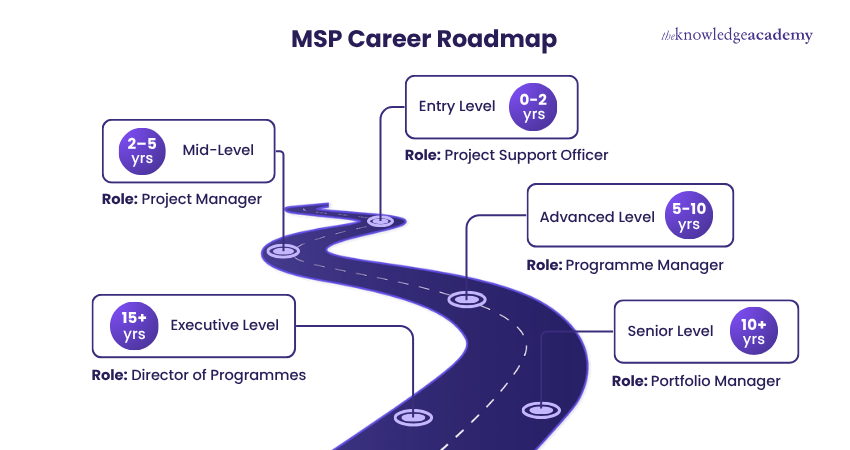
The MSP Career Roadmap illustrates how MSP Certifications in Venezuela align with progressive career stages in programme management. Whether you're starting out or aiming for executive roles, MSP Training supports your development at every step.
- Entry Level- Project Support Officer: Gain foundational knowledge and support programme activities with MSP Foundation training.
- Mid-Level- Project Manager: Manage projects effectively with MSP Practitioner Certification aligned to programme goals.
- Advanced Level- Programme Manager: Lead multiple projects using MSP to manage dependencies and deliver benefits.
- Senior Level- Portfolio Manager: Oversee programmes and improve governance with advanced MSP strategies.
- Executive Level- Director of Programmes: At the executive level, leaders shape the organisation’s strategic direction through complex programme portfolios.
7 MSP Themes for Effective Programme Execution Covered in This MSP Training
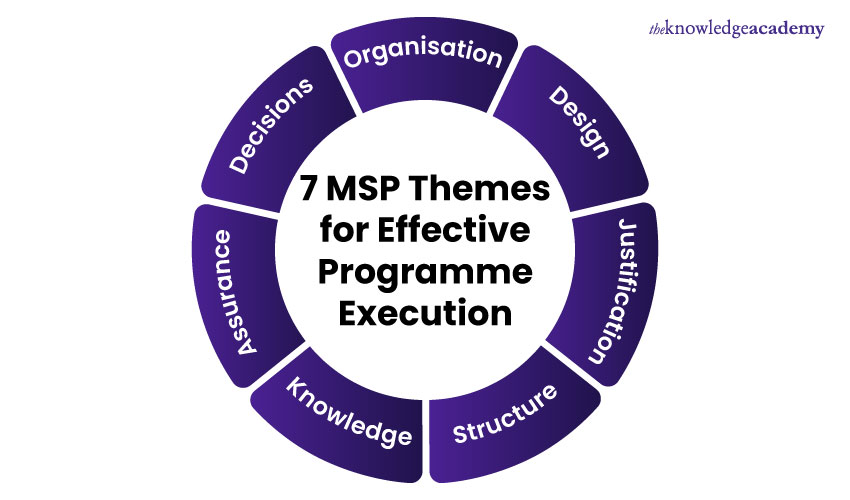
Effective programme execution in MSP® relies on structured governance themes that support strategic alignment, decision-making, and benefits realisation throughout the programme lifecycle.
- Organisation
- Design
- Justification
- Structure
- Knowledge
- Assurance
- Decisions





 If you miss out, enquire to get
yourself
on the waiting list for the next day!
If you miss out, enquire to get
yourself
on the waiting list for the next day!













 If you wish to make any changes to your course, please


