


 Top Rated Course

We may not have the course you’re looking for. If you enquire or give us a call on +44 1344 203 999 and speak to our training experts, we may still be able to help with your training requirements.
Elements of Corporate Social Responsibility: A Detailed Explanation
Michael Jones 12 February 2026Elements of Corporate Social Responsibility (CSR) are crucial for a company's ethical and sustainable growth. CSR involves a commitment to community engagement. This blog examines its key elements like environmental stewardship, social equity, and transparent governance. Let’s explore how these principles drive responsible business practices.

Training Outcomes Within Your Budget!
We ensure quality, budget-alignment, and timely delivery by our expert instructors.
Table of Contents
Corporate Social Responsibility is a fundamental aspect of modern business that reflects a company’s commitment to ethical practices, social well-being, and environmental sustainability. But what are the key elements that make up an effective CSR strategy? How can companies ensure their CSR initiatives are impactful and aligned with their core values? In this blog, we delve into the “Elements of Corporate Social Responsibility,” providing a detailed explanation of each component.
Understanding these elements is crucial for any organisation looking to build trust, foster loyalty, and contribute positively to society. Whether you’re a business leader, an employee, or simply interested in CSR, this comprehensive guide will offer valuable insights into the essential elements of Corporate Social Responsibility and how they can be integrated into your company’s operations. Let’s explore the building blocks of a successful CSR model.
Table of Contents
1) Key Elements of Corporate Social Responsibility
a) Integrate CSR into Company Planning and Budgeting
b) Create CSR Accountability at all Employee Levels
c) Implement a CSR Management System
d) Engage and Communicate With Stakeholders
e) Foster Company-Wide Participation
f) Align CSR Initiatives With Company Values
g) Define Clear CSR Goals and Expectations
h) Appoint a CSR Team or Coordinator
i) Build Connections With Nonprofits
j) Include CSR in Meeting Agendas at all Company Levels
2) Conclusion
Key Elements of Corporate Social Responsibility
Corporate Social Responsibility is a vital aspect of modern business, reflecting a company’s commitment to ethical practices, social well-being, and environmental sustainability. By adhering to frameworks like ISO 26000, companies can develop effective CSR strategies that not only enhance their reputation but also contribute to long-term success by fostering trust and loyalty among stakeholders. Below are the key elements that form the foundation of a robust CSR model:
1) Integrate CSR into Company Planning and Budgeting
Incorporating Corporate Social Responsibility into company planning and budgeting ensures that CSR initiatives are aligned with the company’s strategic goals. This integration helps allocate necessary resources and ensures that CSR activities are sustainable and impactful.
By embedding CSR into the core business strategy, companies can drive long-term value and demonstrate their commitment to social and environmental responsibilities.
2) Create CSR Accountability at all Employee Levels
Establishing CSR accountability at all levels of the organisation encourages a culture of responsibility and ethical behaviour. This involves setting clear expectations for employees, incorporating CSR metrics into performance evaluations, and recognising and rewarding contributions to CSR initiatives.
When everyone in the company is accountable for CSR, it fosters a collective effort towards achieving the company’s social and environmental goals.
3) Implement a CSR Management System
A CSR management system provides a structured approach to planning, executing, and monitoring CSR activities. This system includes policies, procedures, and tools to manage CSR projects effectively. It ensures that CSR efforts are consistent, measurable, and aligned with the company’s objectives.

Implementing such a system helps track progress, identify areas for improvement, and report on CSR performance transparently.
4) Engage and Communicate With Stakeholders
Engaging with stakeholders, including employees, customers, suppliers, and the community, is crucial for the success of CSR initiatives. Open and transparent communication helps build trust and fosters collaboration. Companies should regularly update stakeholders on CSR activities, seek their feedback, and involve them in decision-making processes.
This engagement ensures that CSR efforts are relevant and address the needs and expectations of all stakeholders.
5) Foster Company-Wide Participation
Encouraging company-wide participation in CSR activities ensures that CSR is embedded in the organisational culture. This can be achieved through awareness campaigns, volunteer opportunities, and employee engagement models.
When employees at all levels are involved in CSR, it enhances their sense of purpose and commitment to the company’s social and environmental goals.
Integrate ethical practices into your business model with our ISO 26000 Courses – join us and empower your organisation!
6) Align CSR Initiatives With Company Values
Aligning CSR initiatives with the company’s core values ensures that CSR efforts are authentic and resonate with both employees and external stakeholders. This alignment helps create a cohesive and consistent approach to CSR, reinforcing the company’s commitment to ethical practices and social responsibility.
It also enhances the company’s reputation and strengthens its brand identity as well as recognition.
7) Define Clear CSR Goals and Expectations
Setting clear and measurable CSR goals and expectations provides direction and focus for CSR activities. These goals should be specific, achievable, and aligned with the company’s overall strategy. Clear goals help track progress, measure impact, and ensure that CSR efforts contribute to the company’s long-term objectives.
Regularly reviewing and updating these goals ensures that CSR initiatives remain relevant and effective.
8) Appoint a CSR Team or Coordinator
Appointing a dedicated CSR team or coordinator ensures that CSR activities are managed effectively and receive the necessary attention and resources. This team is responsible for developing and implementing CSR strategies, coordinating initiatives, and monitoring progress.
Having a dedicated team ensures that CSR remains a priority and is integrated into the company’s operations.
9) Build Connections with Nonprofits
Building connections with nonprofits and other organisations enhances the impact of CSR initiatives. Collaborating with nonprofits allows companies to leverage their expertise, resources, and networks to address social and environmental issues more effectively.
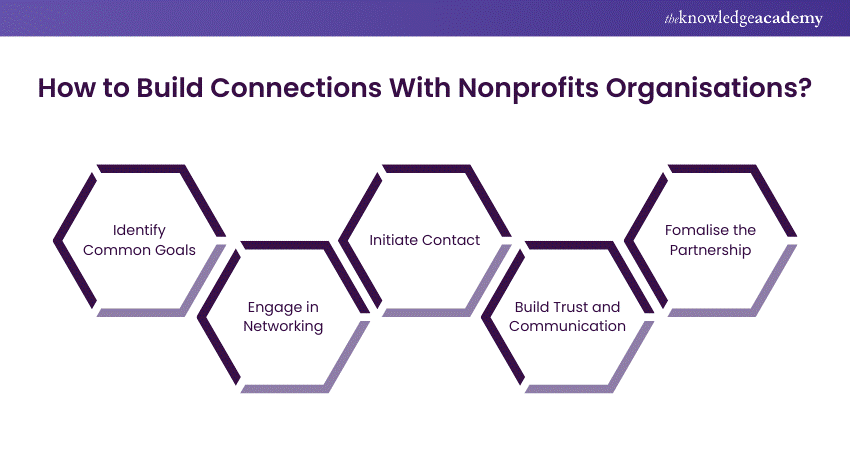
These partnerships can lead to innovative solutions, increased reach, and greater community impact.
Become a catalyst for positive change by joining our ISO 26000 Foundation Training – register now!
10) Include CSR in Meeting Agendas at all Company Levels
Including CSR in meeting agendas at all levels of the company ensures that CSR remains a priority and is regularly discussed. This practice promotes transparency, accountability, and continuous improvement.
Regularly reviewing CSR activities and progress in meetings helps identify challenges, share successes, and align efforts across the organisation.
11) Offer Training for Employees Directly Engaged in CSR Activities
Providing training for employees involved in CSR activities ensures that they have the necessary skills and knowledge to execute CSR initiatives effectively. Training can cover topics such as sustainability practices, ethical decision-making, and stakeholder engagement.
Well-trained employees are better equipped to contribute to the company’s CSR goals and drive meaningful impact.
Enhance your CSR strategy—explore the key ISO 26000 Core Subjects now!
Conclusion
Understanding the key Elements of Corporate Social Responsibility can help organisations commit to ethical practices and sustainable growth. By integrating these elements into your business strategy, you can build trust, foster loyalty, and make a positive impact on society. Start implementing these strategies today and watch your company thrive!
Gain knowledge on implementing social responsibility with our ISO 26000 Social Responsibility Training – Join today!
Frequently Asked Questions
What is the Time Limit for CSR Expenditure?

CSR expenditure may be made only in the financial year to which the expenditure relates. Accrued CSR funds need to be remitted to a CSR account and expended within three years; otherwise, the amount has to be transferred to a government fund.
Is CSR Applicable to Private Companies?
Yes, CSR is applicable to private companies, particularly those meeting specific financial criteria. Business entities with a good net worth turnover, or more have to abide by the CSR norms and have to spend money on social and environmental causes.
What are the Other Resources and Offers Provided by The Knowledge Academy?
The Knowledge Academy takes global learning to new heights, offering over 3,000+ online courses across 490+ locations in 190+ countries. This expansive reach ensures accessibility and convenience for learners worldwide.
Alongside our diverse Online Course Catalogue, encompassing 19 major categories, we go the extra mile by providing a plethora of free educational Online Resources like Blogs, eBooks, Interview Questions and Videos. Tailoring learning experiences further, professionals can unlock greater value through a wide range of special discounts, seasonal deals, and Exclusive Offers.
What is The Knowledge Pass, and How Does it Work?
The Knowledge Academy’s Knowledge Pass, a prepaid voucher, adds another layer of flexibility, allowing course bookings over a 12-month period. Join us on a journey where education knows no bounds.
What are the Related Courses and Blogs Provided by The Knowledge Academy?
The Knowledge Academy offers various ISO 26000 Trainings, including the ISO 26000 Social Responsibility Training, and ISO 26000 Foundation Training. These courses cater to different skill levels, providing comprehensive insights into Corporate Social Responsibility Types.
Our Health and Safety Blogs cover a range of topics related to Corporate Social Responsibility, offering valuable resources, best practices, and industry insights. Whether you are a beginner or looking to advance your Health and Safety knowledge, The Knowledge Academy's diverse courses and informative blogs have got you covered.

Michael Jones


Health and Safety Consultant and Compliance Trainer
Michael Jones is a seasoned health and safety expert with more than 15 years of experience in workplace safety, risk management, and compliance training. He has worked across construction, manufacturing, and corporate sectors, helping organisations meet legal requirements and create safer working environments. Michael’s training and writing are known for being practical, clear, and aligned with UK regulations.

Upcoming Health & Safety Resources Batches & Dates
Date
 ISO 26000 Social Responsibility Training
ISO 26000 Social Responsibility Training
Mon 18th May 2026
ISO 26000 Social Responsibility Training
Mon 20th Jul 2026
ISO 26000 Social Responsibility Training
Mon 5th Oct 2026
ISO 26000 Social Responsibility Training
Mon 7th Dec 2026

 If you wish to make any changes to your course, please


