


 Top Rated Course


We may not have the course you’re looking for. If you enquire or give us a call on +61 1-800-150644 and speak to our training experts, we may still be able to help with your training requirements.
What is an Innovation Framework and Why Does It Matter?
Benjamin Walker 28 April 2026An Innovation Framework is a structured strategy guiding organisations through systematically developing, implementing, and measuring innovative ideas. Comprising components like strategic vision, aligned leadership, and measurement strategies empowers businesses to foster a culture of creativity, adapt to change, and meet evolving customer needs.

Training Outcomes Within Your Budget!
We ensure quality, budget-alignment, and timely delivery by our expert instructors.
Table of Contents

The journey of organisational advancement necessitates a deliberate approach to fostering Innovation. At the heart of this strategic endeavour lies the pivotal concept of an Innovation Framework.
It is beneficial to unravel the Innovation Framework's intricacies, exploring its key components and elucidating how organisations can leverage this structured approach to navigate the landscape of ideas, products, and processes. This blog shall help you learn that an Innovation Framework is a business design structure that operates as a foundation for generating new ideas. Here's how they work. Learn more.
Table of Contents
1) What is an Innovation Framework?
2) Reasons your company needs an Innovation Framework
3) Components of a Framework for Innovation
4) How to create a Framework for Innovation
5) Strategic vision, aligned leadership, and measurement strategy
6) Conclusion
What is an Innovation Framework?
An Innovation Framework is an organisation's systematic and structured approach to foster and manage Innovation effectively. It serves as a roadmap, guiding businesses through the intricate process of ideation, development, and implementation of new ideas, products, or processes.
At its core, an Innovation Framework provides a set of principles, methodologies, and tools that enable businesses to navigate the complexities of the Innovation landscape. Now, the key components of an Innovation Framework typically include processes for idea generation, evaluation, and implementation, as well as mechanisms for continuous improvement. It acts as a unifying structure that aligns organisational goals with creative endeavours, encouraging a culture of experimentation and adaptation.
Innovation Frameworks come in various forms, ranging from models that emphasise collaboration with models that emphasise collaboration with external partners (such as open Innovation Frameworks) to methodologies like design thinking in business and lean startup principles, each tailored to address specific aspects of the Innovation lifecycle.
Ultimately, an Innovation Framework equips organisations with the means to stay agile in the face of rapid change, gain a competitive edge, and nurture a culture that values and embraces creative problem-solving. As businesses increasingly recognise the pivotal role of Innovation in sustaining growth, adopting robust Innovation Frameworks becomes paramount in navigating the complexities of the modern business landscape.

Reasons your company needs an Innovation Framework
Organisations face numerous challenges that demand innovative solutions. Adopting an Innovation Framework is not merely a trend but a strategic imperative for businesses aiming to thrive in the face of uncertainty. Here are five compelling reasons why your organisation needs an Innovation Framework:
Problem-solving catalyst
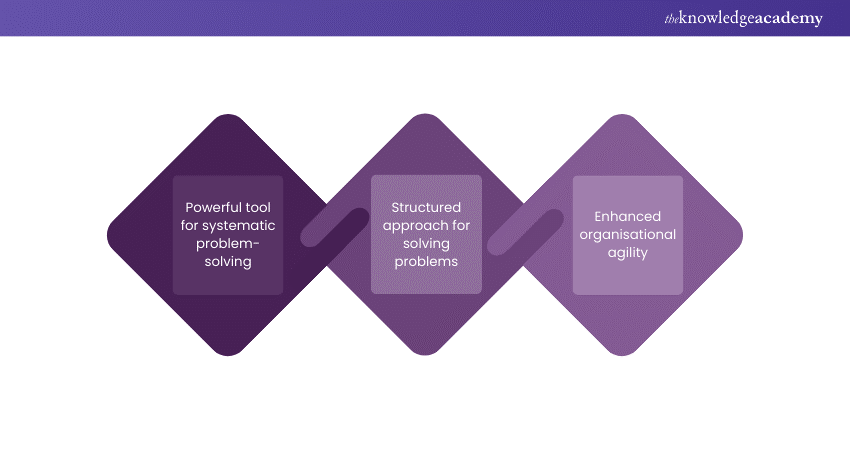
An Innovation Framework serves as a powerful tool for systematic problem-solving. In the dynamic business environment, challenges arise frequently, and traditional solutions may no longer suffice. An Innovation Framework provides a structured approach to identifying, analysing, and solving problems.
Encouraging creativity and out-of-the-box thinking empowers employees to tackle complex issues with fresh perspectives. This problem-solving aspect of the framework enhances the organisation's agility, enabling it to navigate obstacles and capitalise on growth opportunities.
Adaptation to change
Change is inevitable, and organisations that resist or fail to adapt risk obsolescence. Innovation Frameworks are pivotal in helping businesses embrace and navigate change effectively. Whether it's technological advancements, shifts in market dynamics, or regulatory updates, an Innovation Framework equips organisations with the mindset and processes needed to adapt swiftly.
More importantly, it promotes a culture of continuous improvement, encouraging employees to view change as an opportunity rather than a threat. Through proactive adaptation, businesses can stay ahead of the curve and position themselves as industry leaders.
Maximising global opportunities
In an interconnected world, opportunities and challenges extend beyond regional borders. An Innovation Framework enables organisations to maximise global opportunities by fostering collaboration and leveraging diverse perspectives.
Through mechanisms like open Innovation, businesses can tap into external networks, collaborate with partners worldwide, and access a broader pool of ideas and expertise. This global perspective not only enriches the Innovation process but also positions the organisation to compete on a larger scale, ensuring sustained relevance in an increasingly interconnected global economy.
Evolving workplace dynamics
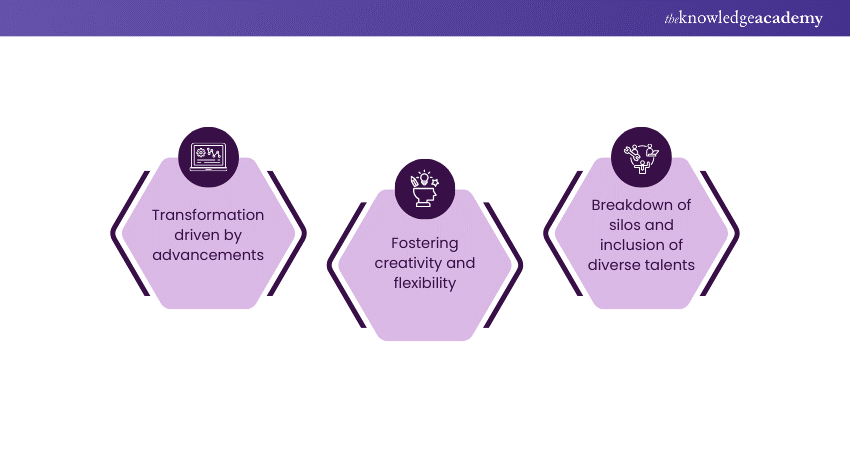
The nature of work is undergoing a profound transformation, driven by technological advancements and changing employee expectations. Innovation Frameworks contribute to evolving workplace dynamics by promoting a culture of creativity, collaboration, and flexibility.
More importantly, they encourage the formation of cross-functional teams, breaking down silos and fostering an environment where diverse talents and skills can intersect. This evolution in workplace dynamics not only enhances employee satisfaction and engagement but also cultivates an innovative ecosystem where ideas flow freely, driving the organisation forward.
Meeting changing customer needs
Customer preferences and needs constantly change, demanding businesses stay attuned and responsive. An Innovation Framework provides organisations with the tools to address changing customer needs proactively.
Further, through methodologies like design thinking, businesses can empathise with their customers, understand their pain points, and create solutions that truly resonate. This customer-centric approach not only enhances product and service offerings but also builds customer loyalty and satisfaction, crucial elements for long-term success in competitive markets.
Components of a framework for Innovation
An effective Innovation Framework comprises several interconnected components, each playing a crucial role in fostering a culture of Innovation and driving meaningful change. Here are the various components of an Innovation Framework described in detail:
Strategic vision
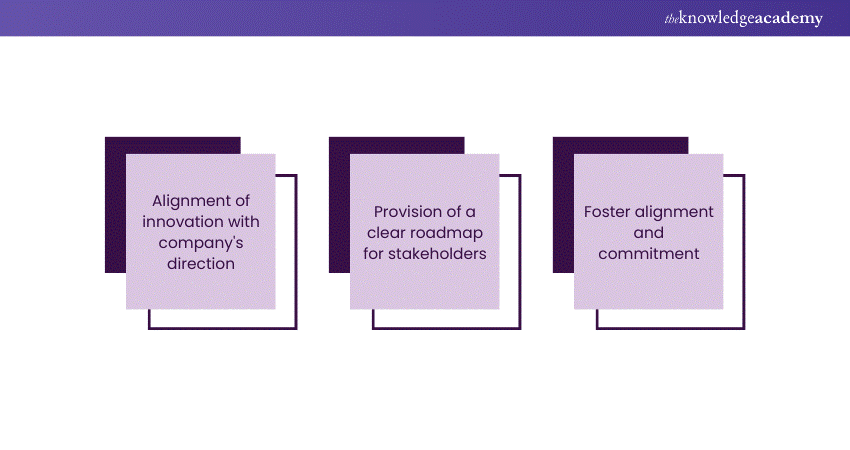
A strategic vision is the guiding light for Innovation initiatives within an organisation. It articulates the long-term goals, mission, and values, aligning Innovation efforts with the company's overall strategic direction.
A well-defined strategic vision ensures that Innovation is not pursued in isolation but is tightly integrated into the broader organisational strategy. It provides a clear roadmap, helping stakeholders understand Innovation initiatives' purpose and desired outcomes and fostering alignment and commitment across the organisation.
Aligned leadership
Effective leadership is a cornerstone of successful Innovation. Aligned leadership involves not only having leaders who understand the importance of Innovation but also those who actively champion and support it.
Leaders must create a conducive environment where risk-taking is encouraged and failure is viewed as a learning opportunity. By aligning leadership with the goals of the Innovation Framework, organisations can instil a sense of purpose, inspire creativity, and ensure that innovative ideas receive the necessary support and resources to flourish.
Measurement strategy
Measuring the success of Innovation initiatives is essential for continuous improvement and resource optimisation. A robust measurement strategy involves defining Key Performance Indicators (KPIs) aligned with Innovation objectives. These KPIs could include metrics such as the number of successful product launches, time-to-market, and return on investment for Innovation projects.
Moreover, the measurement strategy provides a quantitative basis for evaluating the effectiveness of the Innovation Framework, enabling data-driven decision-making and refinement of strategies over time.
Process
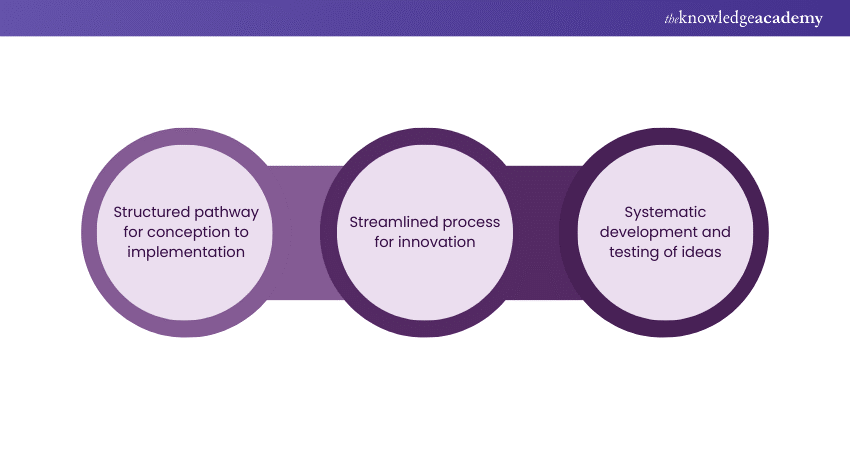
The Innovation process is the structured pathway that ideas follow from conception to implementation. A well-defined process streamlines the Innovation journey, ensuring ideas are systematically developed, tested, and marketed.
This may involve ideation, prototyping, testing, and scaling. An effective process is flexible enough to accommodate different types of Innovation and encourages collaboration among cross-functional teams. By providing a clear framework, organisations can reduce the risk of Innovation bottlenecks and enhance the efficiency of their Innovation endeavours.
Type of Innovation
Innovation comes in various forms, and organisations must be intentional about the types of Innovation they pursue. This could include product, process, Business Model, or even social Innovation.
More importantly, the Innovation Framework should define the focus areas and priorities based on the organisation's strategic goals and market dynamics. Understanding the different types of Innovation ensures that resources are allocated strategically, and that the organisation remains adaptable to changing industry landscapes.
Metrics
Metrics are the quantitative measures used to evaluate the success and impact of Innovation initiatives. These can span a wide range, including financial metrics, customer satisfaction scores, and employee engagement levels.
Further, metrics provide tangible evidence of Innovation performance and help organisations assess whether they are achieving their Innovation goals. The selection of relevant metrics is critical, aligning with both short-term and long-term objectives and providing a comprehensive view of the Innovation landscape.
Knowledge management

Effective knowledge management is vital for nurturing a culture of Innovation. It involves capturing, organising, and sharing knowledge within the organisation to facilitate the Innovation process.
Moreover, this includes documenting lessons learned from past initiatives, creating repositories of best practices, and encouraging the free flow of information. A robust knowledge management system ensures that valuable insights are not lost, fostering continuous learning and improvement in the Innovation journey.
Collaboration and social learning
Innovation thrives in collaborative environments where diverse perspectives intersect. Collaboration involves breaking down silos within the organisation and fostering cross-functional teamwork.
More importantly, social learning emphasises the importance of shared experiences and continuous learning from peers. An Innovation Framework should promote internal and external collaboration, encouraging employees to share ideas, provide feedback, and engage in collaborative problem-solving. This interconnectedness enhances creativity and accelerates the Innovation process.
Culture of Innovation
Perhaps the most critical component, the culture of Innovation, sets the tone for an organisation's approach to creativity and change. It involves fostering a mindset where employees are encouraged to question the status quo, experiment with new ideas, and embrace a tolerance for risk and failure.
A culture of Innovation permeates every aspect of the organisation, from leadership values to employee behaviours. Organisations with a strong Innovation culture are more likely to attract and retain top talent, adapt to market changes, and position themselves as industry leaders.
Curiosity creativity creation

The dynamic triad of curiosity, creativity, and creation lies at the heart of any successful Innovation Framework. Cultivating a culture that embraces curiosity sparks the quest for new ideas while fostering creativity and empowers individuals to think beyond conventional boundaries.
The culmination of these traits is the act of creation, where innovative concepts come to life. This final component encapsulates the essence of Innovation, propelling organisations towards transformative breakthroughs that redefine industries and secure a future of sustained growth and relevance.
How to create a Framework for Innovation
Creating a framework for Innovation involves a strategic and systematic approach that aligns with the organisation's goals and culture. Here are the key steps in a point format:
a) Define clear objectives: Identify the specific Innovation goals aligned with overall business objectives and clarify the expected outcomes and impact on the organisation.
b) Assess current state: Conduct an Innovation audit to evaluate existing processes, capabilities, and culture. Remember to identify strengths, weaknesses, opportunities, and threats related to Innovation.
c) Leadership alignment: Secure commitment and active support from leadership for the Innovation Framework and ensure leaders understand the strategic importance and long-term vision of Innovation.
d) Build cross-functional teams: Form interdisciplinary teams to encourage diverse perspectives and break down silos to facilitate collaboration across departments.
e) Select appropriate Innovation types: Determine the types of Innovation (product, process, business model) aligned with organisational goals. Also, remember to tailor the framework to accommodate various Innovation strategies.
f) Design the Innovation process: Develop a structured Innovation process with distinct stages from ideation to implementation. More importantly, incorporate flexibility to accommodate different types of Innovations.
g) Establish key metrics: Define Key Performance Indicators (KPIs) to measure Innovation success and align metrics with short-term and long-term Innovation goals.
h) Implement knowledge management: Establish systems for capturing, sharing, and managing knowledge and create repositories for best practices, lessons learned, and innovative insights.
i) Encourage collaboration and social learning: Foster a collaborative culture that promotes idea sharing. Additionally, implement platforms for social learning and continuous improvement.
j) Promote a culture of Innovation: Instil a mindset that values curiosity, risk-taking, and creativity and reinforce the importance of Innovation through communication and recognition.
k) Iterative refinement: Continuously assess and refine the Innovation Framework based on feedback and performance metrics. Remember to adapt to changing internal and external factors.
l) Communication and training: Communicate the Innovation Framework across the organisation. Moreover, it provides training to ensure employees understand and embrace the Innovation process.
Strategic vision, aligned leadership, and measurement strategy
The uppermost tier within the Innovation Framework includes three crucial elements for a workplace that fosters Innovation. These are described below:
Strategic vision

A strategic vision not only adds value by delineating future aspirations for Innovation within an organisation but extends beyond that. It plays a pivotal role in the communication process essential for fostering adoption, as it explains the ‘why’ behind the drive to innovate, identifies the innovators and specifies the location and timing of Innovation efforts.
While it's feasible to implement an Innovation Framework without a strategic vision, skipping this step leaves individuals unaware of the objectives, the impact areas, and the designated contributors to the Innovation process.
Leadership in alignment
Intimately connected to creating a strategic vision for Innovation is the alignment of your leadership. Securing leadership support is essential for the broader organisational acceptance and adaptation to a shift towards Innovation.
Without leadership endorsement of the strategic vision, it ceases to be a unifying objective; it remains a mere aspiration. Merely agreeing with the vision is insufficient for leaders, so they must consistently reinforce it and integrate it seamlessly into the organisational culture whenever feasible.
Strategy for measurement
The concluding component in this segment of the Innovation Framework is a measurement strategy. In conjunction with your strategic vision and aligned leadership, it is imperative to establish a consistent process for assessing success.
The overarching objective of constructing an Innovation Framework is to institute a reproducible process for generating new concepts that find internal or external acceptance. The capability to consistently replicate a process necessitates having a set standard for determining success.
Leverage Innovation in your organisation with strategies by signing up for our Managing Innovation Course now!
Conclusion
In conclusion, crafting a robust Innovation Framework is essential for organisations aspiring to navigate the horizon of creativity and change. By integrating strategic vision, aligned leadership, and a meticulous measurement strategy, businesses can foster a culture that consistently drives impactful Innovation, ensuring long-term success and adaptability.
Frequently Asked Questions
Why is an Innovation Framework essential for businesses?

An Innovation Framework is crucial as it provides a systematic approach to ideating, developing, and implementing innovative ideas. It ensures that creativity is not random but follows a structured process, leading to sustainable growth and competitiveness.
How can organisations cultivate a culture of Innovation within their teams?
Cultivating a culture of Innovation involves fostering creativity, encouraging collaboration, and embracing risk-taking. Organisations can achieve this by promoting diverse perspectives, providing resources for experimentation, and recognising and rewarding innovative efforts.
What are the other resources and offers provided by The Knowledge Academy?
The Knowledge Academy takes global learning to new heights, offering over 3,000+ online courses across 490+ locations in 190+ countries. This expansive reach ensures accessibility and convenience for learners worldwide.
Alongside our diverse Online Course Catalogue, encompassing 17 major categories, we go the extra mile by providing a plethora of free educational Online Resources like Blogs, eBooks, Interview Questions and Videos. Tailoring learning experiences further, professionals can unlock greater value through a wide range of special discounts, seasonal deals, and Exclusive Offers.
What is Knowledge Pass, and how does it work?
The Knowledge Academy’s Knowledge Pass, a prepaid voucher, adds another layer of flexibility, allowing course bookings over a 12-month period. Join us on a journey where education knows no bounds.
What are related Leadership Training courses and blogs provided by The Knowledge Academy?
The Knowledge Academy offers various courses on Leadership Training, including Managing Innovation, Business Development Training and Decision-Making Training. These courses cater to different skill levels, providing comprehensive insights into the Innovation Courses.
Our Business skills blogs cover a range of topics related to the Innovation Framework, offering valuable resources, best practices, and industry insights. Whether you are a beginner or looking to advance your Leadership Training skills, The Knowledge Academy's diverse courses and informative blogs have you covered.

Benjamin Walker


Leadership Development Coach and Management Consultant
Benjamin Walker is a leadership coach and business consultant with over 18 years of experience in guiding organisations through strategic growth and transformation. He specialises in developing leadership capabilities at all levels, from emerging managers to executive teams. Benjamin’s work focuses on practical leadership, team dynamics, and performance management.
View Detail

 If you wish to make any changes to your course, please


