


 Top Rated Course

We may not have the course you’re looking for. If you enquire or give us a call on 800969236 and speak to our training experts, we may still be able to help with your training requirements.
What is a Cloud Service Provider and How Does it Work?
Richard Harris 07 May 2026A Cloud Service Provider is a company that offers cloud-based services like computing platforms such as storage databases and ready-to-go web applications. They help businesses scale quickly to reduce IT costs. They offer tools for backup, recovery, and real-time collaboration, making cloud solutions a smart choice for modern businesses.

Training Outcomes Within Your Budget!
We ensure quality, budget-alignment, and timely delivery by our expert instructors.
Table of Contents
What if your entire business could run faster, safer, and smarter, without any heavy hardware or constant maintenance? That’s where the power of cloud technology comes into action. Did you know that over more than 90% of companies worldwide now rely on cloud computing to run their operations? A Cloud Service Provider is firm that offers cloud-based services like computing platforms such as storage, databases, and ready-to-go web applications.
As we move into 2025, the cloud landscape is more competitive and innovative than ever. In this blog, we’ll cover an overview of Cloud Service Providers and highlight the top 10 providers to watch this year.
Table of Contents
1) What is a Cloud Service Provider?
2) Types of Cloud Service Providers
3) Benefits of Cloud Service Providers
4) Challenges of Cloud Service Providers
5) 13 Top Cloud Service Providers In 2025
6) Conclusion
What is a Cloud Service Provider?
A Cloud Service Provider (CSP) is a company that offers computing services over the internet. Cloud services have transfigured the traditional practice of buying and managing their own physical servers. Business entities can rent these services by paying only for the required usages.
This makes it easier to save money, scale quickly, and run operations more efficiently without any interruptions. They also cooperate with data backup, security, disaster recovery and compliance. Amazon Web Services (AWS), Microsoft Azure and Google Cloud are top Cloud Service Providers that offer strong support with their reliable services in global networks.
They play a key role in helping businesses grow and work smarter by staying competitive as more companies move to the cloud. Choosing the right Cloud Service Provider can make a big difference in the performance, management and adaptations of a company.
Types of Cloud Service Providers
Cloud Service Providers offer various models to meet different business needs. There are different types of Cloud Service Providers, and each type supports specific tasks by helping organisations choose what fits best. Let’s explore these types in detail:

1) IaaS Cloud Providers
Infrastructure as a Service (IaaS) offers virtualised computing resources over the internet. It comprises of servers, storage and networking facilities. Businesses can build and manage their own applications, while the provider handles the hardware. Amazon Web Services (AWS), Microsoft Azure and Google Cloud Platform (GCP) are better examples of IaaS cloud providers.
2) SaaS Cloud Providers
Software as a Service (SaaS) delivers fully developed applications over the internet. It minimises the effort as users don’t need to install or maintain software, they can simply access it via browser. This model is ideal for tools like email, Customer Relationship Management (CRM) and office applications. Google Workspace, Salesforce, and Microsoft 365 are better examples of SaaS cloud providers.
3) PaaS Cloud Providers
Platform as a Service (PaaS) offers a framework for developers to build, test and deploy applications without managing the infrastructure. It includes operating systems, databases and development tools. Heroku, Red Hat OpenShift and Google App Engine are better examples of PaaS cloud providers.
4) Function as a Service (FaaS)
Function as a Service (FaaS) offers a serverless computing system which allows developers to run code in response to events. They need not manage servers which helps to reduce costs as the charges only apply for time code runs. AWS Lambda, Google Cloud Functions and Azure Functions are better examples of FaaS cloud providers.
Benefits of Cloud Service Providers
Cloud Service Providers have allowed businesses to transform their operations. They offer flexible, affordable and scalable solutions which helps companies to progress cost efficiently. Here are some of the key benefits of acquiring a Cloud Service Provider:
1) Cost-efficient
Cloud Services can really reduce most of your cost in major areas of your business. Companies are no longer in the need of investing in expensive hardware's or pay for any maintenance. They work on pay-as-you-go billing models which allows businesses to pay only for the resources they use. It is the one of the reasons why cloud solutions remain as a saviour for startups and enterprises.
2) Reliability
Cloud Services help businesses to reduce costly downtime to maintain smooth operations. They invest more in the infrastructure to main high level of reliability. The Service Level Agreements (SLAs) ensures an uptime more than 99.9%, which allows the services to be available all time. They use automated monitoring and failover systems which instantly detect and fix problems which create impact in users.
3) Scalability
Cloud Services are highly scalable as it has the ability to increase or decrease computing resources in a rapid and efficient way. There are two types of scalabilities in cloud, Vertical Scalability associates in adding more power (CPU, RAM) to an existing server, whereas, Horizontal Scalability means adding more servers to distribute the load. This feature helps startups, seasonal businesses and companies which revolve on unpredictable workloads.
4) Data Backup and Disaster Recovery
Cloud Service Providers have built-in tools for automated data backup and disaster recovery. It helps in scenarios like accidental deletion, system failure or cyberattacks as data can be restored quickly. Data Backup involves creating copies of your data and storing them securely in the cloud, whereas Disaster Recovery helps organisations in serious events like cyberattacks, system crashes etc.
Step Into the Future of Cloud and database with our Google Cloud Platform Fundamentals Course - Register now!
Challenges of Cloud Service Providers
Cloud Service Providers bring many benefits, but it also implies some potential challenges. Let us discern the challenges to choose the right service providers:
1) Data Confidentiality
Data Confidentiality is a very important aspect in data management. If the service provider didn’t follow strict privacy protocols, then there is a huge risk of data being exposed. Business should be very heedful in checking the provider’s policies and compliance standards carefully.
2) Data Security
Cloud Services invest lot of cost and attention in data security but still there is always a risk of cyberattacks. Businesses should imply their own security measures with strong passwords, encryptions and access controls to add more security to your data.
3) Infrastructure Control Limitations
Users depend on provider’s system and settings. Hence, this arises a limited control over the underlying infrastructure. This can be a drawback for businesses who need specific configurations or high-performance systems.
4) Vendor Lock-in
Users switching from one service provider to another service provider can be complex and costly, because different service providers use different technologies which makes data migration complicated. Businesses should be mindful in choosing the right service provider.
13 Top Cloud Service Providers In 2025
Here’s a snapshot of the top Cloud Service Providers in 2025, offering a range of solutions from hybrid cloud to AI-driven platforms, designed to meet the needs of businesses of all sizes:
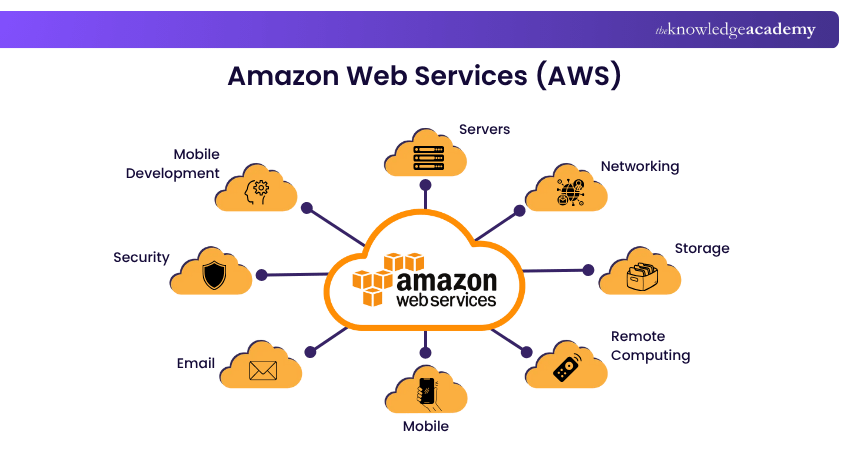
1) Amazon Web Services (AWS): Infrastructure-as-a-Service (IaaS)
AWS is the global leader in Cloud Computing that offers over 200 on-demand services across compute, storage, databases and analytics. Its architecture supports high availability with multiple availability zones and global infrastructure. It excels in scalability, fault tolerance and enterprise-grade security which makes it ideal for both startups and large organisations.
2) Microsoft Azure: Hybrid Cloud and Enterprise Cloud Services
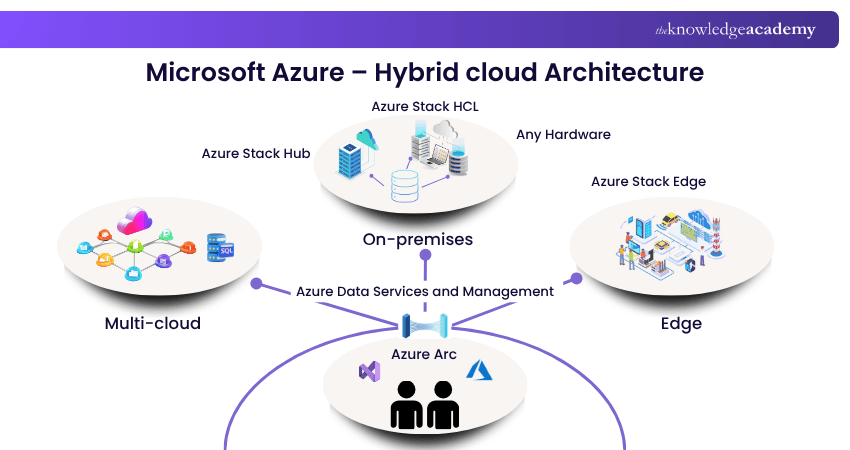
Azure offers one of the most powerful hybrid cloud solutions. Using Azure Arc, Azure Stack, and ExpressRoute, businesses can manage on-premises and multi-cloud environments in one go. It integrates smoothly with Microsoft products and provides strong AI, Machine Learning, and compliance features that are perfect for enterprises with complex IT setups.
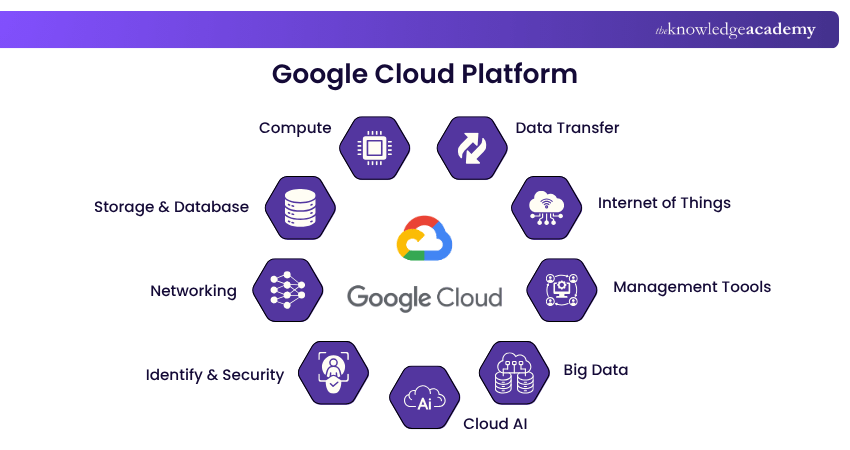
3) Google Cloud Platform: AI, ML, and Kubernetes
Google Cloud Platform (GCP) is best known for its data and AI capabilities. It includes tools like BigQuery, Vertex AI, and Google Kubernetes Engine (GKE). They have a fast and efficient data processing and container orchestration. Its Anthos platform enables hybrid and multi-cloud deployments. GCP is ideal for data-driven and modern app development.
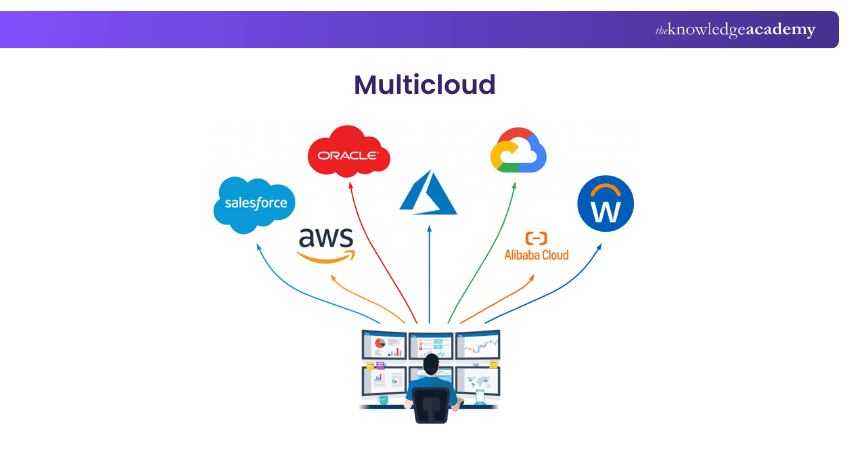
4) IBM Cloud: Multi-cloud CSP
Multi-cloud is the usage of services from more than one Cloud Service Providers simultaneously. IBM Cloud supports multi-cloud and hybrid strategies with tools like IBM Cloud Satellite and Red Hat OpenShift. It enables consistent development and operations across cloud environments like AWS, Azure, and on-premises. With AI tools like Watson and a focus on data security, it’s well-suited for regulated industries.
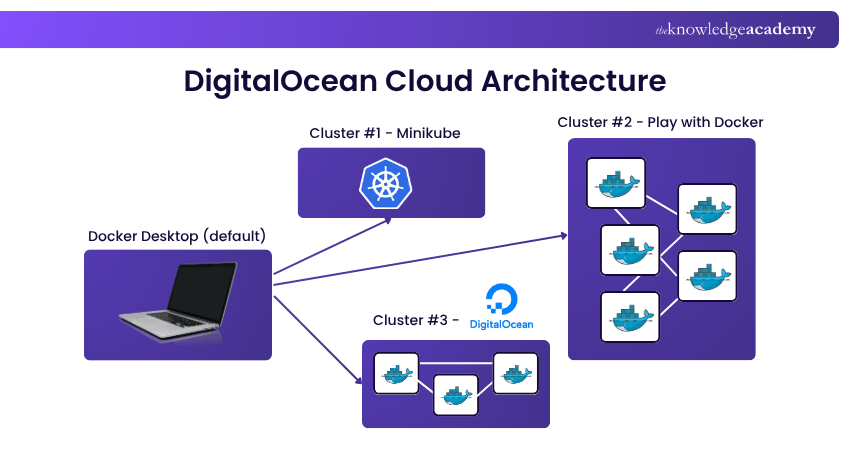
5) DigitalOcean Cloud: Cloud Computing Tools for SMBs and Developers
DigitalOcean’s cloud architecture is simple, scalable, and ideal for developers. It features Droplets (VMs), a managed App Platform, Kubernetes clusters, object and block storage, VPC for network isolation, and built-in load balancers and firewalls. It’s designed for fast, secure, and cost-effective app deployment.
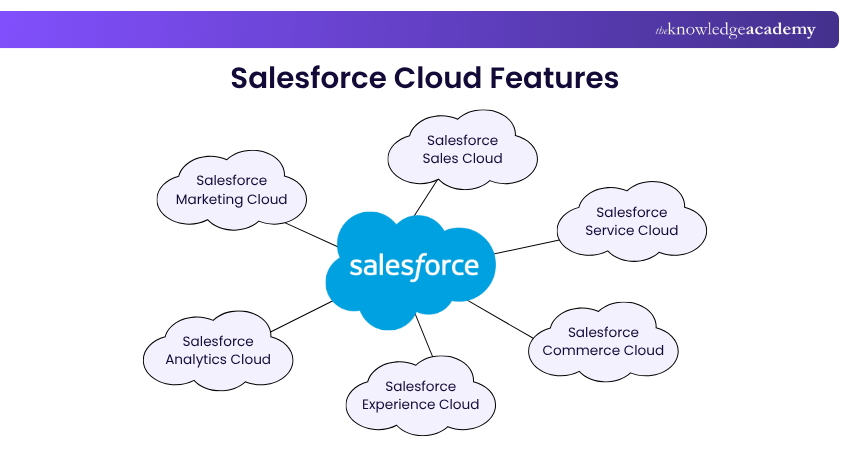
6) Salesforce Cloud: Cloud-hosted Services
Salesforce offers different cloud solutions for various business needs. Sales Cloud helps manage leads and close deals, while Service Cloud supports customer service operations. Marketing Cloud enables personalised campaigns, and Commerce Cloud powers online sales. Experience Cloud is used for creating portals. There are also clouds for analytics, healthcare, finance, manufacturing, and system integration in Salesforce.
7) Tencent Cloud
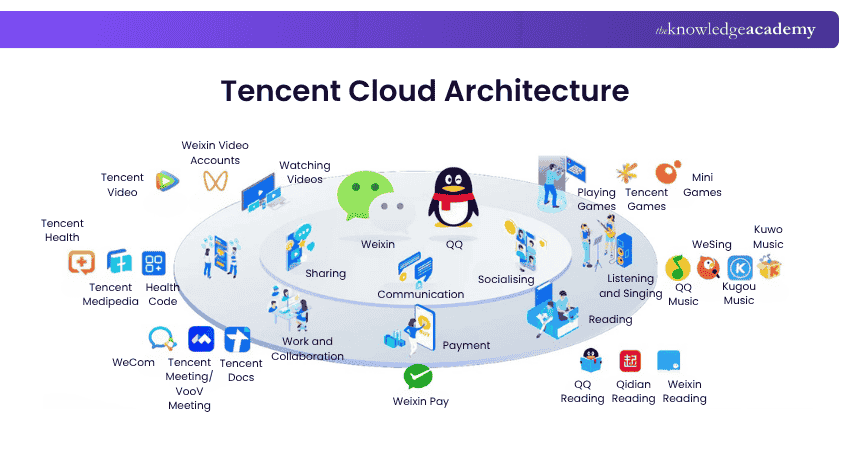
Tencent Cloud powers a vast digital ecosystem that supports everyday services like WeChat, QQ, Tencent Video, and WeChat Pay. Its scalable, low-latency architecture combines Cloud Computing, AI, big data, and real-time communication to deliver seamless experiences in entertainment, finance, healthcare, and education It connects millions through a unified digital platform.
8) Oracle Cloud Infrastructure (OCI): All-around CSP with a Focus on Databases, Custom Apps
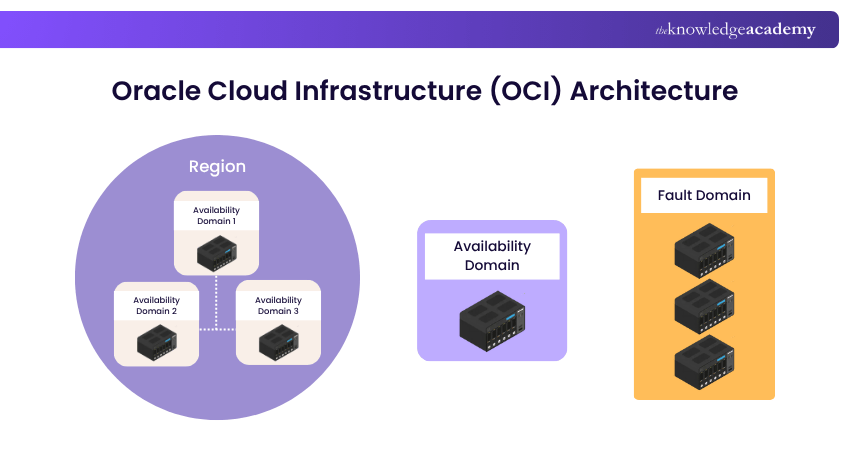
Oracle Cloud Infrastructure (OCI) is built for reliability and uptime. A region is a physical location, like Mumbai or London, where Oracle has data centres. Each region has availability domains, which are separate data centres so one can fail without affecting the others. Inside these are fault domains, which spread out your resources to avoid problems if a server or rack goes down. This setup keeps your apps running smoothly.
9) Dell Technologies Cloud: Virtualisation Via VMware
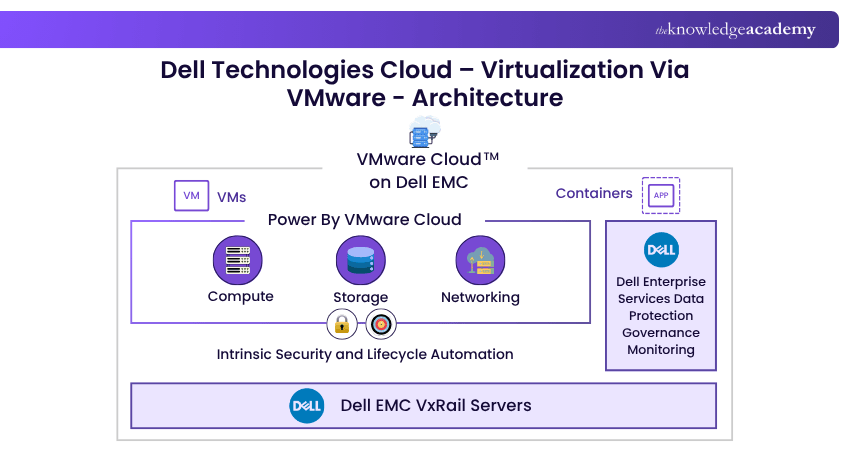
Dell Technologies Cloud combines Dell infrastructure with VMware to create a seamless hybrid cloud. Using VMware Cloud Foundation, it integrates compute, storage, and networking for consistent performance across on-premises and public clouds like AWS. It enables easy workload mobility, automation, and scalability, making it ideal for businesses using VMware that want to modernise IT without disrupting existing systems.
10) Cisco Cloud Solutions: Best Used for Hybrid Cloud Strategies
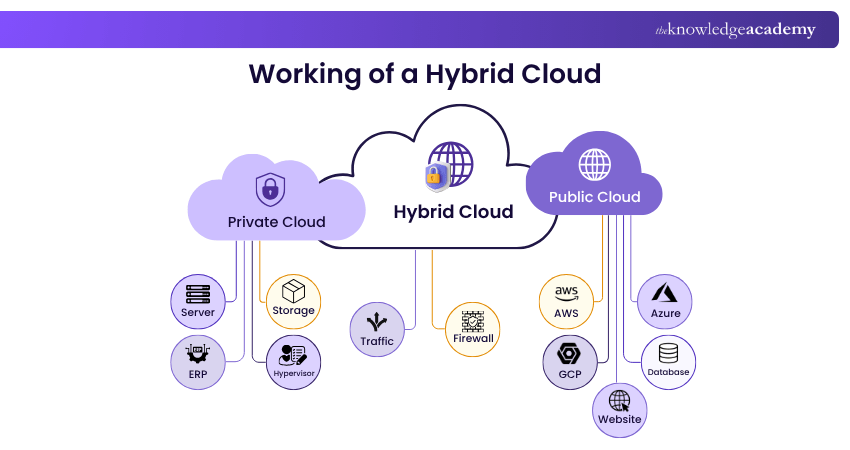
A hybrid cloud blends on-premises systems with public cloud, offering flexibility and control. Cisco Cloud supports hybrid strategies with tools like Intersight for unified management, ACI for automated networking, and SecureX for strong security. CloudCenter and InterCloud Fabric enable secure workload movement, making Cisco ideal for businesses needing reliable, secure, and scalable hybrid cloud solutions.
Conclusion
Cloud Service Provider will continue to reshape how businesses operate, offering unmatched flexibility, scalability, and innovation. Whether you're a startup or an enterprise, choosing the right cloud partner is crucial for success in today’s digital world. By understanding the benefits, challenges, and top players in the market, you can make informed decisions that support performance, security, and long-term growth in an evolving tech landscape.
Unlock the Power of Google Cloud with our Cloud Computing Training - Sign up today!
Frequently Asked Questions
Which Cloud Platform is Best?

The best cloud platform depends on your needs. AWS offers broad services and scalability, Azure integrates well with Microsoft tools, and Google Cloud excels in data and AI. Consider factors like pricing, features, support, and compatibility with your existing systems.
What's the Difference Between a Cloud and Data Center?
A cloud is a virtual service that delivers computing over the internet, while a data centre is a physical facility housing servers and hardware. Cloud services are scalable and managed by providers, whereas data centres require in-house setup, maintenance, and infrastructure.
What are the Other Resources and Offers Provided by The Knowledge Academy?
The Knowledge Academy takes global learning to new heights, offering over 3,000+ online courses across 490+ locations in 190+ countries. This expansive reach ensures accessibility and convenience for learners worldwide.
Alongside our diverse Online Course Catalogue, encompassing 17 major categories, we go the extra mile by providing a plethora of free educational Online Resources like Blogs, eBooks, Interview Questions and Videos. Tailoring learning experiences further, professionals can unlock greater value through a wide range of special discounts, seasonal deals, and Exclusive Offers.
What is The Knowledge Pass, and How Does it Work?
The Knowledge Academy’s Knowledge Pass, a prepaid voucher, adds another layer of flexibility, allowing course bookings over a 12-month period. Join us on a journey where education knows no bounds.
What are the Related Courses and Blogs Provided by The Knowledge Academy?
The Knowledge Academy offers various Google Cloud Certification, including Google Bigtable Training, Google Cloud Developer Training and Google Business Intelligence Professional Training. These courses cater to different skill levels, providing comprehensive insights into Cloud Collaboration.
Our Cloud Computing Blogs cover a range of topics related to Cloud Services, offering valuable resources, best practices, and industry insights. Whether you are a beginner or looking to advance your Cloud Computing skills, The Knowledge Academy's diverse courses and informative blogs have got you covered.

Richard Harris


Senior Full Stack Developer and Technology Educator
Richard Harris is a highly experienced full-stack developer with deep expertise in both frontend and backend technologies. Over his 12-year career, he has built scalable web applications for startups, enterprises and government organisations. Richard’s writing combines technical depth with clear explanations, ideal for developers looking to grow in modern frameworks and tools.

Upcoming Cloud Computing Resources Batches & Dates
Date
 Google Cloud Developer Certification
Google Cloud Developer Certification
Fri 14th Aug 2026
Google Cloud Developer Certification
Fri 4th Dec 2026

 If you wish to make any changes to your course, please


