


 Top Rated Course

We may not have the course you’re looking for. If you enquire or give us a call on +44 20 4538 6376 and speak to our training experts, we may still be able to help with your training requirements.
What is Customer Acquisition? Strategies and Examples
James Smith 09 February 2026Customer Acquisition is the process of bringing in new customers through targeted marketing, sales funnels, and value-driven outreach. It involves identifying ideal customer profiles, refining campaigns based on performance data, and leveraging channels like Search Engine Optimisation (SEO) and social media to scale growth efficiently.

Training Outcomes Within Your Budget!
We ensure quality, budget-alignment, and timely delivery by our expert instructors.
Table of Contents
Let’s say that you have just launched a brilliant online store, that include sleek design, and top-notch products; but no one’s buying. What’s missing? That crucial first step: Customer Acquisition. It’s the art of turning strangers into paying customers. But how do you grab someone’s attention in a world bursting with options? And once you’ve got it, how do you get them to act?
This strategy isn’t just about ads or discounts; it’s about creating the right experience at the right time. This blog will unpack what Customer Acquisition really means, spotlight strategies that work, and share real-life examples to bring it all together. Eager to find out how brands build loyal audiences from scratch? Read ahead.
Table of Contents
1) What is Customer Acquisition?
2) Importance of Customer Acquisition
3) Customer Acquisition Purpose
4) Strategies for Customer Acquisition
5) The Customer Acquisition Funnel
6) What is Acquisition Marketing?
7) Acquisition Channels
8) Examples of Customer Acquisition
9) Customer Acquisition Challenges and Solutions
10) Differences Between Customer Acquisition and Marketing
11) Conclusion
What is Customer Acquisition?
Customer Acquisition is the backbone for any business, as it deals with attracting new customers and converting them into paying clients. The influx of new customers contributes to business growth and sustainability. Without it, business may collapse. Since it's an ongoing effort, companies need to find new ways to interact with their potential customers.
Customer Acquisition and the Customer Lifecycle
The lifecycle of a customer consists of four key stages:
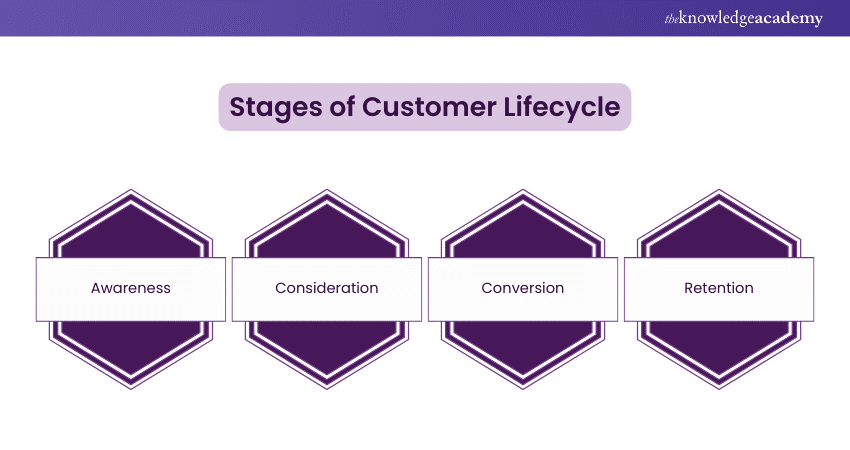
a) Awareness: In this stage, customers learn about your business and products or services
b) Consideration: Customers assess whether your offerings meet their demands or not
c) Conversion: Then, the customer decides about purchasing your products or services
d) Retention: In the final stage, businesses emphasise keeping the customers to do repeated business
An effective Customer Acquisition is vital for guiding your prospects through these stages, ultimately fostering loyalty.
Importance of Customer Acquisition
Customer Acquisition is key to keeping your business healthy and growing. Here’s why it matters:
a) Drives Growth: New customers are essential to move your business forward.
b) Balances Customer Churn: It helps replace customers who naturally drop off over time.
c) Boosts Revenue Flow: More customers mean more chances to earn.
d) Builds Brand Visibility: Reaching new people gets your name out there.
e) Ensures long-term success: Fresh customer interest keeps your business future-ready.
Customer Acquisition Purpose
So, why does Customer Acquisition matter? It’s not just about quick wins; it’s about setting your business up for long-term growth. Here’s what it helps you do:
a) Grow Your Customer Base: Attract new people who are genuinely interested in your product or service.
b) Build Brand Awareness: Get your name out there and let people know you exist.
c) Boost Revenue: More customers often lead to more sales; it’s that simple.
d) Stay Competitive: Win attention before your competitors do.
e) Encourage Loyalty: A great first experience can turn new customers into repeat ones.
Optimise your conversions with our Conversion Rate Optimisation Training – Register now!
Strategies for Customer Acquisition
To acquire new customers, you need a high-level business strategy. Here are seven Customer Acquisition strategies:

1) Build an Outstanding Website
A visually appealing, easy-to-navigate website builds trust and keeps visitors engaged. It should clearly communicate who you are, what you offer, and how customers can take the next step; whether that’s making a purchase, signing up, or booking a call.
That means having fast loading speeds, mobile responsiveness, and clear calls-to-action is critical. A good website isn’t just about looks; it’s a 24/7 salesperson working quietly in the background.
2) Enhance Your Mobile User Experience
Mostly, website traffic now comes from mobile devices. That means your website must be just as functional and attractive on a phone as it is on a desktop. A poor mobile experience can cost you leads, especially if your pages are slow to load or hard to navigate.
Think about how people use their phones during quiet moments: while having coffee, commuting, or watching Television (TV). This shift in behaviour offers more touchpoints to connect with potential customers. Make it easy for them to sign up, contact you, or request a demo with just a few taps.
3) Leverage AI for Proactive Customer Acquisition
Artificial Intelligence (AI) has become a powerful tool for smart customer engagement. Features like chatbots can greet users, answer common queries, or guide visitors to relevant pages; all without human intervention. These simple tools create a proactive experience, showing customers you’re there to help before they even ask.
Even a basic popup asking if someone needs help can nudge them in the right direction. By automating parts of the acquisition journey, you make it easier for people to connect and convert.
Kickstart your career with our expert-led Digital Marketing Courses – join us now!
4) Provide Sales Teams with Access to Customer Insights
Having access to customer data is a game-changer for acquisition. From browsing habits to previous interactions, customer insights allow your sales team to tailor their approach and connect on a more personal level. This creates more relevant conversations and better outcomes.
Instead of guessing what a customer wants, your team can use analytics and behavioural data to deliver exactly what they’re looking for. Companies that use data-driven sales strategies see up to a 15% increase in productivity and 5–10% revenue growth, according to McKinsey. It’s not about cold calls; it’s about informed, helpful conversations.
5) Pay Attention to Customer Feedback
Your customers are already telling you what they want; you just need to listen. Feedback from surveys, online reviews, support chats, and social media offers valuable clues about what’s working and what’s not. This input helps shape better products, refine your messaging, and fix issues that might be costing you conversions.
Ignoring customer feedback is like trying to steer a ship with your eyes closed. Whether it comes from happy buyers or missed opportunities, every comment is a chance to learn. Plus, people are more likely to support brands that listen and respond to their concerns.
6) Utilise CRM Tools
Customer Relationship Management (CRM) systems are essential for tracking, managing, and converting leads. With the right CRM, you can automate follow-ups, segment audiences, and personalise your outreach; saving time while increasing results. It’s like having a digital assistant that never forgets a name or a deadline.
CRMs like HubSpot, Salesforce, or Zoho also help align marketing and sales teams, ensuring no lead falls through the cracks.
7) Focus on Improving the Customer Experience
Customer Acquisition doesn’t end at the first click. If your website is confusing or your service is clunky, potential buyers will walk away. A smooth, frustration-free experience builds trust and makes people more likely to return. Clear navigation, fast load times, and well-placed information are essential.
Beyond function, emotion matters. Personal touches like tailored recommendations or a simple thank-you email can make people feel valued. The better the experience, the easier it is to earn loyalty from the very start.
Ready to write words that sell? Join our Copywriting Course and turn your ideas into impact!
Learn effective Content Marketing techniques with our Content Marketing Course – Sign up now!
8) Work with Marketing to Improve the Quality of Leads
When sales and marketing teams work together, great things happen. Marketing can attract the right people using content and data, while sales take over with personalised outreach. Regular collaboration ensures everyone is chasing the same goals with the same insights.
According to LinkedIn, companies with tightly aligned sales and marketing teams see 36% higher customer retention and 38% higher sales win rates. By sharing data, refining targeting, and communicating consistently, both teams can focus on quality over quantity; leading to better leads and smoother conversions.
9) Add Services on Top of Existing Products and Services
Expanding offerings by adding complementary services enhances customer value and increases revenue potential. Businesses can provide solutions tailored to customer needs, improving satisfaction and retention rates.
Bundling additional services with existing products creates upselling opportunities and strengthens customer relationships. This approach differentiates the brand from competitors and ensures long-term loyalty.
The Customer Acquisition Funnel
The Customer Acquisition funnel outlines the journey from awareness to conversion, helping businesses streamline their marketing and sales strategies. It consists of stages like awareness, interest, consideration, and decision, each requiring targeted efforts.
By optimising every stage with engaging content, personalised outreach, and strategic follow-ups, businesses can increase conversion rates. Analysing funnel performance helps identify gaps and refine strategies for better customer engagement.
Awareness
This is the stage where potential customers first discover your brand through ads, content, or social media. The goal is to capture attention and generate brand recognition.
Interest
At this point, prospects actively engage with your content, exploring your offerings through blogs, emails, or webinars. Businesses must nurture interest by providing valuable and relevant information.
Consideration
Prospective buyers evaluate your product or service against competitors, assessing features, pricing, and benefits. Providing case studies, testimonials, and product comparisons helps build trust.
Intent
Customers show clear buying intent by signing up for demos, adding products to carts, or requesting quotes. Businesses should offer personalised assistance to encourage decision-making.
Purchase
The final stage where the customer completes the transaction, making a purchase. Ensuring a seamless checkout process and excellent post-sale support enhances customer satisfaction.
What is Acquisition Marketing?
Acquisition Marketing is the strategy of attracting and converting new customers through targeted campaigns and outreach efforts. It focuses on generating brand awareness and guiding potential buyers through the sales funnel.
By leveraging data-driven tactics such as SEO, social media, and paid advertising, businesses can efficiently acquire high-quality leads. A strong acquisition strategy ensures sustainable growth and long-term customer retention.
Acquisition Channels
Acquisition channels are the various platforms and methods businesses use to attract new customers. These include organic channels like content marketing, SEO, and referrals, as well as paid channels like PPC and social media ads.
Each channel plays a crucial role in engaging different audience segments, requiring tailored messaging and strategies. A diversified acquisition approach helps businesses maximise reach and optimise conversion rates.
Content Marketing
Content Marketing involves creating valuable, relevant content to attract and engage potential customers. Blogs, videos, infographics, and guides help establish authority and drive organic traffic. Consistently providing high-quality content nurtures leads and improves brand awareness. A strong content strategy supports SEO, social media, and email marketing efforts.
Social Media
Social media platforms help businesses connect with their audience, build brand awareness, and generate leads. Companies can leverage organic engagement, paid ads, influencer partnerships, and community interactions. Effective social media marketing involves creating engaging content tailored to platform algorithms. A well-structured strategy fosters customer relationships and brand loyalty.
a) Organic Social Media
Organic social media involves non-paid content like posts, stories, and community engagement. It builds brand trust and fosters audience interaction over time.
b) Paid Social Media
Paid social media uses targeted advertisements to reach specific audiences on platforms like Facebook, LinkedIn, and Instagram. It ensures faster visibility and lead generation through promoted posts and display ads.
Display Ads, Video Ads, Audio Ads
These ads appear on websites, streaming platforms, and apps to capture audience attention. Display ads use banners, video ads engage visually, and audio ads target listeners on podcasts or radio. A well-placed ad campaign improves brand recall and encourages conversions. Personalised and interactive ads enhance engagement and ROI.
Email Marketing
Email marketing nurtures leads by sending personalised messages, promotional offers, and newsletters. Automated campaigns help maintain consistent customer engagement and encourage conversions. A well-structured email strategy improves retention and re-engagement. Segmentation and personalisation enhance open rates and response rates.
Search
Search marketing helps businesses reach potential customers when they actively look for solutions online. It includes both organic (SEO-driven) and paid (PPC) strategies to improve visibility. Effective search marketing boosts brand credibility and website traffic. A well-optimised strategy enhances conversion rates and business growth.
a) Organic Search
Organic search relies on SEO tactics like keyword optimisation, backlinks, and quality content. Ranking higher in search results boosts credibility and long-term visibility.
b) Paid Search
Paid search involves bidding on keywords to appear at the top of search results. Pay-per-click (PPC) ads drive immediate traffic and conversions for targeted queries.
Referrals
Referral marketing leverages word-of-mouth by encouraging customers to recommend a brand. Incentives like discounts or rewards help drive more conversions. A strong referral initiative builds trust and loyalty among new customers. Satisfied customers become brand advocates, boosting credibility.
Events
Events help businesses engage with their target audience through networking, product demonstrations, and industry discussions. Hosting or participating in events enhances brand authority and customer relationships. Virtual and in-person events attract high-quality leads. Webinars, trade shows, and conferences offer valuable direct interactions.
Traditional Advertising
Traditional advertising includes print, TV, radio, and billboard ads to reach a broad audience. It remains effective for brand awareness and mass-market engagement. Although digital marketing dominates, traditional ads still drive results in certain industries. A balanced strategy combining traditional and digital efforts maximises impact.
Examples of Customer Acquisition
Here are the three examples of Customer Acquisition instances that can help businesses can to grow their customer base:
1) Free Coffee to Welcome New Faces
A local café kicks off its grand opening by offering free coffee for a day. It’s a simple gesture that draws in foot traffic, sparks curiosity, and gives people a reason to remember the place and return.
2) First-time Buyer Discounts Online
While browsing online, you find a brand you’ve never shopped from before. A pop-up appears offering 15% off your first order if you join their mailing list. It’s a straightforward way to turn a casual visitor into a paying customer.
3) Free Trials From Software Providers
A freelancer in need of better organisation finds a software tool that offers a 14-day free trial. With no upfront cost, it’s an easy decision to try it out, and once it becomes part of their routine, making the switch to a paid plan feels natural.
Customer Acquisition Challenges and Solutions
Businesses frequently face numerous challenges when it comes to their organic Customer Acquisition strategies, such as:
1) Competition
It can be tough to differentiate yourself in a crowded market, but you can tackle this hurdle by developing a compelling value proposition. By utilising precise marketing tactics, your company can successfully stand out and attract interest in a competitive market.
2) Limited Brand Awareness
A business lacking in recognition often faces challenges in persuading customers to select their products or services. Utilising Content Marketing, establishing strategic partnerships, and interacting with audiences on social media can effectively boost brand visibility and create trust with potential customers to tackle this obstacle.
3) High Customer Acquisition Costs
Investing in advertising can be costly and have a major impact on the bottom line. To save money, businesses can concentrate on natural tactics for growth like referral schemes and Search Engine Optimisation (SEO), which bring in traffic and engagement without the requirement for continuous advertising expenses.
4) Long Sales Cycles
Businesses frequently encounter the difficulty of navigating intricate sales procedures, which can hinder the conversion of leads. One way to address this issue is by creating a sales funnel that increases customer awareness and leads them through the process of becoming clients.
5) Customer Churn
Retaining customers can be challenging in a competitive market. To tackle this issue, it is crucial to give importance to customer happiness and introduce loyalty schemes to gain a better understanding of customer requirements. By concentrating on these aspects, you can improve the customer experience and establish enduring connections that promote customer loyalty.
Differences Between Customer Acquisition and Marketing
Here’s how Customer Acquisition differs from marketing:

Conclusion
To conclude, Customer Acquisition is more than a marketing goal; it’s the starting point of every great customer journey. When done right, it turns interest into action and browsers into loyal buyers. The key? Understand what your audience needs, meet them where they are, and make every first impression count.
Master the art of boosting your online sales – sign up for our Ecommerce Strategy Course and turn clicks into customers!
Frequently Asked Questions
What are the Three Stages of Customer Acquisition?

The three stages of Customer Acquisition are Awareness, Consideration, and Conversion. In the Awareness stage, potential customers discover a brand through ads or social media. During the Consideration stage, prospects evaluate their options by reading reviews. The Conversion stage, customers make a purchase or take the desired action.
What are the Three C's of Customer Engagement?
The Three C’s of Customer Engagement are Content, Communication, and Community. Content attracts and educates customers via blogs, videos, and social media. Communication fosters relationships through emails, chats, and feedback. Community builds brand loyalty through forums, social groups, and user interactions.
What are the Other Resources and Offers Provided by The Knowledge Academy?
The Knowledge Academy takes global learning to new heights, offering over 3,000+ online courses across 490+ locations in 190+ countries. This expansive reach ensures accessibility and convenience for learners worldwide.
Alongside our diverse Online Course Catalogue, encompassing 19 major categories, we go the extra mile by providing a plethora of free educational Online Resources like Blogs, eBooks, Interview Questions and Videos. Tailoring learning experiences further, professionals can unlock greater value through a wide range of special discounts, seasonal deals, and Exclusive Offers.
What is The Knowledge Pass, and How Does it Work?
The Knowledge Academy’s Knowledge Pass, a prepaid voucher, adds another layer of flexibility, allowing course bookings over a 12-month period. Join us on a journey where education knows no bounds.
What are the Related Courses and Blogs Provided by The Knowledge Academy?
The Knowledge Academy offers various Digital Marketing Courses, including the Customer Acquisition Training, Digital Marketing Tools Training, and Social Media Marketing Course. These courses cater to different skill levels, providing comprehensive insights into What is Conversion Rate Optimisation (CRO).
Our Digital Marketing Blogs cover a range of topics related to Marketing, offering valuable resources, best practices, and industry insights. Whether you are a beginner or looking to advance your Marketing skills, The Knowledge Academy's diverse courses and informative blogs have got you covered.

James Smith


Digital Marketing Manager and Trainer
James Smith is a digital marketing professional with over a decade of experience in SEO, content strategy, paid media and analytics. He has supported both SMEs and global brands in transforming their digital presence. James’s writing and training are rooted in results-driven tactics and the latest marketing trends.
View Detail
Upcoming Digital Marketing Resources Batches & Dates
Date
 Customer Acquisition Training
Customer Acquisition Training
Fri 8th May 2026
Customer Acquisition Training
Fri 24th Jul 2026
Customer Acquisition Training
Fri 23rd Oct 2026

 If you wish to make any changes to your course, please


