


 Top Rated Course

We may not have the course you’re looking for. If you enquire or give us a call on +44 1344 203999 and speak to our training experts, we may still be able to help with your training requirements.
What Is Stress Management and Why is It Important?
The Knowledge Academy 26 February 2026Explore the world of Stress Management as we delve into its meaning and significance. Discover a plethora of effective Stress Management techniques and strategies. This blog on Stress Management will help you gain insights and explore powerful techniques and strategies to manage stress. Read more to find out!

Training Outcomes Within Your Budget!
We ensure quality, budget-alignment, and timely delivery by our expert instructors.
Table of Contents
Stress has become a common part of our lives in the modern world. It significantly impacts our physical and mental well-being in the form of work pressure, personal relationships, financial difficulties, or health concerns. Despite its potential negative impact on life, proper Stress Management can help combat the repercussions.
Recent reports show that stress levels remain high due to work pressure, financial concerns, and the demands of modern lifestyles, with many adults experiencing frequent mental strain. However, stress can be effectively managed with the right knowledge and practical strategies. Read this blog to explore proven Stress Management techniques and improve your overall wellbeing.
Table of Contents
1) What is Stress?
2) What is Stress Management?
3) Types of Stress
4) Causes of Stress
5) Symptoms of Stress
6) What Are Some Effective Stress Management Techniques and Strategies?
7) Myths About Stress
8) Is Stress Management a Lifelong Skill?
9) Conclusion
What is Stress?
Stress is a normal reaction that takes place in your body and mind when change, pressure and challenge comes your way. It happens when your body responds to stressors which causes physical and mental reactions. Stress in a nutshell is the way your system gets ready to react to demanding circumstances.
In small amounts, stress can be helpful. It will make you alert and also focused and motivated, particularly at the critical times, like an event or a deadline. But when stress is prolonged without any rest or relaxation, it may have an impact on your health, mood, and wellbeing in general.
What is Stress Management?
Stress Management is the practice of implementing strategies, techniques, and habits to cope with and reduce stress levels effectively. It is a proactive approach to managing the pressures and demands of life. As a result, effective Stress Management allows individuals to maintain their mental, emotional, and physical well-being.
Stress is a natural response of the body to any situation or event that is perceived as demanding or threatening. Stress triggers the release of stress hormones, like cortisol and adrenaline, preparing the body for the "fight or flight" response. While stress can be beneficial in certain situations, chronic and excessive stress can have detrimental effects on overall health.
Stress Management focuses on developing skills to recognize and respond to stress in a healthy and productive manner, as emphasized in the Mental Health and Hygiene Guide. It involves understanding the underlying causes of stress, identifying personal triggers, and implementing appropriate strategies to alleviate stress and its negative impact.
Types of Stress
Depending on the frequency and duration of occurrence, stress can be categorised into three broad groups. All types influence the body and the mind in a different way and must be managed accordingly.
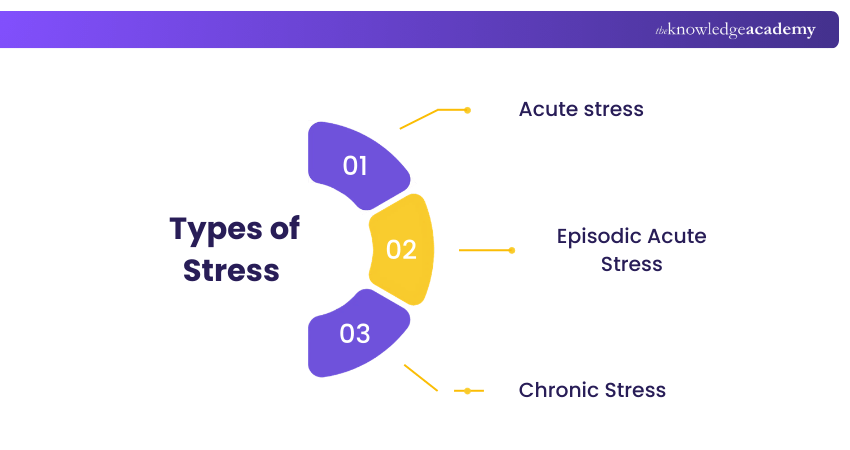
1) Acute stress: Acute stresses are temporary and they are normally short lived. It may be induced by daily events like deadlines, conflict or even thrilling events. It is a typical form of stress that might even make one feel inspired.
2) Episodic Acute Stress: Acute stress when seen to be in frequent occurrence is known as episodic acute stress. The individuals who are under constant pressure find it hard to unwind or get a complete rest between stressful experiences. This kind of type is often observed in such stressful careers as medicine.
3) Chronic Stress: Chronic stress is chronic and it may last weeks or months. It is commonly connected with the existing problems at work, finances, or the relationships. Uncontrolled, chronic stress may severely impact on health and wellbeing.
Strengthen your research and writing skills with our Academic Writing Course – Start now!
Causes of Stress
1) Personal Causes: Stress caused by major life events such as marriage, divorce, illness, relocation, or bereavement
2) Work-Related Causes: Stress triggered by heavy workload, tight deadlines, job insecurity, or workplace conflicts
3) Financial Causes: Stress resulting from debt, unexpected expenses, income instability, or money pressure
4) Environmental Causes: Stress arising from traffic congestion, noise, overcrowding, pollution, or safety concerns
5) Psychological Causes: Stress linked to fear of failure, uncertainty about the future, or past traumatic experiences
Symptoms of Stress
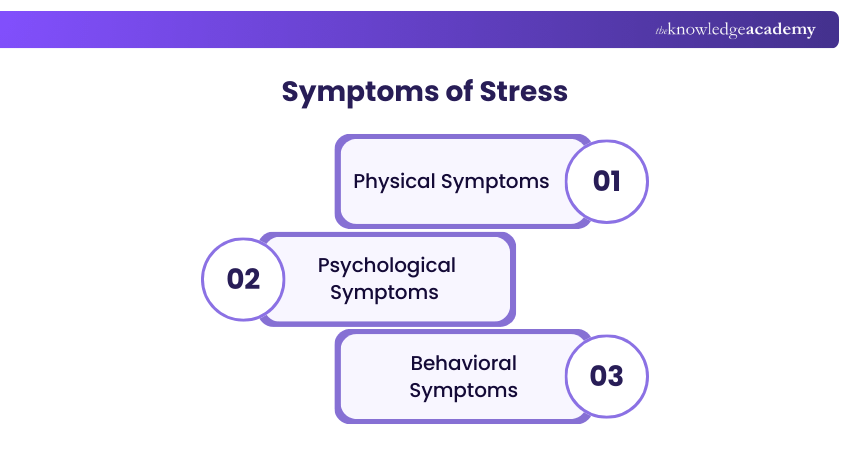
The following are the common symptoms that indicate rising stress levels:
1) Physical Symptoms
Stress may instigate various physical responses when your body reacts to a perceived threat or pressure. The typical physical symptoms are pain and soreness, chest pain or racing heart, fatigue or insomnia, headache and dizziness, muscle spasms or clenching of the jaw, digestive issues, high blood pressure, and low immune system. These reactions are the body reactions to stress and can be worse when stress continues to happen.
2) Psychological Symptoms
Stress is also a factor that influences your mind and moods. The psychological symptoms can be anxiety or irritation, depression, panic attacks, sadness, and an inability to focus or think clearly. As these emotional reactions continue, they may complicate day-to-day activities and positivity.
3) Behavioral Symptoms
In situations where stress is chronic, it tends to affect behaviours as individuals attempt to deal with the intense emotions. The usual behavioural symptoms are the consumption of alcohol or tobacco, compulsive behaviours such as overeating, shopping or excessive internet use, as well as other unhealthy coping styles such as gambling or use of drugs. Such actions can be short-term and might be damaging in the long term.
Take control of your day and achieve more with less stress with Attention Management Training – Join now!
What Are Some Effective Stress Management Techniques and Strategies?
Effective Stress Management techniques are essential for maintaining a balanced and healthy lifestyle in the face of daily stressors. These techniques provide individuals with the tools to effectively cope with stress, reduce its negative impact, and enhance overall well-being. Here are some key Stress Management techniques that have been proven effective:
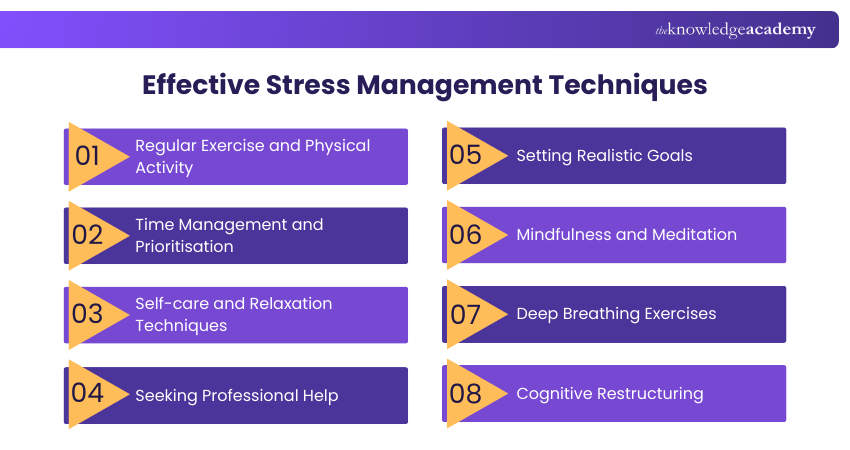
1) Regular Exercise and Physical Activity
Regular exercise and physical activity play a crucial role in Stress Management. Hitting the gym, walking and participating in a yoga class and finding an exercise routine that suits your preferences can significantly reduce stress levels.
2) Time Management and Prioritisation
Time Management and prioritisation reduce stress by creating control and balance. They involve setting goals, avoiding procrastination, and planning effectively. These practices help prevent feeling overwhelmed and stress. By organising and planning your time effectively, you can create a sense of control and achieve a better work-life balance.
3) Self-care and Relaxation Techniques
Engaging in self-care activities and relaxation techniques is crucial for Stress Management. These activities include taking a warm bath, practising hobbies, reading, listening to music, or spending quality time with family and loved ones. Prioritising self-care helps individuals recharge, rejuvenate, and better cope with daily stressors.
4) Seeking Professional Help
In some cases, stress levels may become overwhelming and require professional intervention. Seeking support from mental health professionals, such as therapists or counsellors, can provide individuals with the necessary tools and guidance for effective Stress Management.
Turn your ambitions into action and build unstoppable motivation with Motivation and Goal Setting Training now!
5) Setting Realistic Goals
Setting realistic goals is crucial for Stress Management. It involves prioritising tasks, saying no when necessary, and not over-committing. By setting realistic expectations, individuals can avoid excessive pressure and reduce stress levels.
6) Mindfulness and Meditation
Practices promoting mindfulness and meditation have gained significant recognition for their effectiveness when it comes to Stress Management. By focusing on the present moment and cultivating a non-judgmental awareness of thoughts and sensations, individuals can develop resilience and reduce stress reactivity. Further, regular practice of mindfulness and meditation allows for increased self-awareness. It also provides the ability to respond to stressors in a calmer and more composed manner.
7) Deep Breathing Exercises
Deep breathing exercises activate relaxation response, counter stress effects, and calm the mind. They can be done anytime, anywhere, to relax and improve well-being. Further, deep breathing helps calm the mind, promote a sense of relaxation and reduce tension and well-being.
8) Cognitive Restructuring
Cognitive restructuring reduces stress by replacing negative thoughts with positive ones. It changes how one views and responds to stressful situations. It involves reframing, affirmations, and optimism It involves reframing negative thoughts, practising positive affirmations, and cultivating a more optimistic outlook.
Myths About Stress
Stress has a number of myths that have the potential to complicate management. These myths can be understood to assist you in responding to stress in more effective and healthy ways.
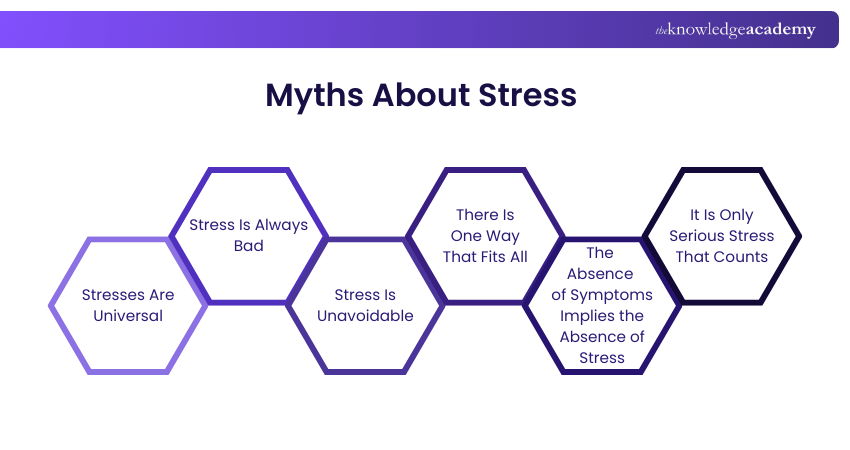
1) Stresses Are Universal: The effects of stress on individuals are different because each person has different triggers and tolerance limits.
2) Stress Is Always Bad: Not all stress is harmful. Sometimes short-term stress can be inspirational and beneficial.
3) Stress Is Unavoidable: Although pressure might be experienced, stress can be controlled using healthy habits and coping mechanisms.
4) There Is One Way That Fits All: Management of stress is an individual aspect and what is effective with one individual may not be effective with another.
5) The Absence of Symptoms Implies the Absence of Stress: Stress has the ability to accumulate silently.
6) It Is Only Serious Stress That Counts: Even the mild symptoms cannot be disregarded because they may deteriorate over time.
Understanding these myths supports better stress awareness and overall wellbeing.
Is Stress Management a Lifelong Skill?
Stress Management is not an activity that you employ only when in hard times. It is one of the life skills that help achieve balance, wellbeing, and performance in our daily life. Several individuals acquire professional or educational competencies and fail to acquire healthy Stress Management practices, a fact that makes this skill a necessity.
Stress Management includes identifying stressors and minimising them, as well as responding positively to pressure. It consists of activities like relaxation, conscious thinking, and emotional management. By building these skills, you are able to manage difficulties better and have a healthier and more positive approach to everyday life.
Want to overcome stress? Download the Types of Stress PDF and explore the various types of stress along with strategies for reducing their impact.
Conclusion
All in all, Stress Management is a lifelong practice that requires commitment and self-awareness. It is not about eliminating stress entirely but developing the skills and resources to manage it effectively. In preparing for a role in this field, Stress Management Interview Questions can help assess an individual's approach. By incorporating various techniques into daily life, individuals can improve their well-being and lead happier and healthier lives.
Embark on a journey of personal growth by signing up for our transformative Personal Development Courses today!
Frequently Asked Questions
How Long Does It Take to See Results from Stress Management?

Results from Stress Management can be felt almost immediately for acute stress, but significant, lasting improvements for chronic stress or burnout often take about three months to a year.
How Does Stress Impact One’s Career?
Stress can impact one’s career negatively by affecting their performance, productivity, creativity, and relationships at work. It can also lead to burnout, absenteeism, turnover, and health problems. Therefore, it is important to manage stress effectively and seek professional help if needed.
What Are the Other Resources and Offers Provided by The Knowledge Academy?
The Knowledge Academy takes global learning to new heights, offering over 3,000+ online courses across 490+ locations in 190+ countries. This expansive reach ensures accessibility and convenience for learners worldwide.
Alongside our diverse Online Course Catalogue, encompassing 17 major categories, we go the extra mile by providing a plethora of free educational Online Resources like Blogs, eBooks, Interview Questions and Videos. Tailoring learning experiences further, professionals can unlock greater value through a wide range of special discounts, seasonal deals, and Exclusive Offers.
What is Knowledge Pass, And How Does It Work?
The Knowledge Academy’s Knowledge Pass, a prepaid voucher, adds another layer of flexibility, allowing course bookings over a 12-month period. Join us on a journey where education knows no bounds.
What Are Related Personal Development Courses And Blogs Provided By The Knowledge Academy?
The Knowledge Academy offers various Personal Development Courses, including Stress Management Training, Time Management Course and Attention Management Training. These courses cater to different skill levels, providing comprehensive insights into Benefits of Stress Management.
Our Business Skills Blogs cover a range of topics related to Stress Management, offering valuable resources, best practices, and industry insights. Whether you are a beginner or looking to advance your Stress Management Knowledge, The Knowledge Academy's diverse courses and informative blogs have got you covered.

The Knowledge Academy


Global Training Provider
The Knowledge Academy is a world-leading provider of professional training courses, offering globally recognised qualifications across a wide range of subjects. With expert trainers, up-to-date course material, and flexible learning options, we aim to empower professionals and organisations to achieve their goals through continuous learning.

Upcoming Business Skills Resources Batches & Dates
Date
 Stress Management Course
Stress Management Course
Fri 10th Apr 2026
Stress Management Course
Fri 10th Jul 2026
Stress Management Course
Fri 2nd Oct 2026

 If you wish to make any changes to your course, please


