


 Top Rated Course

We may not have the course you’re looking for. If you enquire or give us a call on + 800 908601 and speak to our training experts, we may still be able to help with your training requirements.
What is Logo Design? The Guide to Iconic Brand Identity
Richard Harris 24 April 2026Logo design is the process of creating a unique symbol, text, or image that represents a brand or business. helps people quickly recognise and remember the company. A good Logo design is simple, memorable, and reflects the brand’s identity, for which websites and products build trust and create a strong first impression.

Training Outcomes Within Your Budget!
We ensure quality, budget-alignment, and timely delivery by our expert instructors.
Table of Contents

Before a customer reads your tagline or explores your website, there’s one thing they see first-your logo. One interesting question is What is Logo Design? Those tiny visuals carry huge weight. It’s not just a design; it’s your brand’s handshake, your silent ambassador, and your first impression rolled into one. In a world full of visual clutter, a well-designed logo cuts through the noise and says, “This is who we are.”
Whether you’re starting a new business or rebranding an old one, knowing about What is Logo Design? It can be your most important visual asset. In this blog, you will break down each aspect of Logo Design, the essential elements that make it effective, and how it tells your brand’s story without saying a word.
Table of Contents
1) What is Logo Design?
2) Types of Logos
3) The Role of Logo Design
4) What to Consider When Choosing a Logo?
5) Essential elements of a Logo
6) Characteristics of an Effective Logo Design
7) What are the Benefits of Good Logo Design?
8) Factors to Contemplate when Selecting a Logo
9) What is the Purpose of Logo Design?
10) What are the Three Rules of Good Logo Design?
11) Conclusion
What is Logo Design?
Logo design creates a visual symbol or mark that represents a brand, company, product, or service. It’s often the first thing people notice and remember about a business. A well-designed logo is simple, clear, and meaningful. It should work on websites, business cards, packaging, and social media, anywhere your brand shows up.
A good logo is simple, timeless, versatile, and meaningful. Whether created by a professional designer, a design agency, or using online tools, investing in a strong logo is essential for any business looking to make a lasting impression.
A logo can Include:
1) Icons or symbols
2) Text or the company name
3) Shapes, colors, and styles
4) Typography

Types of Logos
Logos represent various approaches to capturing a brand's identity visually, each with its unique style and impact.
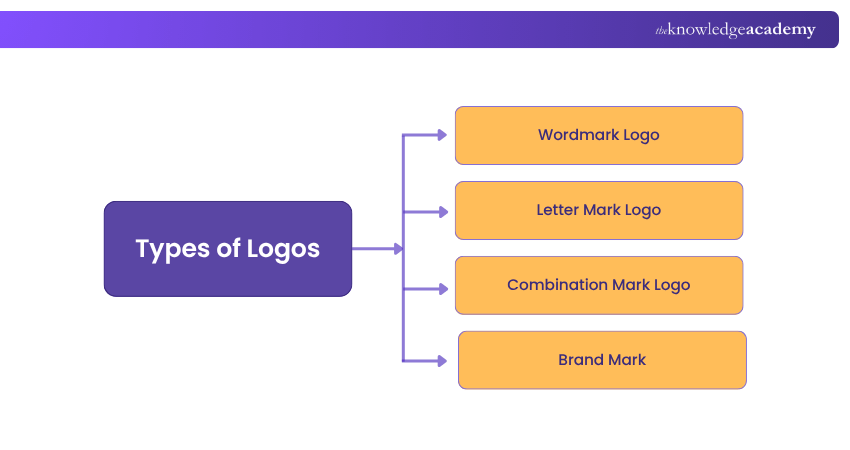
1) Wordmark Logo
This type focuses on the brand name and is presented in a stylised text format. It's ideal for companies with a distinctive name that becomes a memorable Brand identity when presented in a unique font or colour scheme. Examples include Google and Coca-Cola, where the Brand name, through distinctive typography, becomes the Logo itself.
2) Letter Mark Logo
Similar to wordmarks, letter marks are typography-based logos that use initials instead of the full name. This style is excellent for companies with lengthy words, as it simplifies the design and makes it easier to remember. Brands like IBM and HBO effectively use their initials to create a compact, visually appealing representation.
3) Combination Mark Logo
These Logos combine a symbol or icon with a wordmark or letter mark. This approach offers the versatility of using either or both elements across various applications. Brands like Adidas and Lacoste use this type to associate a visual icon with their name, enhancing Brand recognition.
4) Brand Mark
This type of Logo is also known as a pictorial mark. It uses a symbol or icon without text. The sign must be exceptionally recognisable, as it solely represents the Brand. Apple’s apple and X’s bird are quintessential examples of symbols becoming synonymous with the brand.
It's time to bring your drawings to life - Start your 2D Animation Course today!
The Role of Logo Design
A logo serves as the visual cornerstone of your brand. Let’s discuss some of the roles of Logo Design:

1) Building Trust and Boosting Brand Recognition
The primary role of a Logo is to build trust and foster Brand recognition. In a world where consumers are bombarded with countless Brands, a well-designed Logo helps a company stand out. It acts as a silent ambassador, fostering a sense of familiarity and reliability. For instance, when consumers see the golden arches of McDonald's, it immediately evokes a sense of intimacy and trust, regardless of geographical boundaries. This instant recognition is crucial in building a loyal customer base.
2) Setting your Brand Apart from Competitors
In competitive markets, a unique Logo can be a company's greatest asset in distinguishing itself from competitors. A Logo tells a company's story in a way that words alone cannot.It captures the company’s Brand Personality, making it more than just another entity in the market. For example, Apple Inc.'s bitten apple distinguishes it from other tech companies and communicates simplicity and innovation, setting it apart in a crowded market.
3) Offering a Visual Representation of your Brand's Essence
A Logo is often the first point of interaction for potential customers and thus plays a critical role in making a first impression. It's a visual metaphor that conveys the Brand's underlying message. For instance, the swoosh of Nike represents speed and motion, resonating with the Brand's commitment to fitness and athleticism. This symbolism helps customers identify with the Brand's values and philosophy.
What to Consider When Choosing a Logo
Choosing the right logo for your brand is a big decision. It is not only about what looks good, but what works for your business in the long run. It needs to create the right impression, be easy to recognise, and reflect what your business stands for. Here are the most important things to consider when choosing a logo:
1) Brand Identity
Your logo should clearly reflect your brand’s personality and values. Is your brand professional, playful, elegant, or innovative? The style, colors, and fonts in your logo should match that identity. For example, a tech startup might go for a modern, minimalist logo, while a kids' toy brand might use bright colors and fun shapes.
Simplicity
A great logo is simple and easy to understand at a glance. Avoid too many details, complex shapes, or busy elements. Simple logos are easier to remember and look better in all sizes, from billboards to mobile app icons.
Memorability
The best logos stick in people’s minds. Think of logos like Apple or McDonald's, they're instantly recognisable. A strong logo should leave a lasting impression, helping people recall your brand even after just one interaction.
Versatility
The logo will appear on websites, social media, business cards, packaging, and maybe even merchandise. Make sure it works in different sizes, backgrounds, and formats. A good logo looks great in color and black & white and should scale without losing clarity.
Color and Typography
Colors and fonts carry meaning. Blue often feels trustworthy and professional, red feels bold and energetic, and green suggests growth and eco-friendliness. Fonts also have personality, serif fonts feel traditional and formal, while sans-serif fonts feel clean and modern. Choose combinations that match your brand’s tone.
Sharpen your pencil as well as your skills – Register with our Sketchbook Essential Training today!
Timelessness
Trends change quickly, but your logo should last. Avoid overly trendy styles that may look outdated in a few years. Aim for a timeless design that can grow with your business and still look great years from now.
Scalability and Usability
Your logo should be designed in a way that can be used across different media and platforms. Test it in small sizes, like social media icons or app buttons, and in large formats like posters or banners. Make sure it remains clear and recognisable at all scales.
Uniqueness
Your logo must be distinct. Avoid anything that looks too similar to other brands, especially competitors. A unique logo helps your business stand out and reduces the risk of legal issues around copyright or trademark infringement.
Professionalism
Even if you’re using DIY logo tools, the final logo should look polished and professional. A poorly designed logo can make your business look untrustworthy or amateur. If the budget allows, hiring a professional designer is a worthwhile investment.
Feedback and Testing
Before finalising your logo, get feedback from real people, customers, colleagues, friends, or even your target audience. Sometimes what works in your head doesn’t connect as well in practice. Test different versions and see which one gets the best response.
Essential Elements of a Logo
A well-designed logo helps in communicating your brand’s message clearly and memorably. The best logos combine visual appeal with strategic design choices that reflect the essence of the brand. Below are the four essential elements that form the foundation of a strong logo:
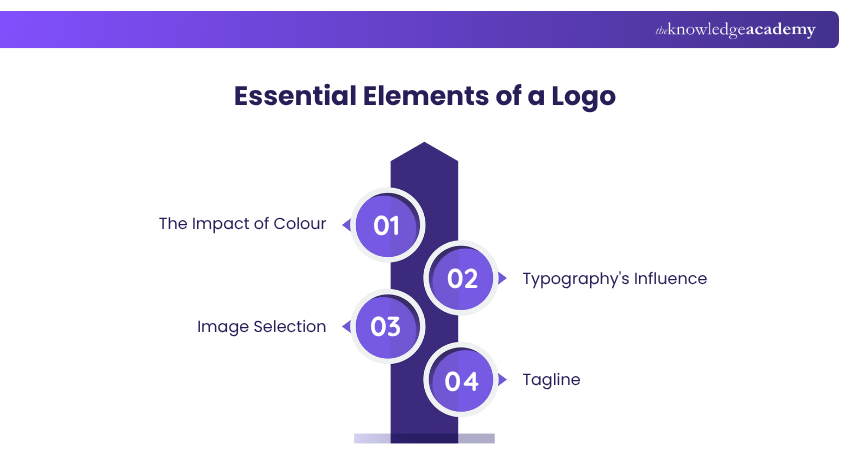
The Impact of Colour
Colour plays a powerful role in how people perceive your brand. Different colors evoke different emotions and associations. Choosing the right color palette helps set the tone of your brand and can make your logo more memorable. Consistency in color across your branding also builds recognition and trust.
For Example:
1) Blue conveys trust and professionalism used by banks and tech companies
2) Red expresses energy, passion, and urgency
3) Green symbolises growth, nature, or health
4) Black suggests luxury, sophistication, and elegance
Typography's Influence
Typography, or the font style used in your logo, can speak volumes about your brand. Whether it’s bold, elegant, modern, or playful, your choice of typeface should reflect your brand’s personality.
Typography also affects readability. The font should be clear and scalable, whether on a business card or a billboard.
1) Serif fonts often feel traditional and trustworthy
2) Sans-serif fonts are clean, modern, and easy to read
3) Script fonts give a more personal or creative feel
Image Selection
Some logos include icons, symbols, or abstract graphics that visually represent the brand. The image should enhance the logo, not clutter it. Strong image selection helps create a unique visual identity that stands out. These elements should be:
1) Simple and easy to recognise
2) Relevant to the brand’s purpose or story
3) Scalable to work in small and large formats
Animate your future projects - Start creating with Animation and Design Training today!
Tagline
A tagline is a short phrase or sentence that’s sometimes included with a logo to reinforce the brand’s message. Not all logos need a tagline, but when used well, it can:
1) Clarify what the business does
2) Highlight a key value or promise
3) Strengthen emotional connection with the audience
Characteristics of an Effective Logo Design
An effective Logo Design is more than just a catchy image; it's a critical component of a Brand's identity. Key characteristics define the effectiveness of a Logo in communicating a Brand’s essence and ensuring its recognition and recall.

1) Memorable
A great Logo should stick in the viewer's mind. This memorability ensures that the Brand remains at the forefront of its audience's thoughts. For example, the Apple Logo is instantly recognisable and hard to forget, making it highly effective.
2) Simplicity in design
The most impactful Logos are often the simplest. A clean, uncluttered design makes a Logo easily recognisable and more versatile for various mediums. Google's Logo, for instance, is a study of simplistic effectiveness.
3) Versatility in application
An effective Logo must work well in different contexts, sizes, and platforms. It should be as effective on a small mobile screen as on a large billboard. Versatility also means the Logo should be effective in both colour and black and white.
4) Appropriate representation
The design should be appropriate for the Brand’s industry and target audience. For example, a law firm and a children's toy store would have vastly different Logo Designs that are appropriate for their respective fields.
5) Timeless appeal
While trends in design can inspire, an effective Logo should have a timeless quality that doesn't appear outdated as styles change. The Coca-Cola Logo is a prime example of a design that has stood the test of time.
Crack the code of clean design - Master it with our Design Patterns Training today!
What are the Benefits of Good Logo Design?
Here are the key benefits of a good Logo Design:
1) Instant Brand Recognition: A strong logo helps customers immediately identify their brand. People associate them instantly with the company, values, and products.
2) Creates a Strong First Impression: Your logo is often the first thing people see. A clean, professional design sets the tone and communicates that your business is trustworthy, serious, and credible.
3) Builds Customer Trust: A consistent, high-quality logo across your materials gives a sense of stability and professionalism, helping to build long-term customer trust.
4) Enhances Memorability: A unique and simple logo is easier for customers to remember. When they think of a product or service you offer, your logo can help bring your brand to mind instantly.
5) Sets you Apart from Competitors: A well-crafted logo reflects your brand’s personality and positioning. It visually differentiates your business in a crowded market, especially when competing with similar offerings.
6) Boosts Marketing and Advertising Efforts: A great logo improves your marketing material’s impact. It grabs attention and makes your ads, business cards, banners, and digital content look polished and coherent.
7) Creates Emotional Connection: Color, shape, and typography in a logo can influence emotion. A friendly logo can make your brand feel approachable, while a bold one can reflect confidence and innovation.
8) Reinforces Brand Identity: Your logo visually represents your brand values, mission, and personality. It becomes a symbol of what your business stands for, helping with brand storytelling.
9) Versatile Across Mediums: Good logos are adaptable. Whether they appear on a billboard, website, T-shirt, or app icon, they retain clarity, impact, and brand alignment.
10) Adds Long-term Value: A timeless, high-quality logo won’t need redesign. It supports brand consistency and contributes to long-term recognition, saving both time and money.
Factors to Contemplate when Selecting a Logo
A well-designed logo is essential for creating a strong brand identity. When choosing a Logo, consider these crucial factors:
1) Brand identity: Ensure the Logo aligns with your Brand’s values, mission, and personality.
2) Target audience: Tailor the Logo to appeal to your specific audience demographic.
3) Uniqueness: Choose a design that stands out from competitors and avoids cliches.
4) Scalability: Ensure the Logo is legible and effective at various sizes and applications.
5) Colour scheme: Select colours that convey the desired emotions and Brand message.
6) Typography: The font should complement the Brand's character if the text is included.
7) Cultural sensitivity: Be aware of cultural implications and interpretations of the design.
8) Futureproofing: Opt for a design that won’t quickly become outdated.
9) Versatility: The Logo should work across different mediums, both digital and print.
10) Legal check: Ensure the design doesn’t infringe on existing trademarks.
What is the Purpose of Logo Design?
The purpose of Logo Design is to create a unique, memorable symbol that visually represents a brand’s identity. It helps people instantly recognise and connect with a business, builds trust, and sets the brand apart from competitors. A strong logo communicates professionalism, values, and purpose briefly.
What Are the Three Rules of Good Logo Design?
The principles ensure a logo is effective, timeless, and impactful. The three key rules of good Logo Design are:
1) Simplicity: It should be easy to recognise and remember
2) Versatility: It must work across all sizes and formats
3) Relevance: It should reflect the brand’s identity, values, and industry
Conclusion
Understanding What is Logo Design will help you to promote the face of your brand, the visual shortcut to everything you stand for. From the colors and typography to the symbols and taglines, each element plays a vital role in shaping how people see and remember your business. After all, a great logo doesn’t just represent your brand, it speaks for it.
You can easily turn static into cinematic with our Motion Graphics Course – Join today!
Frequently Asked Questions
What Are the Five Steps in Creating a Logo?

The 5 steps to help you understand How to Design a Logo are:
1) Research your brand and target audience.
2) Select a design style that reflects your brand identity.
3) Sketch ideas and concepts.
4) Refine the best designs using design software.
5) Test the logo for versatility and scalability across various media.
What Should Be Avoided When Creating a Logo?
Avoid the following when creating a logo: 1) Overly complex designs with too many details. 2) Generic or cliche symbols. 3) Fonts and colours that may quickly become outdated. 4) Lack of scalability for different media. 5) Designs that don't align with the brand’s core values and message.
What are the Other Resources and Offers Provided by The Knowledge Academy?
The Knowledge Academy takes global learning to new heights, offering over 3,000 online courses across 490+ locations in 190+ countries. This expansive reach ensures accessibility and convenience for learners worldwide.
Alongside our diverse Online Course Catalogue, encompassing 17 major categories, we go the extra mile by providing a plethora of free educational Online Resources like News updates, Blogs, videos, webinars, and interview questions. Tailoring learning experiences further, professionals can maximise value with customisable Course Bundles of TKA.
What is The Knowledge Pass, and How Does it Work?
The Knowledge Academy’s Knowledge Pass, a prepaid voucher, adds another layer of flexibility, allowing course bookings over a 12-month period. Join us on a journey where education knows no bounds.
What are the Related Courses and Blogs Provided by The Knowledge Academy?
The Knowledge Academy offers various Animation and Design Courses, including Logo Design Course and Logo Design Course. These courses cater to different skill levels, providing comprehensive insights into Digital Twin vs Simulation.
Our Advanced Technology Blogs cover a range of topics related to cutting-edge technologies, offering valuable resources, best practices, and industry insights. Whether you are a beginner or looking to advance your technical skills, The Knowledge Academy's diverse courses and informative blogs have got you covered.

Richard Harris


Senior Full Stack Developer and Technology Educator
Richard Harris is a highly experienced full-stack developer with deep expertise in both frontend and backend technologies. Over his 12-year career, he has built scalable web applications for startups, enterprises and government organisations. Richard’s writing combines technical depth with clear explanations, ideal for developers looking to grow in modern frameworks and tools.

Upcoming Office Applications Resources Batches & Dates
Date
 Animation Course

 If you wish to make any changes to your course, please


