


 Top Rated Course

We may not have the course you’re looking for. If you enquire or give us a call on +39 800580270 and speak to our training experts, we may still be able to help with your training requirements.
Principles of Team Leadership: A Beginners Guide
Benjamin Walker 20 February 2026In this blog, you will learn about the key Principles of Team Leadership and discover practical tips to apply them in various team dynamics for optimal results. Gain insights into effective Leadership Strategies and learn how to inspire and guide your team towards success with confidence and proficiency. Let's dive in to learn more!

Training Outcomes Within Your Budget!
We ensure quality, budget-alignment, and timely delivery by our expert instructors.
Table of Contents

Are you curious about what makes a great Leader in a team? In today's world, being able to guide and motivate others toward common goals is super important. Team Leadership is all about having a solid foundation of Principles that help people work together smoothly. These Principles of Team Leadership range from setting clear goals to being responsible, respectful, and trustworthy.
Whether you're a new boss, a Team Leader, or just interested in improving your Leadership skills, understanding these Principles is essential for success. So, let's dive in and explore the key Principles of Team Leadership together!
Table of Contents
1) What are the Principles of Leadership?
a) Intellectual curiosity
b) Proficiency in goal-setting
c) Effective delegation practices
d) Embraced accountability
e) Cultivated respect
f) Mutual trust
g) Dedication to diversity
h) Passion
2) Conclusion
What is the Principle of Leadership?
Leadership involves more than just giving orders or directing others. It's akin to being the captain of a ship, steering the way toward success. Embracing this principle is like holding a compass in an expansive sea, guiding leaders through challenges and motivating their teams. Understanding Team Leader Qualities is essential in this journey, as it shapes the way leaders influence their teams and organizations. Let’s explore what true leadership entails and how it makes a lasting impact.

1) Intellectual curiosity
Leadership that fosters intellectual curiosity ignites a hunger for knowledge and creativity within teams. Encouraging exploration, questioning, and learning cultivates an environment where creativity thrives.
By nurturing this curiosity, Leaders empower team members to think critically, seek new perspectives, and drive continuous improvement. This Principle fuels a culture of innovation and adaptability, positioning teams to tackle challenges with ingenuity and resilience.

2) Proficiency in goal-setting
Proficiency in goal-setting equips Leaders with the ability to articulate a clear vision and translate it into actionable objectives. Effective Leaders set Specific, Measurable, Achievable, Relevant, Time-bound (SMART) goals that inspire and guide their teams towards success.
They establish clear expectations and milestones and provide direction and motivation, driving focus and accountability. Setting proficient goals ensures alignment, fosters collaboration, and maximises the team's potential to achieve collective objectives.
Motivate and inspire your team by signing up for our Leadership Skills Training now!
3) Effective delegation practices
Effective delegation practices empower Leaders to distribute tasks strategically, leveraging the strengths of individual team members. They foster autonomy, skill development, and ownership by entrusting responsibilities and authority. Effective delegation involves clear communication, defining expectations, and providing necessary support and resources.
This Principle boosts productivity, minimizes micromanagement, and fosters a culture of trust and teamwork. By understanding the Principles of Delegation, leaders can optimise resource allocation and empower their teams to accomplish goals with greater efficiency and effectiveness.
4) Embraced accountability
Leadership that embraces accountability instils a culture of responsibility and ownership. Leaders lead by example, taking ownership of their actions and decisions while holding others accountable for their commitments. They set up clear expectations, provide feedback, and recognise achievements to foster accountability and drive performance excellence.
This Principle cultivates trust, transparency, and integrity, ensuring alignment with organisational goals and driving continuous improvement. Embracing accountability empowers teams to deliver results with confidence and integrity, driving success.
5) Cultivated respect
Cultivating respect is foundational to fostering healthy and collaborative team dynamics. Leaders prioritise respect by valuing diverse perspectives, treating others with dignity, and fostering an inclusive environment. They build trust and strengthen relationships by promoting open communication, active listening, and empathy.
Moreover, cultivating respect fosters a culture of appreciation, cooperation, and mutual support, enhancing morale and productivity. This Principle ensures that every team member feels important, respected, and capable of doing their best, which helps the team succeed together.
6) Mutual trust
Establishing mutual trust is essential for fostering cohesion and collaboration. Leaders build trust through transparency, consistency, and integrity in their actions and communication. They create a safe and supportive environment by demonstrating reliability, competence, and genuine concern for the well-being of team members.
Established mutual trust encourages open dialogue, risk-taking, and innovation, driving creativity and resilience. This Principle strengthens team bonds, fosters loyalty, and enhances performance. This enables teams to overcome challenges and achieve shared goals with confidence and unity.
Learn People Management and Leadership Skills to elevate your career with our comprehensive Successful People Management And Team Leadership Course - join today!
7) Enhanced efficiency
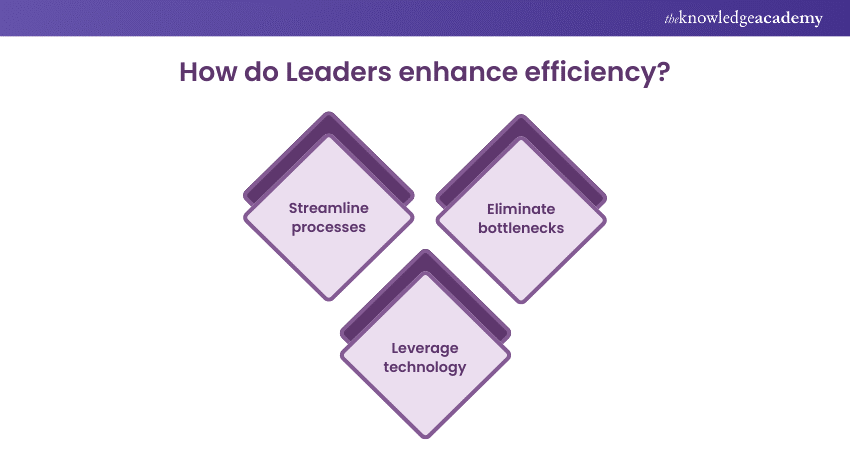
Enhancing efficiency is critical for optimising resources and achieving organisational goals effectively. Leaders streamline processes, eliminate bottlenecks, and leverage technology to maximise productivity and minimise waste.
They drive efficiency and effectiveness by setting clear expectations, providing training, and empowering teams to make data-driven decisions. Improved efficiency ensures that the team use resources well, meets deadlines, and maintains high quality.
8) Dedication to diversity
Dedication to diversity reflects a commitment to embracing and celebrating differences within teams. Leaders recognise the value of diverse perspectives, backgrounds, and experiences in driving innovation and creativity. They encourage everyone to feel valued, respected, and empowered.
This creates a culture where each person can contribute their own talents and perspectives freely. Dedication to diversity fosters creativity, enhances problem-solving, and strengthens team cohesion. This Principle ensures that teams reflect the richness of the broader community, driving organisational success through diversity of thought and perspective.
9) Passion
Passion is the driving force behind efficient Leadership and team performance. Leaders lead with enthusiasm, conviction, and a sense of purpose that inspires and motivates others. They ignite the same passion in their teams by demonstrating commitment, energy, and dedication to their vision and goals.
Passion fuels resilience, perseverance, and creativity, enabling teams to overcome challenges and achieve extraordinary results.
Get an in-depth knowledge of various Leadership styles with our Leadership Courses!
Conclusion
Leadership is a journey, and mastering these Principles of Team Leadership takes time, practice, and dedication. By embracing and applying the advantages of Team Leadership, you'll become a more effective leader and empower your team to achieve greatness. So, go ahead with confidence, lead with purpose, and make a positive impact on your team and organisation.
Inspire and motivate your team and drive success with our Creative Leaders Training. Join today!
Frequently Asked Questions
What are the Principles of teamwork?

The Principles of teamwork include communication, collaboration, mutual respect, accountability, trust, shared goals, flexibility, and constructive feedback.
What are the five qualities of a good Leader?
A good Leader has several key qualities that contribute to their effectiveness in guiding and inspiring their team. These qualities include strong communication skills, empathy and Emotional Intelligence, the ability to delegate effectively, and a vision for the future.
What are the other resources and offers provided by The Knowledge Academy?
The Knowledge Academy takes global learning to new heights, offering over 3,000+ online courses across 490+ locations in 190+ countries. This expansive reach ensures accessibility and convenience for learners worldwide.
Alongside our diverse Online Course Catalogue, encompassing 19 major categories, we go the extra mile by providing a plethora of free educational Online Resources like Blogs, eBooks, Interview Questions and Videos. Tailoring learning experiences further, professionals can unlock greater value through a wide range of special discounts, seasonal deals, and Exclusive Offers.
What is Knowledge Pass, and how does it work?
The Knowledge Academy’s Knowledge Pass, a prepaid voucher, adds another layer of flexibility, allowing course bookings over a 12-month period. Join us on a journey where education knows no bounds.
What are related Leadership Courses and blogs provided by The Knowledge Academy?
The Knowledge Academy offers various Leadership Courses, including Leadership Skills, Introduction to Supervising a Team, and Successful People Management and Team Leadership Courses. These courses cater to different skill levels, providing comprehensive insights into various Leadership Styles.
Our Business Skills Blogs cover a range of topics related to Leadership, offering valuable resources, best practices, and industry insights. Whether you are a beginner or looking to advance your Leadership skills, The Knowledge Academy's diverse courses and informative blogs have you covered.

Benjamin Walker


Leadership Development Coach and Management Consultant
Benjamin Walker is a leadership coach and business consultant with over 18 years of experience in guiding organisations through strategic growth and transformation. He specialises in developing leadership capabilities at all levels, from emerging managers to executive teams. Benjamin’s work focuses on practical leadership, team dynamics, and performance management.
View Detail
Upcoming Business Skills Resources Batches & Dates
Date
 Leadership Skills Training
Leadership Skills Training
Fri 31st Jul 2026
Leadership Skills Training
Fri 2nd Oct 2026
Leadership Skills Training
Fri 27th Nov 2026

 If you wish to make any changes to your course, please


