


 Top Rated Course

We may not have the course you’re looking for. If you enquire or give us a call on +39 800580270 and speak to our training experts, we may still be able to help with your training requirements.
Food Safety Management System: Importance, Steps and More
Michael Jones 27 February 2026A Food Safety Management System (FSMS) is a structured approach used by food businesses to ensure food is safe for consumption. It includes procedures, policies, and controls to identify and manage food safety risks. The main goal is to prevent contamination and ensure compliance with food safety regulations throughout the supply chain.

Training Outcomes Within Your Budget!
We ensure quality, budget-alignment, and timely delivery by our expert instructors.
Table of Contents
Ever looked into your favourite snack and wonder, “How do I know this is safe?” The answer isn’t just luck; it’s a Food Safety Management System (FSMS) working quietly in the background. Think of it as the backstage crew of the food world, making sure everything from farm to fork is handled, stored, and served with care.
FSMS is more than hygiene checklists, it’s a full-blown system designed to spot risks before they reach your plate. In this blog, you can unwrap what Food Safety Management System really means, how it protects you, and why every food business should have one. Ready to take a closer look at the secret hero behind safe meals? Let’s dig in!
Table of Contents
1) What is a Food Safety Management System?
2) What is the Purpose of a Food Safety Management System?
3) Why is a Food Safety Management System Important?
4) 5 Key Elements of Food Safety Management System
5) Who is Responsible for Implementing Food Safety Management Systems?
6) What are the 5 Steps of Food Management System?
7) Conclusion
What is a Food Safety Management System?
A Food Safety Management System (FSMS) is a structured approach used by food businesses to ensure that food is safe for consumption. It involves policies, procedures, and controls to identify and manage food safety risks. FSMS helps prevent contamination, ensures regulatory compliance, and promotes consistent hygiene and quality throughout the food supply chain.

Key Takeaways:
1) Ensures food is safe for consumption
2) Identifies and controls safety risks
3) Prevents contamination and foodborne illnesses
4) Supports regulatory compliance
5) Promotes consistent quality and hygiene
6) Applies to all stages of the food supply chain
What is the Purpose of a Food Safety Management System?
The main purpose of a FSMS is to ensure that food is safe for consumers. It can be done by preventing contamination and managing food safety risks at every stage of the food supply chain. Here’s a breakdown of its key purposes:
1) Protect Consumer Health
An FSMS helps identify and control potential hazards such as bacteria, allergens, or chemical contaminants. This could cause illness or harm to consumers. It ensures food is prepared, handled, and delivered in a safe manner.
2) Ensure Regulatory Compliance
It helps businesses comply with local and international food safety laws, such as HACCP or ISO 22000, avoiding fines, shutdowns, or legal issues.
Protect your customers and enhance your reputation with our Food Allergy Awareness Training - join us now!
3) Improve Operational Efficiency
By setting clear procedures and controls, an FSMS reduces errors, waste, and rework. It also improves consistency in food quality and safety.
4) Build Customer Trust and Reputation
A strong FSMS shows customers and partners that your business takes food safety seriously, helping build trust and a positive brand image.
5) Enable Continuous Improvement
FSMS includes regular reviews, audits, and updates to improve processes over time and quickly respond to new risks or standards.
Protect your customers and enhance your reputation with our Food Allergy Awareness Training - join us now!
Why is a Food Safety Management System Important?
A Food Safety Management System (FSMS) is crucial because it provides a structured and proactive way to ensure that food is safe for consumption. Here’s why it’s so important:
1) Protects Consumer Health
The primary goal of an FSMS is to prevent foodborne illnesses by controlling hazards such as bacteria, allergens, and chemical contamination. It ensures that the food reaching consumers is safe and hygienic.
2) Ensures Legal and Regulatory Compliance
An FSMS helps businesses comply with food safety laws, standards, and industry regulations such as HACCP, ISO 22000, or local health authority rules. This helps avoid fines, shutdowns, or reputational damage.
3) Enhances Brand Reputation and Consumer Trust
Consumers are more likely to trust and return to a brand that demonstrates a strong commitment to food safety. An FSMS builds credibility and improves customer loyalty.
4) Reduces Operational Risks and Costs
By identifying and managing risks early, an FSMS reduces the chance of product recalls. There are legal claims, or wastage due to spoilage or contamination, saving time and money.
5) Improves Efficiency and Quality
With clearly defined procedures and regular monitoring, an FSMS ensures consistency. It offers better quality control and streamlined operations across all food-related activities.
6) Supports Continuous Improvement
An FSMS encourages regular audits, reviews, and updates. It helps organisations adapt to changes in regulations, consumer expectations, and new risks.
Equip yourself to lead Food Safety efforts with our Food Safety Manager Training and ensure a safe and compliant food handling environment.
5 Key Elements of Food Safety Management System
The following comprise of the key elements of a FSMS:
1) Interactive Communication
Good communication is critical to safe food! While you might not know everyone involved in getting food to your table, it's crucial to connect with two key partners:
a) Suppliers: These are the folks who provide your ingredients. Understanding their Food Safety practices helps ensure quality from the start.
b) Customers: Whether it's a restaurant or a grocery store, these are the people you sell your food to. Knowing their needs and expectations regarding Food Safety is essential.
By keeping these two groups informed and considering their input on Food Safety, you can build trust and ensure everyone enjoys delicious, safe food.
2) System Management
System Management refers to the process of coordinating all the components of an organisation’s systems. It ensures they function effectively, efficiently, and securely. It involves planning, monitoring, and maintaining both technical systems, like IT infrastructure and organisational systems.
a) Planning and Implementation: It Sets up systems according to organisational goals and ensures proper integration across departments.
b) Monitoring and Maintenance: Regularly checking performance, identifying issues, and making necessary updates or repairs.
c) Resource Management: Ensuring the right people, tools, and technologies are in place to support the system.
d) Security and Compliance: Protecting systems from threats and ensuring they meet legal, regulatory, or industry standards.
e) Continuous Improvement: Evaluating system performance and making improvements to adapt to changes or enhance efficiency.
3) Prerequisite Programmes
Prerequisite Programmes (PRPs) are the basic conditions and activities that must be in place before implementing a food safety system like HACCP. They create a strong foundation to ensure that food is handled in a clean, safe, and controlled environment.
a) Support Food Safety: PRPs manage the general hygiene and environmental conditions needed to produce safe food.
b) Prevent Contamination: They help prevent physical, chemical, and biological hazards before they affect the production process.
c) Cover Key Areas: It includes cleaning and sanitation, pest control, equipment maintenance, personal hygiene, and supplier management.
Enhance your professional credentials with our Food Safety Manager Training. Register today and make a difference in the food industry!
4) Hazard Analysis and Critical Control Points (HACCP)
Hazard Analysis and Critical Control Points (HACCP) is a structured food safety system. It is used to identify, evaluate, and control hazards that could make food unsafe. It focuses on preventing food safety issues rather than reacting to them after they occur. The process begins with a hazard analysis, where potential biological, chemical, or physical risks at each stage of food production.
a) Hazard Analysis: Identify potential food safety hazards
b) Critical Control Points (CCPs): Pinpoint stages where controls are essential
c) Critical Limits: Set safety limits like cooking temperatures) for each CCP
d) Monitoring: Keep track of each CCP to ensure it stays within the safe limits
e) Corrective Actions: Take immediate steps if something goes wrong
5) Improve your GRC management
Risk, and Compliance (GRC) management means strengthening the way your organisation makes decisions, handles risks, and follows rules or regulations. A well-managed GRC system helps you stay compliant, avoid costly mistakes, and operate more efficiently.
a) Integrate GRC Processes: Unify governance, risk, and compliance activities across departments to avoid silos and duplication.
b) Use GRC Software: Automate tracking, reporting, and audits using specialised tools to increase accuracy and reduce manual work.
c) Define Clear Policies: Set clear, consistent policies and procedures that guide decision-making and ensure compliance.
d) Enhance Risk Awareness: Train employees to recognise and respond to risks, helping to build a strong risk-aware culture.
e) Monitor and Review: Regularly review GRC practices, update controls, and adjust strategies to match evolving regulations and risks.
Take control of Food Safety with our comprehensive Food Safety and Hygiene Course and ensure compliance with industry standards.
Who is Responsible for Implementing Food Safety Management Systems?
The responsibility for implementing a FSMS lies across its top management. Here's a breakdown of who plays a role:
1) Top Management: They are ultimately accountable. It ensures to provide direction, resources, and support to ensure the FSMS is developed, and maintained effectively.
2) Food Safety Team: These are the key players in designing and managing the FSMS. They carry out hazard analysis, define control measures, monitor compliance, and lead audits.
3) Department Managers: They ensure food safety procedures are followed in their specific areas like production, storage, cleaning and that staff are trained properly.
4) All Employees: Every employee has a role in maintaining food safety by following hygiene practices, reporting issues, and adhering to procedures.
What are the 5 Steps of Food Management System?
Let’s look at the steps involved in FSMS:
Step 1: Identify Scope, Needs and the Objective
If you are about to start an FSMS, you need to ask certain questions to yourself. For instance, why do you need a Food Management System? No organisation can be perfect, and it is likely that food business organisations have already identified issues or flaws affecting their operation.
These areas of improvement are helpful as they can help the FBO structure the FSMS. By crafting solutions to the issues which have been identified, you are setting the FSMS for success. After enlisting three to five problems, the FBO is supposed to think of a goal that would help them address and minimise the impact of these problems.
Step 2: Establish a Food Safety Policy
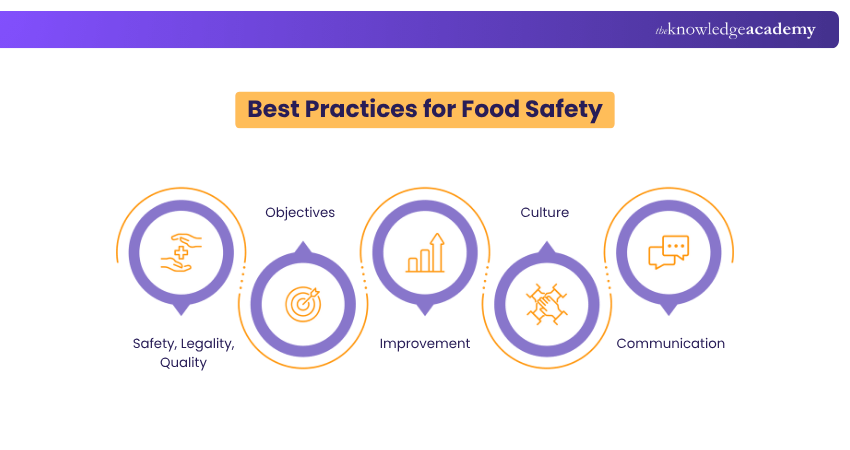
A food business will reach the FSMS objectives by having a Food Safety policy. Outlining the management structure would enable the food business to go ahead with changing or improving food safety practices. Some best practices for Food Safety include the following:
Step 3: Follow Prerequisite Programmes
Food business operators will need to create a standard operating procedure as well as conduct GMP audits carefully. For the GAP prerequisite programme, the FBO will need to browse their site history to identify risks of contamination and monitor the handling and storage of produce.
Step 4: Measure the Effectiveness
Although food business operators are mostly active in the maintenance of the Food Safety Management System, this does not mean that it cannot be changed. Like any other system, the FSMS is to be continually reviewed and improved accordingly.
Step 5: Develop a Hazard Control Plan
For each food product released, the Food Business Operator (FBO) must develop a comprehensive hazard control plan. This plan should detail the food product, including its raw materials, ingredients, and contact materials. It should identify the intended consumers, especially if the food meets specific nutritional needs or targets vulnerable groups.
The plan must outline the processes involved in the preparation, production, and distribution of the food, along with the associated hazards and risks. It should establish critical limits and acceptable levels for these hazards, specify actions to be taken if these limits are exceeded, and include control measures to prevent further hazards and maintain acceptable levels.
Conclusion
In summary, a Food Safety Management System (FSMS) ensures that food is safe, hygienic, and fit for consumption. It provides a structured approach to identifying risks, setting controls, and maintaining compliance with food safety regulations. By implementing systems like HACCP and supporting them with strong prerequisite programmes, organisations can build trust, protect consumer health, and improve overall efficiency.
Create a lasting impact on Food Safety by joining our Building Your Food Safety Culture Training – secure your spot now!
Frequently Asked Questions
What are Examples of a Food Safety System?

Examples of food safety systems include
1) HACCP (Hazard Analysis and Critical Control Points)
2) ISO 22000, BRCGS (British Retail Consortium Global Standards)
3) FSSC 22000 (Food Safety System Certification), and SQF (Safe Quality Food)
These systems help organisations manage food safety risks and ensure regulatory compliance.
What are the Benefits of a Digital Food Safety Management System?
A digital Food Safety Management System boosts efficiency by automating tasks, ensuring real-time monitoring, and reducing manual errors. It simplifies audits, improves data accuracy, and helps maintain compliance with regulations.
Overall, it saves time, enhances traceability, and strengthens food safety control.
What are the Other Resources and Offers Provided by The Knowledge Academy?
The Knowledge Academy takes global learning to new heights, offering over 3,000+ online courses across 490+ locations in 190+ countries. This expansive reach ensures accessibility and convenience for learners worldwide.
Alongside our diverse Online Course Catalogue, encompassing 17 major categories, we go the extra mile by providing a plethora of free educational Online Resources like Blogs, eBooks, Interview Questions and Videos. Tailoring learning experiences further, professionals can unlock greater value through a wide range of special discounts, seasonal deals, and Exclusive Offers.
What is The Knowledge Pass, and How Does it Work?
The Knowledge Academy’s Knowledge Pass, a prepaid voucher, adds another layer of flexibility, allowing course bookings over a 12-month period. Join us on a journey where education knows no bounds.
What are Related Courses and Blogs Provided by The Knowledge Academy?
The Knowledge Academy offers various Food Safety Courses, including the Food Safety and Hygiene Course, Food Hygiene and Safety in Manufacturing Training, and Food Allergy Awareness Training. These courses cater to different skill levels, providing comprehensive insights into How Long Does Food Poisoning Last.
Our Health & Safety Blogs cover a range of topics related to Food and Safety, offering valuable resources, best practices, and industry insights. Whether you are a beginner or looking to advance your Food Safety skills, The Knowledge Academy's diverse courses and informative blogs have you covered.

Michael Jones


Health and Safety Consultant and Compliance Trainer
Michael Jones is a seasoned health and safety expert with more than 15 years of experience in workplace safety, risk management, and compliance training. He has worked across construction, manufacturing, and corporate sectors, helping organisations meet legal requirements and create safer working environments. Michael’s training and writing are known for being practical, clear, and aligned with UK regulations.

Upcoming Health & Safety Resources Batches & Dates
Date
 Food Safety and Hygiene Course
Food Safety and Hygiene Course
Fri 19th Jun 2026
Food Safety and Hygiene Course
Fri 9th Oct 2026
Food Safety and Hygiene Course
Fri 18th Dec 2026

 If you wish to make any changes to your course, please


