


 Top Rated Course

We may not have the course you’re looking for. If you enquire or give us a call on +08000201623 and speak to our training experts, we may still be able to help with your training requirements.
What is Mindfulness? The Guide to a Calmer, Happier Life
The Knowledge Academy 01 May 2026It is the practice of paying intentional, non-judgemental attention to the present moment, feelings, and physical sensations as they happen. It encourages calm observation, helping reduce stress and improve emotional balance. Regular practice supports mental clarity, resilience, and overall well-being.

Training Outcomes Within Your Budget!
We ensure quality, budget-alignment, and timely delivery by our expert instructors.
Table of Contents

Often, life runs so fast that there is hardly any time left for reflection and meditation. What is Mindfulness, is a question that many people ask when they want to have peacefulness and freshness of mind during their everyday routines. We shall understand this very straightforward practice, which can change not only your worldview but also your emotional and behavioral patterns. Let’s dive in!
Table of Contents
1) What is Mindfulness?
2) The Types of Mindfulness Practice
3) How Does Mindfulness Work?
4) Impact of Mindfulness on Mental Health
5) What are the 5 Rs of Mindfulness?
6) What is the 3-3-3 Rule in Mindfulness?
7) Conclusion
What is Mindfulness?
Mindfulness is the practice of being completely present in the moment, not evaluating or getting distracted by what you think, feel, or see. It aids in establishing tranquility and lessening everyday stress.
Mindfulness facilitates your disengagement from negative thoughts by observing your experiences with awareness and acceptance. The use of simple techniques such as focusing on your senses can assist you in doing this in your daily life.
The Types of Mindfulness Practice
Mindfulness can take different forms just to mention, body scan, breathing, loving-kindness, and observing-thought meditation. All of them contribute through awareness creation, stress minimisation, or enhanced emotional wellness.
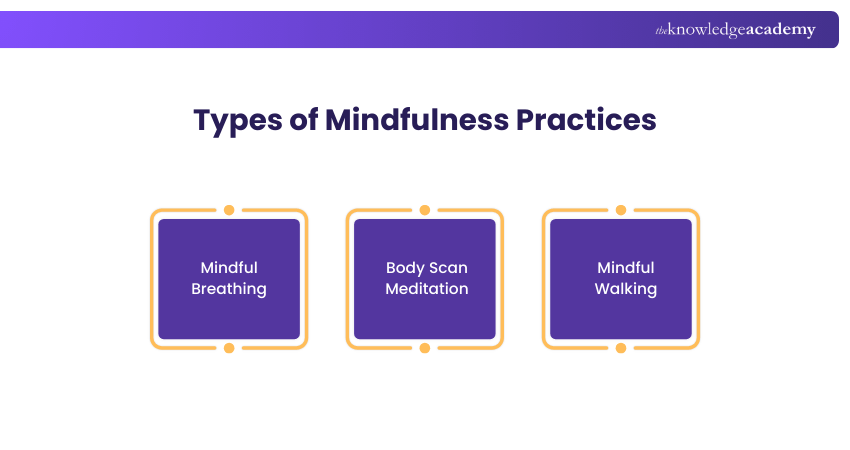
1) Mindful Breathing
Breathe in deeply,feel the cool air filling your lungs. Breathe out slowly,let go of the weight you didn’t realise you were carrying. Your breath is more than just air; it’s an anchor, keeping you steady in the ebb and flow of life. In this moment, nothing else matters; just you and your breath in perfect harmony.
2) Body Scan Meditation
Body scan meditation excludes and concentrates attention by paying close attention to every part of the body, beginning with the feet and moving to the head. It assists in relieving stress and helps to relax with mindfulness.
3) Mindful Walking
Step forward and feel the earth beneath your feet. Stretch your arms and notice the pull and release. Whether flowing through yoga, walking with awareness, or simply standing still, movement becomes a dance of presence. Every motion is a reminder: your body is here, alive, moving with purpose and grace.
4) Mindful Eating
Take a bite, slowly, deliberately. Feel the crunch, the burst of flavour, the warmth or coolness against your tongue. This isn’t just food; it’s an experience. Mindful eating transforms a basic meal into a moment of gratitude, engaging all your senses as you truly taste and appreciate each bite.
5) Loving-kindness Meditation
Loving-kindness meditation, which is also called Metta, is a practice that does not only create but also fosters feelings of love and kindness towards oneself and others. It cultivates empathy, lessens bad feelings, and makes emotional ties stronger.
6) Mindfulness Meditation
Close your eyes and step into a space of stillness. Your breath becomes your guide, steady and calm, as thoughts drift by like clouds in an open sky. No judgment, no rush - just the quiet rhythm of the present moment. With each inhale, clarity deepens; with each exhale, stress fades into the distance.
How Does Mindfulness Work?
Mindfulness is a practice that involves directing one's attention to the present and observing thoughts without any bias. Such an awareness of mindfulness diminishes emotional reactivity and enables better mental equilibrium.
1) Observing Without Judgment
Mindfulness inspires people to observe their thoughts and feelings without reacting or labelling them as good or bad. This helps break negative thought patterns and reduces stress by promoting a more neutral and accepting perspective.
2) Reducing Emotional Reactivity
Mindfulness helps to reduce the intensity of your emotional reactions by awareness and slowing down your stress response. It also encourages clear thinking, calmness in solving problems, and builds resilience in difficult times.
3) Enhancing Focus and Awareness
Mindfulness trains the brain to stay present, reducing distractions and improving concentration. Whether through meditation, mindful breathing, or simply paying attention to daily tasks, Mindfulness strengthens focus and mental clarity.
4) Building Emotional Resilience
Mindfulness creates a foundation for emotional resilience, as it allows one to witness thoughts and feelings without any disturbance. Emotional regulation and stress management are the fruits of the tree that grows through this process.
Impact of Mindfulness on Mental Health
Mindfulness is a powerful tool that nurtures mental wellbeing by fostering self-awareness, emotional resilience, and clarity. By training the mind to stay present, it helps individuals navigate life’s challenges with greater ease. Here’s how Mindfulness can transform mental health:
1) Enhances Self-awareness
a) Encourages observing thoughts and emotions without judgment.
b) Helps identify negative thought patterns and break automatic reactions.
c) Promotes self-compassion and a healthier relationship with oneself.
2) Reduces Stress and Anxiety
a) Teaches individuals to manage stress without feeling overwhelmed.
b) Calms the nervous system by focusing on the present moment.
c) Encourages mindful breathing to ease anxiety and create inner peace.
Handle anxiety effectively by registering for our Anxiety Course and thrive – Join now!
3) Improves Focus and Clarity
a) Enhances attention span and reduces mental distractions.
b) Strengthens cognitive function, improving productivity and decision-making.
c) Helps individuals stay present in conversations, work, and daily activities.
4) Regulates Emotions
a) Encourages pausing before reacting, leading to thoughtful responses.
b) Reduces emotional outbursts and impulsive decisions.
c) Helps manage difficult emotions with greater balance and control.
5) Boosts Resilience
a) Strengthens the ability to cope with life’s challenges calmly.
b) Encourages a positive mindset when facing setbacks.
c) Builds emotional stability, reducing the impact of stress and negativity.
6) Supports Overall Wellbeing
a) Enhances enjoyment of every day activities by increasing Mindfulness.
b) Encourages gratitude, improving overall happiness and contentment.
c) Promotes a balanced and fulfilling approach to life.
Learn how you can prevent psychological distress for a happier, healthier tomorrow - Sign up for our Prevention Psychology Training now!
What are the 5 Rs of Mindfulness?
The 5R's of mindfulness provide a basic guide to pausing, being aware, and offering some thought in everyday life.
a) Recognise – Notice what you are thinking, feeling, or sensing in the present moment.
b) Release – Let go of judgments and unhelpful reactions to your experience.
c) Relax – Allow your body and mind to soften instead of tightening with stress.
d) Resolve – Reaffirm your intention to respond with awareness rather than react automatically.
e) Return – Gently bring your attention back when your mind wanders.
What is the 3-3-3 Rule in Mindfulness?
The 3-3-3 Rule in Mindfulness is a simple grounding technique to reduce stress and enhance awareness. It involves identifying three things you see, three sounds you hear, and moving three body parts. This practice anchors attention to the present moment, promoting focus and calmness.
Aid in creating a safe space for everyone around you with our Mindfulness Training - Sign up now!
Conclusion
Mindfulness is a no-brainer technique that can bring about long-lasting good changes. Knowing 'What is Mindfulness' helps one to answer with purity and not to act unconsciously. The frequent practice of small conscious moments can lead to enormous changes in daily life.
Frequently Asked Questions
What is the Difference Between Mindfulness and Meditation?

Mindfulness is simply the experience of being present and attentive in the now whereas meditation can be thought of as a wider experience that can incorporate mindfulness as just one of the practices although with a focused direction or intention.
Is Mindfulness the Same as Prayer?
Mindfulness is an internal kind of awareness which is non-judgmental examination of thoughts and mental feelings. Prayer, in its turn, is most often externally oriented, it speaks to a superior force or religious purpose.
What are the Other Resources and Offers Provided by The Knowledge Academy?
The Knowledge Academy takes global learning to new heights, offering over 3,000+ online courses across 490+ locations in 190+ countries. This expansive reach ensures accessibility and convenience for learners worldwide.
Alongside our diverse Online Course Catalogue, encompassing 19 major categories, we go the extra mile by providing a plethora of free educational Online Resources like Blogs, eBooks, Interview Questions and Videos. Tailoring learning experiences further, professionals can unlock greater value through a wide range of special discounts, seasonal deals, and Exclusive Offers.
What is The Knowledge Pass, and How Does it Work?
The Knowledge Academy’s Knowledge Pass, a prepaid voucher, adds another layer of flexibility, allowing course bookings over a 12-month period. Join us on a journey where education knows no bounds.
What are the Related Courses and Blogs Provided by The Knowledge Academy?
The Knowledge Academy offers various Mental Health Courses, including the Mindfulness Training, Counselling Course, and Mindfulness Training. These courses cater to different skill levels, providing comprehensive insights into 16 Personalities.
Our Health & Safety Blogs cover a range of topics related to Mindfulness, offering valuable resources, best practices, and industry insights. Whether you are a beginner or looking to advance your Health & Safety skills, The Knowledge Academy's diverse courses and informative blogs have got you covered.

The Knowledge Academy


Global Training Provider
The Knowledge Academy is a world-leading provider of professional training courses, offering globally recognised qualifications across a wide range of subjects. With expert trainers, up-to-date course material, and flexible learning options, we aim to empower professionals and organisations to achieve their goals through continuous learning.

Upcoming Health & Safety Resources Batches & Dates
Date
 Mental Health and Wellbeing Training
Mental Health and Wellbeing Training
Fri 26th Jun 2026
Mental Health and Wellbeing Training
Fri 21st Aug 2026
Mental Health and Wellbeing Training
Fri 6th Nov 2026

 If you wish to make any changes to your course, please


