


 Top Rated Course

We may not have the course you’re looking for. If you enquire or give us a call on +358 942454206 and speak to our training experts, we may still be able to help with your training requirements.
21 Customer Service Tips That Increase Loyalty and Retention
The Knowledge Academy 21 March 2026Customer Service Tips help businesses boost satisfaction and loyalty through empathy, quick responses, personalisation and effective problem resolution. They play a vital role in building strong relationships with customers, creating a positive experience that encourages trust, loyalty and long-term engagement.

Training Outcomes Within Your Budget!
We ensure quality, budget-alignment, and timely delivery by our expert instructors.
Table of Contents

Have you ever contacted a company for help and felt truly valued because of how quickly and politely they responded? Such interactions shape how customers remember a brand. That is why learning effective Customer Service Tips is essential for any business that wants to build trust, handle issues smoothly, and create positive experiences for its customers.
Customers expect fast responses, clear communication and genuine support whenever they reach out for help. In this blog, you will explore what Customer Service is, some of the top Customer Service Tips, and more that can help you resolve problems efficiently, strengthen customer relationships, and encourage long-term loyalty. Keep reading to learn more!
Table of Contents
1) What is Customer Service
2) Why Excellent Customer Service Matters?
3) Top 21 Customer Service Tips
4) How can Businesses Build a Customer-centric Culture?
5) Conclusion
What is Customer Service?
Customer Service is the support a business provides to customers before and after they purchase or use its products or services. Its goal is to ensure customers have a smooth, helpful, and positive experience when interacting with a brand.
Customer Service goes beyond solving problems. It includes providing proactive and timely support through channels, such as phone, email, chat, or messaging platforms. It directly influences customer satisfaction and loyalty, making it a key strategic function for businesses.

Why Excellent Customer Service Matters?
Effective Customer Service plays an integral role in shaping how customers perceive a brand. When businesses consistently deliver high-quality service, they can strengthen relationships, retain customers, and stand out in a competitive market. Let's look at the reasons why it matters below:
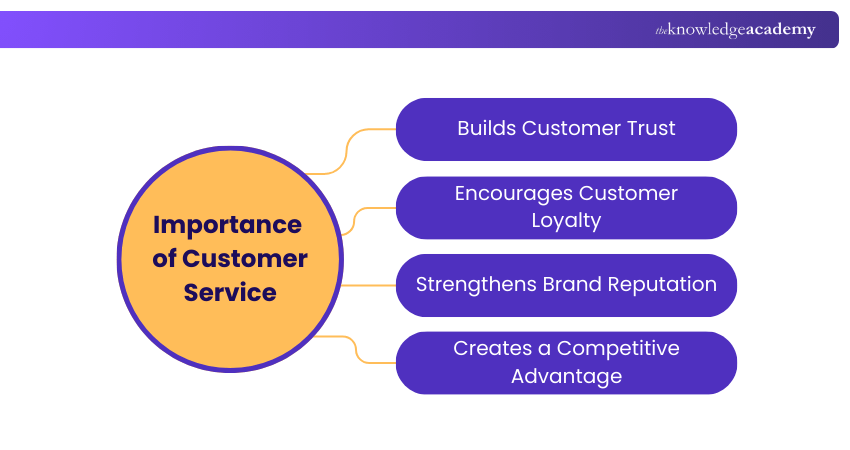
1) Builds Customer Trust: Consistent and reliable service helps customers feel valued when interacting with a brand.
2) Encourages Customer Loyalty: Positive service experiences make customers more likely to return and continue using a company’s products or services.
3) Strengthens Brand Reputation: Businesses known for good Customer Service gain a stronger and more positive reputation in the market.
4) Creates a Competitive Advantage: Providing excellent service helps businesses stand out and attract potential customers.
Top 21 Customer Service Tips
Providing great Customer Service is about understanding customer needs and creating positive experiences. The following Customer Service Tips provide practical ways to improve interactions, resolve issues effectively, and build stronger customer relationships. Let's look at them below:
1) Know Your Product and Services
Customers expect support teams to understand the products or services they represent. When agents confidently answer questions or explain features clearly, it builds trust and reassures customers that they are receiving reliable guidance. Also, strong product knowledge helps resolve issues faster and allows teams to recommend suitable solutions.
For building this expertise, organisations should provide teams with updated resources, such as internal Frequently Asked Questions (FAQs), knowledge bases, and regular refresher training. This ensures employees stay informed about product updates, policies, and services, enabling them to assist customers effectively.
2) Maintain a Positive Attitude
A positive attitude is an important factor in shaping the customer experience. Customers notice tone and approach just as much as the words used in a conversation. When support teams remain calm, patient, and respectful, it reduces tension and keeps the interaction constructive.
When customers are frustrated, responding with patience and professionalism can redirect the conversation toward a solution. Also, taking a moment to pause before replying can help maintain a balanced tone and show customers that their concerns are being handled thoughtfully.
3) Show Empathy
Empathy means understanding the emotions behind a customer’s concerns and responding in a way that shows genuine care. By acknowledging how a customer feels, it can ease frustration and create a supportive interaction. Also, using simple phrases that recognise their situation can help build trust and open the door for problem-solving.
Businesses can strengthen empathy by including role-play exercises in team training. Also, practising real-world scenarios helps support teams learn how to respond with patience, understanding, and reassurance when customers face challenges.
4) Problem Resolution
Effective problem resolution is one of the essential Customer Service Tips for delivering excellent Customer Service. When customers face issues, it is important to respond quickly, understand their concerns, and gather the right information to identify the root cause of the problem.
Support teams should communicate clearly with customers and keep them informed about the steps being taken to resolve the issue. Providing timely and satisfactory solutions can turn negative experiences into positive ones and help build stronger customer loyalty.
5) Timely Response
Timely response is the quality of helping the customer as quickly as possible and keeping them informed of the progress. It helps you improve customer satisfaction, loyalty, and retention. Therefore, aim to respond to customer inquiries as soon as possible, ideally within a few hours or less, depending on the nature of the request.
To provide a timely response, you can set realistic expectations, follow up regularly, and resolve issues efficiently. Keeping customers informed about the update of their requests demonstrates your commitment to their satisfaction and builds trust in your brand.
Learn core strategies for managing difficult behaviour with the Dealing With Difficult People Course – Join now!
6) Personalise the Customer Experience
One of the important Customer Service Tips includes, personalising the customer experience to make customers feel recognised and valued. Simple actions, such as remembering a customer’s previous purchase, acknowledging their preferences, or suggesting products based on past behaviour, can make interactions meaningful.
Businesses can accomplish this by utilising customer data to understand preferences and tailor their communication. Referring to past interactions, offering relevant recommendations, and recognising loyal customers can encourage long-term customer loyalty.
7) Going Above and Beyond
Going above and beyond is the attitude of exceeding the customer’s expectations and delivering more value than they asked for. Seek opportunities to exceed your customer’s expectations and provide extra value. It helps you delight your customers, generate referrals, and differentiate your brand.
To go above and beyond, you can surprise your customers with extra benefits, offer discounts or freebies, and follow up after the service. By consistently going above and beyond, you can create memorable experiences, fostering customer loyalty and advocacy.
8) Active Listening
Active Listening is one of the core Customer Service Tips for effective Customer Service. It involves paying close attention to what the customer is saying and showing genuine interest in understanding their concerns. This approach helps identify customer needs and prevent misunderstandings during interactions.
To practise active listening, support teams can paraphrase the customer’s issue, ask clarifying questions, and use verbal or non-verbal cues to show attentiveness. By doing so, businesses can improve customer satisfaction and create stronger, more positive relationships.
Develop powerful active listening techniques and turn conversations into meaningful connections with Active Listening Training now!
9) Communicate Clearly
Clear communication is essential in Customer Service because misunderstandings lead to frustration. Customers prefer answers that are simple, direct, and easy to understand without technical jargon. Explaining solutions clearly helps build trust and ensures customers know what to expect.
Support teams can improve clarity by summarising the solution and outlining the next steps at the end of a conversation. This helps customers understand what has been done and what will happen next, making the interaction more transparent and reassuring.
10) Focus on First-call Resolution
First-call resolution means solving a customer’s issue during the first interaction without requiring follow-up calls or repeated explanations. Resolving problems quickly shows respect for the customer’s time and helps create a smoother support experience.
Providing support teams with access to customer history, previous conversations, and relevant information allows them to handle issues more efficiently. This approach reduces frustration, improves customer satisfaction, and lowers the overall workload for support teams.
11) Set Proper Expectations
Setting clear and realistic expectations helps build trust between businesses and customers. When companies communicate timelines, processes, and possible outcomes honestly, customers are more understanding if delays or challenges occur.
Support teams should provide accurate timeframes, explain the steps involved in resolving an issue, and keep customers informed about any progress. Transparent communication ensures customers know what to expect and strengthens long-term relationships.
12) Customer Feedback and Surveys
Customer feedback is an indispensable resource for improving your Customer Service efforts. Actively seek feedback from customers through surveys, feedback forms, or online reviews. Pay attention to both positive and negative feedback and use it as an opportunity to learn and grow.
Make sure to analyse customer feedback to detect common pain points, improvement areas and potential gaps in your service. This feedback-driven approach shows customers that their opinions are valued and helps you make data-driven decisions to enhance the Customer Experience.
13) Multilingual Support
In today's globalised world, providing multilingual support is an asset for businesses with international customers. Consider employing Customer Service representatives who are proficient in different languages to cater to a diverse customer base, eliminating language barriers and promoting inclusivity.
Additionally, utilise translation tools or language support software to assist representatives in providing accurate and timely support. By offering multilingual support, you can enhance the Customer Experience and expand your reach in the global market.
Enhance your performance with our expert-led Time Management Training – Join today!
14) Handling Difficult Customers
Handling difficult customers is an important skill in delivering excellent Customer Service. At times, customers may be upset, frustrated, or demanding due to problems they are facing. In such situations, it is important to stay calm, patient, and professional.
Support teams should acknowledge the customer’s feelings, show empathy, and reassure them that the issue will be addressed. Focusing on finding a suitable solution while following company policies can help resolve the situation effectively.
15) Teamwork and Collaboration
Foster a culture of cooperation and encourage employees to work together to solve customer problems and share best practices. Moreover, implement regular team meetings to discuss challenges, exchange ideas, and provide support.
Collaboration ensures that customers receive consistent service regardless of which representative they interact with. By fostering teamwork, you create a supportive environment that values collective effort and ultimately enhances the customer experience.
16) Celebrating Successes
Celebrating successes is important for boosting employee morale and fostering a customer-centric culture. Recognise and appreciate exceptional Customer Service performances through rewards, incentives, or public acknowledgements.
It is necessary to celebrate milestones, achievements, or exemplary service with team-wide recognition events or activities. By celebrating successes, you create a positive work environment that motivates employees to deliver exceptional Customer Service.
17) Be Proactive With Retention
Being proactive with retention means identifying and addressing customer concerns before they turn into bigger problems. Instead of waiting until customers become frustrated or consider leaving, businesses should regularly check in and ensure their needs are being met.
Companies can use feedback, surveys, or customer insights to identify early signs of dissatisfaction. Reaching out with helpful suggestions, support, or personalised offers can strengthen relationships and remind customers of the value they receive from the brand.
18) Training and Development
Training and development are essential for helping Customer Service teams deliver high-quality support. Organisations must provide training that covers product knowledge, communication skills, problem-solving methods, and conflict resolution to prepare employees for different customer situations.
Also, with learning opportunities like workshops, seminars, or e-learning programmes, help employees strengthen their Customer Service skills over time. Also, encouraging continuous learning and providing constructive feedback supports professional growth.
Turn difficult discussions into positive outcomes with Managing Difficult Conversations Training – Sign up today!
19) Technology and Automation
Using technology and automation can improve the efficiency of Customer Service processes. Tools like Customer Relationship Management (CRM) systems can track customer interactions, preferences, and history to provide more personalised and informed assistance.
Also, businesses can use support software that integrates channels like live chat, email, and social media to manage customer interactions. Additionally, chatbots and self-service portals can handle common inquiries, enabling service representatives to focus on more complex customer issues. It’s no wonder that the global Customer Relationship Management (CRM) Software market size is set to expand to £ 21.3 billion by 2035.
20) Track Your Customer Service Performance
Tracking Customer Service performance helps businesses understand what is working well and where improvements are needed. By regularly monitoring service outcomes, organisations can identify gaps in support processes and ensure they are meeting customer expectations.
Businesses can measure performance using key metrics, such as response time and issue resolution rates. Reviewing these metrics and discussing the results with the team helps refine service strategies and improve the overall customer experience.
21) Continuous Improvement
Continuous Improvement is important for maintaining high-quality Customer Service in an evolving business environment. Organisations should regularly review customer feedback, analyse service performance, and identify improvement areas.
Encouraging employees to share suggestions and insights can help refine service processes. Using surveys, feedback forms, and data-driven insights allows businesses to improve their Customer Service to meet evolving customer expectations.
How Can Businesses Build a Customer-centric Culture?
Businesses can build a customer-centric culture by prioritising customer needs and experiences in their decisions and daily operations. Encouraging employees to focus on customer satisfaction, using feedback to improve services, and aligning strategies with customer expectations helps strengthen loyalty and support long-term business growth.
Conclusion
Delivering excellent service is about creating meaningful experiences that make customers feel valued. Applying the top Customer Service Tips helps businesses to improve communication, strengthen relationships, and build long-term loyalty. When organisations consistently prioritise customer needs, they create positive interactions that support a stronger reputation, customer satisfaction, and sustainable business growth.
Nurture your skills and advance your career with Personal Development Courses – Register now!
Frequently Asked Questions
What factors pose challenges to the delivery of quality Customer Service?

Some of the factors that pose challenges to the delivery of quality Customer Service are:
a) Lack of understanding regarding customer needs and expectations
b) Ineffective communication and listening skills
c) Insufficient product or service knowledge
d) Poor problem-solving and decision-making abilities
What role does employee training play in achieving outstanding Customer Service?
Employee training plays a big role in achieving outstanding Customer Service. It helps employees to:
a) Develop the skills and knowledge required to provide excellent service
b) Improve customer satisfaction, loyalty, and retention
c) Increase cross-selling and upselling opportunities
d) Enhance employee engagement and motivation
What are the other resources provided by The Knowledge Academy?
The Knowledge Academy takes global learning to new heights, offering over 3,000+ online courses across 490+ locations in 190+ countries. This expansive reach ensures accessibility and convenience for learners worldwide.
Alongside our diverse Online Course Catalogue, encompassing 17 major categories, we go the extra mile by providing a plethora of free educational Online Resources like Blogs, eBooks, Interview Questions and Videos. Tailoring learning experiences further, professionals can unlock greater value through a wide range of special discounts, seasonal deals, and Exclusive Offers.
What is the Knowledge Pass, and how does it work?
The Knowledge Academy’s Knowledge Pass, a prepaid voucher, adds another layer of flexibility, allowing course bookings over a 12-month period. Join us on a journey where education knows no bounds.
What are related courses and blogs provided by The Knowledge Academy?
The Knowledge Academy offers various Personal Development Courses, including the Exceptional Customer Service Training, Call Control Strategies for Customer Service Training, and Active Listening Training. These courses cater to different skill levels, providing comprehensive insights into Body Language in Customer Service.
Our Business Skills Blogs cover a range of topics related to Customer Service, offering valuable resources, best practices, and industry insights. Whether you are a beginner or looking to advance your Customer Service skills, The Knowledge Academy's diverse courses and informative blogs have got you covered.

The Knowledge Academy


Global Training Provider
The Knowledge Academy is a world-leading provider of professional training courses, offering globally recognised qualifications across a wide range of subjects. With expert trainers, up-to-date course material, and flexible learning options, we aim to empower professionals and organisations to achieve their goals through continuous learning.

Upcoming Business Skills Resources Batches & Dates
Date
 Exceptional Customer Service Training
Exceptional Customer Service Training
Fri 11th Sep 2026
Exceptional Customer Service Training
Fri 11th Dec 2026

 If you wish to make any changes to your course, please


