


 Top Rated Course


We may not have the course you’re looking for. If you enquire or give us a call on +34 932716793 and speak to our training experts, we may still be able to help with your training requirements.
What is Stress? Explained in Detail
The Knowledge Academy 13 February 2026Stress is the body’s natural response to pressure or challenge, triggering the “fight or flight” reaction and releasing hormones like adrenaline. It prepares the body to act quickly in demanding situations, but chronic stress can affect mental and physical health, requiring effective management techniques. Continue reading to learn more!

Training Outcomes Within Your Budget!
We ensure quality, budget-alignment, and timely delivery by our expert instructors.
Table of Contents
In this blog, we’ll explore what causes stress, how it affects the body, and practical ways to manage it effectively. So, read on, understand your triggers, and take steps toward a calmer, balanced life.
Table of Contents
1) What is Stress?
2) What Causes Stress?
3) How Does Stress Affect the Body?
4) Types of Stress
5) When Does Stress Become a Problem
6) Stress Management Tips
7) Management and Treatment
8) Conclusion
What is Stress?
Stress is your body’s way of responding to any demand or threat. When presented with a situation where you feel threatened, your nervous system reacts by releasing a flood of stress hormones. These include Adrenaline and Cortisol, which alert the body for emergency action. It’s a natural reaction that can help you stay wary and focused. However, it can become problematic when it’s constant or overwhelming.
What Causes Stress?
The causes of stress differ for everyone, as each person’s tolerance level varies. Stress often arises when we feel unable to cope with demands or challenges in our lives. Everyday pressures, unexpected events, or ongoing difficulties can all contribute to stress.
Common causes of stress include:
1) Personal History: Our genetics, upbringing, and past experiences shape how we handle pressure.
2) Relationships: Conflicts, breakups, or family tensions can lead to emotional strain.
3) Life Changes: Events like moving home, starting a family, or experiencing loss can be stressful.
4) Financial or Work Issues: Job insecurity, debt, or housing problems often increase stress.
5) Health Concerns: Illness, either personal or affecting loved ones, can trigger anxiety.
6) Parenting and Pregnancy: These life stages can bring physical, emotional, and mental challenges.
7) Isolation: Feeling lonely or lacking support can make it harder to manage stress.
How Does Stress Affect the Body?
Your body’s autonomic nervous system controls essential functions such as breathing, heart rate, digestion, and vision. When faced with pressure or threat, it triggers the “fight-or-flight” response a built-in survival mechanism that prepares your body to react quickly. In short bursts, this reaction is helpful, improving alertness and focus.
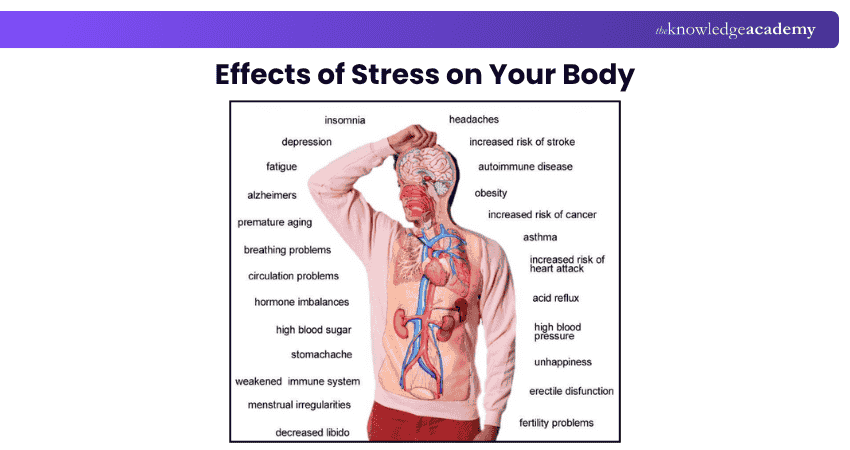
However, chronic stress keeps your body in this heightened state for prolonged periods. Over time, it can cause both physical and emotional strain, weakening your immune system and disrupting normal bodily functions. Continuous stress can lead to fatigue, anxiety, poor concentration, and even serious health conditions such as hypertension or heart disease.
Physical Symptoms
Prolonged stress takes a toll on nearly every part of the body. When stress hormones like cortisol and adrenaline remain elevated, they interfere with normal biological processes, causing several physical problems such as:
a) Headaches and Migraines: Tension and hormone imbalances can lead to frequent headaches.
b) Muscle Tightness: Continuous stress causes stiffness in the neck, shoulders, and jaw.
c) Heart and Chest Issues: A rapid heartbeat, chest pain, or high blood pressure may occur.
d) Sleep Disturbances: Stress often leads to insomnia, restlessness, or poor-quality sleep.
e) Digestive Troubles: Stomach pain, nausea, or irritable bowel symptoms can appear.
f) Immune System Weakening: You may fall ill more often due to reduced resistance to infections.
g) Fatigue and Exhaustion: Constant stress drains your body’s energy, leading to chronic tiredness.
h) Sexual Problems: Reduced libido and difficulties with sexual performance are common.
When these symptoms persist, they can significantly reduce your overall quality of life and may require medical attention.
Psychological Symptoms
Stress affects how you think, feel, and process emotions. Long-term stress can overwhelm your mental health and make everyday situations feel unmanageable. Common psychological effects include:
1) Anxiety and Irritability: You may feel tense, restless, or easily frustrated.
2) Depression and Sadness: Persistent low mood, hopelessness, or loss of interest in activities.
3) Panic Attacks: Sudden bursts of intense fear or physical discomfort, often without warning.
4) Concentration Issues: Difficulty focusing or remembering information due to mental fatigue.
5) Mood Swings: Rapid changes in emotions, from anger to sadness, are frequent under stress.
6) Lack of Motivation: Feeling detached or unproductive in personal or professional life.
If left unmanaged, these symptoms can progress into serious mental health disorders such as anxiety or depressive disorders, making stress management essential for emotional stability.
Master the principles of well-being in our detailed Positive Psychology Training - Sign up now!
Behavioral Symptoms
When stress becomes overwhelming, many people turn to coping mechanisms that can be harmful if overused. Behavioural symptoms often appear as changes in habits or daily routines, such as:
a) Overeating or Loss of Appetite: Using food for comfort or neglecting proper nutrition.
b) Substance Misuse: Increased use of alcohol, tobacco, or drugs to ease tension.
c) Compulsive Behaviours: Gambling, excessive shopping, or uncontrolled internet use can become addictive distractions.
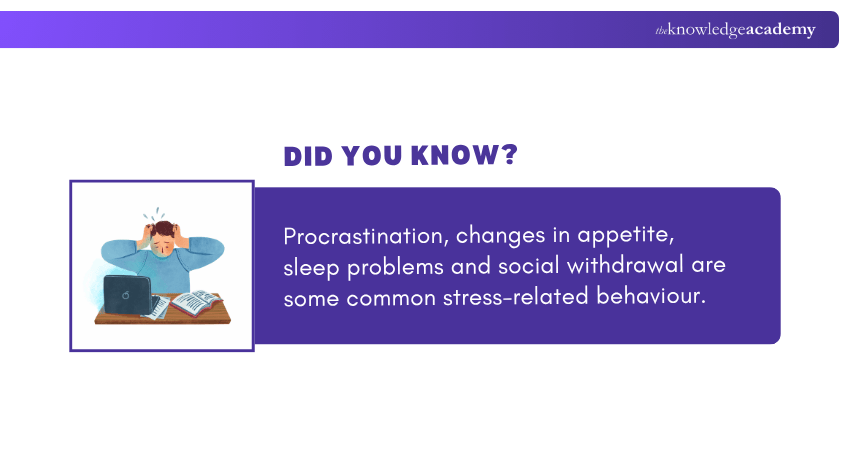
d) Social Withdrawal: Avoiding social interactions or isolating oneself to escape pressure.
e) Neglecting Responsibilities: Decreased focus at work or home due to mental exhaustion.
f) Restlessness: Engaging in repetitive or aimless activities to cope with anxiety.
These behaviours may temporarily relieve tension but often worsen stress in the long run, affecting both personal health and relationships.
Stress rash
Stress can sometimes cause a skin reaction known as a stress rash, which appears as pink or red raised bumps called hives. These hives may itch, sting, or feel painful and can occur without an allergic trigger. Stress rashes are more common among women, especially in their 20s to 40s.
They can usually be eased with antihistamines, but managing stress levels is equally important for long-term relief.
Learn how to deal with stress in the workplace in our comprehensive Stress Management Course - Sign up now!
Types of Stress
Depending on how it affects you, it is categorised into two major types, positive and negative. Here we explore seven key types of stress that affect people of varying lifestyles or age groups:
Acute Stress
The most common form of stress, acute stress occurs in response to immediate challenges. It can boost alertness short-term but may cause headaches, tension, or rapid heartbeat if frequent.
Chronic Stress
Chronic stress results from prolonged pressure like work or family problems. Continuous strain prevents recovery, leading to fatigue, heart issues, and weakened immunity if unmanaged.
Episodic Acute Stress
Episodic acute stress happens when acute stress occurs frequently, causing constant tension and irritability. It can strain relationships and health, requiring lifestyle changes and stress management.
Emotional Stress
Emotional stress arises from personal relationships or loss, often causing sadness, anxiety, and depression. Seeking support from loved ones or professionals helps manage these emotions effectively.
Physical Stress
Physical stress results from overexertion, illness, or lack of rest, leading to fatigue and weak immunity. Maintaining a balanced lifestyle with rest, exercise, and nutrition helps recovery.
Environmental Stress
Environmental stress is caused by external factors like noise, pollution, or overcrowding. Minimising exposure and improving living or work conditions can reduce its effects.
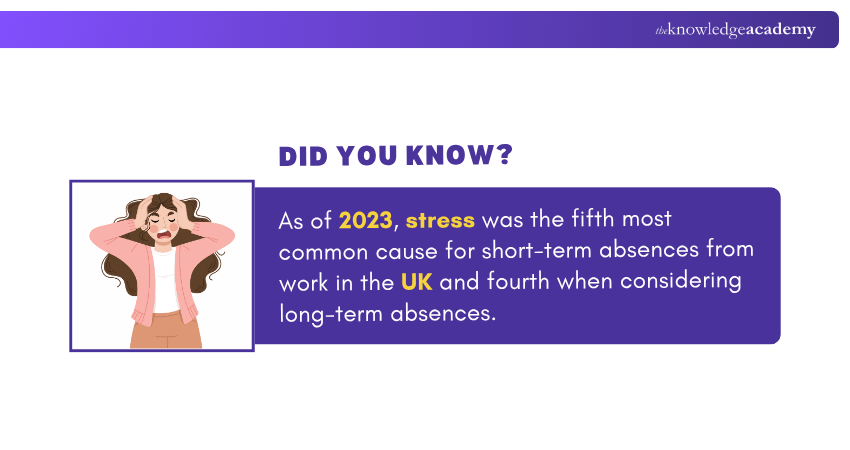
Psychological Stress
Psychological stress stems from negative thoughts, internal pressure, or unrealistic expectations. Mindfulness, relaxation, and cognitive-behavioural techniques help restore mental balance.
When Does Stress Become a Problem
A small amount of stress can sometimes be helpful, keeping us motivated and alert. However, when stress becomes prolonged or too intense, it can start to affect both our physical and mental wellbeing.
Healthcare professionals often categorise stress as either acute or chronic. Acute stress arises suddenly after an unexpected event, such as an accident, bereavement, or major life change, and typically lasts for a short period.
Chronic stress, on the other hand, persists over time or reoccurs frequently. It can develop when someone faces continuous pressure or challenging circumstances, such as financial struggles or caregiving responsibilities.
Learn how you can prevent psychological distress that can lead to extreme adversities - sign up for our Prevention Psychology Training now!
Stress Management Tips
Managing stress involves adopting habits and techniques that help you maintain balance and well-being.
Try Self-help Techniques
Try to engage yourself with activities that help you relax, such as reading, meditating, or listening to music. Find what works best for you and make it a regular part of your routine.
Try Positive Thinking
Reframe your negative thoughts and focus on a more positive outcome. Practising gratitude and keeping a journal can help shift your mindset.
Talk to Someone
Share your feelings with your trusted friends, family members, or therapist. Talking can provide relief and offer new perspectives on your problems.
Split up Big Tasks
Break large projects into smaller, manageable steps. This can make them seem less overwhelming and more accessible to tackle.
Be More Active
Regular physical activity can help regulate your stress hormones. Staying active can also trigger the release of endorphins, which are natural mood boosters.
Plan Ahead
Organise your time and prioritise tasks. Having a clear plan can reduce the Stress of last-minute rushes and unexpected challenges.
Management and Treatment
While stress can't be predicted, daily stress-relief strategies can help keep it from becoming overwhelming:
1) When stress arises, engage in physical activity, such as a short walk.
2) Focus on what you accomplished rather than what was left undone.
3) Break tasks into daily, weekly, and monthly goals.
4) Talk to a Therapist or Healthcare Provider.
Aid in creating a safe space for everyone around you with our Mindfulness Training - sign up now!
Conclusion
While it's a natural part of life, understanding What is Stress, its types, symptoms, and management techniques can help you stay in control. You can significantly reduce its impact by recognising the various triggers, embracing healthy coping strategies, and seeking much-needed support. As outlined in this blog, it's about taking charge of stress (not the other way round), prioritising well-being, and creating a more balanced life.
Learn to manage stress mindfully and build resilience with our Handle Stress and Develop Your Resilience Training - register now!
Frequently Asked Questions
How can I tell if I’m Stressed?

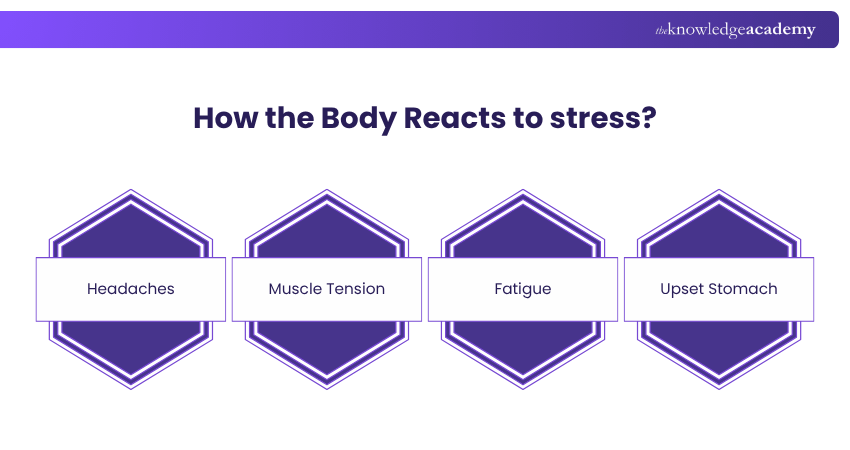
Recognising stress can be tricky, but common signs include feeling anxious, irritable, or overwhelmed. Physical symptoms like headaches, muscle tension, and fatigue are also indicators.
What to Reduce Stress Quickly?
Quick stress-relief techniques include deep breathing, taking a short walk, or practising mindfulness. Even a few minutes of these activities can help calm your mind and body.
What are the Other Resources and Offers Provided by The Knowledge Academy?
The Knowledge Academy takes global learning to new heights, offering over 3,000+ online courses across 490+ locations in 190+ countries. This expansive reach ensures accessibility and convenience for learners worldwide.
Alongside our diverse Online Course Catalogue, encompassing 19 major categories, we go the extra mile by providing a plethora of free educational Online Resources like Blogs, eBooks, Interview Questions and Videos. Tailoring learning experiences further, professionals can unlock greater value through a wide range of special discounts, seasonal deals, and Exclusive Offers.
What is the Knowledge Pass, and How Does it work?
The Knowledge Academy’s Knowledge Pass, a prepaid voucher, adds another layer of flexibility, allowing course bookings over a 12-month period. Join us on a journey where education knows no bounds.
What are Related Health & Safety Courses and Blogs Provided by The Knowledge Academy?
The Knowledge Academy offers various Health & Safety Courses, including Advance First-Aid Training, Active and Healthy Lifestyle Training, and Counselling Certifications. These courses cater to different skill levels, providing comprehensive insights into What is Anxiety.
Our Health & Safety Blogs cover a range of topics related to Panic and Anxiety Attacks, offering valuable resources, best practices, and industry insights. Whether you are a beginner or looking to advance your skills. The Knowledge Academy's diverse courses and informative blogs have you covered.

The Knowledge Academy


Global Training Provider
The Knowledge Academy is a world-leading provider of professional training courses, offering globally recognised qualifications across a wide range of subjects. With expert trainers, up-to-date course material, and flexible learning options, we aim to empower professionals and organisations to achieve their goals through continuous learning.


 If you wish to make any changes to your course, please


