


 Top Rated Course

We may not have the course you’re looking for. If you enquire or give us a call on +420 210012971 and speak to our training experts, we may still be able to help with your training requirements.
How Cognitive Behavioural Therapy Helps Improve Mental Health
The Knowledge Academy 21 April 2026Cognitive Behavioural Therapy (CBT) is an evidence-based approach that helps people understand the link between their thoughts, feelings, and behaviours. Whether you're facing anxiety, depression, stress, or want to think and feel better, this therapy will identify, question, and replace them with more objective, realistic thoughts.

Training Outcomes Within Your Budget!
We ensure quality, budget-alignment, and timely delivery by our expert instructors.
Table of Contents
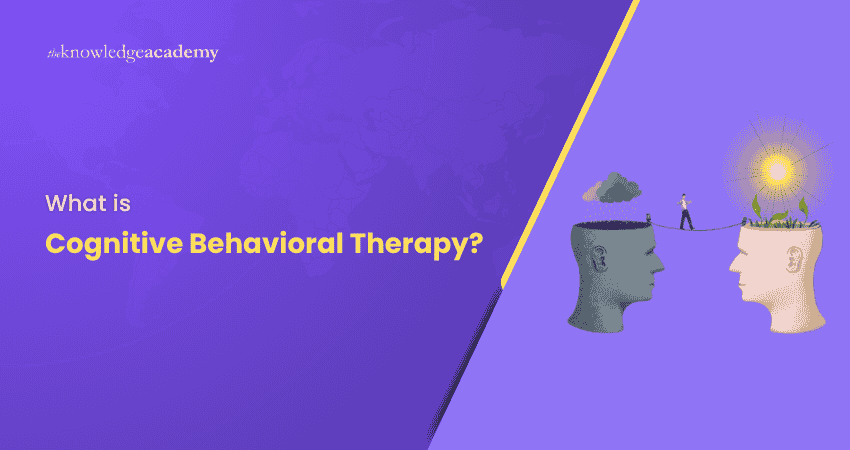
Have you ever caught yourself thinking, “I always mess things up” or “Nothing ever goes right for me”? These automatic thoughts can shape the way we feel and act, often without us even noticing. While these thoughts are involuntary, they can be very damaging to our mental health in our day-to-day lives. Managing these thoughts can be helpful, but it’s not always easy to do. To understand this better, let’s dive into the concept. In this blog, we’ll explore what Cognitive Behavioural Therapy (CBT) is, how it works, its types, and what to expect if you decide to give it a try.
Table of Contents
1) What is Cognitive Behavioural Therapy (CBT)?
2) How Does Cognitive Behavioural Therapy (CBT) Work?
3) Types of Cognitive Behavioural Therapy
4) What to Expect in CBT Sessions?
5) What Work Will I Need to Do In CBT?
6) Key Considerations for Cognitive Behavioural Therapy
7) Cognitive Behavioural Therapy Techniques
8) Benefits of Cognitive Behavioural Therapy
9) Conclusion
What is Cognitive Behavioural Therapy (CBT)?
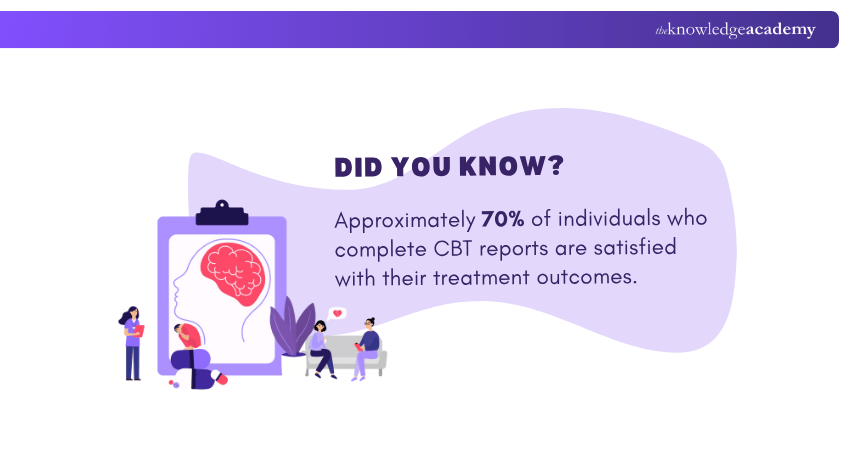
Cognitive Behavioural Therapy (CBT) is a type of talk therapy that helps people understand how their thoughts, feelings, and actions are connected. It teaches people how to notice negative thoughts and change them to feel better and make healthier choices. CBT is often used to treat problems like stress, anxiety, and depression.
CBT works by showing people how their thoughts can affect their feelings and behaviours. For example, if someone often thinks, “I can’t do anything right,” they may start to feel sad and stop trying new things. In CBT, a therapist helps the person to challenge this thought and find a more helpful one like, “I can learn and get better.” Over time, this can help them feel more confident and happier.
How Does Cognitive Behavioural Therapy (CBT) Work?
It works by identifying harmful patterns in your thoughts and reactions to circumstances. Your therapist assists you in reframing these patterns and identifying more holistic coping mechanisms once they are identified.
You'll put in a lot of effort to find solutions rather than merely discussing your worries. In between sessions, homework, self-reflection, and functional tasks are frequently included. Building trust, honing problem-solving techniques, and combating pessimistic thinking are the objectives.
Discover how healthy habits can lead to a happier life with our Healthy Lifestyles Training -Join today!
Types of Cognitive Behavioural Therapy
There are different types of CBT, each with its own methods and focus. Here are some of the most common types:

1) Cognitive Therapy
This type of therapy focuses on recognising and changing negative thought patterns. It helps people challenge harmful beliefs and become more aware of how their thoughts affect their feelings and behaviours.
2) Dialectical Behaviour Therapy
Originally developed for people with borderline personality disorder, this therapy combines CBT with mindfulness. It teaches important skills like managing emotions, building healthy relationships, and coping with distress in a calm and safe way.
3) Multimodal Therapy
This therapy looks at different parts of a person’s life, including behaviour, thinking, emotions, physical health, and social habits. It is flexible and is often adjusted to suit each person’s unique needs and situation.
4) Rational Emotive Behaviour Therapy (REBT)
REBT focuses on finding and changing unreasonable beliefs. It helps people replace negative, harmful thoughts with more balanced and logical ones. It is a simple and direct way to manage unhelpful thinking.
Get active, stay strong, and build habits that last a lifetime. Register for our Active and Healthy Lifestyles Training now!
What to Expect in CBT Sessions?
The sessions are held weekly for 30-60 minutes with a trained therapist either online or offline.
1) Inside the Sessions
The first few sessions will be about understanding your challenges, setting goals and building trust between the therapist and the client. Later, these sessions will focus on exploring your thoughts and habits in more detail. This will, in turn, help you learn techniques to help manage Stress and Anxiety, low mood or stress in your everyday life.
2) Between Sessions
Between the sessions, you will be given simple tasks like journaling, trying out new behaviours or monitoring your mood. These tasks are crucial for progress and will help you practice what you learned in real life.

What Work Will I Need to Do In CBT?
Having uncertainties or fears is quite normal while being new to this. During the first session, expect to fill out forms, insurance information, medical history, etc. Once the therapist has a better idea of you as a being and your goals with CBT, they will help you increase your thoughts and beliefs that are unhelpful.
From this point on, you and your therapist will work together to build and apply strategies that help develop healthier thoughts and behaviour patterns. You might need to keep a diary, practice relaxation, try new behaviours in real situations, challenge your negative thoughts, and track your progress. The more involved you are in the process, the more you will benefit from it.
Key Considerations for Cognitive Behavioural Therapy
Key considerations for CBT are as follows.
1) Progress is Often Gradual
CBT is a step-by-step process that helps you make small changes in behaviour over time. By working towards a larger goal in smaller parts, the process feels less overwhelming, and the goals become easier to reach.
2) CBT is Very Structured
CBT follows a structured approach and does not focus on hidden or unconscious causes like some other therapies. This structure may feel difficult for people who prefer flexibility or who want to explore their past and emotions more freely.
3) You Must Be Willing to Change
For CBT to work well, you need to be open and willing to spend time and effort exploring your thoughts and feelings. Although this can be challenging, it is the best way to understand yourself and make positive changes.
4) Change Can Be Difficult
Some people know that their negative thoughts are not healthy or logical, but simply being aware of them does not always make them easy to change. It takes practice and patience to replace these thoughts with more helpful ones.
Learn to find your calm and focus with our Meditation Course - Join today!
Cognitive Behavioural Therapy Techniques
CBT uses a huge variety of strategies to help people overcome their patterns. Below listed are the techniques used often for the same.
1) Self-monitoring
This is an important technique of CBT. It tracks behaviour, symptoms, or experiences over time and shares them with your therapist. This can provide the therapist with the details needed to give you the best treatment.
2) Goal-setting
Goal-setting will help you make changes to improve your health and life. During CBT, a therapist can assist you build and boost your goal-setting skills.
3) Problem-solving
You will learn a step-by-step method of problem-solving in CBT, which will include identifying the problem, generating a list of solutions, choosing the same with its strengths and weaknesses in mind and implementing the solution.
4) Practicing New Skills
People are frequently taught new skills that can be utilised in real-world situations, like rehearsing coping skills to dodge social situations that might potentially activate a relapse.
5) Identifying Negative Thoughts
In CBT, one key technique is identifying automatic negative thoughts. These are quick thoughts that often appear and make you feel worse in certain situations.
Benefits of Cognitive Behavioural Therapy
Here are the advantages of Cognitive Behavioural Therapy:
1) Helps You Manage Negative Thoughts
CBT teaches you how to notice negative thoughts quickly. It helps you understand that not all thoughts are true or helpful. Over time, you can learn to challenge these thoughts and replace them with more positive and realistic ones.
2) Improves Everyday Problem-Solving
CBT gives you easy steps to solve daily problems. It helps you stay calm, think clearly, and focus on finding good solutions. Instead of feeling stuck, you learn how to manage situations in a simple and practical way.
3) Builds Confidence and Self-esteem
CBT helps you believe in yourself by showing you how to think in a more balanced way. As you work on changing your thoughts, you start to see your own strengths. This builds your confidence and helps you feel better about yourself.
4) Gives You Skills for the Future
One of the best things about CBT is that it teaches you useful skills you can use for life. These skills help you deal with stress, fear, and other problems even after therapy ends. You can keep using what you’ve learned to stay strong and healthy in the future.
Conclusion
Cognitive Behavioural Therapy is more than just a way to treat problems; it’s a helpful guide for everyday life. It teaches you how to understand your thoughts, break free from unhelpful habits, and face challenges with more confidence. CBT doesn’t just focus on what’s wrong; it helps you build on what’s strong. It gives you simple tools that you can use to feel better and stay strong in the future.
Frequently Asked Questions
The five Stages of Cognitive Behaviour Therapy (CBT)

1) Stage 1: Assessment and Engagement
2) Stage 2: Formulation
3) Stage 3: Active Intervention
4) Stage 4: Maintenance and Relapse Prevention
5) Stage 5: Termination and Evaluation
What are the 3 Cs in CBT?
In Cognitive Behavioural Therapy (CBT), the 3 Cs are Catching, Checking, and Changing your thoughts.
What are the Other Resources and Offers Provided by The Knowledge Academy?
The Knowledge Academy takes global learning to new heights, offering over 3,000+ online courses across 490+ locations in 190+ countries. This expansive reach ensures accessibility and convenience for learners worldwide.
Alongside our diverse Online Course Catalogue, encompassing 17 major categories, we go the extra mile by providing a plethora of free educational Online Resources like Blogs, eBooks, Interview Questions and Videos. Tailoring learning experiences further, professionals can unlock greater value through a wide range of special discounts, seasonal deals, and Exclusive Offers.
What is The Knowledge Pass, and How Does it Work?
The Knowledge Academy’s Knowledge Pass, a prepaid voucher, adds another layer of flexibility, allowing course bookings over a 12-month period. Join us on a journey where education knows no bounds.
What are the Related Courses and Blogs Provided by The Knowledge Academy?
The Knowledge Academy offers various Healthy Lifestyles Training, including the Cognitive Behavioural Therapy Training, Yoga Training, and Nutrition Course. These courses cater to different skill levels, providing comprehensive insights into Work-life Balance.
Our Health & Safety Blogs cover a range of topics related to Cognitive Behavioural Therapy, offering valuable resources, best practices, and industry insights. Whether you are a beginner or looking to advance your Health and Safety knowledge, The Knowledge Academy's diverse courses and informative blogs have got you covered.

The Knowledge Academy


Global Training Provider
The Knowledge Academy is a world-leading provider of professional training courses, offering globally recognised qualifications across a wide range of subjects. With expert trainers, up-to-date course material, and flexible learning options, we aim to empower professionals and organisations to achieve their goals through continuous learning.

Upcoming Health & Safety Resources Batches & Dates
Date
 Cognitive Behavioural Therapy Training
Cognitive Behavioural Therapy Training
Fri 25th Sep 2026
Cognitive Behavioural Therapy Training
Fri 11th Dec 2026

 If you wish to make any changes to your course, please


