


 Top Rated Course

We may not have the course you’re looking for. If you enquire or give us a call on +357 26030221 and speak to our training experts, we may still be able to help with your training requirements.
Program Life Cycle Management: A Complete Guide
David Evans 13 April 2026Explore the space of Program Life Cycle Management to gain a deep understanding of its significance. Uncover the key phases within the program management lifecycle, including initiation, planning, and execution. Learn about the invaluable benefits that effective program life cycle management can bring to your projects.

Training Outcomes Within Your Budget!
We ensure quality, budget-alignment, and timely delivery by our expert instructors.
Table of Contents
Program Life Cycle Management refers to the end-to-end process of managing programs throughout all the lifecycle stages. It involves a structured approach to ensure that programs are successfully delivered on time, within budget and according to the predefined objectives.
Program Management Life Cycle is essential for organisations as it provides a framework to effectively plan, execute, monitor, and control programs. In this blog, you will learn what is Program Life Cycle Management, its key phases and its benefits. Let's dive in deeper to learn more!
Table of Contents
1) What is Program Management Lifecycle?
2) Key Phases of Program Life Cycle Management
a) The Initiation Phase
b) The Planning Phase
c) The Execution Phase
d) The Phase of Monitoring and Control
e) The Closure Phase
3) Benefits of Program Life Cycle Management
4) Conclusion
What is Program Management Lifecycle?
The Program Management lifecycle consists of distinct phases that guide the program's progression. These phases provide a structured approach to managing programs and ensuring their successful completion. Each phase has its specific objectives, deliverables, and activities that result in the program's overall success.
Understanding the Program Management lifecycle is crucial for Program Managers to plan, execute, and control programs effectively. Program Managers can mitigate risks, address challenges, and achieve desired outcomes by following the lifecycle and its associated processes.

Key Phases of Program Life Cycle Management
Program Life Cycle Management consists of several key phases that guide the successful execution of programs. Let's explore these phases:
The Initiation Phase
The Initiation phase is the starting point of the Program Life Cycle. During this phase, the program is conceptualised, and key activities are undertaken to set the foundation for the program's success. The primary objectives of the Initiation phase are to identify the need for the program, define its objectives, and assess its feasibility.
Program Managers work closely with stakeholders in this phase to understand their requirements and expectations. They conduct thorough assessments to determine the viability and potential benefits of the program.
This involves evaluating financial resources, technical feasibility, market demand, and organisational readiness. Key activities in the initiation phase include:
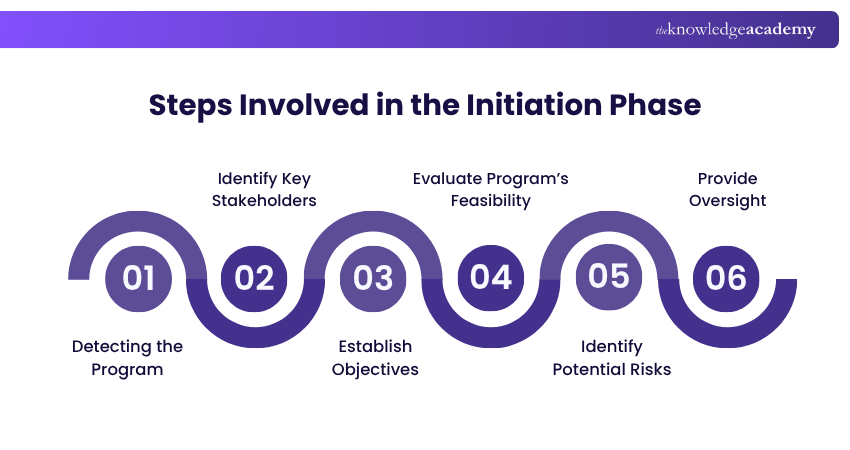
1) Identifying the Program: Program Managers identify the need for the program based on organisational goals, market demands, or strategic initiatives. They define the program's scope, boundaries, and intended outcomes.
2) Stakeholder Identification: Key stakeholders who will be impacted by or have an interest in the program are identified. These stakeholders may include executives, project sponsors, end-users, customers, and regulatory bodies.
3) Defining Program Objectives: Clear and measurable objectives are established for the program. These objectives align with the organisation's strategic goals and serve as a guiding force throughout the Program Life Cycle.
4) Conducting Feasibility Study: A thorough feasibility study is conducted to assess the program's technical, operational, financial, and legal aspects. This study helps determine whether the program is viable and achievable within the given constraints.
5) Risk Assessment: Program Managers identify potential risks and uncertainties associated with the program. They analyse the impact and likelihood of these risks and create strategies to mitigate or manage them effectively.
6) Establishing Governance Structure: A governance structure is established to provide oversight, decision-making authority, and accountability for the program. This includes defining roles and responsibilities, establishing communication channels, and creating mechanisms for monitoring and control.
The Initiation phase sets the stage for the entire program life cycle by clearly understanding the program's purpose, goals, and feasibility. It forms the basis for subsequent phases, enabling Program Managers to plan, execute, and monitor the program effectively.
By successfully completing the initiation phase, Program Managers gain stakeholder buy-in, align the program with organisational objectives, and lay a solid foundation for the successful delivery of the program.
Elevate your Program Management expertise to the next level with our specialised Program Management Professional (PgMP)®. Sign up now!
The Planning Phase
The planning phase is a crucial step in Program Life Cycle Management that involves developing a comprehensive plan for the program. This phase focuses on defining the program's scope, objectives, deliverables, and strategies to achieve them. In understanding the Difference Between Project Management and Program Management, effective planning in program management ensures that the program is well-structured, resources are allocated appropriately, and potential risks and challenges are identified.
During the planning phase, Program Managers collaborate with stakeholders, subject matter experts, and project teams to gather the necessary information and insights. They analyse the requirements, constraints, and dependencies to create a robust plan that guides the successful execution of the program. Key activities in the Planning phase include:
1) Defining Program Scope: Program Managers clearly define the boundaries and extent of the program. They identify the specific projects, activities, and outcomes that will be included within the program.
2) Defining Program Objectives: The objectives derived from the overall program goals are outlined in measurable terms. These objectives provide a clear direction and serve as a benchmark for evaluating the program's success.
3) Creating a Work Breakdown Structure (WBS): Program managers develop a hierarchical breakdown of the program into manageable components, known as the Work Breakdown Structure (WBS). Understanding the Benefits of Work Breakdown Structure is essential as the WBS breaks down the program into smaller tasks, making planning, assigning responsibilities, and estimating resource requirements easier.
4) Identifying Dependencies: Program Managers identify the dependencies between various project and program activities. This helps ensure that the program progresses smoothly and that tasks are executed in the correct sequence to avoid delays or bottlenecks.
5) Resource Allocation: Program Managers determine the resources required for each project within the project. This includes human resources, equipment, facilities, and budgetary considerations. They allocate resources based on project priorities, availability, and skill requirements.
6) Communication and Stakeholder Engagement: A communication plan is developed to facilitate effective stakeholder communication. Program Managers identify the key communication channels, establish reporting mechanisms, and define how information will be shared throughout the program.
7) Risk Management: Program Managers conduct a detailed risk assessment to identify potential risks and develop strategies to mitigate or respond to them. They prioritise risks based on their impact and likelihood and incorporate risk management plans into the program's overall plan.
The planning phase lays the groundwork for successful program execution. It ensures that all aspects of the program are considered, tasks are well-defined, resources are allocated efficiently, and risks are mitigated. A well-developed plan provides clarity, direction, and a roadmap for the program's execution.
The Execution Phase
During the execution phase, Program Managers oversee the implementation of planned activities, coordinate resources, and monitor progress. The key components of this phase include:
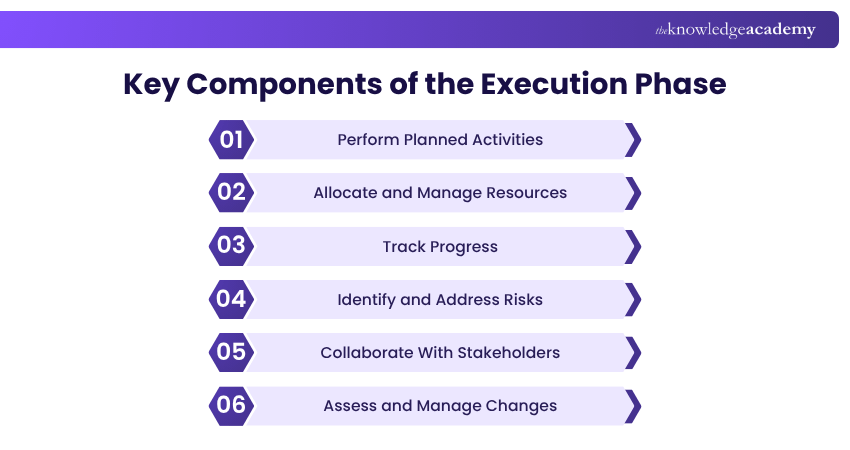
1) Implementing Planned Activities: Project teams carry out the defined activities within each project, following the established plan.
2) Coordinating Resources: Program Managers allocate and manage resources effectively to support project execution.
3) Monitoring Progress: Continuous monitoring of project progress against milestones, deliverables, and timelines.
4) Issue and Risk Management: Proactively identifying and addressing issues and risks that arise during the execution phase.
5) Stakeholder Communication: Maintaining effective communication with stakeholders, providing regular updates, and addressing concerns.
6) Change Management: Assessing and managing changes that may impact the program, making informed decisions.
The execution phase brings the program plan to life, focusing on efficient implementation, resource optimisation, and stakeholder satisfaction. Program Managers drive project teams, adapt to changes, and ensure the program's success.
The Phase of Monitoring and Control
The phase of monitoring and control in Program Life Cycle Management is crucial for ensuring the program's progress and success. During this phase, Program Managers actively monitor the program's performance, compare it to the defined metrics and objectives, and take necessary actions to keep the program on track. Key activities in the monitoring and control phase include:
1) Performance Tracking: Program Managers continuously track the program's progress by monitoring key performance indicators (KPIs) and comparing them to the predetermined targets. This allows them to assess the program's overall performance and identify any deviations from the plan.
2) Risk Assessment: Program Managers assess and evaluate risks throughout the program's duration. They identify potential risks, analyse their potential impact on the program, and develop strategies to mitigate or manage them effectively. Regular risk assessments help proactively address potential challenges and minimise their negative impact.
3) Quality Assurance: Program Managers ensure that the program's deliverables meet the required quality standards. They establish quality control measures, conduct regular reviews and inspections, and implement corrective actions if necessary.
4) Stakeholder Engagement: Program Managers maintain effective communication and engagement with stakeholders. They provide regular updates on the program's progress, address any concerns or issues raised by stakeholders, and seek feedback to ensure alignment and satisfaction.
5) Change Management: Program Managers manage changes that may arise during the program's execution. They assess the impact of changes, evaluate their feasibility and implications, and implement appropriate change control procedures. This helps maintain program stability while accommodating necessary modifications.
The monitoring and control phase enables Program Managers to have real-time visibility into the program's performance, identify potential risks, and make informed decisions. By actively monitoring and controlling the program, they can proactively address challenges, ensure program alignment with objectives, and take corrective actions when needed.
The Closure Phase
The closure phase marks the final phase and the end of the program. Project managers ensure that all project deliverables are completed, conduct final evaluations, and obtain feedback from stakeholders. They document lessons learned and identify opportunities for improvement in future programs. Proper closure ensures a smooth transition and benefits the organisation from the program's outcomes.
The closure phase allows Program Managers to assess the program's overall success and gather valuable insights. By analysing the outcomes and lessons learned, Program Managers can improve their Program Management practices and enhance future program delivery.
Navigate and mitigate risks with confidence and precision with our PMI-RMP® Certification Training Sign up now!
Benefits of Program Life Cycle Management
Program Life Cycle Management offers several benefits to organisations. Some of the key benefits include:
1) Improved Program Visibility: Program Life Cycle Management provides a structured framework that enhances visibility into the program's progress, risks, and challenges. This enables stakeholders to have a clear understanding of the program's status and make informed decisions.
2) Increased Stakeholder Satisfaction: Program Management Life Cycle emphasises effective communication and stakeholder engagement. By involving stakeholders throughout the program's lifecycle, Program Managers can meet their expectations and enhance stakeholder satisfaction.
3) Better Resource Utilisation: The Program Management Life Cycle helps optimise resource allocation by providing a structured approach to identify and allocate resources effectively. This ensures that resources are utilised efficiently, leading to cost savings and improved program outcomes.
4) Alignment with Strategic Goals: The Program Management Life Cycle ensures that programs are aligned with the organisation's strategic goals. It provides a systematic approach to link programs to the broader organisational objectives, enabling the organisation to achieve its desired outcomes.
5) Enhanced Risk Management: By following the Program Management lifecycle, Program Managers can identify and mitigate risks throughout the program's duration. This proactive approach minimises the impact of risks on the program's objectives and ensures its successful delivery.
Explore our comprehensive guide to understand the Difference Between Program Manager and Project Manager and find out which career path suits you best!
Conclusion
We hope you read this blog and understood Program Life Cycle Management thoroughly. It is a systematic approach that enables organisations to effectively plan, execute, monitor, and control programs from initiation to closure. By following these phases, organisations can achieve successful program outcomes and align with strategic goals.
Supercharge your project management skills with our comprehensive PMP® Training Sign up today!
Frequently Asked Questions
What Tools are Used in Program Life Cycle Management?

Program Life Cycle Management uses tools such as Project Management Software (like Jira, Asana, or MS Project), Gantt charts, dashboards, and risk management tools. These help plan tasks, track progress, manage resources, and monitor performance effectively.
How can Organisations Improve Program Life Cycle Management?
Organisations can improve Program Life Cycle Management by adopting structured frameworks, enhancing stakeholder communication, using data-driven decision-making, and continuously monitoring performance. Regular reviews, training, and process improvements also help achieve better outcomes.
What are the Other Resources and Offers Provided by The Knowledge Academy?
The Knowledge Academy takes global learning to new heights, offering over 3,000+ online courses across 490+ locations in 190+ countries. This expansive reach ensures accessibility and convenience for learners worldwide.
Alongside our diverse Online Course Catalogue, encompassing 17 major categories, we go the extra mile by providing a plethora of free educational Online Resources like Blogs, eBooks, Interview Questions and Videos. Tailoring learning experiences further, professionals can unlock greater value through a wide range of special discounts, seasonal deals, and Exclusive Offers.
What is The Knowledge Pass, and How Does it Work?
The Knowledge Academy’s Knowledge Pass, a prepaid voucher, adds another layer of flexibility, allowing course bookings over a 12-month period. Join us on a journey where education knows no bounds.
What are the Related Courses and Blogs Provided by The Knowledge Academy?
The Knowledge Academy offers various PMP® Training, including the Program Management Professional (PgMP)® Certification Course, and the Portfolio Management Professional PfMP® Certification Course. These courses cater to different skill levels, providing comprehensive insights into Program Management vs Project Management.
Our Project Management Blogs cover a range of topics related to Project Management, offering valuable resources, best practices, and industry insights. Whether you are a beginner or looking to advance your Project Management skills, The Knowledge Academy's diverse courses and informative blogs have got you covered.

David Evans


Certified Project Trainer and Agile Delivery Expert
David Evans brings over a decade of hands-on experience in project delivery, Agile transformation, and team leadership. With a background in technology and business consulting, David has led cross-functional teams through Agile and Waterfall projects in both public and private sectors. He combines technical knowledge with practical insights to help readers navigate the challenges of modern project environments.

Upcoming Project Management Resources Batches & Dates
Date
 PMP® Certification Training Course
PMP® Certification Training Course
Mon 15th Jun 2026
PMP® Certification Training Course
Sat 20th Jun 2026, Sun 21st Jun 2026
PMP® Certification Training Course
Mon 22nd Jun 2026
PMP® Certification Training Course
Mon 29th Jun 2026
PMP® Certification Training Course
Sat 4th Jul 2026, Sun 5th Jul 2026
PMP® Certification Training Course
Mon 6th Jul 2026
PMP® Certification Training Course
Mon 13th Jul 2026
PMP® Certification Training Course
Sat 18th Jul 2026, Sun 19th Jul 2026
PMP® Certification Training Course
Mon 20th Jul 2026
PMP® Certification Training Course
Mon 27th Jul 2026
PMP® Certification Training Course
Sat 1st Aug 2026, Sun 2nd Aug 2026
PMP® Certification Training Course
Mon 3rd Aug 2026
PMP® Certification Training Course
Mon 10th Aug 2026
PMP® Certification Training Course
Mon 17th Aug 2026
PMP® Certification Training Course
Sat 22nd Aug 2026, Sun 23rd Aug 2026
PMP® Certification Training Course
Mon 24th Aug 2026
PMP® Certification Training Course
Tue 1st Sep 2026
PMP® Certification Training Course
Sat 5th Sep 2026, Sun 6th Sep 2026
PMP® Certification Training Course
Mon 7th Sep 2026
PMP® Certification Training Course
Mon 14th Sep 2026
PMP® Certification Training Course
Sat 19th Sep 2026, Sun 20th Sep 2026
PMP® Certification Training Course
Mon 21st Sep 2026
PMP® Certification Training Course
Mon 28th Sep 2026
PMP® Certification Training Course
Sat 3rd Oct 2026, Sun 4th Oct 2026
PMP® Certification Training Course
Mon 5th Oct 2026
PMP® Certification Training Course
Mon 12th Oct 2026
PMP® Certification Training Course
Sat 17th Oct 2026, Sun 18th Oct 2026
PMP® Certification Training Course
Mon 19th Oct 2026
PMP® Certification Training Course
Mon 26th Oct 2026
PMP® Certification Training Course
Mon 2nd Nov 2026
PMP® Certification Training Course
Sat 7th Nov 2026, Sun 8th Nov 2026
PMP® Certification Training Course
Mon 9th Nov 2026
PMP® Certification Training Course
Mon 16th Nov 2026
PMP® Certification Training Course
Sat 21st Nov 2026, Sun 22nd Nov 2026
PMP® Certification Training Course
Mon 23rd Nov 2026
PMP® Certification Training Course
Mon 30th Nov 2026
PMP® Certification Training Course
Mon 7th Dec 2026
PMP® Certification Training Course
Sat 12th Dec 2026, Sun 13th Dec 2026
PMP® Certification Training Course
Mon 14th Dec 2026
PMP® Certification Training Course
Mon 21st Dec 2026

 If you wish to make any changes to your course, please


