


 Top Rated Course

We may not have the course you’re looking for. If you enquire or give us a call on +41 315281584 and speak to our training experts, we may still be able to help with your training requirements.
What is Scrum Theory and Its Core Principles Explained
The Knowledge Academy 10 June 2026Scrum Theory is built on transparency, inspection, and adaptation to help teams work better, faster, and smarter together. It supports Agile success by guiding how teams plan, check, and adjust their work to deliver high-quality results. Scrum’s simple structure empowers teams to improve continuously in every stage of a project.

Training Outcomes Within Your Budget!
We ensure quality, budget-alignment, and timely delivery by our expert instructors.
Table of Contents
Related Courses
Imagine a team where everyone knows what to do, shares updates openly, and solves problems quickly together. That’s the power of Scrum Theory - a simple approach that helps teams stay organised, flexible, and focused. It works through three core ideas: transparency, inspection, and adaptation. These ideas help teams build trust, track progress, and make smart changes along the way.
Scrum Theory isn’t just for tech teams - it fits any group working on complex tasks. Whether you’re creating a product, managing a project, or improving a service, it helps you break big goals into small, doable steps. It keeps everyone involved, motivated, and moving in the same direction. In this blog, we will discuss how Scrum Theory makes teamwork easier and more effective. Let’s get started!
Table of Contents
1) What is Scrum Theory?
2) What are the Three Pillars of Scrum?
3) Scrum Framework
4) Scrum Purpose
5) Scrum Values
6) Conclusion
What is Scrum Theory?
Scrum Theory is the idea behind how Scrum works. It is based on three key principles: transparency, inspection, and adaptation. These ideas help teams work better by sharing information, checking their progress often, and making changes when needed.
Let’s say a team is building a new mobile app. They plan their work for two weeks and check in daily to talk about what’s going well and what’s not. If a feature is too hard or causing delays, they quickly change their approach. This way, the team stays on track and improves as they go. That’s how Scrum Theory supports teamwork and success.

What are the Three Pillars of Scrum?
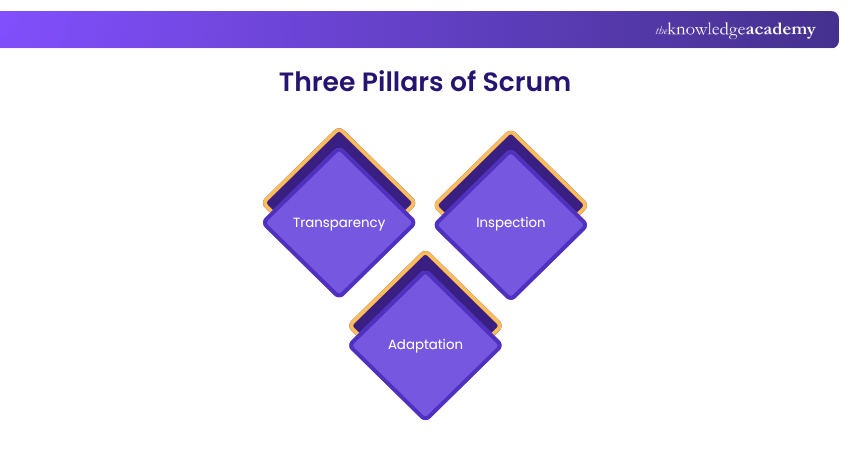
Here are the three main ideas that support how Scrum works and help teams improve their results:
1) Transparency
Transparency means that everyone can see the work and understand what’s going on. It helps team members understand each other and avoid confusion. When information is open and visible, problems can be spotted and solved faster.
a) Share work updates with the whole team
b) Use boards or tools to show task status
c) Keep goals and progress clear to everyone
2) Inspection
Inspection means checking the work often to see if everything is going well. The team looks at their progress and finds areas that need fixing. Regular checks help spot issues before they become big problems.
a) Review work during daily meetings
b) Catch mistakes early through regular checks
c) Look at results after each work sprint
3) Adaptation
Adaptation means making changes when something isn’t working. If a plan or task doesn’t go as expected, the team quickly adjusts. This helps improve the product and the way the team works.
a) Change plans when problems show up
b) Try new ideas to work better
c)Fix issues before they slow down progress
Improve team collaboration and focus with our Scrum Master Certification - Join today!
Scrum Framework
The Scrum Framework is a structured but flexible way for teams to work together on complex projects. It is built on key roles, events, and tools that help deliver work in small, steady steps. Let’s discuss in detail:
1) Scrum Roles
Scrum defines three main roles:
a) Product Owner decides what the team should work on
b) Scrum Master helps the team follow Scrum and remove problems
c) Development Team does the actual work of building the product
2) Scrum Events
Scrum has regular events that keep the team organised:
a) Sprint Planning to plan what to do in the next Sprint Scrum Meeting
b) Daily Scrum is a short daily meeting to track progress
c) Sprint Review and Retrospective to review work and improve next steps
3) Scrum Artefacts
Scrum uses simple tools to track progress:
a) Product Backlog is the list of everything that needs to be done
b) Sprint Backlog is the list of tasks chosen for the current Scrum Sprint
c) Increment is the finished work that adds value and is ready to be used
Scrum Purpose
Here are the main reasons why Scrum is used in teams and projects:
a) Helps teams work better through regular collaboration
b) Breaks large work into smaller, manageable task pieces
c) Makes progress easier to see and track daily
d) Encourages fast learning and change when needed
e) Delivers useful results in short time cycles
Transform ideas into actions with our Scrum Developer Training - Join today!
Scrum Values
Here are the core values that shape how Scrum teams work and collaborate:
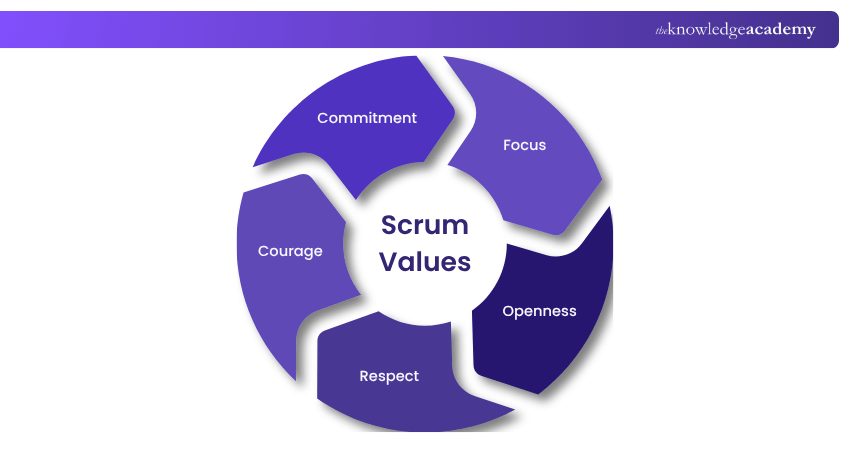
a) Commitment: Every team member stays fully dedicated to the team’s goals and completes their responsibilities responsibly.
b) Focus: The team concentrates only on current sprint tasks to deliver the highest possible value efficiently.
c) Openness: Everyone shares updates, challenges, and feedback honestly to build trust and improve team collaboration.
d) Respect: Team members listen to each other, value different opinions, and support everyone’s contribution and growth.
e) Courage: Scrum teams bravely face tough problems and explore new ways to create better solutions together.
Conclusion
We hope this blog helped you understand Scrum Theory and how it supports better teamwork and project success. By using the pillars of transparency, inspection, and adaptation, Scrum helps teams stay organised, solve problems early, and keep improving. The simple framework, clear roles, and strong values make it easier to manage work. With Scrum Theory, teams can achieve great results, step by step, in a fast-changing world.
Build strong Scrum foundations with our Scrum for Teams Course - Join today!
Frequently Asked Questions
What are the Five Principles of Scrum?

The five main principles of Scrum are transparency, inspection, adaptation, focus on value, and collaboration. These help teams work better, improve faster, and deliver useful results. Each principle keeps the team on track and supports successful project outcomes.
What are Scrum Values and How do they Relate to Scrum Theory?
Scrum values include Commitment, Focus, Openness, Respect, and Courage, which gives team behaviour and collaboration. Scrum theory is based on transparency, inspection, and adaptation as part of empirical process control.
What are the Other Resources and Offers Provided by The Knowledge Academy?
The Knowledge Academy takes global learning to new heights, offering over 3,000+ online courses across 490+ locations in 190+ countries. This expansive reach ensures accessibility and convenience for learners worldwide.
Alongside our diverse Online Course Catalogue, encompassing 17 major categories, we go the extra mile by providing a plethora of free educational Online Resources like Blogs, eBooks, Interview Questions and Videos. Tailoring learning experiences further, professionals can unlock greater value through a wide range of special discounts, seasonal deals, and Exclusive Offers.
What is The Knowledge Pass, and How Does it Work?
The Knowledge Academy’s Knowledge Pass, a prepaid voucher, adds another layer of flexibility, allowing course bookings over a 12-month period. Join us on a journey where education knows no bounds.
What are the Related Courses and Blogs Provided by The Knowledge Academy?
The Knowledge Academy offers various Scrum Certification, including Scrum Master Certification, Scrum Product Owner Certification and Scrum Developer Training. These courses cater to different skill levels, providing comprehensive insights into Scrum Tools.
Our Project Management Blogs cover a range of topics related to Scrum Theory, offering valuable resources, best practices, and industry insights. Whether you are a beginner or looking to advance your Project Management skills, The Knowledge Academy's diverse courses and informative blogs have you covered.

The Knowledge Academy


Global Training Provider
The Knowledge Academy is a world-leading provider of professional training courses, offering globally recognised qualifications across a wide range of subjects. With expert trainers, up-to-date course material, and flexible learning options, we aim to empower professionals and organisations to achieve their goals through continuous learning.

Upcoming Project Management Resources Batches & Dates
Date
 Scrum Developer Training
Scrum Developer Training
Thu 22nd Oct 2026
Scrum Developer Training
Wed 23rd Dec 2026

 If you wish to make any changes to your course, please


