




We may not have the course you’re looking for. If you enquire or give us a call on + 1-866 272 8822 and speak to our training experts, we may still be able to help with your training requirements.
CIPD vs SHRM: A Comprehensive Comparison of HR Certifications
ByNaveena VenkatesanLast updated on: 26 September 2026
This blog explores CIPD and SHRM, comparing their certification levels, membership benefits, and regional influence to help you understand which organisation aligns best with your career goals in human resources.
Picture yourself at a pivotal moment in your HR career, contemplating two prestigious certifications: CIPD vs SHRM. This decision can significantly affect your career trajectory. Both CIPD and SHRM offer unique benefits, but which one aligns best with your career goals? In this blog, we will talk about the critical decision between these two certifications.
By understanding the strengths and focus areas of CIPD vs SHRM, you can make a well-informed decision and brighten your journey towards HR excellence. Explore these two prominent certifications to find out which one suits you best.
What is the CIPD?
The Chartered Institute of Personnel and Development (CIPD) is a UK-based organisation dedicated to the development of Human Resources (HR) professionals. It provides training courses, qualifications, research, and networking opportunities to its registered members. Its mission is to enhance working lives, promote effective people practices, and assist organisations in developing their employees.

Levels of CIPD Certification
CIPD is a leading professional body for Human Resources (HR) as well as Learning and Development (L&D) professionals. Their qualifications are meticulously designed and regularly updated to cover a broad spectrum of relevant, current, and trending topics suited to HR and L&D roles. CIPD offers qualifications at three levels:
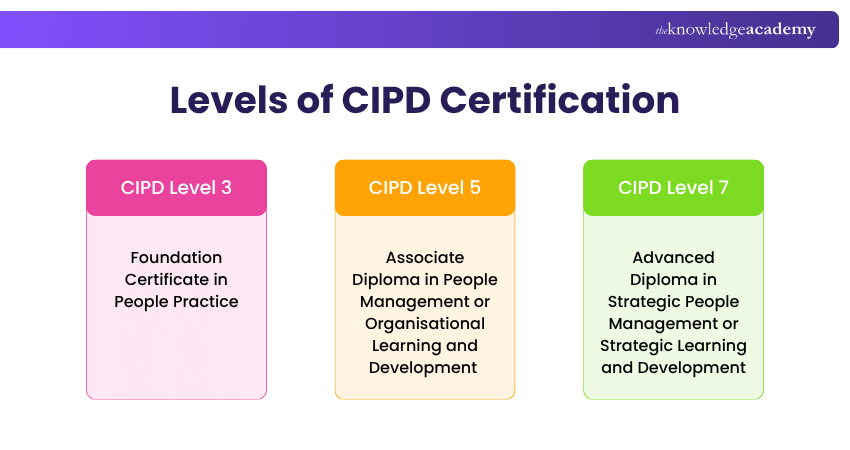
a) CIPD Level 3 Foundation Certificate in People Practice Course: Ideal for individuals looking to formalise their HR skills or those just beginning their HR journey. This level provides the essential knowledge, skills, and practices required for entry-level roles in the people profession.
b) CIPD Level 5 Associate Diploma in People Management or Organisational Learning and Development Course: Tailored for experienced, mid-level professionals ready to advance to roles such as HR Manager or HR Advisor, this level equips them with the necessary expertise. It also enhances career prospects by opening doors to CIPD Jobs suited to your skills and experience.
c) CIPD Level 7 Advanced Diploma in Strategic People Management or Strategic Learning and Development Course: Designed for those aspiring to or already in senior positions, this level imparts strategic skills and specialist knowledge needed to implement effective strategies and drive organisational change.
What is the SHRM?
SHRM stands for the Society for Human Resource Management, a US-based body that plays a role in HR similar to CIPD's in the UK. It functions as both a credentialing body and a resource hub, offering training, research, and networking alongside its certifications. What sets it apart is a stronger US-centric focus, its certifications carry particular weight with American employers, even as its recognition continues to grow internationally.
Levels of SHRM Certification
The SHRM certifications emphasise leadership, interpersonal, and business skills tailored to the US market. Currently, SHRM offers two HR certifications:
a) SHRM Certified Professional (SHRM-CP): Designed for individuals performing HR responsibilities or pursuing a career in human resource management. Most applicants start with this certification.
b) SHRM Senior Certified Professional (SHRM-SCP): Aimed at experienced HR professionals who are in or looking to transition into strategic-level HR roles.
Difference Between CIPD and SHRM
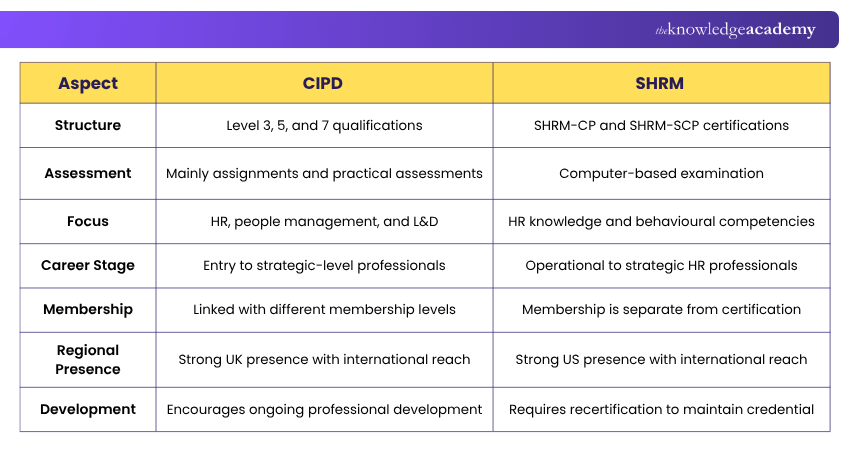
CIPD and SHRM both support HR professionals, but their qualification structures, assessment methods, professional frameworks, and regional presence differ. CIPD primarily provides structured HR and L&D qualifications alongside professional membership, while SHRM offers competency-based professional certifications focused on operational and strategic HR practice. Here are the key differences:
1) Qualification Structure
CIPD: CIPD offers qualifications at Level 3, Level 5, and Level 7, covering different stages of an HR or Learning and Development career.
SHRM: SHRM offers two main certifications: SHRM-CP for professionals working in operational HR roles and SHRM-SCP for those handling strategic-level responsibilities.
2) Assessment Method
CIPD: CIPD qualifications are generally assessed through written assignments, practical assessments, and coursework completed through approved study centres.
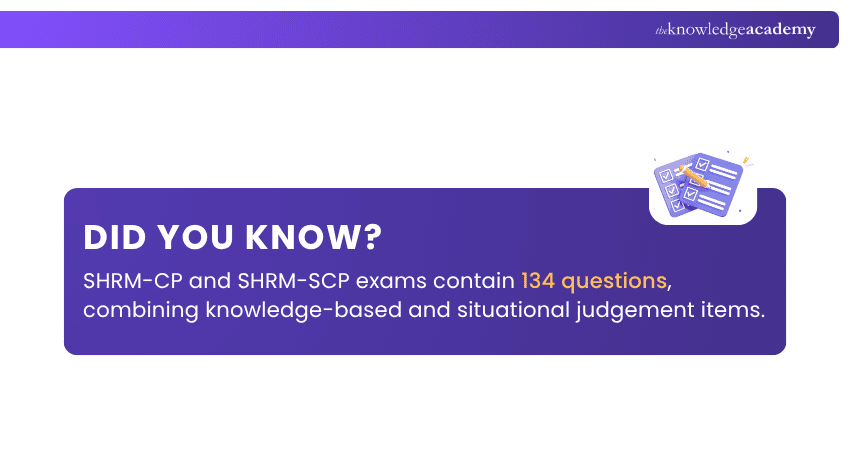
SHRM: SHRM certifications are assessed through computer-based examinations containing knowledge-based and situational judgement questions.
3) Professional Focus
CIPD: CIPD qualifications cover areas such as people practice, employment relationships, organisational development, strategic people management, and Learning and Development.
SHRM: SHRM certifications assess HR knowledge together with behavioural competencies such as leadership, communication, business understanding, and relationship management.
4) Career Stage
CIPD: The different qualification levels support professionals from entry-level people practice through to more advanced and strategic HR responsibilities.
SHRM: SHRM-CP is intended for professionals working at an operational level, while SHRM-SCP is designed for professionals performing strategic HR responsibilities.
5) Membership and Professional Status
CIPD: Completing certain CIPD qualifications can support progression through different CIPD membership levels, depending on the qualification and professional experience.
SHRM: SHRM-CP and SHRM-SCP are professional certification credentials. SHRM membership and certification are separate.
6) Regional Presence
CIPD: CIPD has a particularly strong presence in the UK and is also used by HR professionals internationally.
SHRM: SHRM has a particularly strong presence in the United States and is also recognised by HR professionals in other regions.
7) Continuing Professional Development
CIPD: CIPD encourages ongoing professional development as part of maintaining and developing professional capability.
SHRM: SHRM certification holders must meet recertification requirements to maintain their SHRM-CP or SHRM-SCP credentials.
Enhance your people practice knowledge with CIPD Level 3 Foundation Certificate in People Practice Course - Join now!
Is CIPD the Right Certification for you?
CIPD is a strong fit for professionals who value structured, assignment-based learning over exams, and who want a credential employers actively look for at every career stage. It's especially well suited to those building a long-term career in the UK, where CIPD carries particular weight with employers. Here's what makes it stand out:
a) The flexibility of the courses, which can be completed entirely online, live online, or in physical classrooms, depends on the learning provider.
b) Access to networking opportunities, communities, and tools available through CIPD membership.
c) Comprehensive coverage of HR topics, employment law, and people management techniques.
d) An evaluation based on several assignments rather than exams provides more flexibility and a deeper understanding of topics for busy professionals.
Is SHRM the Right Certification for you?
SHRM certifications can benefit HR professionals in the following ways:
a) Enhancing their credibility within the industry
b) Potentially increasing salaries by approximately 14 to 15% (as per SHRM) compared to those without the certifications.
c) Demonstrating their commitment to the field and highlighting their expertise
Factors in Choosing the Right HR Certification
Choosing the right HR certification depends on individual goals, experience level, and specific interests within the HR field. Consider the following factors to make an informed decision:
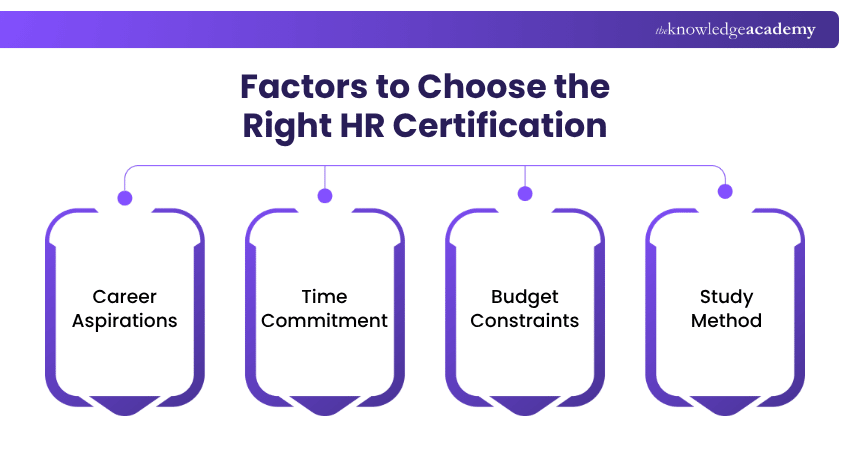
a) Reflect on your long-term goals, whether starting, advancing, or specialising in HR, and consider how a qualification can help you achieve them.
b) Choose a course that fits your lifestyle, considering full-time or part-time options.
c) Plan your budget, factoring costs based on mode, timing, and location of study, and explore company sponsorship where available.
d) Select the study method that works best for you, whether in-person, fully online, or live online classes.
Keep This in Mind
CIPD and SHRM follow different qualification and certification structures, so the right choice depends on your career stage, regional requirements, assessment preference, and long-term HR goals. Compare these factors carefully before deciding which pathway fits your professional needs.

Naveena Venkatesan is a Content Editor with 2+ years of experience in content writing, editing and linguistic quality assurance. Her research, fact-checking and editorial experience enable her to develop accurate, accessible resources across Business Skills, Human Resources, and Accounting and Finance.
View Detail

 If you wish to make any changes to your course, please


