


 Top Rated Course

We may not have the course you’re looking for. If you enquire or give us a call on +44 1344 203 999 and speak to our training experts, we may still be able to help with your training requirements.
Benefits of Team Building: A Complete Guide
James Smith 09 March 2026Building a strong team can be a powerful tool for workplace growth. The Benefits of Team Building include improved communication, stronger trust, and better collaboration, boosting morale, productivity, and employee retention. It helps individuals understand each other’s strengths, resolve conflicts, and work towards shared goals.

Training Outcomes Within Your Budget!
We ensure quality, budget-alignment, and timely delivery by our expert instructors.
Table of Contents

A workplace without teamwork is like an orchestra without harmony; the music simply doesn’t flow. The Benefits of Team Building act as the conductor, bringing individuals together to create something greater than the sum of their parts. Through activities that encourage communication, trust, and creativity, Team Building transforms colleagues into collaborators.
By investing in Team Building, they build lasting connections that carry teams through challenges and successes alike. Just as every musician has a unique role in creating a symphony, every employee plays a vital part in shaping organisational success. In this blog, we’ll explore how the Benefits of Team Building can help your workplace thrive. Keep reading!
Table of Contents
1) What is Team Building?
2) What are the Benefits of Team Building?
3) Team Building Activity Examples
4) How is Team Building Effective?
5) Why are Team Away Days Important?
6) Conclusion
What is Team Building?
Team Building is the process of improving how individuals collaborate within a group to achieve shared objectives. It focuses on strengthening communication, building trust, and encouraging mutual understanding among team members.
By using structured activities, discussions, and shared experiences, Team Building helps clarify roles, reduce conflict, and enhance cooperation. Ultimately, it creates a stronger, more connected team that works more efficiently and maintains a positive, productive work environment.

What are the Benefits of Team Building?
When teams connect on a deeper level, they communicate better, trust one another, and feel more motivated to achieve common goals. Let’s explore the key benefits that make Team Building an essential part of organisational success.
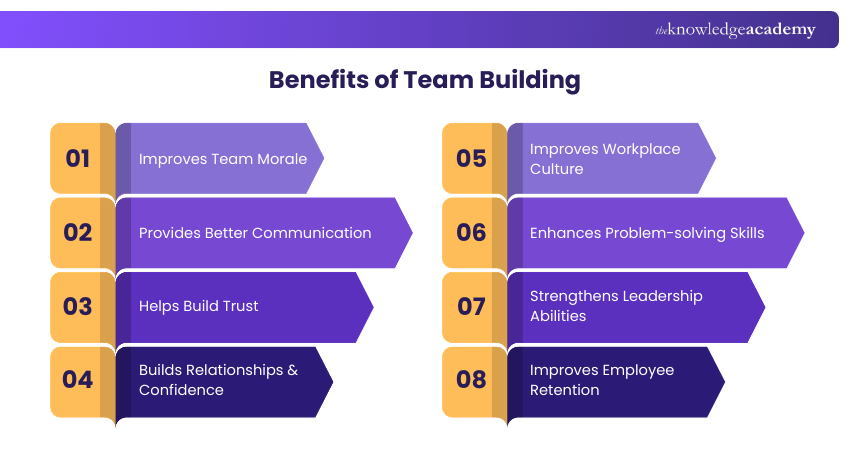
1) Improves Team Morale
A motivated team is the backbone of any successful organisation. Team Building activities offer employees with opportunities to step away from daily routines, connect with colleagues, and recharge mentally. When morale is high, people feel more invested in their work, which naturally improves engagement.
a) Encourages positivity and reduces workplace stress
b) Helps employees feel recognised and valued
c) Creates enthusiasm that boosts overall productivity
d) Gives individuals a stronger sense of purpose and belonging
2) Provides Better Communication
Effective communication ensures that teams work seamlessly. Team Building exercises encourage employees to interact in relaxed settings, making it easier for them to share ideas and express themselves. Over time, this improves day-to-day communication and reduces barriers between team members.
a) Promotes open dialogue and active listening
b) Breaks down silos between departments and roles
c) Builds confidence in expressing ideas clearly
d) Reduces misunderstandings and fosters stronger collaboration
3) Helps Build Trust
Trust is essential for teamwork and collaboration. Without it, employees may hesitate to share ideas or take initiative. Team Building creates opportunities for colleagues to rely on each other in non-work situations, which strengthens mutual respect and dependability.
a) Encourages transparency and honesty within the team
b) Builds reliability and confidence in colleagues’ skills
c) Reduces conflicts by creating mutual understanding
d) Strengthens bonds that support long-term cooperation
4) Builds Relationships & Confidence
Stronger relationships at work lead to better collaboration and job satisfaction. Team Building helps employees connect on a personal level, while also boosting individual confidence as they discover and showcase their strengths in supportive environments.
a) Strengthens interpersonal bonds through shared experiences
b) Helps employees recognise and appreciate diverse skills
c) Builds self-esteem by encouraging participation and recognition
d) Encourages collaboration through trust and mutual respect
5) Improves Workplace Culture
Workplace culture directly impacts employee satisfaction and retention. Team Building supports a culture of inclusivity, respect, and shared purpose. It makes the workplace more welcoming, where people feel supported and motivated to do their best.
a) Reinforces shared organisational goals and values
b) Promotes inclusivity by involving all team members
c) Fosters a collaborative and respectful environment
d) Creates a positive culture that enhances loyalty and retention
6) Enhances Problem-solving Skills
Team Building often involves activities that require collective thinking and strategy. These scenarios push employees to work together, evaluate different perspectives, and come up with effective solutions. The experience sharpens problem-solving skills that directly transfer into the workplace.
a) Encourages critical and creative thinking
b) Helps teams learn to analyse situations together
c) Promotes quick decision-making under pressure
d) Strengthens adaptability when facing unexpected challenges
7) Strengthens Leadership Abilities
Leadership can be developed at every level of an organisation. Team Building gives individuals the chance to step into leadership roles during activities, encouraging them to guide others, make decisions, and inspire confidence.
a) Identifies potential leaders within the team
b) Builds confidence in decision-making
c) Encourages responsibility and accountability
d) Improves ability to inspire and support others
8) Improves Employee Retention
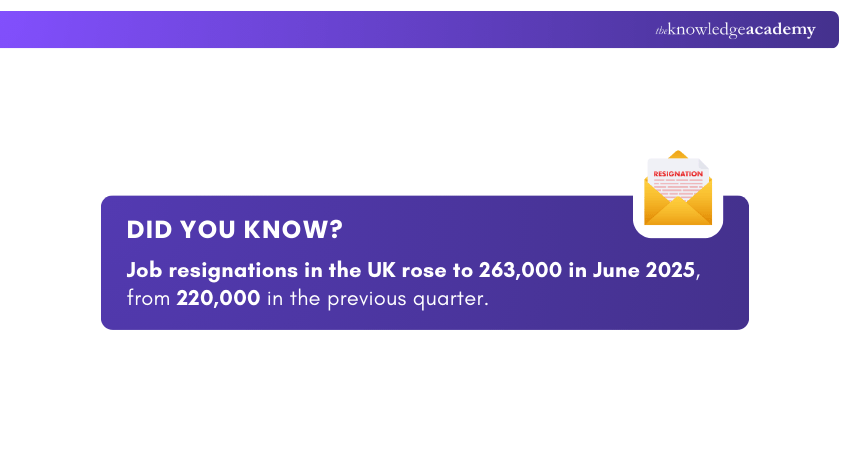
A positive team culture makes employees want to stay. When people feel connected, valued, and supported, they are less likely to seek opportunities elsewhere. Team Building helps build this loyalty by fostering trust and belonging.
a) Reduces turnover by creating job satisfaction
b) Encourages loyalty through stronger bonds
c) Enhances commitment to team and company goals
d) Builds a supportive environment where people feel valued
9) Boosts Team Productivity
When teams communicate better, trust each other, and work with higher morale, productivity naturally rises. Team Building ensures that individuals understand their roles and collaborate more effectively, leading to stronger performance outcomes.
a) Improves coordination and workflow
b) Reduces wasted time through clearer communication
c) Aligns individual goals with team objectives
d) Builds momentum for achieving targets faster
Take charge of your productivity with structured practices – Register for our Productivity and Time Management Course today!
10) Creates Enjoyment and Motivation
Work should not only be about tasks but also about enjoyment. Team Building adds fun to the workplace, reminding employees that collaboration can be exciting. This energy often translates into renewed motivation and enthusiasm for daily work.
a) Makes work more enjoyable and less stressful
b) Strengthens bonds through shared fun experiences
c) Provides a break from routine tasks
d) Inspires employees to bring positive energy to work
11) Promotes Creativity and Innovation
Collaborative activities push employees to think outside the box. By stepping into new situations together, they learn to generate fresh ideas and innovative approaches. This culture of creativity benefits the organisation in the long run.
a) Encourages brainstorming and experimentation
b) Unlocks diverse perspectives for fresh solutions
c) Builds confidence in sharing new ideas
d) Creates an innovative mindset across teams
12) Fosters Collaboration
Collaboration is the key to achieving goals as a team. Team Building strengthens cooperation by encouraging employees to work together in supportive environments. This shared effort helps break down barriers, align objectives, and create lasting partnerships across the workplace.
a) Encourages teamwork on shared goals and projects
b) Improves cooperation across different roles and departments
c) Enhances coordination through collective problem-solving
d) Creates long-term partnerships that drive success
13) Makes a Positive Work Environment
Team Building helps create a positive workplace by encouraging open communication, mutual respect, and collaboration. When employees feel valued and connected, workplace stress reduces and motivation naturally increases.
a) Builds mutual respect among colleagues
b) Reduces workplace stress and tension
c) Supports emotional well-being
d) Creates a more inclusive workplace
14) Improves Interactions With Other Departments
Team Building improves cross-department collaboration by breaking down silos and encouraging communication across different teams. When employees interact beyond their immediate roles, they gain a clearer understanding of organisational goals and processes.
a) Encourages cross-functional communication
b) Improves information sharing
c) Aligns teams with organisational objectives
d) Promotes shared accountability
15) Prevents Problems
Effective benefits of Team Building activities for work include preventing workplace problems by strengthening communication and trust before conflicts arise. When team members understand each other and feel comfortable sharing concerns, potential problems are identified early.
a) Reduces workplace conflicts
b) Encourages proactive communication
c) Minimises misunderstandings
d) Promotes constructive feedback
17) Serves as Positive Reinforcement
When employees feel appreciated and supported, they are more motivated to maintain high performance. Celebrating success together strengthens morale and reinforces a culture of teamwork and shared accomplishment, encouraging collaborative behaviour.
a) Recognises team achievements
b) Boosts employee motivation
c) Encourages consistent performance
d) Promotes a culture of appreciation
Team Building Activity Examples
There are numerous team-building activities to choose from. Here are some effective options categorised for your convenience:
1) Personality-based Activities
These activities help team members understand each other’s personalities, strengths, and working styles. They encourage empathy and appreciation for differences, which improves collaboration.
a) Personality assessments like Myers-Briggs or Dominance, Influence, Steadiness, and Conscientiousness (DISC)
b) Icebreaker games to learn personal traits and interests
c) Strengths mapping to highlight individual talents
d) Role-switching exercises to see different perspectives
2) Physical Activities
Physical challenges bring energy to teams and encourage cooperation. They can be fun, competitive, or collaborative, depending on the group’s goals.
a) Sports tournaments like football, cricket, or volleyball
b) Outdoor adventure challenges such as hiking or obstacle courses
c) Team fitness sessions like yoga or dance
d) Relay races or fun fitness competitions
Master sustainable leadership - Learn to make eco-smart decisions that matter with the Business Sustainability Course now!
3) Problem-solving Activities
These activities develop teamwork under pressure while sharpening critical thinking. They encourage groups to brainstorm, strategise, and find solutions together.
a) Escape room challenges
b) Puzzle-solving competitions
c) Resource-based survival games
d) Business simulation exercises
4) Skills-based Activities
Designed to improve professional skills, these activities focus on areas like leadership, communication, or Project Management. They blend learning with collaboration.
a) Workshops on negotiation or presentation skills
b) Role-playing scenarios for conflict resolution
c) Leadership rotation exercises
d) Team-based project challenges
5) Social Activities
Social events allow employees to connect outside the work environment, building trust and stronger bonds through shared enjoyment.
a) Team lunches or dinners
b) Office celebrations or themed parties
c) Volunteering or charity events
d) Virtual coffee breaks for remote teams
How is Team Building Effective?
Team Building is effective because it strengthens collaboration, builds trust, and enhances communication within a group. By engaging in shared activities, employees learn to understand each other’s strengths and working styles, which reduces conflicts and improves cooperation.
It also boosts morale, motivation, and engagement, leading to greater productivity and a more positive workplace culture. Ultimately, Team Building transforms a group of individuals into a unified group working toward common goals.
Why are Team Away Days Important?
Team away days are important because they give employees the opportunity to step outside their usual work environment and reconnect with colleagues in a more relaxed setting. This change of environment encourages open communication, strengthens relationships, and allows teams to reflect on goals without everyday pressure.
Away days also create space for strategic thinking, problem-solving, and honest discussions that may not happen during routine office hours. By building trust, improving morale, and aligning objectives, team away days help improve overall performance and create a stronger, more cohesive workforce.
Conclusion
The Benefits of Team Building activities reach far beyond the workplace. From improving communication and morale to boosting trust and collaboration, it creates stronger, more connected teams. A positive team culture not only enhances productivity but also increases employee satisfaction and retention. By focusing on teamwork, organisations can achieve lasting success and growth.
Transform your managerial abilities with real-world training and expert insights – Join Management Courses today!
Frequently Asked Questions
What is the Purpose of Team Building Days?

The purpose of Team Building days is to strengthen collaboration, communication, and trust among team members. These activities boost morale, enhance problem-solving skills, and create a cohesive work environment, ultimately improving team performance and productivity.
How can the Effectiveness of Team Building Activities be Measured or Evaluated?
The effectiveness of Team Building activities can be measured through various methods such as employee feedback, surveys, performance metrics, and observation. Key indicators include improved communication, increased collaboration, enhanced morale, and higher productivity levels, as well as positive changes in team dynamics and relationships.
What are the Other Resources and Offers Provided by The Knowledge Academy?
The Knowledge Academy takes global learning to new heights, offering over 3,000+ online courses across 490+ locations in 190+ countries. This expansive reach ensures accessibility and convenience for learners worldwide.
Alongside our diverse Online Course Catalogue, encompassing 17 major categories, we go the extra mile by providing a plethora of free educational Online Resources like Blogs, eBooks, Interview Questions and Videos. Tailoring learning experiences further, professionals can unlock greater value through a wide range of special discounts, seasonal deals, and Exclusive Offers.
What is The Knowledge Pass, and How Does it Work?
The Knowledge Academy’s Knowledge Pass, a prepaid voucher, adds another layer of flexibility, allowing course bookings over a 12-month period. Join us on a journey where education knows no bounds.
What are the Related Courses and Blogs Provided by The Knowledge Academy?
The Knowledge Academy offers various Management Courses, including the Management Training for New Managers, the Introduction to Management Course and the Senior Management Training. These courses cater to different skill levels, providing comprehensive insights into the Benefits of Managing People.
Our Business Skills Blogs cover a range of topics related to the Benefits of Team Building, offering valuable resources, best practices, and industry insights. Whether you are a beginner or looking to advance your Management skills, The Knowledge Academy's diverse courses and informative blogs have got you covered.

James Smith


Digital Marketing Manager and Trainer
James Smith is a digital marketing professional with over a decade of experience in SEO, content strategy, paid media and analytics. He has supported both SMEs and global brands in transforming their digital presence. James’s writing and training are rooted in results-driven tactics and the latest marketing trends.
View Detail
Upcoming Business Skills Resources Batches & Dates
Date
 Team Development Training
Team Development Training
Fri 3rd Jul 2026
Team Development Training
Fri 4th Sep 2026
Team Development Training
Fri 18th Dec 2026

 If you wish to make any changes to your course, please


