
ILM Level 3

accredited by

Our ILM Approved Centre course is accredited by ILM

Online Instructor-led (4 days)

Online Self-paced (163 hours)

ILM Level 3 Diploma in Leadership and Management Assessment

ILM Level 3 Diploma in Leadership and Management Outline

Total Credit Value: 37

Guided Learning Hours – 145

Unit 8600-312: Understanding Conflict Management in the Workplace

Credit Value – 1

Guided Learning Hours – 4

Module 1: Understand Conflict Management in the Workplace
  • Introduction
  • Causes of Conflict at Work
  • Stages in the Development of Conflict
  • Effects of Conflict on Team Performance
  • Managing Workplace Conflict
  • Resolve Conflict in the Workplace
  • Techniques to Minimise the Adverse Effect of Conflict
  • Ways to Create Harmony at Work

Unit 8600-313: Understanding Stress Management in the Workplace  

Credit Value – 1

Guided Learning Hours – 7

Module 2: Know How to Manage Stress in the Workplace
  • Causes and Impact of Stress in the Organisation
  • Sign and Symptoms of Stress
  • Stress Management Technique
Module 3: Understand How to Support Individuals in the Team and Minimise Stress in Others
  • Role as a Manager in Relation to Work-Related Stress
  • Principles of Counselling
  • How does Workplace Counselling Help Employees and Employers?

Unit 8600-303: Planning and Allocating Work

Credit Value – 2

Guided Learning Hours – 9

Module 4: Know How to Plan Work in the Workplace
  • Organisational Targets Relevant to the Team
  • Set SMART Objectives for the Team to Achieve the Targets
  • Use a Technique to Plan to Achieve the Objectives
  • How to Monitor and Control a Planned Activity
Module 5: Know How to Allocate Work to Team Members
  • Resources Required to Complete a Planned Activity
  • How to Allocate Work to Team Members
  • How to Assess and Support Team Performance in Achieving Objectives
Module 6: How to Improve the Performance of a Team in Delivering to Plan
  • Possible Cause of variance from a Planned Activity
  • Actions to Overcome Causes of Variance
  • How to Involve Team Members in identifying ways to Improve Performance to Meet Objectives

Unit 8600-309: Understand How to Establish an Effective Team

Credit Value – 1

Guided Learning Hours – 5

Module 7: Understand How to Develop and Maintain Effective Working Relationships
  • Benefits of Effective Working Relationships in Developing and Maintaining the Team
  • Behaviours Which Could Develop and Maintain Trust at Work
  • Role of Communication in Developing Effective Team Working
Module 8: Understand How to Build a Team
  • Differences Between a Group and a Team
  • Stages of an Established Model of Group Formation
  • How a Manager Could Benefit from Knowing Team Members’ Preferred Roles as Defined in an Established Team Role Model

Unit 8600-318: Understanding Quality Management in the Workplace

Credit Value – 2

Guided Learning Hours – 6

Module 9: Understand the Importance of Quality Management Within the Workplace
  • Why is Quality Important for a Business?
  • What is an Internal Customer and External Customer?
  • Comparing Internal and External Customers
  • Total Quality Management
  • Difference Between Design Quality Standards and Process Quality Standards
  • Cost of Quality
Module 10: Understand How Quality is Delivered Within the Workplace
  • Introduction to Quality System
  • Total Quality System in the Workplace
  • Quality Management Standards
  • Tools Used to Monitor Quality for Better Business
  • Quality Record Management
  • Improve Work Performance and Quality
  • Quality Standards

Unit 8600-342: Developing Own Leadership Capability Using Action Learning

Credit Value – 10

Guided Learning Hours – 30

Module 11: Understand the Role of Action Learning in Developing Own Leadership Capability
  • Explain the Nature and Benefits of Action Learning
  • Responsibilities of an Individual Within an Action Learning Set or Group
Module 12: Use Action Learning to Plan and Monitor the Leadership Journey
  • Identify Own Leadership Strengths and Limitations
  • Set Personal Goals for an Extended Action Learning Intervention
  • Prepare Individual Action Learning Plans for Involvement in Action Learning Sessions
  • Complete Planned Actions to Improve Leadership
  • Monitor and Record Own Participation in Action Learning Sessions
Module 13: Review Effectiveness of Action Learning in the Development of Own Leadership Capability
  • Use Feedback from Others and Own Personal Reflections
  • Identify Follow Up Actions Required to Continue the Leadership Journey

Unit 8600-326: Understanding the Communication Process in the Workplace

Credit Value – 2

Guided Learning Hours – 7

Module 14: Understand the Nature and Importance of the Communication Process in the workplace
  • importance of effective communication in the workplace
  • Describe the stages in the communication cycle
  • Identify possible barriers to communication in the workplace
  • how to overcome a potential barrier to communication?
Module 15: Understand the Methods of Communication
  • Main Methods of Written and Oral Communication in the Workplace and Their Uses
  • Identify the Main Advantages and Disadvantages of Written Methods of Communication
  • Identify the Main Advantages and Disadvantages of Oral Communication
  • How Non-Verbal Communication Can Influence the Effectiveness of Oral Communication?
  • Explain the Value of Feedback in Ensuring Effective Communication
Module 16: Be Able to Assess Own Effectiveness in Communication
  • Assess Own Performance in a Frequently Used Method of Communication
  • Identify Actions to Improve Own Performance in Communicating

Unit 8600-200: Developing Yourself as a Team Leader

Credit Value – 1

Guided Learning Hours – 6

Module 17: Understand the Role and Responsibilities of the Team Leader
  • Role of the Team Leader
  • List the Responsibilities of the Team Leader Within the Team
  • Limits of the Team Leader’s Authority and Their Accountability
  • Example of a Situation Where They Would Need to Refer to Someone with Senior Authority
Module 18: Be Able to Seek Feedback on their Workplace Performance to Identify Strengths, Weaknesses and Areas for Improvement
  • Gather Feedback on Own Performance from Different Sources
  • Interpret the Feedback and List Areas for Improvement
  • Action Plan to Address Weaknesses and Improve Performance

Unit 8600-201: Improving Performance of the Work Team

Credit Value – 1

Guided Learning Hours – 6

Module 19: Understand the Organisation’s Requirements in Relation to Team Performance
  • Organisations Requirements of the Team in Line with Company Policy
  • Teams Objectives in Achieving Organisational Targets
  • How the Individual Performance of Team Members Affects the Overall Performance of the Team
Module 20: Understand How to Address Underperformance
  • Identify Indicators of Underperformance in Relation to Own Team
  • Possible Causes of Underperformance
  • List Actions That Could Be Taken to Rectify Underperformance
Module 21: Understand the Role of Motivation in Improving Performance
  • Recognised Theory of Motivation
  • Actions to Motivate Own Team and Improve Performance Using a Motivation Theory

Unit 8600-202: Planning and Monitoring Work 

Credit Value – 2

Guided Learning Hours – 8

Module 22: Understand How to Work within the Organisational Guidelines to Achieve Team Goals
  • Organisational Policy That Can Have an Effect on the Planning and Allocation
  • Example of a Target or Objective That a Team Is Working to Achieve
Module 23: Understand How to Plan and Allocate Work
  • Key Stages When Planning and Allocating Work
  • How Work Is Allocated to Meet Team Objectives
  • How to Check That Team Members Understand Their Allocated Work
Module 24: Understand How to Monitor a Team’s Performance Against the Plan
  • Method to Monitor the Teams Performance Against the Plan
  • Action the Team Leader Could Take to Rectify Underachievement Against the Plan

Unit 8600-218: Leading Your Work Team

Credit Value – 2

Guided Learning Hours – 6

Module 25: Understand the Difference Between Leadership and Management
  • Difference Between Leadership and Management
  • Importance of Leadership Within Own Team
Module 26: Range of Leadership Styles, their Benefits and Potential Impact on Individuals and Performance
  • Range of Different Leadership Styles
  • Most Commonly Used Leadership Style(s) Within an Organisation
  • Likely Effect This Leadership Style(s) Has on a Team’s Performance
  • Own Leadership Style and Its Potential Impact on a Team

Unit 8600-230: Developing Yourself as an Effective Team Member

Credit Value – 3

Guided Learning Hours – 20

Module 27: Understand What is Meant by Teams and Teamwork
  • Difference Between a Group and a Team
  • Describe how a group becomes a team 
  • Characteristics of a Good Team
  • Advantages of Working in a Team 
Module 28: Understand the Importance of Communication within a Team
  • Importance of Team Communication
  • Barriers to Communication that may Prevent a Team from Working Effectively
Module 29: Know How to Deal with Conflict in a Team
  • Causes of Conflict in a Team
  • How Can Team Members Reduce Conflicts?
Module 30: Review Own Performance as a Team Member
  • Identify Own Strengths and Weakness as a Team Member 
  • Identify Ways to Improve Own Ability to Function Effectively in a Team

Unit 8600-405: Developing People in the Workplace

Credit Value – 5

Guided Learning Hours – 21

Module 31: Understand the Importance of Promoting Personal Development
  • Assess the Potential Benefits to the Organisation of Developing Individuals
  • Assess the Benefits to the Individual of Personal Development
Module 32: Be Able to Plan for an Individual’s Development
  • What are Expectations?
  • How to Manage an Individual’s Expectations in Personal Development
  • Development Vehicles
  • Develop a Plan to Meet the Identified Development Needs of an Individual

Unit 8600-406: Developing Your Leadership Styles

Credit Value – 4

Guided Learning Hours – 10

Module 33: Understand the Outcomes of Effective Leadership
  • Importance of Performance and Engagement in an Organisation 
Module 34: Be Able to Assess Own Leadership Styles  
  • Review Own Leadership Styles by Using a Diagnostic
  • Assess the Effectiveness of Leadership Styles 
Module 35: Understand the Implications of Own Leadership Styles for Self and for Leadership within Own Organisation
  • Self-Assessment for Leadership Skills
  • Impact of Changes in the Situation on the Effectiveness of the Adopted Style
Module 36: Assess own Leadership Behaviour, in Terms of the Factors which Determine Effective Leadership
  • Factors that Impact Leadership Effectiveness 
  • Assess Leadership Behaviour in Terms of these Factors

Show moredown

Who Should Attend this ILM Level 3 Diploma in Leadership and Management? 

The ILM Level 3 Diploma in Leadership and Management is ideal for individuals looking to develop a broad range of leadership and management skills to effectively lead teams and drive organisational performance. You should attend this Level 3 Diploma in Leadership and Management Course if you are: 

  • First-line Manager: Strengthening leadership capabilities across core management areas 
  • Team Leader: Enhancing skills in communication, delegation, and performance management 
  • Supervisor: Building confidence to handle responsibilities and lead with impact 
  • Project Lead: Managing people, resources, and project goals more effectively 
  • Aspiring Manager: Gaining the tools and qualification to step into management roles 
  • Career Changer: Transitioning into leadership with a comprehensive management diploma 

Prerequisites for the ILM Level 3 Diploma in Leadership and Management

There are no formal prerequisites to attend this ILM Level 3 Diploma in Leadership and Management Training Course.

Introduction to ILM Level 3 Diploma in Leadership and Management

The ILM Level 3 Diploma in Leadership and Management explores advanced leadership and management practices, focusing on communication, team leadership, performance management, decision making, and managing change. 

Upskilling through this diploma strengthens career progression and enhances managerial effectiveness. Delegates build confidence in leading teams, improving performance, and applying structured approaches to everyday leadership challenges. 

This 4-Day course offered by The Knowledge Academy equips delegates with recognised leadership and management practices aligned with industry standards, using practical learning and applied scenarios to support confident progression into leadership roles. 

ILM Level 3 Diploma in Leadership and Management Course Objective

  • To understand core management responsibilities and leadership styles
  • To develop effective strategies for team development and motivation
  • To manage workplace challenges, projects, and change initiatives successfully
  • To apply communication, problem-solving, and planning techniques in real scenarios
  • To strengthen decision-making and leadership effectiveness
  • To build confidence in managing teams and organisational performance

This ILM Level 3 Diploma in Leadership and Management provides structured learning with guided assessments across key leadership areas. Delegates gain a respected qualification that enhances both practical capability and career progression. It supports confident leadership and effective management in real-world environments.

Show moredown

What's Included in this ILM Level 3 Diploma in Leadership and Management?

  • ILM Level 3 Diploma in Leadership and Management Assessment
  • World-Class Training Sessions from Experienced Instructors
  • Interactive Learning with 24*7 Support
  • Digital Delegate Pack

Show moredown

ILM Level 3 Diploma in Leadership and Management Assessment Information

  • You'll complete one assessment for each unit you study, consisting of short questions and written tasks. 
  • You'll submit these online and they'll be marked by your ILM tutor.

Show moredown

accredited by

Our ILM Approved Centre course is accredited by ILM

Online Instructor-led (2 days)

Online Self-paced (48 hours)

ILM Level 3 Certificate in Principles of Leadership and Management Outline

Total Credit Value – 16

Guided Learning Hours – 48

Course Outline

Unit 8606-300: Solving Problems and Making Decisions

Credit Value – 2

Guided Learning Hours-9

Module 1: Problem Analysis
  • Describe Problem Impact and Scope
Module 2: Information Gathering for Problem Solving
  • Identify and Evaluate Solutions Based on Gathered Information
Module 3: Decision Making
  • Apply Decision-Making Techniques to Select Best Solutions
Module 4: Implementing Decisions
  • Plan Decision Implementation and Outcomes
  • Which Monitoring and Review Techniques Could be used to Evaluate Outcomes

Unit 8606-308: Understanding Leadership

Credit Value – 2

Guided Learning Hours-6

Module 5: Leadership Styles
  • Identify Factors Influencing Leadership Style Choices
  • Analyse Effects of Leadership Styles on Team Dynamics
Module 6: Leadership Qualities
  • Assess Own Leadership Behaviours Using Feedback and a Leadership Model
  • Describe Actions to Enhance Leadership Behaviour Based on the Leadership Model

Unit 8606-341: Leading and Motivating a Team Effectively

Credit Value – 2

Guided Learning Hours-7

Module 7: Communicate the Organisation's Vision and Strategy to the Team
  • Importance of a Common Sense of Purpose Supporting Organisational Vision and Strategy
  • Role of Communication in Establishing Purpose
  • Assess the Effectiveness of Own Communication Skills
Module 8: Motivate and Develop the Team
  • Main Motivational Factors and Their Application to Different Teams and Individuals
  • Importance of Motivation in Gaining Commitment to Objectives
  • Leader’s Role in Supporting and Developing the Team, with Practical Examples

Unit 8606-323: Understanding Performance Management

Credit Value – 2

Guided Learning Hours- 7

Module 9: Assessing Performance
  • Value Formal and Informal Performance Assessments
  • Discuss First-Line Manager's Role in Performance Management
Module 10: Manage performance of individuals in the team
  • Identify Ways to Ensure Fair and Objective Formal Assessment
  • Set SMART Objectives for A Team Member
  • Set Performance Standards for A Team Member
  • Measure Performance Against Agreed Standards
Module 11: Value of feedback in the workplace
  • Importance of Feedback to Improve Performance
  • Give Effective Feedback
Module 12: Manage underperformance in the workplace
  • Identify Potential Areas of Underperformance in The Workplace
  • Identify Causes for Failure to Meet Agreed Performance Levels
  • Describe Actions to Restore Performance to Acceptable Levels

Unit 8606-406: Developing Your Leadership Styles

Credit Value – 4

Guided Learning Hours-10

Module 13: Effective Leadership Outcomes
  • Discuss the Importance of Engagement and Performance
Module 14: Assessing Leadership Styles
  • Use Diagnostics to Assess and Enhance Leadership Styles
Module 15: Leadership Style Implications
  • Evaluate Personal and Organisational Impacts of Leadership Styles
Module 16: Leadership Behaviour Assessment
  • Evaluate Factors Impacting Leadership Effectiveness
Module 17: Developing Leadership Effectiveness
  • Create an Action Plan for Leadership Development
  • Discuss Benefits and Monitoring of The Action Plan

Unit 8606-200: Developing Yourself as a Team Leader

Credit Value – 1

Guided Learning Hours-6

Module 18: Understand the Role and Responsibilities of the Team Leader
  • Outline the Role of the Team Leader
  • List Responsibilities of the Team Leader
  • Outline Limits of Authority and Accountability
  • Provide an Example of When to Refer to Senior Authority
Module 19: Seek Feedback on Workplace Performance
  • Gather Feedback from Various Sources
  • Interpret Feedback and Identify Areas for Improvement
  • Prepare an Action Plan to Address Weaknesses and Improve Performance

Unit 8606-404: Delegating Authority in the Workplace

Credit Value – 3

Guided Learning Hours- 3

Module 20: Benefits of Delegation
  • Benefits of Effective Delegation
  • How Delegation Can Be Used to Empower Others?
Module 21: Effectively in the Workplace
  • Describe the Proper Steps for Delegating Tasks
  • Allocate and Oversee Delegated Work Effectively
Module 22: Improve Own Ability to Delegate and Empower Others
  • Evaluate the Effectiveness of Your Delegation
  • Identify Ways to Improve Your Delegation and Empowerment Techniques

Show moredown

Who Should Attend this ILM Level 3 Certificate in Principles of Leadership and Management?

This course is designed for individuals who want to gain a foundational understanding of Leadership and Management principles. This certificate is particularly beneficial for:

  • Aspiring Team Leaders
  • Emerging Leaders
  • Frontline Employees
  • Junior Supervisors
  • Small Business Owners
  • Team Coordinators
  • Firstline Managers

Prerequisites for the ILM Level 3 Certificate in Principles of Leadership and Management?

There are no formal prerequisites to attend this ILM Level 3 Training.

ILM Level 3 Certificate in Principles of Leadership and Management Course Overview

The ILM Level 3 Certificate in Principles of Leadership and Management provides a clear grounding in essential leadership and management concepts. It equips delegates with structured knowledge and practical approaches to strengthen effective team guidance.

Upskilling through this ILM Level 3 Certificate in Principles of Leadership and Management boosts confidence, enhances people‑management capability, and supports consistent performance. Delegates gain practical methods to address workplace challenges.

This 2‑Day course offered by The Knowledge Academy builds critical management skills through focused application and guided development. It enables delegates to apply leadership principles confidently in real‑world situations and progress toward ILM certification.

ILM Level 3 Certificate in Principles of Leadership and Management Course Objectives

  • To provide a thorough understanding of fundamental leadership and management principles
  • To develop practical skills essential for effective team management and leadership
  • To enhance decision-making abilities and problem-solving skills in a managerial context
  • To equip delegates with strategies for improving team performance and motivation
  • To prepare delegates for the ILM Level 3 Certificate in Principles of Leadership and Management Certification through focused, expert-led training
  • To strengthen communication skills for effective leadership and team coordination

Upon completion of this course, delegates will possess a solid foundation in leadership and management concepts, as outlined by ILM Level 3. They will be well-prepared to take on managerial roles with confidence and competence.

Show moredown

What's Included in this ILM Level 3 Certificate in Principles of Leadership and Management?

  • World-Class Training Sessions from Experienced Instructors
  • Interactive Learning with 24*7 Support
  • Digital Delegate Pack

Show moredown

accredited by

Our ILM Approved Centre course is accredited by ILM

Online Self-paced (29 hours)

ILM Level 3 Award in Effective Coaching Assessment

ILM Level 3 Award in Coaching Outline

Total Credit Value: 10

Total Guided Learning Hours: 29

Unit 8585-300: Understand Good Practice in Coaching

Credit Value: 3

Guided Learning Hours: 9

Module 1: Understand Effective Coaching

  • Describe the Purpose of Effective Coaching within an Organisational Context
  • Explain the Role and Responsibilities of an Effective Coach
  • Identify the Skills, Knowledge, and Behaviours Required of an Effective Coach
  • Identify How to Overcome Potential Barriers to Coaching

Module 2: Importance of Effective and Ethical Contracting in Coaching

  • Identify Methods to Initiate a Productive Working Relationship with an Individual
  • Explain the Rationale for and Process of Contracting in Coaching
  • Describe What Represents Safe and Ethical Practice in Coaching

Module 3: Process of Effective Coaching

  • Explain How to Manage a Coaching Process Using a GROW, and ACHIEVE Coaching Model
  • Using TGROW Model to Solve Problems
  • Describe a Range of Coaching Tools or Techniques that can be Used to Identify
  • Preferences and Agree Goals or Outcomes to Facilitate the Coaching Process
  • Explain Methods for Monitoring and Reviewing Progress Towards Goals

Module 4: Role of Recording, Reflection, and Supervision in Coaching

  • Explain the Purpose of Coaching Records for Coach and Coachee
  • Justify the Importance of Reflective Practice and Supervision within a Coaching Context

Unit 8585-301: Undertaking Coaching

Credit Value: 4

Guided Learning Hours: 12

Module 5: Plan and Organise a Minimum of 6 Hours of Effective Coaching

  • How to Develop a Coaching Plan?
  • What is Coaching in the Workplace and Why is it Important?
  • Types of Contracts and Contracting Process
  • Understanding the Importance of Context in Coaching
  • Customer Feedback Collection Methods

Module 6: Undertake and Record a Minimum of 6 Hours of Effective Coaching

  • Business Coaching Diagnostic Tools
  • Effective Coaching Models to Help Your Clients Grow
  • Coaching Skills
  • Effective Coaching Techniques
  • Behavioural Coaching in the Workplace
  • How Should Coaches Manage Record Keeping?

Module 7: Gather Evidence of Ongoing Review

  • Reflective Practice
  • Continuous Professional Development
  • How to Collect Training Feedback to Improve Employee Development?
  • Communication Skills and Techniques
  • Coaching Skills for Managers and Tips to Improve Them

Unit 8585-303: Reflecting on Coaching Skills within an Organisational Context

Credit Value: 3

Guided Learning Hours: 8

Module 8: Review the Effectiveness of their Coaching Practice

  • Evidence-Based Coaching
  • Identifying Areas for Personal Development
  • Ethics in Coaching
  • SWOT Analysis

Module 9: Plan for their Own Development in Coaching

  • Peer Coaching
  • Benefits to Joining a Professional Association
  • Coaching for Professional Development
  • Creating Coaching Development Plan
  • Benefits of Discussing a Development Plan with a Supervisor
  • Methods of Monitoring Progress and Reviewing a Development Plan
  • Revising and Reviewing Your Personal Development Plan

Show moredown

Who Should Attend this ILM level 3 Award in Coaching?

This training course is ideal for delegates at all levels who want to develop their knowledge and skills in Effective Coaching within an organisation. This course can benefit a wide range of professionals, including:

  • First-Line Managers
  • Team Leaders
  • Aspiring Coaches
  • HR Professionals
  • Sales Managers
  • Business Consultants
  • Health Coaches

Prerequisites for the ILM Level 3 Award in Coaching

There are no formal prerequisites for this course.

Introduction to ILM Level 3 Award in Coaching

The ILM Level 3 Award in Coaching provides delegates with a structured understanding of coaching principles, techniques, and frameworks. It focuses on developing the ability to support individuals through effective coaching conversations and performance improvement.

This training enables delegates to strengthen interpersonal skills, enhance communication, and apply practical coaching methods in workplace settings. It supports improved team performance, increased engagement, and the development of a positive and growth-focused organisational culture.

This 1-Day course offered by The Knowledge Academy equips delegates with practical coaching tools and techniques to apply confidently in real-world scenarios. Delegates gain hands-on experience to support performance development and implement effective coaching strategies across organisations.

ILM Level 3 Award in Coaching Course Objectives

  • To develop a deep understanding of the principles and practices of effective coaching
  • To enhance communication and interpersonal skills essential for impactful coaching
  • To learn and apply proven coaching methodologies and tools
  • To boost confidence in handling a variety of coaching scenarios and challenges
  • To acquire the ability to foster personal and professional growth through targeted coaching strategies
  • To develop active listening and questioning techniques for effective coaching conversations

Upon completing this training course, delegates will possess the knowledge and skills necessary to conduct effective coaching sessions. They will be prepared to apply these skills in real-world scenarios, effectively contributing to the development and success of individuals and teams within their organisations.

Show moredown

What's Included in this ILM Level 3 Award in Coaching?

  • World-Class Training Sessions from Experienced Instructor
  • ILM Level 3 Award in Coaching Assessment
  • Interactive Learning with 24*7 Support
  • Digital Delegate Pack

Show moredown

ILM Level 3 Award in Effective Coaching Assessment Information

  • You'll complete one assessment for each unit you study, consisting of short questions and written tasks. 
  • You'll submit these online and they'll be marked by your ILM tutor.

Show moredown

accredited by

Our ILM Approved Centre course is accredited by ILM

Online Instructor-led (2 days)

Online Self-paced (16 hours)

ILM Level 3 Certificate in Effective Coaching Assessment

ILM Level 3 Certificate in Effective Coaching Outline

Total Credit Value – 13

Total Guided Learning Hours – 31

Unit 8585-300: Understanding Good Practice in Coaching within an Organisational Context

Credit Value – 3

Guided Learning Hours – 9

Module 1: Understand Effective Coaching Within an Organisational Context

  • Describe the Purpose of Effective Coaching Within an Organisational Context
  • Explain the Role and Responsibilities of an Effective Coach
  • Identify the Skills, Knowledge and Behaviours Required of an Effective Coach
  • Identify How to Overcome Potential Barriers to Coaching

Module 2: Understand the Importance of Effective and Ethical Contracting in Coaching

  • Identify Methods to Initiate a Productive Working Relationship with an Individual
  • Explain the Rationale for and Process of Contracting in Coaching
  • Describe What Represents Safe and Ethical Practice in Coaching

Module 3: Understand the Process of Effective Coaching Within their Own Workplace

  • Explain How to Manage a Coaching Process Using a GROW, and ACHIEVE Coaching Model
  • Using TGROW Model to Solve Problems
  • Describe a Range of Coaching Tools or Techniques That can be Used to Identify Preferences and Agree Goals or Outcomes to Facilitate the Coaching Process
  • Explain Methods for Monitoring and Reviewing Progress Towards Goals

Module 4: Understand the Role of Recording, Reflection and Supervision in Coaching Within their Own Practice or other Contexts

  • Explain the Purpose of Coaching Records for Coach and Coachee
  • Justify the Importance of Reflective Practice and Supervision within a Coaching Context

Unit 8585-302: Undertaking an Extended Period of Coaching within an Organisational Context

Credit Value – 7

Guided Learning Hours – 14

Module 5: Be Able to Plan and Organise a Minimum of 12 hours of Effective Coaching with a Maximum of Two Individuals

  • Develop a Coaching Plan
  • Coaching Goals
  • Coachee Learning Outcomes
  • Coaching Agreement
  • Multi-stakeholder Contracting in Executive Coaching

Module 6: Be Able to Undertake and Record a Minimum of 12 hours of Effective Coaching with a Maximum of two Individuals

  • Use Diagnostic or Assessment Tools to Effectively Coach within an Organisational Context
  • Use a Recognised Model of Coach During the Coaching Process which Supports the Individual(s) to Achieve their Goals
  • Demonstrate the Knowledge and Skills of an Effective and Ethical Coach, Including Communication Techniques of Questioning and Listening
  • How Should Coaches Manage Record Keeping?

Module 7: Be Able to Gather Evidence of Ongoing Review of their Own Coaching Practice

  • What is Reflective Practice and its Elements?
  • Coaching with Feedback and Future of Coach Development
  • Communication Skills and Techniques
  • Effective Communication Skills and Giving Feedback in Order to Facilitate Coaching Practice
  • Summarise the Outcomes of Ongoing Supervision of Effective Coaching to Improve Practice

Unit 8585-303: Reflecting on Coaching Skills within an Organisational Context

Credit Value – 3

Guided Learning Hours – 8

Module 8: Be Able to Review the Effectiveness of their Coaching Practice

  • Evidence-Based Coaching
  • Identifying Areas for Personal Development
  • Ethics in Coaching
  • SWOT Analysis

Module 9: Be Able to Plan for their Own Development in Coaching

  • Peer Coaching
  • Benefits to Joining a Professional Association
  • Coaching for Professional Development
  • Creating Coaching Development Plan
  • Benefits of Discussing a Development Plan with a Supervisor
  • Methods of Monitoring Progress and Reviewing a Development Plan
  • Revising and Reviewing Your Personal Development Plan

Show moredown

Who Should Attend this ILM Level 3 Certificate in Effective Coaching?

This course is ideal for delegates who wish to gain the knowledge, skills and confidence to effectively coach or mentor people within an organisation. It is also an ideal qualification for those who wish to commence a career in coaching or mentoring. This course can be beneficial for a wide range of professionals, including:

  • Team Leaders
  • Managers
  • Supervisors
  • HR Professionals
  • Learning and Development Specialists
  • Project Managers
  • Department Heads
  • Training Coordinators

Prerequisites for the ILM Level 3 Certificate in Effective Coaching

There are no formal prerequisites for this ILM Level 3 Certificate in Effective Coaching Certification.

Introduction to ILM Level 3 Certificate in Effective Coaching

The ILM Level 3 Certificate in Effective Coaching provides delegates with a structured understanding of coaching principles, techniques, and frameworks. It focuses on enabling effective coaching conversations to support performance improvement and individual development.

This training helps delegates enhance communication, develop coaching confidence, and apply practical techniques to manage challenges and support team growth. It contributes to stronger engagement, improved performance, and a more agile and supportive workplace culture.

This 2-Day course offered by The Knowledge Academy equips delegates with practical coaching tools and real-world application skills. Delegates gain the confidence to implement coaching strategies that drive measurable improvements across teams and organisations.

ILM Level 3 Certificate in Effective Coaching Objectives

  • To understand the role and responsibilities of an effective coach
  • To develop key coaching skills and techniques
  • To enhance active listening and effective questioning abilities
  • To identify and address individual development needs
  • To create and manage a coaching plan
  • To apply ethical practices in coaching

After completing the Level 3 Certificate in Coaching, delegates will have the knowledge and skills to implement effective coaching practices, enhance their leadership capabilities, and contribute to their organisation’s success.

Show moredown

What's Included in this ILM Level 3 Certificate in Effective Coaching?

  • World-Class Training Sessions from Experienced Instructors
  • ILM Level 3 Certificate in Effective Coaching Assessment
  • Interactive Learning with 24*7 Support
  • Digital Delegate Pack

Show moredown

ILM Level 3 Certificate in Effective Coaching Assessment Information

  • You'll complete one assessment for each unit you study, consisting of short questions and written tasks. 
  • You'll submit these online and they'll be marked by your ILM tutor.

Show moredown

accredited by

Our ILM Approved Centre course is accredited by ILM

Online Instructor-led (2 days)

Online Self-paced (43 hours)

ILM Level 3 Certificate in Leadership Assessment

ILM Level 3 Certificate in Leadership Outline

Total Credit Value – 14

Total Guided Learning Hours – 43

Unit 8603-300: Understanding Leadership

Credit Value – 2

Guided Learning Hours – 6

Module 1: Understand Leadership Styles

  • Factors Influencing Leadership Style Choice
  • Impact of Leadership Styles on behaviour

Module 2: Leadership Qualities and Review Own Leadership Qualities and Potential

  • Assess Personal Leadership Behaviours and Potential
  • Enhance Leadership behaviour

Unit 8603-301: Leading and Motivating a Team Effectively

Total Credit Value – 2

Guided Learning Hours – 7

Module 3: Communicate the Organisation's Vision and Strategy to the Team

  • Importance of a Common Purpose
  • Role of Communication in Establishing Purpose
  • Assess Own Communication Skills

Module 4: Motivate and Develop the Team

  • Motivational Factors in Work Contexts
  • Importance of Leader Motivation
  • Leader’s Role in Team Support and Development

Unit 8603-302: Developing Own Leadership Capability Using Action Learning

Total Credit Value – 10

Guided Learning Hours – 30

Module 5: Role of Action Learning

  • Nature and Benefits of Action Learning
  • Responsibilities in an Action Learning Set

Module 6: Action Learning for Leadership Development

  • Identify Leadership Strengths and Limitations
  • Set Goals for Action Learning
  • Prepare and Implement Action Learning Plans
  • Monitor and Record Action Learning Participation

Module 7: Reviewing Action Learning Effectiveness

  • Review Action Learning Using Feedback
  • Plan Follow-up Actions for Leadership Development

Show moredown

Who Should Attend this ILM Level 3 Certificate in Leadership?

This Level 3 Certificate in Leadership Training is ideal for individuals aspiring to enhance their leadership capabilities and take on more significant responsibilities within their organisations. It is particularly beneficial for:

  • Emerging Leaders
  • Supervisors
  • Team Leaders
  • Managers
  • Project Coordinators
  • Department Heads
  • Aspiring Managers

Prerequisites for the ILM Level 3 Certificate in Leadership

There are no formal prerequisites for this ILM Level 3 Certificate in Leadership Course.

Introduction to ILM Level 3 Certificate in Leadership

The Level 3 Certificate in Leadership Training focuses on developing core leadership and people management skills. It covers essential principles for leading teams, communicating effectively, and supporting performance within the workplace.

This training enables delegates to strengthen leadership capability, decision-making, and team motivation skills. Delegates build confidence to manage people effectively, handle challenges, and contribute to a positive organisational culture.

This 2-Day course offered by The Knowledge Academy helps delegates apply leadership principles in real workplace situations. It supports delegates in translating theory into practical actions that improve team effectiveness and leadership impact.

ILM Level 3 Certificate in Leadership Course Objectives

  • To understand the role and responsibilities of a leader
  • To develop effective communication and team management skills
  • To learn how to plan, execute, and evaluate leadership strategies
  • To apply reflective practice to improve leadership effectiveness
  • To enhance problem-solving and decision-making skills in leadership contexts
  • To build confidence in leading teams and achieving organisational goals

Upon completion, delegates will be equipped with the essential skills to excel in leadership roles, driving positive outcomes and leading their teams towards achieving organisational goals.

Show moredown

What's Included in This ILM Level 3 Certificate in Leadership?

  • World-Class Training Sessions from Experienced Instructor
  • ILM Level 3 Certificate in Leadership Assessment
  • Interactive Learning with 24*7 Support
  • Digital Delegate Pack

Show moredown

ILM Level 3 Certificate in Leadership Assessment Information 

  • You will complete one assessment for each unit you study, consisting of practical tasks and written assignments. 
  • You will submit these online, and they will be marked by your ILM tutor.

Show moredown

accredited by

Our ILM Approved Centre course is accredited by ILM

Online Self-paced (29 hours)

LM Level 3 Award in Effective Mentoring Assessment

ILM Level 3 Award in Effective Mentoring Course Outline

Total Credit Value – 10

Guided Learning Hours – 29 

Course Outline

Unit 8586-300: Understanding Good Practice in Mentoring within an Organisational Context

Credit Value – 3 

Guided Learning Hours – 9 

Module 1: Effective mentoring within an organisational context

Effective Mentoring Within an Organisational Context

  • Roles and Responsibilities of An Effective Mentor
  • Identify the Skills, Knowledge and Behaviours Required of An Effective Mentor
  • Overcome Potential Barriers to Mentoring

Module 2: Importance of Effective and Ethical Contracting in Mentoring

  • Methods to Initiate a Productive Working Relationship with an Individual
  • Rationale for And Process of Contracting in Mentoring
  • Represents Safe and Ethical Practice in Mentoring

Module 3: Process of Effective Mentoring Within Their Own Workplace

  • Manage a Mentoring Process Using a Recognised Mentoring Model
  • Range of Mentoring Tools or Techniques
  • Methods for Monitoring and Reviewing Progress Towards Goals

Module 4: Role of Recording, Reflection and Supervision in Mentoring Within Their Own Practice or Other Contexts

  • Purpose of Mentoring Records for Mentor and Mentee
  • Importance of Reflective Practice and Supervision Within A Mentoring Context

Unit 8586-301: Undertaking Mentoring within an Organisational Context

Credit Value – 4

Guided Learning Hours – 12

Module 5: Plan and Organise Effective Mentoring

  • Plan for 6 Hours of Effective Mentoring
  • Agree on Relevant Topics, Goals, and Outcomes
  • Establish a Confidential Contract with Individuals and Stakeholders

Module 6: Undertake and Record Effective Mentoring

  • Use Diagnostic Tools in Mentoring
  • Apply a Recognised Mentoring Model
  • Demonstrate Effective Mentoring Skills and Ethics
  • Record the Mentoring Process from Start to Finish

Module 7: Gather Evidence of Ongoing Mentoring Review

  • Reflect on Sessions for Continuous Development
  • Collect Feedback on Mentoring Effectiveness
  • Review and Evidence Communication Skills in Mentoring
  • Summarise Outcomes of Supervision to Improve Practice

Unit 8586-303: Reflecting on Mentoring Skills within an Organisational Context

Credit Value – 3 

Guided Learning Hours – 8

Module 8: Review the Effectiveness of Their Mentoring Practice

  • Effectiveness of Their Own Mentoring Practice Based on Evidence
  • Identify Own Strengths and Areas for Improvement

Module 9: Plan for Their Own Development in Mentoring

  • Identify Future Development Opportunities
  • Produce a Relevant Development Plan

Show moredown

Who Should Attend this ILM Level 3 Award in Effective Mentoring?

This course is ideal for delegates who want to develop practical mentoring skills to support personal and professional growth in the workplace. You should attend this ILM Level 3 Award in Effective Mentoring Course if you are:

  • Line Manager: Supporting staff development through structured mentoring conversations
  • Team Leader: Guiding new or junior team members with confidence and clarity
  • HR Professional: Embedding mentoring into workplace learning and development initiatives
  • Internal Coach or Mentor: Enhancing your approach with recognised mentoring techniques
  • Volunteer or Community Leader: Providing effective guidance in informal mentoring roles
  • Aspiring Mentor: Building foundational mentoring skills for career and personal growth

Prerequisites for the ILM Level 3 Award in Effective Mentoring

There are no formal prerequisites for attending ILM Level 3 Award in Effective Mentoring. However, it will be beneficial if delegates have basic knowledge of leadership or supervisory responsibilities.

ILM Level 3 Award in Effective Mentoring Overview 

The ILM Level 3 Award in Effective Mentoring is a recognised qualification focused on structured mentoring practice. This training develops the knowledge and techniques required to plan, deliver, and evaluate effective mentoring relationships.

This training strengthens delegates’ communication, goal-setting, and feedback capabilities to support professional growth. Delegates enhance their readiness to implement mentoring frameworks that improve performance and organisational resilience.

This course, offered by The Knowledge Academy, enables delegates to apply mentoring principles confidently in workplace scenarios. Delegates gain practical competence to establish structured mentoring relationships aligned with organisational objectives.

ILM Level 3 Award in Effective Mentoring Course Objectives

  • To Understand the Core Principles of Mentoring in Organisations
  • To Develop Effective Mentoring Relationships and Communication Skills
  • To Apply Ethical Contracting Techniques in Mentoring Sessions
  • To Use Appropriate Mentoring Tools and Techniques Effectively
  • To Plan and Structure Mentoring Sessions for Maximum Impact
  • To Reflect on Personal Mentoring Practice for Continuous Development

After attending this training, delegates will be equipped with the skills to confidently initiate and manage mentoring relationships within their organisation. They will be able to set clear objectives, foster an environment of trust, and use appropriate techniques to guide and support their mentees’ development.

Show moredown

What's Included in this ILM Level 3 Award in Effective Mentoring Course?

  • World-Class Training Sessions from Experienced Instructors
  • ILM Level 3 Award in Effective Mentoring Assessment
  • Interactive Learning with 24*7 Support
  • Digital Delegate Pack

Show moredown

ILM Level 3 Award in Effective Mentoring Assessment Information 

  • You will complete one assessment for each unit you study, consisting of short questions and written tasks.  
  • You will submit these online and they will be marked by your ILM tutor. 

Show moredown

accredited by

Our ILM Approved Centre course is accredited by ILM

Online Self-paced (31 hours)

ILM Level 3 Certificate in Effective Mentoring Assessment

ILM Level 3 Certificate in Effective Mentoring Outline

Total Credit Value – 13

Total Guided Learning Hours – 31

Unit 8586-300: Understanding Good Practice in Mentoring within an Organisational Context

Credit Value – 3

Guided Learning Hours – 9

Module 1: Effective mentoring within an organisational context

  • Effective Mentoring Within an Organisational Context
  • Roles and Responsibilities of An Effective Mentor
  • Identify the Skills, Knowledge and Behaviours Required of An Effective Mentor
  • Overcome Potential Barriers to Mentoring

Module 2: Importance of Effective and Ethical Contracting in Mentoring

  • Methods to Initiate a Productive Working Relationship with an Individual
  • Rationale for And Process of Contracting in Mentoring
  • Represents Safe and Ethical Practice in Mentoring

Module 3: Process of Effective Mentoring Within Their Own Workplace

  • Manage a Mentoring Process Using a Recognised Mentoring Model
  • Range of Mentoring Tools or Techniques
  • Methods for Monitoring and Reviewing Progress Towards Goals

Module 4: Role of Recording, Reflection and Supervision in Mentoring Within Their Own Practice or Other Contexts

  • Purpose of Mentoring Records for Mentor and Mentee
  • Importance of Reflective Practice and Supervision Within A Mentoring Context

Unit 8586-302: Undertaking an Extended Period of Mentoring within an Organisational Context

Credit Value – 7

Guided Learning Hours – 14

Module 5: Planning and Organising Mentoring Sessions

  • Develop a 12-Hour Mentoring Plan
  • Set Relevant Topics, Goals, and Outcomes
  • Establish a Confidential Agreement with Stakeholders

Module 6: Conducting Effective Mentoring

  • Apply Assessment Tools for Effective Mentoring
  • Utilise a Recognised Mentoring Model
  • Demonstrate Effective Mentor Skills and Techniques
  • Maintain Comprehensive Records of the Mentoring Journey

Module 7: Reviewing Mentoring Practice

  • Reflect on Sessions for Continuous Development
  • Collect Feedback to Assess Mentoring Effectiveness
  • Evaluate Communication Skills in Mentoring
  • Document Supervision Outcomes to Enhance Practice

Unit 8586-303: Reflecting on Mentoring Skills within an Organisational Context

Credit Value – 3

Guided Learning Hours – 8

Module 8: Review the Effectiveness of Their Mentoring Practice

  • Effectiveness of Their Own Mentoring Practice Based on Evidence
  • Identify Own Strengths and Areas for Improvement

Module 9: Plan for Their Own Development in Mentoring

  • Identify Future Development Opportunities
  • Produce a Relevant Development Plan

Show moredown

Who Should Attend this ILM Level 3 Certificate in Effective Mentoring?

This course is ideal for individuals who want to develop in-depth mentoring skills and apply them consistently to support others' growth across professional environments.

You should attend this Level 3 Certificate in Effective Mentoring if you are:

  • Line Manager or Supervisor: Providing structured guidance to help team members grow and succeed
  • HR or L&D Professional: Embedding mentoring practices into development programmes
  • Internal Coach or Workplace Mentor: Strengthening your mentoring framework with ILM-accredited skills
  • Experienced Professional: Sharing expertise to support mentees in reaching their potential
  • Volunteer or Youth Mentor: Offering meaningful support through effective mentoring conversations
  • Aspiring Mentor: Gaining practical tools and experience to begin mentoring with confidence

Prerequisites for the ILM Level 3 Certificate in Effective Mentoring

There are no formal prerequisites for this course. However, it is beneficial if delegates have some experience in a supervisory or managerial role where Mentoring could be applied.

Introduction to ILM Level 3 Certificate in Effective Mentoring

The ILM Level 3 Certificate in Effective Mentoring provides delegates with a structured understanding of mentoring principles, processes, and frameworks. It focuses on enabling effective mentoring relationships that support individual development and workplace performance.

This training helps delegates build strong communication skills, guide development planning, and apply mentoring techniques to support growth and learning. It enhances talent development and strengthens a culture of continuous improvement within organisations.

This course offered by The Knowledge Academy equips delegates with practical mentoring tools and real-world application skills. Delegates gain the confidence to manage mentoring relationships effectively and support long-term professional development.

ILM Level 3 Certificate in Effective Mentoring Objectives

  • To understand the purpose and benefits of structured mentoring in the workplace
  • To develop key mentoring skills including active listening, questioning, and goal setting
  • To manage the mentoring process from planning through to review and evaluation
  • To gain practical experience by delivering supervised mentoring sessions
  • To reflect critically on mentoring practices to improve performance
  • To build effective mentor-mentee relationships that support long-term development

This extended certificate course provides both theoretical grounding and practical application, ensuring that learners are fully prepared to deliver impactful mentoring programmes aligned with organisational and individual development goals.

Show moredown

What's Included in this ILM Level 3 Certificate in Effective Mentoring?

  • World-Class Training Sessions from Experienced Instructors
  • ILM Level 3 Certificate in Effective Mentoring Assessment
  • Interactive Learning with 24*7 Support
  • Digital Delegate Pack

Show moredown

ILM Level 3 Certificate in Effective Mentoring Assessment Information 

  • You will complete one assessment for each unit you study, consisting of short questions and written tasks.  
  • You will submit these online and they will be marked by your ILM tutor.

Show moredown

accredited by

Our ILM Approved Centre course is accredited by ILM

Online Instructor-led (2 days)

Online Self-paced (40 hours)

ILM Level 3 Certificate in Effective Coaching and Mentoring Assessment

ILM Level 3 Certificate in Coaching and Mentoring Course Outline

Total Credit Value – 16

Guided Learning Hours – 35

Unit 8578-300: Understanding Good Practice in Coaching within an Organisational Context

Credit Value – 3 

Guided Learning Hours – 9 

Module 1: Understand Effective Coaching Within an Organisational Context

  • Describe the Purpose of Effective Coaching Within an Organisational Context
  • Explain the Role and Responsibilities of an Effective Coach
  • Identify the Skills, Knowledge and Behaviours Required of an Effective Coach
  • Identify How to Overcome Potential Barriers to Coaching

Module 2: Understand the Importance of Effective and Ethical Contracting in Coaching

  • Methods to Initiate a Productive Working Relationship with an Individual
  • Rationale for and Process of Contracting in Coaching
  • Describe what Represents Safe and Ethical Practice in Coaching

Module 3: Understand the Process of Effective Coaching Within their Own Workplace

  • How to Manage a Coaching Process Using a Recognised Coaching Model
  • Range of Coaching Tools or Techniques That can be Used to Identify Preferences and Agree Goals or Outcomes to Facilitate the Coaching Process
  • Explain Methods for Monitoring and Reviewing Progress Towards Goals

Module 4: Role of Recording, Reflection and Supervision in Coaching Within their Own Practice or other Contexts

  • Purpose of Coaching Records for Coach and Coached
  • Justify the Importance of Reflective Practice and Supervision within a Coaching Context

Unit 8578-301: Understanding Good Practice in Mentoring within an Organisational Context

Credit Value – 3 

Guided Learning Hours – 9 

Module 5: Understand Effective Mentoring Within an Organisational Context

  • Describe the Purpose of Effective Mentoring Within an Organisational Context
  • Explain the Roles and Responsibilities of an Effective Mentor
  • Identify the Skills, Knowledge and Behaviours Required of an Effective Mentor
  • Identify How to Overcome Potential Barriers to Mentoring

Module 6: Understand the Importance of Effective and Ethical Contracting in Mentoring

  • Identify Methods to Initiate a Productive Working Relationship with an Individual
  • Explain the Rationale for and Process of Contracting in Mentoring
  • Describe What Represents Safe and Ethical Practice in Mentoring?

Module 7: Understand the Process of Effective Mentoring Within their Own Workplace

  • Explain how to Manage a Mentoring Process Using a Recognised Mentoring Model
  • Describe a Range of Mentoring Tools or Techniques that can be Used to Identify Preferences and Agree Goals or Outcomes to Facilitate the Mentoring Process
  • Explain Methods for Monitoring and Reviewing Progress Towards Goals

Module 8: Role of Recording, Reflection, and Supervision in Mentoring Within their Own Practice or other Contexts

  • Explain the Purpose of Mentoring Records for Mentor and Mentee
  • Justify the Importance of Reflective Practice and Supervision within a Mentoring Context

Unit 8578-302: Undertaking an Extended Period of Coaching within an Organisational Context

Credit Value – 3 

Guided Learning Hours – 9 

Module 9: Plan and Organise a Minimum of 12 hours of Effective Coaching with a Maximum of Two Individuals

  • Produce a Plan for Effective Coaching to Take Place for 12 hours
  • Goals and/or Outcomes Relevant to the Context of Individual(s) Being Coached
  • Agree an Appropriate and Confidential Contract with Individual(s) and other Stakeholders

Module 10: Undertake and Record a Minimum of 12 hours of Effective Coaching with a Maximum of Two Individuals

  • Coaching Assessment Tools
  • Grow Model of Coaching and Modelling
  • Knowledge, Skills, and Behaviour of an Effective Coach
  • How do you record a coaching session?

Module 11: Gather Evidence of Ongoing Review of their Own Coaching Practice

  • Reflect on Each Session and Identify Key Learning to Support Continuous Professional Development
  • Gather Ongoing Feedback on the Effectiveness of their Coaching for Each Session and Show Evidence of this
  • Review and Evidence Own Ability to Use Effective Communication Skills, Including Questioning, Listening and Giving Feedback to Facilitate Coaching Practice
  • Summarise the Outcomes of Ongoing Supervision for a Minimum of 2 Sessions of Effective Coaching to Improve Practice

Unit 8578-303: Reflecting on Coaching Skills within an Organisational Context

Credit Value – 3 

Guided Learning Hours – 8

Module 12: Be Able to Review the Effectiveness of Their Coaching Practice

  • Examine the Effectiveness of Their Own Coaching Practice
  • Identify Own Strengths and Areas for Improvement

Module 13: Be Able to Plan for Their Own Development in Coaching

  • Review Own Coaching Ability to Identify Future Development Plan
  • Produce a Relevant Development Plan

Show moredown

Who Should Attend this ILM Level 3 Certificate in Coaching and Mentoring?

The ILM Level 3 Certificate in Coaching and Mentoring is ideal for individuals who want to build practical coaching and mentoring skills to support others' development and performance in the workplace. You should attend this ILM Level 3 Certificate in Effective Coaching and Mentoring Course if you are:

  • Line Manager or Supervisor: Guiding team members through structured coaching and mentoring
  • HR or Learning and Development Professional: Integrating coaching practices into talent development
  • Internal Coach or Mentor: Enhancing your skills with a formal, recognised qualification
  • Team Leader: Supporting performance improvement through one-to-one development conversations
  • Volunteer or Community Mentor: Applying coaching and mentoring techniques to support growth
  • Aspiring Coach or Mentor: Starting your journey with practical tools and workplace experience

Prerequisites for this ILM Level 3 Certificate in Coaching and Mentoring

There are no formal prerequisites for this course. However, it is beneficial if delegates have some experience in a supervisory or managerial role where mentoring could be applied.

Introduction to ILM Level 3 Certificate in Coaching and Mentoring

The ILM Level 3 Certificate in Effective Coaching and Mentoring provides delegates with a structured understanding of coaching and mentoring principles, frameworks, and techniques. It focuses on developing effective workplace conversations to support performance and development.

This training helps delegates build confidence in guiding others, strengthen communication skills, and apply practical coaching and mentoring approaches. It supports improved performance, continuous development, and stronger workplace relationships.

This 2-Day course offered by The Knowledge Academy equips delegates with practical tools to apply coaching and mentoring techniques in real-world scenarios. Delegates gain the capability to support development and drive positive outcomes effectively.

ILM Level 3 Certificate in Coaching and Mentoring Objectives 

  • To understand the principles, purpose, and benefits of workplace coaching and mentoring
  • To develop key communication and support skills, including questioning, listening, and feedback
  • To establish and maintain effective coaching and mentoring relationships
  • To deliver structured coaching and mentoring sessions with real-world impact
  • To reflect on your own performance and continuously improve your practice
  • To apply coaching techniques to support individual and organisational development

Upon completion of this ILM Level 3 Certificate in Coaching and Mentoring, delegates will be able to deliver effective coaching sessions confidently. They will also enhance their ability to support performance improvement and professional development.

Career Opportunities After ILM Level 3 Certification – Coaching and Mentoring

Career Opportunities After ILM Level 3 Certificate in Coaching & Mentoring

Understand the various career paths available to you after completing the ILM Level 3 Certificate in Coaching and Mentoring. The course prepares professionals for leadership, development, and support roles across various functions. 

  • Team Leader: Guide team performance through structured coaching.
  • Mentor: Support both personal and professional growth of individuals.
  • Supervisor: Provide feedback and help team members realise their potential.
  • L&D Executive: Facilitate training and encourage continuous skill development.
  • HR Assistant: Support the delivery of mentoring programmes.
  • Coaching Coordinator: Plan sessions, monitor impact, and track progress.
  • Assistant Manager: Lead with empathy and nurture team morale.
  • Talent Development Officer: Identify potential and foster long-term development.

Show moredown

What's Included in this ILM Level 3 Certificate in Coaching and Mentoring?

  • World-Class Training Sessions from Experienced Instructors
  • ILM Level 3 Certificate in Coaching and Mentoring Assessment
  • Interactive Learning with 24*7 Support
  • Digital Delegate Pack

Show moredown

ILM Level 3 Certificate in Effective Coaching and Mentoring Assessment Information 

  • You will complete one assessment for each unit you study, consisting of short questions and written tasks.  
  • You will submit these online and they will be marked by your ILM tutor. 

Show moredown

Not sure which course to choose?

Speak to a training expert for advice if you are unsure of what course is right for you. Give us a call on + 1-866 272 8822 or Enquire.

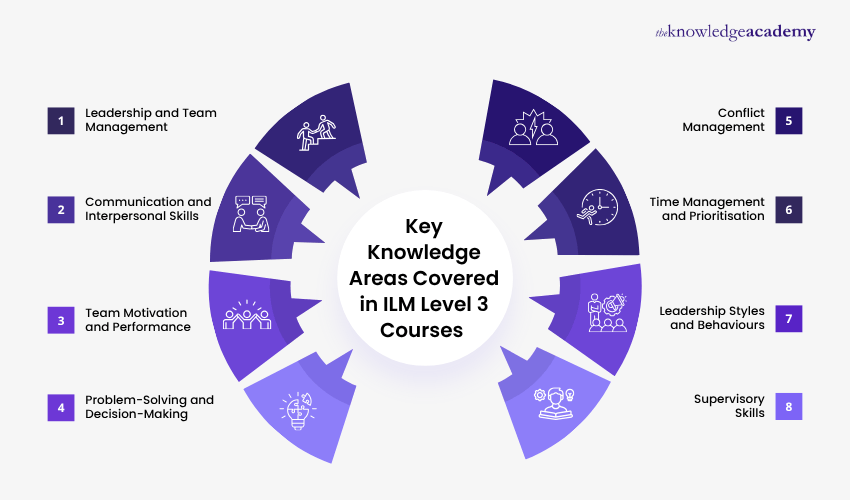
Key Knowledge Areas Covered in ILM Level 3 Courses

The Knowledge Academy’s ILM Level 3 equips aspiring leaders and supervisors with practical skills to manage teams effectively and confidently.

Key Knowledge Areas Covered in ILM Level 3 Courses

  • Leadership and Team Management – Learn to lead and motivate teams effectively using ILM leadership frameworks.
  • Communication and Interpersonal Skills – Improve teamwork through clear, confident, and respectful communication.
  • Team Motivation and Performance – Apply ILM motivation techniques to boost engagement. Motivated teams increase productivity by 20%.
  • Problem-Solving and Decision-Making – Use ILM tools to analyse challenges and make smart, informed decisions.
  • Conflict Management – Resolve disagreements calmly using mediation and emotional intelligence skills.
  • Time Management and Prioritisation – Apply ILM time-planning strategies to manage work efficiently and meet deadlines.
  • Leadership Styles and Behaviours – Understand and adapt transformational, situational, and coaching leadership styles.
  • Supervisory Skills – Gain ILM-recognised management abilities. Effective supervision improves employee retention by 25%.
     

Benefits of Learning ILM Level 3 Courses

Completing ILM Level 3 provides recognised qualifications that enhance career prospects and leadership effectiveness.

  • Confidence in Leadership – Step into supervisory roles confidently with ILM-accredited leadership and management training.
  • Effective People Management – Use ILM tools to motivate teams. Skilled managers improve staff retention by 25%.
  • Stronger Communication Skills – Communicate clearly, resolve conflicts smoothly, and build better workplace relationships.
  • Industry Recognition – Gain an ILM qualification recognised by employers in more than 80 countries.
  • Career Progression – Move up through ILM levels and prepare for senior leadership positions.
  • Improved Team Results – Apply ILM methods to boost team productivity by 20% and engagement by 30%.
  • Commitment to Growth – Show dedication to continuous learning and personal leadership development.
Show more blue-arrow

Package deals for ILM Level 3

Our training experts have compiled a range of course packages on a variety of categories in ILM Level 3, to boost your career. The packages consist of the best possible qualifications with ILM Level 3, and allows you to purchase multiple courses at a discounted rate.

Swipe for more. Don’t miss out!

ILM Level 3 FAQs

ILM Level 3 is a recognised qualification designed to develop foundational leadership and management skills. It focuses on areas such as team leadership, communication, and effective decision-making in the workplace. This level is suitable for individuals starting their management journey or progressing into supervisory roles.

The duration of these ILM LEVEL 3 Courses varies. Please visit our course pages for specific information.

ILM Level 3 Training from The Knowledge Academy, a recognised certification provider, helps develop essential leadership and management skills for workplace success. It strengthens abilities in communication, team management, and effective decision-making. These skills support career progression into supervisory and junior management roles.

CMI and ILM are both centred on leadership and management, but the latter is more practical and application-based. It focuses on the practical skills at the workplace, hence it is very applicable in the day-to-day management roles.

The prerequisites for the ILM Level 3 Training are based on the course specifications and the target group of professionals it serves. Check the respective course page of the course that you are planning to take to know about its prerequisites.

The right ILM Course depends on your experience and goals. Awards are ideal for beginners, while Certificates and Diplomas provide more in-depth knowledge and broader skill development.

You will gain leadership, communication, problem-solving and team management skills with these ILM Level 3. These skills will assist you in managing teams and improving your general performance in the workplace.

The ILM Level 3 are periodically revised to address the modern managerial practise and organisational requirements. This makes the skills that you acquire relevant to current trends and applicable.

Yes, we provide corporate training for these ILM Level 3 Training Courses, tailored to fit your organisation’s requirements.

Yes, ILM Level 3 is recognised internationally and valued by employers across various industries. It is awarded by the Institute of Leadership & Management (ILM), a globally respected professional body for leadership and management qualifications.

Yes, ILM Level 3 are perfect for first-time managers and team leaders. It equips them with the beginning level of knowledge and practicals to handle teams with a sense of competence.

ILM Level 3 emphasise practical, workplace-based learning rather than theory. It provides skills that the learners can use in real management situations.

We provide easy access to ILM Level 3 Online Courses through flexible options such as instructor-led virtual sessions, blended learning, and self-paced formats, allowing you to learn at your convenience. The Knowledge Academy, a global training provider, enables the delivery of seamless and instant access to course materials through our MyTKA portal and interactive platform.

Yes, the training concepts are the most important aspects of management and strategy to facilitate business development. It will train you on how to maximise processes and deal with growth.

The ILM Level 3 Certification help you to build critical thinking and problem-solving skills, which allow you to find areas to innovate. It helps to encourage innovative methods of process and performance improvement.

The Knowledge Academy offers support via phone & email before attending, during, and after the ILM Level 3 Training Course. Our customer support team is available to assist and promptly resolve any issues you may encounter.

On successfully completing the ILM Level 3 Training, you are able to move on to advanced ILM Qualifications or assume a more sophisticated leadership position. It advocates sustained professional growth.

Completing ILM Level 3 opens up roles such as Team Leader, Supervisor, Project Coordinator, and Operations Executive across various industries. These positions allow professionals to apply practical leadership and management skills in real-world settings.

ILM Level 3 strengthens leadership, communication, and decision-making abilities, making professionals more effective in their roles. It demonstrates recognised management capability, helping individuals stand out to employers.

Yes, The Knowledge Academy, is a trusted training provider, delivers ILM Level 3 Training aligned with the standards set by the Institute of Leadership & Management (ILM). The courses are designed to meet industry expectations and maintain high-quality learning outcomes. This ensures learners receive a credible and widely recognised qualification.

The Knowledge Academy stands out as a trusted training provider known for its extensive course offerings, expert instructors, adaptable learning formats, and industry recognition. It's a dependable option for those seeking this certification.

Please see our ILM Level 3 available in Trinidad and Tobago

The Knowledge Academy is one of the Leading global training provider for ILM Level 3.

The training fees for ILM Level 3 in Trinidad and Tobago starts from USD4095

Show more down

Why we're the go to training provider for you

icon

Best price in the industry

You won't find better value in the marketplace. If you do find a lower price, we will beat it.

icon

Trusted & Approved

Recognised by leading certification bodies, we deliver training you can trust.

icon

Many delivery methods

Flexible delivery methods are available depending on your learning style.

icon

High quality resources

Resources are included for a comprehensive learning experience.

barclays Logo
deloitte Logo
Thames Water Logo

"Really good course and well organised. Trainer was great with a sense of humour - his experience allowed a free flowing course, structured to help you gain as much information & relevant experience whilst helping prepare you for the exam"

Joshua Davies, Thames Water

santander logo
bmw Logo
Google Logo
cross

Upgrade Your Skills. Save More Today.

superSale Unlock up to 40% off today!

WHO WILL BE FUNDING THE COURSE?

close

close

Thank you for your enquiry!

One of our training experts will be in touch shortly to go over your training requirements.

close

close

Press esc to close

close close

Back to course information

Thank you for your enquiry!

One of our training experts will be in touch shortly to go overy your training requirements.

close close

Thank you for your enquiry!

One of our training experts will be in touch shortly to go over your training requirements.