


 Top Rated Course

We may not have the course you’re looking for. If you enquire or give us a call on +44 1344 203999 and speak to our training experts, we may still be able to help with your training requirements.
What is 5S and Its Principles in Workplace Organisation
William Brown 16 July 20265S is a Japanese workplace organisation method referring to Sort, Set in Order, Shine, Standardise and Sustain, to create an efficient and safe environment. It helps in reducing waste, improving workflow, and promoting continuous improvement. Moreover, it builds a strong foundation for long-term efficiency and operational excellence.

Training Outcomes Within Your Budget!
We ensure quality, budget-alignment, and timely delivery by our expert instructors.
Table of Contents

Have you ever been in a messy workplace with cluttered desks, missing things, and people wasting time searching for things? That kind of disorganisation will not only look bad but also slow down work and lead to more mistakes.
Now think of a workspace where everything is clean and easy to find. The work will flow smoothly in such places. That’s what the 5S system can do by helping teams stay organised and efficient. In this blog, you can find What is 5S, how it works, its benefits, and how different industries use it to improve their operations. Let’s begin!
Table of Contents
1) What are the 5S?
2) What are the Benefits of 5S?
3) What are the 3 Types of 5S Implementation?
4) Top Industries That Use 5S Lean
5) Conclusion
What are the 5S?
5S is a Japanese workplace organisation system that helps keep work areas cleaner, organised, and safer. It makes sure everything has a proper place, helping people work faster and avoiding time wastage. When things are in their proper place and easy to find, work becomes smoother and more enjoyable.
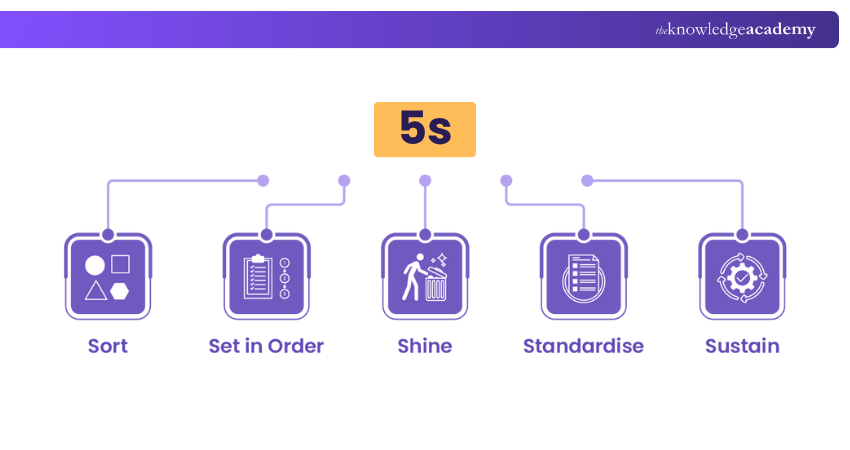
The 5S refers to the following:
1) Sort (Seiri)
2) Set in Order (Seiton)
3) Shine (Seiso)
4) Standardise (Seiketsu)
5) Sustain (Shitsuke)
Each of these steps teaches how to arrange, clean, and maintain the workspace for better results. Together, they form a simple process that improves how people work every day.
1) Sort
The first step, Sort, means checking everything in your work area. This includes your tools, furniture, materials, and equipment to decide what is needed and what is not. The goal is to keep only the items that are useful for your daily work. Once you find things that aren’t needed, you can:
1) Give them to another team
2) Recycle, sell or throw them away
3) Put them in storage space if they might be useful later
Tip: A common practice in this stage is the red tag technique, where items that aren’t used regularly are tagged and temporarily stored elsewhere.

2) Set in Order
After getting rid of what you don’t need, it is time to organise what has been left. Every tool or item should have its own proper place where it can be found easily and put back. In Lean Management, this step helps reduce waste like wasted time, extra walking or searching for things. Here’s what to think about:
1) Who uses each item and how often?
2) Is the setup comfortable and safe for everyone?
3) Do we need shelves, bins or racks to stay organised?
Tip: Use labels, colour codes, and floor markings so it is clear where everything belongs. This makes it easier to stay organised.
3) Shine
The third step of Shine means keeping the workplace clean and well-maintained. It includes sweeping, wiping, dusting, and checking that all tools and machines are in good condition. It helps you spot problems early like if there are any leaks or damage. It also prevents downtime and helps everything run smoothly. You can:
1) Clean daily to keep the workspace neat and safe
2) Let each person clean their area
3) Take pride in maintaining a clean, organised workspace
Tip: Make sure everyone knows what and how to clean. Show where cleaning materials are kept and how to handle them safely.
Learn practical methods like 5S and Kaizen with our Lean Processes and Tools Training – Register today!
4) Standardise
Once everything is sorted, organised and clean, the next step is to make it a habit. The Standardise step ensures everyone follows the same routine to keep things in order every day. This makes the 5S system a part of everyday work. It is also easier to keep everything neat and consistent. This can include:
1) Creating daily or weekly checklists
2) Making cleaning and organisation schedules
3) Training everyone to follow the same rules
Tip: Use simple visual cues like posters, labels or signs to remind people where things belong and what needs to be done.
5) Sustain
Sustain is the last step in the process of the 5S. It is about keeping the 5S system going for the long term. You need to turn 5S into a daily habit that everyone follows naturally. Regular training, audits and feedback sessions help maintain interest and improve over time. Overall, it offers cleaner spaces and safer work ethics.
1) Make 5S a habit by practising it daily
2) Check regularly to see if 5S is being followed
3) Appreciate efforts to keep everyone motivated
Tip 1: Train new people in 5S, so they know how things are done from the start.
What are the Benefits of 5S?
Here are some of the key benefits of implementing 5S in your organisation:
1) Waste Reduction
1) Removes unnecessary things so you don’t need to save space
2) Reduces wasted time looking for tools or materials
3) Helps remove the seven Lean wastes
4) Reduces extra movement and overproduction
5) Makes better use of time, space and materials
6) Keeps the workplace clear and focused
2) Improved Productivity
1) Organised spaces make work faster and easier
2) Less clutter means fewer mistakes and delays
3) Simple routines help everyone work smoothly
4) Reduces wasted time and effort in daily tasks
5) Helps people get more work done in less time
6) Builds good habits and discipline at work
3) A Safer Workplace
1) Clean areas reduce slips, trips and falls
2) Proper storage stops heavy or sharp tools from causing harm
3) Regular cleaning finds problems like leaks early
4) Clear walkways make it easy to move safely
5) Everyone learns to look after their own space
6) Fewer accidents mean a safer workplace
4) Scalable and Flexible Solutions
1) Works in any type or size of workplace
2) Can be adjusted for different teams or areas
3) Keeps the same standards across all locations
4) Digital tools help check progress and stay organised
5) Supports company growth and smooth operations
6) Makes it easy to share good practices across teams
Build a strong foundation in continuous improvement with our Lean Awareness Training – Join now!
What are the 3 Types of 5S Implementation?
Although the 5S system is built on five main steps, putting it into practice happens in three main phases. Let's check them in detail below:

1) Plan
The plan phase is about preparing your team and making sure everyone understands what 5S is and why it is important. It builds understanding and teamwork, so everyone knows their role before changes begin.
1) Get Everyone Involved: Talk to all departments like production, safety, and quality to make sure everyone supports the plan.
2) Form a 5S Team: Choose a small group of people from different areas to lead others through the process.
3) Make a Clear Plan: Explain how 5S will help the company, what resources are needed and what results to expect.
4) Match Business Goals: Connect your 5S plan to your company’s bigger goals like improving safety, saving time or reducing costs.
5) Train Employees: Teach everyone about the 5S steps through short sessions and hands-on activities.
6) Start Small: Begin with one department or area first, then apply it to other teams once it is successful.
2) Optimise
Once planning and training are done, it is time to put 5S into action. The optimise phase focuses on improving work areas using the first three steps, such as Sort, Set in Order, and Shine. It is done as a three-day event where teams clean and organise their spaces.
1) Run a 5S Blitz: Organise a short 5S event (for example, three days) to declutter, organise, and clean the workspace together.
2) Sort the Area: Remove items that aren’t needed, so only useful things will remain.
3) Set in Order: Arrange everything neatly and label storage spots so tools are easy to find.
4) Shine the Workspace: Clean all surfaces, tools and machines to keep everything in good condition.
5) Spread out Sessions: You can do one day of 5S each week if needed, to allow time for ordering labels or cleaning supplies.
6) Record the Results: Take photos or notes of how the area looks after 5S. This helps keep the new setup consistent.
3) Normalise
The normalise phase makes sure that all the hard work from the first two phases continues over time. It combines the last two of the 5S, Standardise and Sustain to make 5S part of everyday work.
1) Create Simple Rules: Write down clear steps and add pictures or charts showing how the workspace should look.
2) Make Cleaning Routines: Set daily or weekly schedules for tidying, checking and maintaining tools.
3) Do Regular Audits: Review each area often to make sure 5S is still being followed.
4) Train Regularly: Teach new employees about 5S and remind current staff through short refreshers.
5) Reward Effort: Celebrate teams that keep their areas clean and organised.
6) Keep Improving: Use feedback to fix issues and make things even better.
Improve safety and productivity in your workplace with our 6S Training – Sign up soon!
Top Industries That Use 5S Lean
Now, let’s check some of the main industries that use the 5S system and how it helps them:

1) Manufacturing
5S first became popular in manufacturing, especially through the Toyota Production System (TPS). Today, manufacturers use 5S to:
1) Keep work areas clean
2) Arrange tools and machines for easy use
3) Make work safer for employees
4) Improve quality and reduce errors
5) Help teams work together better
2) Medical
In hospitals and clinics, 5S helps create a safe and well-organised space for doctors, nurses, and patients. It is used to:
1) Label and organise medicines clearly
2) Remove expired or unused items
3) Keep tools clean and easy to find
4) Create daily cleaning and restocking routines
5) Reduce mistakes and waiting time
3) Retail
In shops and stores, 5S helps keep products neat and easy to find. It also makes the shopping experience better for customers. Retail businesses use 5S to:
1) Keep shelves clean and well-arranged
2) Find products and supplies faster
3) Make displays neat and clear
4) Prevent items from getting lost or damaged
5) Keep every store looking professional
4) Hospitality
Hotels and restaurants use 5S to make their service clean and organised. It helps employees work faster and gives a better experience for your guests. In hospitality, 5S helps by:
1) Keeping kitchens and storage areas tidy
2) Organising ingredients and tools for quick use
3) Creating clear cleaning routines
4) Maintaining hygiene and safety
5) Making guests feel comfortable and satisfied
5) Computers and Technology
Technology companies use 5S to stay organised and efficient, both in hardware and software work. They apply 5S to:
1) Sort and label computer parts properly
2) Keep workstations neat and clutter-free
3) Standardise tools and processes across teams
4) Remove digital clutter and old files
5) Help teams work faster and make fewer mistakes
6) Education
Schools and universities also use 5S to create clean and organised learning spaces. Here’s how 5S helps in education:
1) Organising books, papers and materials
2) Keeping classrooms clean and calm
3) Helping teachers and students stay organised
4) Teaching students to care for their environment
5) Creating a better space for learning
7) General Office Setting
In offices, 5S helps people work more efficiently and stay focused. A clean desk and organised files make a big difference in productivity. 5S in offices helps to:
1) Keep desks and storage areas neat
2) Remove papers and items that aren’t needed
3) Create easy-to-follow filing systems
4) Save time by reducing clutter
5) Cut costs by using resources better
Conclusion
The 5S method is about building good habits and creating a workplace where everyone works smarter and safer. It helps people stay organised, care about their workspace, and take pride in what they do. With a proper idea of What is 5S and when it is used every day, 5S can make work easier and more enjoyable. Start small, stay consistent, and let 5S lead you towards lasting success.
Start your journey towards a more efficient workplace with our Lean Training – Explore now!
Frequently Asked Questions
What are the Japanese 5S?

The five Japanese 5S words are Seiri (Sort), Seiton (Set in Order), Seiso (Shine), Seiketsu (Standardise), and Shitsuke (Sustain). Together, they form the foundation of workplace organisation and efficiency.
Does 5S Actually Work?
Yes, the 5S really works when it is used regularly. It helps make the workplace efficient, safer and a better place to work. But for it to succeed, leaders need to stay committed, employees should stay involved and everyone needs to make 5S part of their daily routine instead of a one-time clean-up.

William Brown


Senior Business Analyst and Strategic Advisor
William Brown is a senior business analyst with over 15 years of experience driving process improvement and strategic transformation in complex business environments. He specialises in analysing operations, gathering requirements and delivering insights that support effective decision making. William’s practical approach helps bridge the gap between business goals and technical solutions.
View Detail

 If you wish to make any changes to your course, please


