


 Top Rated Course

We may not have the course you’re looking for. If you enquire or give us a call on + 1-866 272 8822 and speak to our training experts, we may still be able to help with your training requirements.
Difference Between ISO 9001 and ISO 14001: A Detailed Comparison
The Knowledge Academy 31 October 2025Discover the Difference Between ISO 9001 and ISO 14001. ISO 9001 focuses on Quality Management Systems (QMS). ISO 14001, in contrast, targets environmental management. This blog will include the key distinctions, benefits and implementation strategies for both standards. Read to develop a comprehensive understanding of both!

Training Outcomes Within Your Budget!
We ensure quality, budget-alignment, and timely delivery by our expert instructors.
Table of Contents
Understanding the Difference Between ISO 9001 and ISO 14001 is crucial for organisations. Both standards are internationally recognised and provide frameworks for improving performance but focus on different aspects. ISO 9001 is centred on quality management, ensuring products and services meet customer expectations, while ISO 14001 focuses on environmental management, helping organisations minimise their environmental impact. According to a 2021 ISO Survey, the UK ranked among the top five countries, holding about 40,000 ISO 9001 Certificates and over 15,000 ISO 14001 Certificates.
But have you ever wondered how these standards complement each other and why your organisation should consider implementing both? In this detailed comparison, we will explore the unique features of each standard, providing you with a comprehensive understanding of the Difference Between ISO 9001 and ISO 14001. Dive in and discover how these standards can drive your organisation’s success.
Table of Contents
1) A Brief Overview of ISO 9001 and ISO 14001
a) ISO 9001
b) ISO 14001
2) The Differences Between ISO 9001 and ISO 14001
3) Similarities Between ISO 9001 and ISO 14001
4) Conclusion
A Brief Overview of ISO 9001 and ISO 14001
Here is a brief introduction to both the ISO 9001 and 14001 standards:
ISO 9001
ISO 9001 is a globally acknowledged standard that establishes the requirements for setting up a Quality Management System (QMS) in an organisation. Its primary focus is ensuring consistent product or service quality, customer satisfaction, and continuous improvement. Let’s talk about some key aspects of ISO 9001:
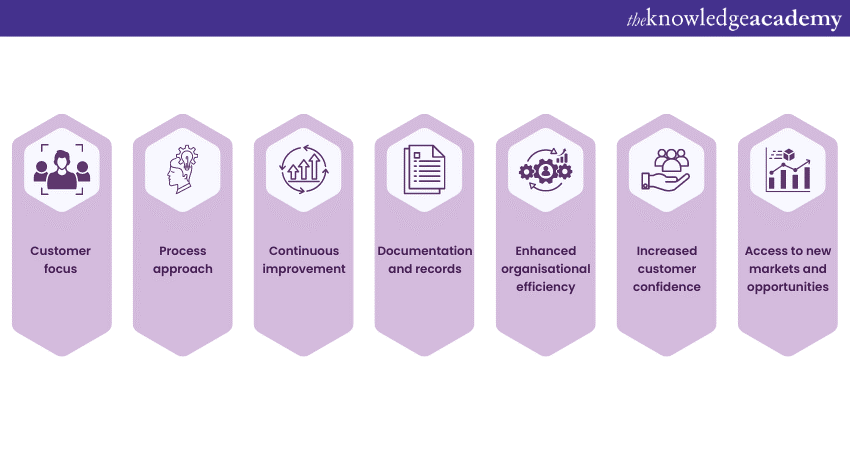
a) ISO 9001 emphasises meeting customer requirements, enhancing customer satisfaction, and delivering products or services, which consistently satisfies or exceed customer expectations.
b) The standard encourages organisations to adopt a systematic approach to Process Management, ensuring effective planning, resource allocation, and process monitoring.
c) ISO 9001 promotes a culture of continual improvement by establishing objectives, measuring performance, and implementing corrective actions based on data-driven decision-making.
d) ISO 9001 requires establishing and maintaining documented processes, procedures, and records to demonstrate Compliance and provide a framework for effective Quality Management.
e) Implementing ISO 9001 helps organisations streamline their processes and improve overall efficiency. By establishing clear procedures and guidelines, ISO 9001 encourages a systematic approach to process management, allowing organisations to identify and eliminate bottlenecks, resulting in smoother operations and improved Time Management.
f) ISO 9001 Certification showcases an organisation’s dedication to quality and customer satisfaction. By following ISO 9001 standards, businesses can effectively manage customer feedback, promptly address complaints, and continuously improve their offerings. This commitment builds trust and boosts market share and competitiveness.
g) ISO 9001 Certification is globally recognised and accepted, acting as a passport to new domestic and international markets. It is often required for business partnerships and government tenders. By obtaining ISO 9001 certification, organisations can expand their reach, gain a competitive edge, and unlock new business opportunities.
2) ISO 14001
ISO 14001 is an internationally acknowledged standard, which defines the basis for an Environmental Management System (EMS). It is designed to help organisations improve their environmental performance and systematically manage their environmental responsibilities. The framework follows the Plan-Do-Check-Act (PDCA) cycle. Adopting the ISO 14001 standard may have some Disadvantages of ISO 14001 but this standard also offers numerous benefits. Let's explore its main elements:
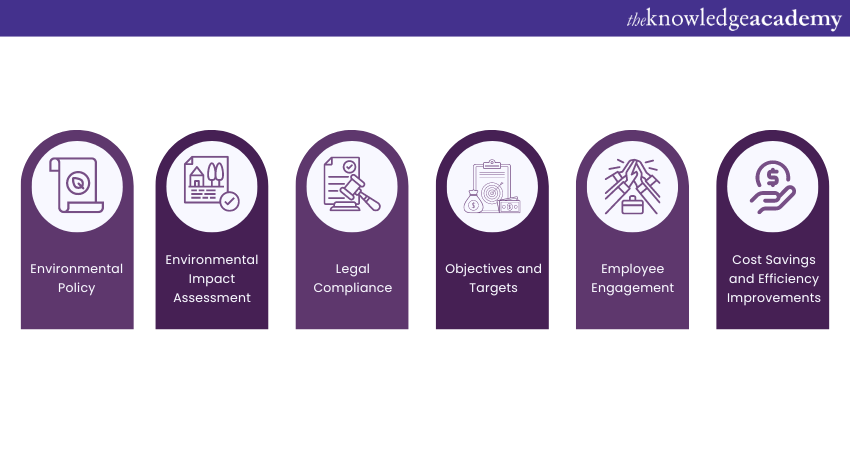
a) ISO 14001 requires organisations to establish an environmental policy, which reflects their commitment to prevention, pollution, regulatory compliance, and continual improvement.
b) Organisations must figure out and check the environmental aspects and impacts of their products, activities, and services as well as develop appropriate controls to mitigate adverse effects ensuring accuracy and regular updates with ISO 14001 Document Control
c) ISO 14001 mandates compliance with applicable environmental laws, reinforcing the importance of ISO 14001 Compliance regulations, and other requirements, ensuring organisations operate within the legal framework and promote environmental responsibility.
d) The standard encourages organisations to set environmental objectives and targets, such as reducing energy consumption,waste generation, or greenhouse gas emissions, and monitor their progress towards achieving them.
e) ISO 14001 promotes employee involvement and awareness, encouraging organisations to provide training, communication channels, and opportunities for employees to contribute to Environmental Management efforts.
f) ISO 14001 enhances resource efficiency and waste reduction, leading to cost savings for organisations. By implementing sustainable practices, businesses can lower operational costs. The standard promotes sustainable technologies, recycling, and efficient resource use, contributing to environmental preservation and long-term financial benefits.
Lead your organisation towards sustainable practices with our ISO 14001 Internal Auditor Training - register now and make a difference!
The Difference Between ISO 9001 and ISO 14001
Here are the key differences highlighted between both the ISO standards:
|
Key Differences |
ISO 9001 |
ISO 14001 |
|
Focus |
Quality Management System (QMS) |
Environmental Management System (EMS) |
|
Primary Objective |
Ensure consistent product/service quality and customer satisfaction |
Promote environmental responsibility and sustainable practices |
|
Stakeholder Concerns |
Customer satisfaction |
Environmental stakeholders (communities, regulators, etc.) |
|
Scope |
Internal processes and customer-related activities |
Extends beyond organisational boundaries to include environmental impacts |
|
Compliance |
Compliance with quality requirements and regulations |
Compliance with environmental laws and regulations |
|
Continuous Improvement |
Continuous improvement of processes and customer satisfaction |
Continual improvement of environmental performance |
|
Documentation |
Documented processes, procedures, and records for Quality Management |
Documentation of environmental policy, aspects, and impacts |
|
Employee Engagement |
Emphasises customer satisfaction and involvement |
Promotes employee awareness and involvement in environmental management |
|
Measurement Metrics |
Quality metrics (defect rates, customer satisfaction scores) |
Environmental metrics (energy consumption, waste generation) |
Advance your career with our ISO 14001 Course. Master environmental management and lead sustainable practices. Register now!
Similarities Between ISO 9001 and ISO 14001
The ISO 14001 and ISO 9001 Standards are not just mere guidelines but rather comprehensive Management Systems that promote efficiency and effectiveness within organisations. These standards may seem technical and complex, but in reality, they are rooted in fundamental principles that align with human values.
For instance, the High-Level Structure (HLS) that forms the foundation of these standards provides a consistent framework for various ISO Management Systems. It allows for integration and alignment across different disciplines, such as Quality and Environmental Management. In simpler terms, it means that these standards work together to achieve a common goal - to improve the overall performance of an organisation.
Let's take a closer look at the ten shared clauses within the HLS that highlight the similarities between ISO 9001 and ISO 14001:
1) Scope: The first clause specifies the scope of the standard, describing what areas and aspects the standard covers, such as quality, environmental, health and safety, or other domains.
2) Normative References: Both standards provide references to essential documents that are needed for the implementation and understanding of the standard’s requirements.
3) Terms and Definitions: This section explains the meaning of specific terms used in the standard, ensuring consistency and clarity.
4) Context of the Organisation: Both ISO 14001 Context of Organisation and ISO 9001 require organisations s are required to analyse both their internal and external context to identify factors that can affect their objectives and the performance of their Management System. These factors can include regulatory, economic, technological, and market-related elements.
Prepare to shine in your interview with these essential Environmental Health and Safety Interview Questions. Start your preparation today
5) Leadership: ISO 9001 and ISO 14001 require that upper management shows Leadership and commitment to the respective Management System. This includes creating a culture of accountability and responsibility for quality and environmental performance.
6) Planning: Both standards stress the importance of planning. ISO 9001 focuses on quality objectives, while ISO 14001 focuses on environmental objectives. However, the shared requirement involves the establishment of a systematic approach for setting and achieving these objectives.
7) Support: This clause defines the provision of adequate resources and support to ensure the performance of the Management System. It includes elements such as training, communication, and infrastructure to support Quality and Environmental Management.
8) Operation: Organisations must determine and define the processes needed for their operations, taking into account both the Quality and Environmental Aspects. This shared clause ensures the alignment of relevant processes to meet these requirements.
9)Performance Evaluation: Measurement and monitoring of performance are key to both standards. They requireISO 14001 Audits, reviews, and data collection to evaluate the performance of the Management System and compliance with the established requirements.
10) Improvement: ISO 9001 and ISO 14001 mention specific conditions regarding non-conformity and occurrence and handling with an aim of making corrections and precautions in the Management System for continuous improvement. This shared focus on the ongoing pursuit of advancement in quality and environmental performance entails a continuous improvement.
Elevate your Quality Management expertise withISO 9001 Training– join us now and make a significant impact!
Conclusion
Comprehending the Difference Between ISO 9001 and ISO 14001 is crucial for organisations aiming to enhance quality and environmental performance. By integrating these standards, businesses can achieve operational excellence, and sustainable growth. Embrace the power of ISO standards to drive towards a more successful future.
Advance your career with our ISO 14001 Course and master essential environmental management skills!
Frequently Asked Questions
Do Companies Have to be ISO Certified?

No, companies are not legally required to be ISO certified. However, obtaining ISO Certification can enhance credibility, improve operational efficiency, and meet customer expectations, making it an asset for businesses aiming for quality management and environmental standards.
What are the Common Requirements of ISO 9001 And ISO 14001?
ISO 9001 and ISO 14001 share common requirements such as establishing a management system, continuous improvement, documentation control, and internal audits. Both standards emphasise leadership commitment, risk management, and setting measurable objectives to ensure quality and environmental performance.
What are the Other Resources and Offers Provided by The Knowledge Academy?
The Knowledge Academy takes global learning to new heights, offering over 3,000 online courses across 490+ locations in 190+ countries. This expansive reach ensures accessibility and convenience for learners worldwide.;
Alongside our diverse Online Course Catalogue, encompassing 19 major categories, we go the extra mile by providing a plethora of free educational Online Resources like Blogs, eBooks, Interview Questions and Videos. Tailoring learning experiences further, professionals can unlock greater value through a wide range of special discounts, seasonal deals, and;Exclusive Offers.
What is The Knowledge Pass, and How Does it Work?
The Knowledge Academy’s Knowledge Pass, a prepaid voucher, adds another layer of flexibility, allowing course bookings over a 12-month period. Join us on a journey where education knows no bounds.
What are the Related Courses and Blogs Provided by The Knowledge Academy?
The Knowledge Academy offers various ISO 14001 Certifications, including the ISO 14001 Foundation Certification, ISO 140 Lead Auditor Course, and ISO 14001 Lead Implementer Course. These courses cater to different skill levels, providing comprehensive insights into ISO 14001 Risks and Opportunities.
Our Health & Safety Blogs cover a range of topics related to ISO 14001, offering valuable resources, best practices, and industry insights. Whether you are a beginner or looking to advance your Health and Safety knowledge, The Knowledge Academy's diverse courses and informative blogs have got you covered.

The Knowledge Academy


Global Training Provider
The Knowledge Academy is a world-leading provider of professional training courses, offering globally recognised qualifications across a wide range of subjects. With expert trainers, up-to-date course material, and flexible learning options, we aim to empower professionals and organisations to achieve their goals through continuous learning.

Upcoming ISO & Compliance Resources Batches & Dates
Date
 ISO 14001 Foundation Certification
ISO 14001 Foundation Certification
Mon 13th Apr 2026
ISO 14001 Foundation Certification
Mon 3rd Aug 2026
ISO 14001 Foundation Certification
Mon 7th Dec 2026

 If you wish to make any changes to your course, please


