


 Top Rated Course


We may not have the course you’re looking for. If you enquire or give us a call on 800969236 and speak to our training experts, we may still be able to help with your training requirements.
What is Hotel Management: Everything You Need to Know
William Brown 21 April 2026Hotel Management is the practice of supervising operations of hotels, motels and resorts to ensure a smooth business and a high-quality guest experience. It includes managing staff, reservations, housekeeping, food services, finances, and customer satisfaction. Effective Hotel Managers ensure safety, comfort, and exceptional service.

Training Outcomes Within Your Budget!
We ensure quality, budget-alignment, and timely delivery by our expert instructors.
Table of Contents
Picture this: You’re handling guest requests, keeping the kitchen on point, and ensuring everything from the lobby to the pool sparkles. Sounds like a challenge? It is! But it’s also incredibly rewarding. Running a hotel isn’t just about turning a key, it’s all thanks to the behind-the-scenes magic of Hotel Management.
In this blog, you can unfold the exciting world of Hotel Management, from the roles and skills needed to succeed, to strategies for growth and innovation. Whether you're dreaming of becoming a hotel manager or just curious about how it all works, this is your key to understanding the industry. Let’s get started!
Table of Contents
1) What is Hotel Management?
2) The Importance of Hotel Management
3) Hotel Management vs Hospitality Management
4) Types of Hotel Management
5) Enhancing Hotel Management Skills
6) How to Become a Hotel Manager?
7) Careers in Hotel Management
8) Hotel Management Strategies for Revenue Growth
9) Hotel Management Technology
10) What Qualifications are Needed for Hotel Management?
11) How to Conduct Hotel Management Reporting?
12) Conclusion
What is Hotel Management?
Hotel Management refers to overseeing all aspects of a hotel’s operations to ensure guests receive a smooth, enjoyable, and high-quality experience. Being a branch of the hospitality industry, it covers everything from guest services to housekeeping and overall service quality.
Key Takeaways:
1) This surrounds front desk operations, housekeeping, food and beverage services
2) There are departments for maintenance, staff management, and financial oversight
3) It's about creating an enjoyable stay for guests so that they get the best services
4) One of the aims is to efficiently manage the hotel's resources and services
5) It needs a strong leadership, communication, Financial Management, and adaptability

The Importance of Hotel Management
Effective Hotel Management is important for some reasons:
1) Guest satisfaction focuses that guests enjoy their stay and give good reviews
2) Customer satisfaction also ensures repeat visits, and recommends others
3) Operational efficiency helps the hotel run smoothly by reducing waste
4) It is also to make the best use of resources and improving service quality
5) Financial success focuses on managing costs, and earning revenue
6) Hotel Management promotes planning strategically to keep the hotel profitable
7) Employee satisfaction creates a positive workplace
8) It motivates staff and reduces employee turnover
Hotel Management vs Hospitality Management
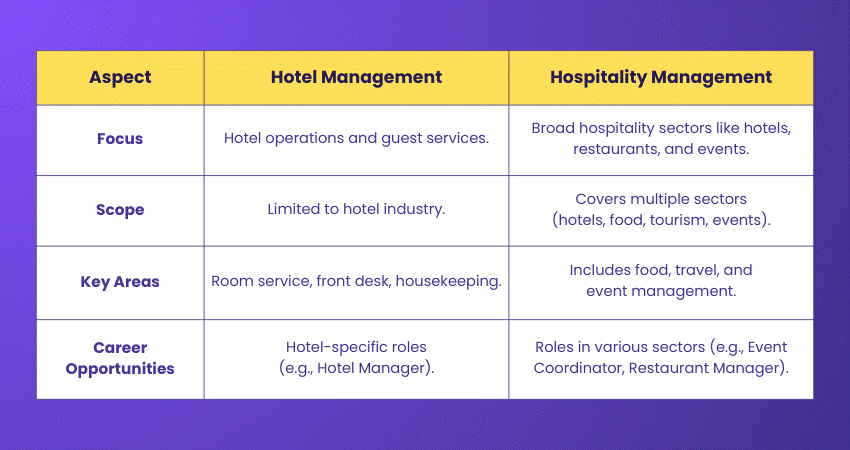
Hotel Management focuses specifically on operating hotels, including front office services, housekeeping, food and beverage, events, finance and overall guest experience. Hospitality Management is broader and covers multiple service industries including hotels, restaurants, tourism, events, cruise lines and entertainment.
While Hotel Managers specialise in accommodation services, hospitality professionals work across various guest-focused sectors.
Types of Hotel Management
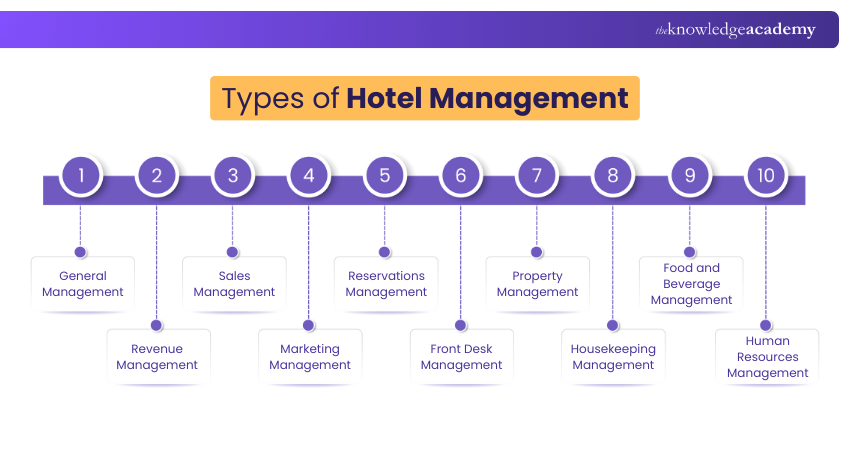
Hotel Management is multifaceted, with various specialised areas focusing on different aspects of operations. Here are the different types of Hotel Management for better understanding:
1) General Management
The General Manager handles all hotel operations to ensure every department runs smoothly. Their main goal is to provide guests with a great and memorable experience. They set goals, manage the hotel’s budget, and represent the hotel in the community.
They set strategic goals, manage budgets, and represent the hotel in the broader community.
2) Revenue Management
The Revenue Management focuses on reaching a good number in the hotel's profitability. This is done by understanding market demand, setting optimal room rates, and managing inventory. Revenue Managers use data-driven strategies to forecast demand and adjust pricing accordingly.
3) Sales Management
Sales Managers are responsible for attracting clients to the hotel. They can be corporate clients, event planners, and tour operators. They develop packages, negotiate contracts, and build relationships to speed up the booking process.
4) Marketing Management
Marketing Managers promote the hotel through various channels. They do it by creating campaigns to enhance the hotel's brand image and attract guests. This includes Digital Marketing, public relations, and partnerships with travel agencies.
5) Reservations Management
This management role involves handling the booking process, ensuring accuracy in reservations, and improving occupancy rates. Reservations Managers work with sales and marketing to handle overbooking situations.
Think like a strategist, act like a leader- Register now for our Team Development Training!
6) Front Desk Management
Front Desk Managers run the reception and ensure guests are greeted warmly. They make sure check-ins and check-outs are quick and efficient. They manage front desk staff and address any guest concerns promptly.
7) Property Management
Property Managers maintain the hotel's assets to make sure that the building and facilities are in good condition. This includes managing maintenance staff and coordinating renovations or repairs.
8) Housekeeping Management
Housekeeping Managers keep a record that guest rooms and public areas are clean and well-maintained. They manage housekeeping staff, cleaning supplies, and improve hygiene standards.
9) Food and Beverage Management
This role is to handle the hotel's restaurants, bars, and catering services. Managers ensure good-quality food and service. They manage kitchen and service staff, and handle menu planning and catalogue.
10) Human Resources Management
HR Managers recruit, train, and retain staff and check compliance with labour laws. Their work fosters a positive workplace culture. They are responsible for employee relations, benefits, and performance evaluations.
Enhancing Hotel Management Skills
Hotel Management needs a diverse set of skills, from leadership to Financial Management, marketing, and customer service. To excel in this field, certain skills are fundamental. Here’s a closer look at key areas where hotel managers can strengthen their skills:
1) Master Financial Management
Good Financial Management is key to running a successful hotel. Hotel Managers need to manage budgets, boost income, and control costs. They need to keep track of financial reports, manage cash flow, and review important Key Performance Indicators (KPIs).
2) Develop Leadership Abilities
A successful leadership is needed if you're leading a team of employees across different departments. Leadership skills are essential to motivate staff, resolve conflicts, and create a positive work environment. Good leaders are approachable, fair, and capable of making decisions under pressure.
3) Improve Marketing Knowledge
Marketing is a crucial skill for Hotel Managers in today’s hospitality market. They need to have a deep understanding of Digital Marketing, branding, and customer engagement. These can help you attract more guests and build long-term relationships.
4) Strengthen Communication Skills
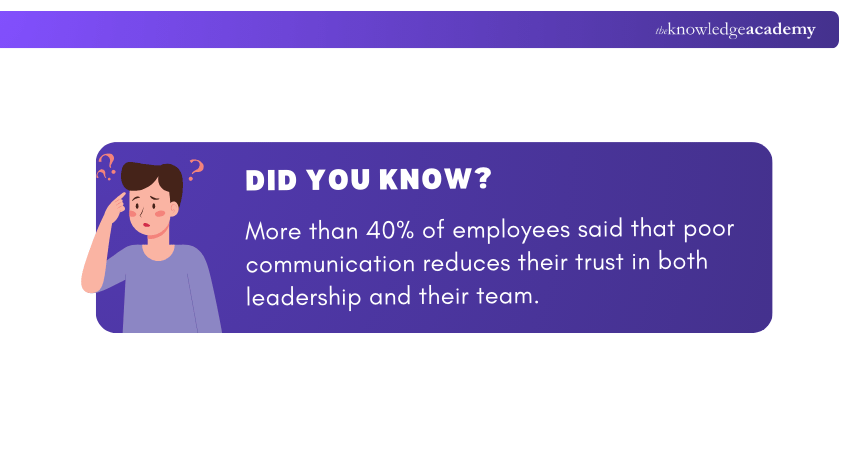
Clear communication is key to Hotel Management. A manager who communicates well builds stronger relationships and ensures that guests have the best experience possible. Managers must have the ability to communicate expectations, resolve issues, and maintain a positive atmosphere.
5) Adapt to Changing Situations
The hospitality industry keeps changing with new guest needs, technologies, and trends. A good hotel manager should be flexible and ready to handle these changes. Quickly adjusting and using new ideas helps the hotel stay successful over time.
Outsmart chaos and be the calm, collected leader everyone trusts with our Introduction to Managing People Training – Register today!
How to Become a Hotel Manager?
Becoming a Hotel Manager typically involves a mix of education, practical experience and strong interpersonal skills. Many people start by earning a degree in Hotel Management, hospitality, business administration or a related field.
Hands-on experience is essential in this industry. Entry-level roles such as Front Desk Agent, Event Coordinator, Restaurant Supervisor or Housekeeping Staff help you build practical knowledge of hotel operations and guest service. As you gain experience, you can progress into supervisory roles, learn how different departments function and gradually work your way toward management positions.
Careers in Hotel Management
Hotel Management offers diverse opportunities as a successful career. Here are some of the most common career options:
1) Housekeeping Manager
Supervises the cleanliness and maintenance of guest rooms and public areas. The above person is also responsible for managing housekeeping staff and ensuring high hygiene standards.
2) Catering Manager
Roles and responsibilities include managing the hotel's catering services, coordinating events, menu planning, and ensuring excellent food service.
3) Conference Centre Manager
Handles the operations of the hotel's conference and event spaces. He or she is also responsible for coordinating with clients to host successful events.
4) General Manager
Leads all aspects of hotel operations, setting strategic direction, managing budgets, and ensuring overall guest satisfaction.
Enhance product quality and reduce risks with our Supplier Quality Management Training – Register soon!
Hotel Management Strategies for Revenue Growth
Implementing effective strategies can significantly increase a hotel's revenue:
1) Offer Packages, Promotions and Extras
Create attractive packages that counts accommodations with services like spa treatments or dining experiences to entice guests.
2) Organise Events and Tours
Host events or partner with local tour operators to offer unique experiences to attract both guests and local attendees.
3) Sell Hotel Products
Offer branded merchandise or amenities for sale, providing guests with souvenirs and generating additional income.
4) Encourage Referrals and Repeat Business
Implement loyalty programmes and encourage satisfied guests to refer others, fostering a steady stream of repeat customers.
5) Cater to Flexible Travellers
Offer flexible booking options and personalised services to appeal to travellers seeking convenience and customisation.
Hotel Management Technology
Technology is crucial in Hotel Management. Tools like Property Management Systems (PMS) improve operations, while customer relationship management tools enhance guest experiences.
Innovations like mobile check-ins, smart room controls, and data analytics are transforming the hospitality landscape.
What Qualifications are Needed for Hotel Management?
To work in Hotel Management, key qualifications typically required are a degree and hands-on experience. For that, you can choose a degree in Hotel Management, Hospitality Management, business administration, tourism or a related field that is preferred. Some employers may also accept an associate degree or diploma in hospitality.
How to Conduct Hotel Management Reporting?
Good reporting means gathering and checking data about how the hotel is running. This includes basic questions like how many rooms are booked, and how well the staff are doing. The amount of money they can make, and how happy the guests are falls under financial reporting. Regular reports help managers make smart choices, find ways to improve, and grow the hotel in the future.
Conclusion
Hotel Management is a rewarding field that offers service with leadership and strategy. It plays an important role in ensuring guest satisfaction, efficient operations, and long-term business success. Here, each department works together to create a smooth and memorable guest experience. Understanding What is Hotel Management helps professionals in this field to build rewarding careers and contribute to a hotel's growth, reputation, and lasting impact in the hospitality industry.
Start building stronger leadership qualities with our Management Courses – Explore now!
Frequently Asked Questions
Is Hotel Management a Nine to Five Job?

Hotel Management Is generally not a nine to five job. The work schedule depends on guest flow, peak seasons, and unexpected operational needs.
What is the Highest Qualification in Hospitality?
The highest qualification in hospitality is typically a Doctorate in Hospitality Management (Ph.D.). This advanced degree focuses on research, leadership, and specialised knowledge in areas. It includes Hotel Management, tourism, and event planning. It prepares individuals for senior roles in academia, research, or executive management.
What are the Other Resources and Offers Provided by The Knowledge Academy?
The Knowledge Academy takes global learning to new heights, offering over 3,000+ online courses across 490+ locations in 190+ countries. This expansive reach ensures accessibility and convenience for learners worldwide.
Alongside our diverse Online Course Catalogue, encompassing 17 major categories, we go the extra mile by providing a plethora of free educational Online Resources like Blogs, eBooks, Interview Questions and Videos. Tailoring learning experiences further, professionals can unlock greater value through a wide range of special discounts, seasonal deals, and Exclusive Offers.
What is The Knowledge Pass, and How Does it Work?
The Knowledge Academy’s Knowledge Pass, a prepaid voucher, adds another layer of flexibility, allowing course bookings over a 12-month period. Join us on a journey where education knows no bounds.
What are the Related Courses and Blogs Provided by The Knowledge Academy?
The Knowledge Academy offers various Management Courses, including the Senior Management Training, Managing Projects Remotely Training and the Event Management Course. These courses cater to different skill levels, providing comprehensive insights into Building an Effective Team.
Our Business Skills Blogs cover a range of topics related to Hotel Management, offering valuable resources, best practices, and industry insights. Whether you are a beginner or looking to advance your management skills, The Knowledge Academy's diverse courses and informative blogs have got you covered.

William Brown


Senior Business Analyst and Strategic Advisor
William Brown is a senior business analyst with over 15 years of experience driving process improvement and strategic transformation in complex business environments. He specialises in analysing operations, gathering requirements and delivering insights that support effective decision making. William’s practical approach helps bridge the gap between business goals and technical solutions.
View Detail
Upcoming Business Skills Resources Batches & Dates
Date
 Event Management Course
Event Management Course
Fri 7th Aug 2026
Event Management Course
Fri 30th Oct 2026

 If you wish to make any changes to your course, please


