


 Top Rated Course

We may not have the course you’re looking for. If you enquire or give us a call on +0800 780004 and speak to our training experts, we may still be able to help with your training requirements.
How to Invest in Cryptocurrency: Strategies for Long-Term Growth
The Knowledge Academy 24 April 2026Discover essential strategies on How to Invest in Cryptocurrency. Learn about the benefits, risks, and practical steps to secure your investments. This blog covers everything you need to start your Cryptocurrency investment journey with confidence. Let’s dive in to make better and well-informed investment decisions!

Training Outcomes Within Your Budget!
We ensure quality, budget-alignment, and timely delivery by our expert instructors.
Table of Contents

Cryptocurrency has transformed the way people think about money and investing. With digital currencies like Bitcoin and Ethereum gaining popularity, more beginners are eager to explore this exciting market. However, the volatility and risks involved mean careful planning is essential.
In this blog, we’ll guide you step by step on How to Invest in Cryptocurrency safely. From understanding the basics to selecting exchanges, managing risks, and building a strategy, this guide will help you navigate the crypto world with confidence.
Table of Contents
1) What is Cryptocurrency?
2) Steps on How to Invest in Cryptocurrency
3 The Different Types of Cryptocurrencies
4) Risks of Investing in Cryptocurrency
5) Your Next Move Toward Smarter Investing
6) Which Cryptocurrency is Best for Beginners?
7) How Many People Got Rich with Crypto?
8) Conclusion
What is Cryptocurrency?
Cryptocurrency is a form of digital or virtual currency that is cryptographically secured, and hence it is very hard to counterfeit or double spend. These currencies are decentralised networks that work with blockchain technology, which is a distributed registry of accounts that is served by a computer network.
One of the main peculiarities of cryptocurrencies is that no central authority or government can regulate and control them, and peer-to-peer relations may be used, so that a user may independently control their funds. The currency is different because of its transparency, security, and decentralisation.

Steps on How to Invest in Cryptocurrency
The process of investing in Cryptocurrency can be a very rewarding experience, yet it has to be carefully planned and thought out. The question of how to invest in Cryptocurrency has some steps to follow:
1) Define Your Goals and Risk Tolerance
Whether you are looking forward to long-term growth, portfolio diversification, or an experimental approach to digital assets, decide what you want to accomplish before making an investment. Evaluate the extent to which you want to invest in your portfolio because crypto may be a very unstable asset. Knowledge of market fluctuations will prevent making choices out of emotional reactions and will keep the money invested in line with your financial objectives.
2) Choose a Secure and Reliable Exchange
A cryptocurrency exchange is where you buy, sell, and trade digital assets. Select a platform that has an excellent track record, is compliant with legal regulations, has high security, and offers high prices along with a large variety of available cryptocurrencies. Some of the most popular exchanges that are accessible to beginners are Kraken, Coinbase, and Gemini. Find such aspects as two-factor authentication (2FA), cold storage, and well-responsive customer support.
3) Fund Your Account
Once an exchange has been chosen, deposit money to begin trading. The majority of websites receive bank deposits, wire transfers, shares, debit/credit cards, and even crypto deposits. Check costs, speed, and the limit of each type to select what is best. Funding your account gives you access to the full range of crypto investment opportunities
4) Choose Your Cryptocurrency
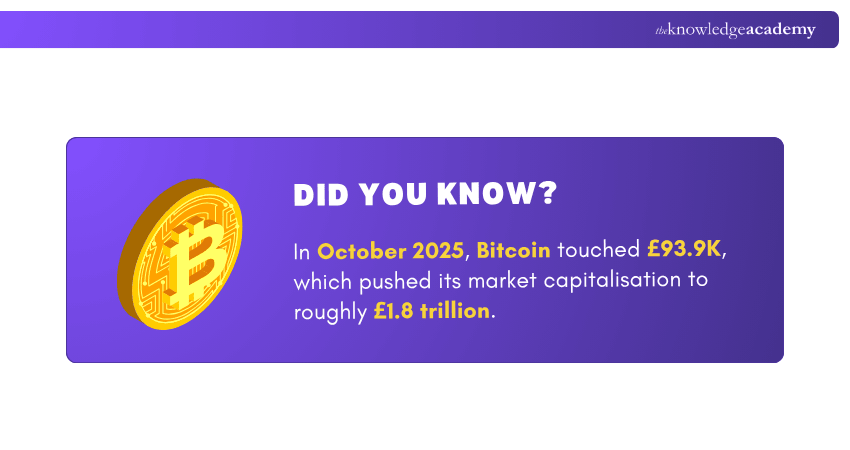
Research different cryptocurrencies before buying. Understand their use cases, risks, and community support. Beginners often start with established coins like Bitcoin (BTC), Ethereum (ETH), and Solana (SOL). Once you’ve decided, select your asset on the exchange, choose an order type (market or limit), confirm the details, and place the trade.
5) Store Your Cryptocurrency Securely
To ensure that your digital resources are not hacked, phished, or scammed, you must keep them in a secure place. Options include:
1) Convenience Software wallets (hot wallets)
2) The offline security hardware wallets (cold wallets)
3) Third parties handle custody of the wallets, and non-custody of the wallets provides you with complete access to the keys associated with them
To secure your money, cryptocurrency exchanges, such as Kraken Wallet, offer safe multi-blockchain platforms encrypted with protection via PIN and recovery.
6) Monitor and Grow Your Portfolio
Analyse your investments frequently and keep track of market trends. Be knowledgeable of technological changes, policies, and updates that might have an effect on cryptocurrency values. Dollar-cost averaging (DCA) strategies can also allow you to reduce volatility, and alerts and notifications will allow you to respond strategically to short-term volatility rather than responding on short notice.
By following these steps, beginners can feel safe and at ease getting into Cryptocurrency and conducting research, protecting, and reducing the risks involved in entering the world of digital assets to operate there successfully and safely.
Initiate your journey to financial freedom with our Investment and Trading Courses – join us now and learn the secrets to profitable trading.
The Different Types of Cryptocurrencies
Cryptocurrencies come in diverse forms, each with unique features and uses. Here are some of the most prominent Types of Cryptocurrencies:
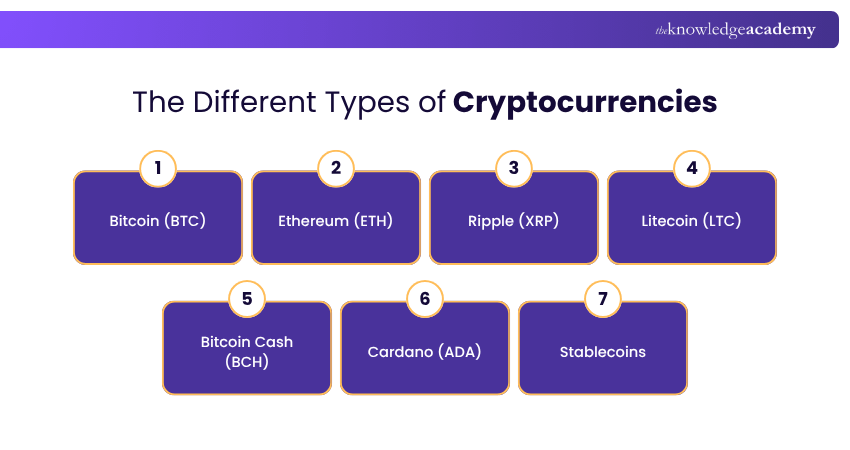
1) Bitcoin (BTC): Bitcoin is the pioneer of Cryptocurrency, and is the most recognised and widely used. It was the first digital currency to employ Blockchain technology. It paved the way for other Cryptocurrencies.
2) Ethereum (ETH): Ethereum is known for its versatile platform. Beyond being just a Cryptocurrency, it provides smart contracts and Decentralised Applications (DApps). It offers a broader range of uses than Bitcoin. For those preparing for Ethereum Interview Questions, it's essential to understand how these features contribute to Ethereum's versatility in the Blockchain ecosystem.
3) Ripple (XRP): Ripple is primarily noted for its electronic payment system more than for its status as a Cryptocurrency. It's mainly used for real-time cross-border financial transactions and is favoured by banks and financial institutions.
4) Litecoin (LTC): Often regarded as the silver to Bitcoin's gold, Litecoin is designed for faster and cheaper transactions. It was one of the first Cryptocurrencies to adopt Segregated Witness (SegWit) which is a method for increasing transaction capacity.
5) Bitcoin Cash (BCH): A spin-off from Bitcoin, Bitcoin Cash was created to allow for more transactions to be processed and improve scalability.
6) Cardano (ADA): Cardano is unique in its research-driven approach, focusing on security, sustainability, and scalability. It employs a Proof-of-Stake (PoS) algorithm and aims to bring more balance to the Cryptocurrency ecosystem.
7) Stablecoins: These are a type of Cryptocurrency that aims to offer price stability. They are typically pegged to a reserve asset, like the U.S. Dollar, gold, or another Cryptocurrency.
Build your financial IQ and ensure long-term wealth through our expert-led Investment Management Course - Register now!
Risks of Investing in Cryptocurrency
Cryptocurrency offers exciting growth potential, but it comes with significant risks. Before entering the market, you must understand these challenges and prepare for the volatility that characterise digital assets. Here are some risks:
1) High Volatility
Cryptocurrencies are infamous for their unpredictable and rapid price movements. Bitcoin might set a new high one day and plunge 20% the next. This volatility brings opportunities for profit but also exposes investors to sudden losses. For newcomers, these swings can be overwhelming and emotionally challenging to manage.
2) Lack of Regulation
Unlike traditional financial systems, the Crypto space remains largely unregulated. This regulatory gap opens doors for fraud and manipulation. This increases the risk for investors who lack proper due diligence.
3) Security Risks
While Blockchain itself is secure, vulnerabilities often lie in how the assets are stored and managed. Hacks, phishing scams and compromised wallets can result in significant financial loss. Using strong passwords, two-factor authentication and storing funds in secure wallets are essential safety measures.
4) Scams and Fraud
As Cryptocurrency’s popularity has grown, so have scams. Fake exchanges, pump-and-dump schemes, fraudulent projects and more are common traps for beginners. Verifying the legitimacy of these platforms and projects before investing is vital to avoid falling victim to these schemes.
5) Regulatory Changes
Governments worldwide are increasingly focusing on Cryptocurrency. This means new regulations can influence market behaviour. Tax laws, trading restrictions or even outright bans can impact investment strategies and asset values.
While these risks may seem daunting, preparing for them is key. With caution, strong security practices and awareness of market dynamics, investors can navigate the Crypto landscape with more clarity.
Master the financial tech that is reshaping the world. Sign up for our Bitcoin and Cryptocurrency Course – Sign up now!
Your Next Move Toward Smarter Investing
Having learned the basics of Cryptocurrency and the way to start investing, it is time to move to the next level and become a more knowledgeable investor. Now, it is time to put your knowledge to the test: you should start with the safe side, start with long-standing coins like Bitcoin or Ethereum, and have self-confidence in your investment before growing your portfolio.
By keeping up to date on the market trends, market risks, and security practices, you will be able to make better decisions and be more confident in the crypto market. With experience, explore investing in other areas besides cryptocurrencies.
Which Cryptocurrency is Best for Beginners?
Bitcoin and Ethereum are excellent for beginners due to their stability, widespread adoption, and robust ecosystems. These established Cryptocurrencies provide a solid starting point for learning the market while minimising risks compared to smaller, more volatile coins.
How Many People got Rich With Crypto?
Thousands have amassed wealth through Crypto, with early Bitcoin adopters and savvy traders leading. However, success depends on timing, research, and strategy. While many have profited, others have faced losses, highlighting the essence of apprehending the market before diving in.
Increase your knowledge about the forex market with our course on Foreign Exchange Training - Register today!
Conclusion
Investing in cryptocurrency can be a rewarding journey if approached with careful planning, research, and risk management. For beginners eager to start their journey, following a structured approach is key. Learning How to Invest in Cryptocurrency step by step ensures that you make informed decisions, manage risk effectively, and set yourself up for long-term success in the dynamic world of digital assets.
Learn from experts and develop winning strategies with our Stock Trading Course - register now and start trading like a pro!
Frequently Asked Questions
How Does Investing in Cryptocurrency Contribute to Career Success in Finance?

Investing in Cryptocurrency can broaden your understanding of digital assets and Blockchain technology, which are increasingly important in the finance industry. This expertise is valuable for roles in fintech and for financial institutions that are integrating digital currency innovations.
What Skills are Essential in the Cryptocurrency Job Market?
In the Cryptocurrency job market, essential skills include:
1) Blockchain proficiency
2) Digital asset trading knowledge
3) Understanding of regulatory compliance for Cryptocurrencies
4) Strong analytical abilities
5) Proficiency in Cyber Security and smart contract development
What are the Other Resources and Offers Provided by The Knowledge Academy?
The Knowledge Academy takes global learning to new heights, offering over 3,000+ online courses across 490+ locations in 190+ countries. This expansive reach ensures accessibility and convenience for learners worldwide.
Alongside our diverse Online Course Catalogue, encompassing 19 major categories, we go the extra mile by providing a plethora of free educational Online Resources like Blogs, eBooks, Interview Questions and Videos. Tailoring learning experiences further, professionals can unlock greater value through a wide range of special discounts, seasonal deals, and Exclusive Offers.
What is The Knowledge Pass, and How Does it Work?
The Knowledge Academy’s Knowledge Pass, a prepaid voucher, adds another layer of flexibility, allowing course bookings over a 12-month period. Join us on a journey where education knows no bounds.
What are the Related Courses and Blogs Provided by The Knowledge Academy?
The Knowledge Academy offers various Investment and Trading Courses, including the Cryptocurrency Trading, Stock Trading Training, and the Real Estate Financial Modelling Training. These courses cater to different skill levels, providing comprehensive insights into Investment.
Our Business Skills Blogs cover a range of topics related to Cryptocurrency, offering valuable resources, best practices, and industry insights. Whether you are a beginner or looking to advance your Investment and Trading skills, The Knowledge Academy's diverse courses and informative blogs have you covered.

The Knowledge Academy


Global Training Provider
The Knowledge Academy is a world-leading provider of professional training courses, offering globally recognised qualifications across a wide range of subjects. With expert trainers, up-to-date course material, and flexible learning options, we aim to empower professionals and organisations to achieve their goals through continuous learning.

Upcoming Business Skills Resources Batches & Dates
Date
 Cryptocurrency Trading Training
Cryptocurrency Trading Training
Fri 7th Aug 2026
Cryptocurrency Trading Training
Fri 30th Oct 2026

 If you wish to make any changes to your course, please


