


 Top Rated Course

We may not have the course you’re looking for. If you enquire or give us a call on +44 20 4538 6376 and speak to our training experts, we may still be able to help with your training requirements.
A Guide for PMI PBA (Professional in Business Analysis)
David Evans 25 October 2025Curious to know What is PMI PBA? Read this comprehensive guide to learn its principles, prerequisites, practices, tools and more. Read more to learn.

Training Outcomes Within Your Budget!
We ensure quality, budget-alignment, and timely delivery by our expert instructors.
Table of Contents
The Project Management Institute-Professional in Business Analysis (PMI-PBA) certification is awarded by the Project Management Institute (PMI). The certification specialises in Business Analysis within the scope of Project Management. It is intended for professionals working as Business Analysts, Project Managers, or anyone involved in requirements management and analysis.
If you actively participate in project teams and oversee requirements or product development, the PMI-PBA® certification is designed specifically for you. This certification is relevant even to those who hold a Project or Program Management position that requires Business Analysis. Further, read this blog to learn about PMI Professional in Business Analysis (PMI-PBA), including its principles, practices, tools, and techniques.
Table of Contents
1) What is PMI-PBA?
2) Principles of PMI-PBA
3) Prerequisites of PMI-PBA
4) Practices of PMI-PBA
5) Tools and techniques
6) Conclusion
What is PMI-PBA?
The PMI-PBA Certification is particularly designed for professionals involved in Business Analysis within the Project Management domain. The success of a project depends majorly on Business Analysis, which involves identifying company needs, gathering and managing requirements, examining stakeholders' expectations, and turning those into practical solutions. The PMI-PBA certification certifies a person's knowledge, abilities, and expertise in certain fields, giving them a competitive edge in the job market and showcasing the Benefits of PMI-PBA Certification Exam for professional growth.
It shows a professional's dedication to the fields of Business Analysis and Project Management to earn the PMI-PBA certification. It indicates their skill in handling requirements, comprehending business needs, and successfully assisting in project success. Organisations that respect excellent Business Analysis abilities and expertise frequently seek out PMI-PBA certified personnel because of their high regard in the industry.
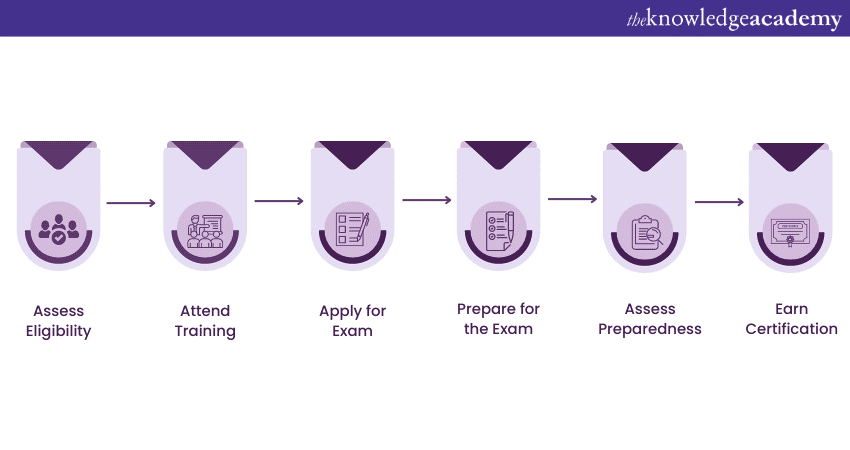
Advance your career in business analysis and explore a world of opportunity by joining our PMI Professional in Business Analysis PMI-PBA® Course today.
Principles of PMI-PBA
The PMI-PBA certification comprises a set of principles that assist professionals in their Business Analysis undertakings. Let’s take a look at the key principles of PMI-PBA:
Focus on business value
Delivering value to the organisation should be the driving force behind Business Analysis initiatives. When creating requirements that contribute to the overall value of the offer, it is crucial to comprehend and align with the business's strategic goals and objectives.
Stakeholder collaboration
For Business Analysis to be successful, stakeholders must collaborate and be involved. Stakeholders should be actively involved in the requirements management process to help ensure that their needs are recognised, their expectations are controlled, and their input is considered.
Requirements alignment
The needs of the stakeholders and the overall project objectives must be considered while determining the requirements. They must be measurable, traceable, and directly related to the project's goal to guarantee that the final solution meets the outlined business goals.
Requirements traceability
Establishing and maintaining traceability relationships between requirements, project deliverables, and business objectives is critical. This makes it possible to track changes and their effects, evaluate risks, and manage the project as a whole successfully.
Adaptability and agility
In Business Analysis, adopting an agile and adaptable mindset is essential. Quick changes, iterative development, and continual improvement are made possible by flexibility, openness to change, and responsiveness to changing business needs.

Prerequisites of PMI-PBA
Prerequisites for PMI-PBA certification:
a) Secondary degree: High school diploma or associate degree, with 60 months of work experience in Business Analysis along with 35 contact hours of education in Business Analysis.
b) Bachelor's degree or global equivalent, with 36 months of Business analysis experience along with 35 contact hours of education in Business Analysis.
Working methods for PMI-PBA certification:
a) Multimedia presentations
b) Group exercises and discussions
c) Practical workshops
d) Case studies
e) Practice tests
Gain a comprehensive understanding of Project Management, its tools and techniques by registering for PMP Training now!
Practices of PMI-PBA
The PMI-PBA certification encompasses a set of best practices professionals can follow to excel in Business Analysis. Here are some key practices covered in the PMI-PBA certification:
a) Business value focus: Aligning analysis activities with delivering value to the organisation.
b) Stakeholder collaboration: Actively engaging and collaborating with stakeholders throughout the requirement management process.
c) Requirements alignment: Ensuring requirements are aligned with project objectives and stakeholder needs.
d) Continuous requirements refinement: Regularly reviewing, validating, and refining requirements throughout the project lifecycle.
e) Requirements traceability: Establishing and maintaining traceability links between requirements, deliverables, and business objectives.
f) Data-driven decision making: Utilising data analysis techniques to support informed decision-making.
g) Adaptability and agility: Embracing an adaptive and agile mindset to accommodate changes and foster continuous improvement.
Become a certified Risk Management Professional. Register for PMI-RMP® Training now!
Tools and techniques
Tools and techniques you will learn while pursuing PMI-PBA:
a) Elicitation techniques: Gathering requirements using methods such as interviews, workshops, surveys, and observations.
b) Requirements documentation: Documenting requirements through use cases, user stories, process flows, and prototypes.
c) Data analysis and modelling: Analysing and modelling data using techniques like data mapping, validation, and entity-relationship diagrams.
d) Decision-making and prioritisation: Using tools like decision matrices and prioritisation techniques to make informed decisions.
e) Requirements traceability and management: Establishing traceability links and utilising configuration management tools for requirements.
f) Stakeholder analysis and communication: Analysing stakeholders and creating communication plans for effective engagement.
g) Agile and iterative approaches: Utilising agile techniques like user stories, backlog refinement, and iteration planning.
h) Risk analysis and management: Applying risk assessment tools such as risk registers and response plans for requirements.
i) Requirements validation and verification: Conducting reviews and inspections to validate and verify requirements.
j) Change control: Managing requirements changes through configuration management and impact analysis.
Not sure between PMI-PBA and PMP? Check out PMI-PBA vs PMP guide!
Conclusion
In conclusion, obtaining the PMI-PBA certification provides professionals with an enhanced skill set, industry recognition, and greater career advancement opportunities. Through Professional Training, you can gain the knowledge and expertise needed to demonstrate proficiency in business analysis, elevate your credibility, and open doors to exciting career prospects.
Frequently Asked Questions

David Evans


Certified Project Trainer and Agile Delivery Expert
David Evans brings over a decade of hands-on experience in project delivery, Agile transformation, and team leadership. With a background in technology and business consulting, David has led cross-functional teams through Agile and Waterfall projects in both public and private sectors. He combines technical knowledge with practical insights to help readers navigate the challenges of modern project environments.

Upcoming Project Management Resources Batches & Dates
Date
 PMP® Certification Training Course
PMP® Certification Training Course
Sat 21st Mar 2026, Sun 22nd Mar 2026
PMP® Certification Training Course
Mon 23rd Mar 2026
PMP® Certification Training Course
Mon 30th Mar 2026
PMP® Certification Training Course
Sat 4th Apr 2026, Sun 5th Apr 2026
PMP® Certification Training Course
Tue 7th Apr 2026
PMP® Certification Training Course
Mon 13th Apr 2026
PMP® Certification Training Course
Sat 18th Apr 2026, Sun 19th Apr 2026
PMP® Certification Training Course
Mon 20th Apr 2026
PMP® Certification Training Course
Mon 27th Apr 2026
PMP® Certification Training Course
Tue 5th May 2026
PMP® Certification Training Course
Sat 9th May 2026, Sun 10th May 2026
PMP® Certification Training Course
Mon 11th May 2026
PMP® Certification Training Course
Mon 18th May 2026
PMP® Certification Training Course
Sat 23rd May 2026, Sun 24th May 2026
PMP® Certification Training Course
Tue 26th May 2026
PMP® Certification Training Course
Mon 1st Jun 2026
PMP® Certification Training Course
Sat 6th Jun 2026, Sun 7th Jun 2026
PMP® Certification Training Course
Mon 8th Jun 2026
PMP® Certification Training Course
Mon 15th Jun 2026
PMP® Certification Training Course
Sat 20th Jun 2026, Sun 21st Jun 2026
PMP® Certification Training Course
Mon 22nd Jun 2026
PMP® Certification Training Course
Mon 29th Jun 2026
PMP® Certification Training Course
Sat 4th Jul 2026, Sun 5th Jul 2026
PMP® Certification Training Course
Mon 6th Jul 2026
PMP® Certification Training Course
Mon 13th Jul 2026
PMP® Certification Training Course
Sat 18th Jul 2026, Sun 19th Jul 2026
PMP® Certification Training Course
Mon 20th Jul 2026
PMP® Certification Training Course
Mon 27th Jul 2026
PMP® Certification Training Course
Sat 1st Aug 2026, Sun 2nd Aug 2026
PMP® Certification Training Course
Mon 3rd Aug 2026
PMP® Certification Training Course
Mon 10th Aug 2026
PMP® Certification Training Course
Mon 17th Aug 2026
PMP® Certification Training Course
Sat 22nd Aug 2026, Sun 23rd Aug 2026
PMP® Certification Training Course
Mon 24th Aug 2026
PMP® Certification Training Course
Tue 1st Sep 2026
PMP® Certification Training Course
Sat 5th Sep 2026, Sun 6th Sep 2026
PMP® Certification Training Course
Mon 7th Sep 2026
PMP® Certification Training Course
Mon 14th Sep 2026
PMP® Certification Training Course
Sat 19th Sep 2026, Sun 20th Sep 2026
PMP® Certification Training Course
Mon 21st Sep 2026
PMP® Certification Training Course
Mon 28th Sep 2026
PMP® Certification Training Course
Sat 3rd Oct 2026, Sun 4th Oct 2026
PMP® Certification Training Course
Mon 5th Oct 2026
PMP® Certification Training Course
Mon 12th Oct 2026
PMP® Certification Training Course
Sat 17th Oct 2026, Sun 18th Oct 2026
PMP® Certification Training Course
Mon 19th Oct 2026
PMP® Certification Training Course
Mon 26th Oct 2026
PMP® Certification Training Course
Mon 2nd Nov 2026
PMP® Certification Training Course
Sat 7th Nov 2026, Sun 8th Nov 2026
PMP® Certification Training Course
Mon 9th Nov 2026
PMP® Certification Training Course
Mon 16th Nov 2026
PMP® Certification Training Course
Sat 21st Nov 2026, Sun 22nd Nov 2026
PMP® Certification Training Course
Mon 23rd Nov 2026
PMP® Certification Training Course
Mon 30th Nov 2026
PMP® Certification Training Course
Mon 7th Dec 2026
PMP® Certification Training Course
Sat 12th Dec 2026, Sun 13th Dec 2026
PMP® Certification Training Course
Mon 14th Dec 2026
PMP® Certification Training Course
Mon 21st Dec 2026

 If you wish to make any changes to your course, please


