


 Top Rated Course

We may not have the course you’re looking for. If you enquire or give us a call on +40 316317743 and speak to our training experts, we may still be able to help with your training requirements.
14 Effective Public Relations Strategy
James Smith 20 February 2026Public Relations (PR) are about building strong connections and shaping how people view your brand. The right strategies can help you stand out and make an impact. Explore this blog to learn about effective Public Relations Strategy to make a lasting impact in the ever-evolving world of Public Relations. Let’s get started!

Training Outcomes Within Your Budget!
We ensure quality, budget-alignment, and timely delivery by our expert instructors.
Table of Contents

What makes a brand stand out? A solid Public Relations Strategy is key to building a strong image and lasting connections. PR isn’t just about press releases; it’s about creating the right message, reaching the right audience, and ensuring your brand stays relevant. Whether you’re introducing a new product, managing challenges, or fostering trust, having a clear plan is essential.
With the right strategy, you can communicate effectively, engage your audience, and leave a positive impression. Curious about how a Public Relations Strategy can drive success for your brand? Let’s explore the key elements that make PR truly impactful in this blog.
Table of Contents
1) What are Public Relations Strategies?
2) 14 Strategies for Effective Public Relations
a) Understanding Your Audience
b) Harnessing Research and Data
c) Leveraging the Power of the Internet
d) Cultivating Strategic Partnerships
e) Craft a Transparent Communication Strategy
f) Generate High-quality Press Materials
g) Foster Journalistic Relationships
h) Promoting Inclusivity
i) Understanding Your Competitive Landscape
j) Optimising Local Media Outlets
3) Conclusion
What are Public Relations Strategies?
Public Relations (PR) Strategies focus on how organisations communicate with the public, media, and stakeholders, aiming to shape perceptions of the brand.
Elements of PR Strategy
Key elements of a successful PR Strategy include:
a) Proactive Engagement: Building a consistent brand narrative rather than just managing crises.
b) Audience Understanding: Crafting messages that resonate with the audience’s needs and expectations.
c) Trend Awareness: Staying ahead of industry trends to remain relevant.
d) Transparency: Open and honest communication to build trust.
e) Monitoring Public Opinion: Keeping track of feedback and adjusting strategies accordingly.
f) Platform Use: Sharing messages across multiple channels for wider reach.
In short, effective PR is about fostering a positive, lasting connection with the audience while aligning with the organisation’s values.

14 Strategies for Effective Public Relations
An effective public Relations Strategy is crucial for any organisation looking to enhance its image, communicate with stakeholders, and navigate the complex media landscape. Here are the 14 strategies that can help you achieve PR success:

Understanding Your Audience
The best PR strategies work because they focus on a specific audience. Create content that connects with your audience in a meaningful way. It’s also important to know where to reach them. This could be in person at events or online through social media. Understanding your audience and where they spend time is key to building effective PR strategies.
Harnessing Research and Data
Start with thorough research and data to create effective strategies. Analyse past campaigns to see what worked and where to improve. For example, check how much your social media exposure grew and identify the most successful parts of your strategy. Focus on those strengths in your next campaign to increase impact. Using data-driven insights helps you connect better with your audience and achieve even greater results.
Discover the essentials of Search Engine Optimisation with our SEO Course. Join now!
Leveraging the Power of the Internet
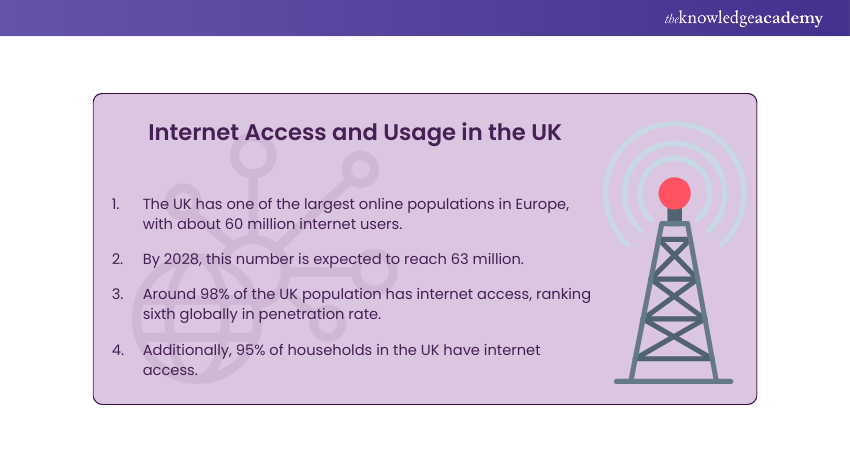
Brands often use social media to connect with their audience. It’s a common way for Public Relations Specialists to share information quickly and easily. On these platforms, they can post updates that followers can read and share.
Social media also helps companies handle issues in real-time by reaching out directly to customers. Many businesses use tools to track online conversations about their brand. This helps them spot problems and find ways to improve more quickly.
Cultivating Strategic Partnerships
Strategic partnerships mean teaming up with a similar company to boost brand awareness. You can also work with social media influencers or get a celebrity endorsement. These people have loyal audiences in specific niches, which can help you reach more people.
Collaborating with them not only expands your audience but also adds third-party credibility to your brand. It’s a great way to connect with potential customers and build trust through trusted voices.
Gain knowledge of how to implement an Integrated Marketing strategy with our Integrated Marketing Training!
Craft a Transparent Communication Strategy
Transparency is the cornerstone for establishing trust and credibility with your audience in Public Relations. Communicating openly and authentically can foster meaningful connections, mitigate risks, and uphold your brand's reputation. Crafting a transparent communication strategy involves:
a) Being honest and forthcoming in your messaging
b) Disclosing relevant information
c) Addressing concerns and questions openly
Generate High-quality Press Materials
High-quality press materials are essential for capturing the interest of Journalists and securing media coverage for your brand. Whether it's press releases, media kits, or multimedia content, your press materials should be well-written, visually appealing, and tailored to the interests of your target media outlets. Generating high-quality press materials involves:
a) Crafting compelling stories
b) Incorporating relevant data and visuals
c) Adhering to journalistic standards and best practices
Foster Journalistic Relationships
Establishing strong relationships with Journalists is essential for gaining media coverage and shaping perceptions of your brand. Through cultivating trust, mutual respect, and transparent communication, you position yourself as a dependable reservoir of information and perspectives for Journalists to rely on. Fostering journalistic relationships involves:
a) Cultivating connections
b) Understanding Journalists' interests and preferences
c) Providing them with timely and relevant story ideas and resources
Promoting inclusivity
Promoting inclusivity is a moral imperative and a strategic advantage in Public Relations. By incorporating diversity and inclusivity into your messaging and actions, you broaden your appeal to a wider audience while showcasing your dedication to social responsibility. Promoting inclusivity involves representing diverse perspectives, cultures, and experiences in your communications and actively supporting marginalised communities.
By fostering an inclusive environment, you can build trust, loyalty, and goodwill among your audience, driving long-term success and impact.
Learn to shape narratives and build relationships with our Introduction to Public Relations Course today!
Understanding your competitive landscape
Understanding your competitive landscape is essential for developing a strategic advantage in Public Relations. By analysing your competitors' strengths, weaknesses, and strategies, you can pinpoint opportunities for setting yourself apart and fostering innovation.
Understanding your competitive landscape involves conducting market research, monitoring industry trends, and benchmarking your performance against key competitors. By staying abreast of your competitors' actions and reactions, you can anticipate challenges, capitalise on market gaps, and position your brand for success.
Optimising local media outlets
Local media outlets provide valuable opportunities for reaching niche audiences and building grassroots support. By optimising your outreach efforts to local media outlets, you can generate publicity, enhance brand visibility, and connect with community stakeholders.
Optimising local media outlets involves tailoring your pitches and stories to resonate with local interests and values and building relationships with Journalists and Editors in your target markets. Leveraging local media outlets can amplify your PR efforts and strengthen your ties to the communities you serve.
Connect with Bloggers and Online Media
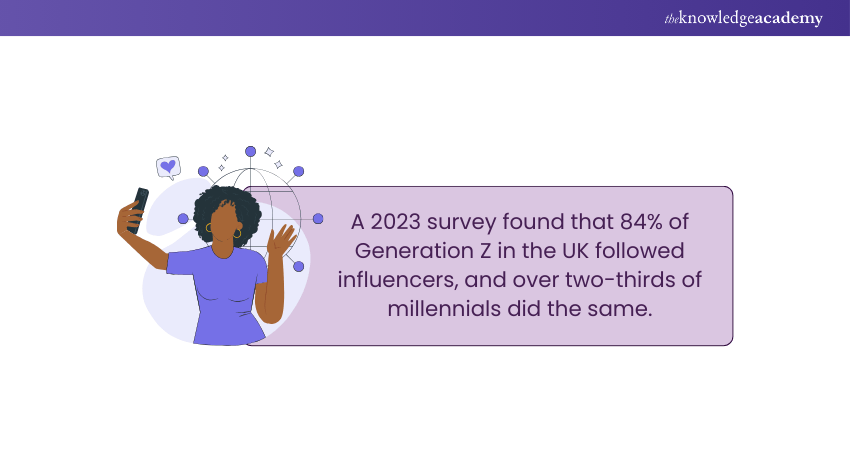
Working with popular bloggers and online media can help your business reach more people. Choose platforms with an audience that matches your target customers and is interested in your industry. Offer guest posts or articles that provide useful, relevant content.
Highlight how a partnership benefits both sides, like sharing insights or offering educational material. You can also suggest interviews to share your expertise. This builds trust, positions you as an authority, and connects you with a wider audience.
Monitor and Address Feedback
Keeping an eye on online discussions is key to managing your business's reputation. Use tools like Mention, Hootsuite, or Sprout Social to track mentions of your business and engage with comments. Thank people for positive feedback and encourage more interaction. For negative comments, respond quickly and with empathy.
Acknowledge the issue, offer a solution, and move the conversation to a private channel to resolve it. Timely responses show you care about customers and strengthen your Public Relations efforts.
Utilise Events for Impactful Outreach
Events are a great way to grab your audience’s attention and build real connections. Consider hosting workshops, webinars, product launches, contests, or charity events. Focus on creating valuable content, like presentations, guest speakers, or product demos, that align with your event’s goals. Don’t forget to capture photos, videos, and live updates. This content can be reused later to showcase your event’s success and boost your PR efforts.
Elevate your marketing prowess with our Marketing Courses – sign up today!
Measure Results
Measuring the success of your PR strategies is essential to make improvements and understand their impact. Here are some key metrics to track:
a) Media Coverage: Monitor the number and quality of mentions your campaign receives.
b) Website Traffic: Check if visits to your website increase during and after the campaign.
c) Brand Mentions: Track online conversations and mentions related to your campaign.
d) Sentiment Analysis: Assess whether the sentiment around your brand is positive, negative, or neutral.
e) Conversion Rates: Measure how many people took the desired action, like signing up or making a purchase.PR Managers also calculate ROI by comparing campaign costs to the value it generates, such as increased revenue or improved public perception.
Unlock the power of persuasive storytelling with our Content Marketing Course – sign up now!
Conclusion
We hope you read and understand this blog on "14 Public Relations Strategy". Effective Public Relations Strategies are vital for shaping a brand’s narrative and forging meaningful connections. Whether you're exploring How to Become a Public Relations Specialist or are already in the field, implementing these strategies can help organisations ensure their message resonates with their audience and build lasting relationships that stand the test of time.
Frequently Asked Questions
Why Does My Company Need a Public Relations Strategy?

A Public Relations Strategy is essential for managing your brand’s reputation, increasing awareness, and building trust with your audience. It helps navigate crises and ensures consistent, positive messaging across all platforms.
How Can a Public Relations Strategy Benefit My Brand in the Long Term?
A well-executed Public Relations Strategy can build a strong brand reputation, foster customer loyalty, and establish thought leadership. It helps in creating a narrative that resonates with your audience, ensuring sustained growth and a competitive edge.
What are the Other Resources and Offers Provided by The Knowledge Academy?
The Knowledge Academy takes global learning to new heights, offering over 3,000+ online courses across 490+ locations in 190+ countries. This expansive reach ensures accessibility and convenience for learners worldwide.
Alongside our diverse Online Course Catalogue, encompassing 19 major categories, we go the extra mile by providing a plethora of free educational Online Resources like Blogs, eBooks, Interview Questions and Videos. Tailoring learning experiences further, professionals can unlock greater value through a wide range of special discounts, seasonal deals, and Exclusive Offers.
What is The Knowledge Pass, and How Does it Work?
The Knowledge Academy’s Knowledge Pass, a prepaid voucher, adds another layer of flexibility, allowing course bookings over a 12-month period. Join us on a journey where education knows no bounds.
What are the Related Courses and Blogs Provided by The Knowledge Academy?
The Knowledge Academy offers various Marketing Courses, including Public Relations, Content Marketing and Email Marketing Courses. These courses cater to different skill levels, providing comprehensive insights into Digital Marketing.
Our Digital Marketing Blogs cover a range of topics related to Public Relations, offering valuable resources, best practices, and industry insights. Whether you are a beginner or looking to advance your Public Relations skills, The Knowledge Academy's diverse courses and informative blogs have you covered.

James Smith


Digital Marketing Manager and Trainer
James Smith is a digital marketing professional with over a decade of experience in SEO, content strategy, paid media and analytics. He has supported both SMEs and global brands in transforming their digital presence. James’s writing and training are rooted in results-driven tactics and the latest marketing trends.
View Detail
Upcoming Digital Marketing Resources Batches & Dates
Date
 Introduction to Public Relations
Introduction to Public Relations
Fri 7th Aug 2026
Introduction to Public Relations
Fri 9th Oct 2026

 If you wish to make any changes to your course, please


