


 Top Rated Course

We may not have the course you’re looking for. If you enquire or give us a call on +48 221041849 and speak to our training experts, we may still be able to help with your training requirements.
What are the 6 PRINCE2 Aspects?
Grace Mitchell 05 June 2026Ever wonder what are the fundamental aspects behind PRINCE2 that make it so popular? This blog will cover six such PRINCE2 Aspects and the steps to apply them. These aspects give a structured way to monitor and control project performance, helping organisations manage changes, stay aligned with objectives, and achieve successful outcomes.

Training Outcomes Within Your Budget!
We ensure quality, budget-alignment, and timely delivery by our expert instructors.
Table of Contents

Today, Projects IN Controlled Environments (PRINCE2) is a widely used Project Management methodology. Since its conception in 1989, the PRINCE2 methodology has been essential to the Project Management domain. It is a highly valued method for project execution, practised in over 150 countries.
Project Management methodologies are widely adopted across organisations to ensure consistency and control in project delivery. In this context, frameworks like PRINCE2 stand out for enabling structured and successful outcomes. Read this blog to explore the six PRINCE2 aspects and how they can help you complete a project successfully.
Table of Contents
1) The Six PRINCE2 Aspects
a) Project Scope
b) Costs
c) Timescales
d) Risk
e) Quality
f) Benefits
2) Conclusion
The Six PRINCE2 Aspects
Implementing PRINCE2 for your projects is a beneficial move for your project. One of the pros of using this methodology is its flexibility. It can be used in projects across industries, enabling you to tailor the framework according to projects’ needs.
PRINCE2 Qualification is highly regarded in Project Management as it adheres strictly to its six fundamental aspects, ensuring a structured and reliable approach. These aspects are crucial and can be monitored by Project Managers at every stage of a project. So, what are the six PRINCE2 Aspects? The PRINCE2 6 Aspects are as follows:

Project Scope
Project scope in PRINCE2 refers to building a structure to follow for project completion. It is easier to complete a project when the goals have been set, instructions to work are available, and deadlines are pre-determined alongside project deliverables. PRINCE2 Roles and Responsibilities include following the carefully crafted project scope ensures that work is correctly completed on time.
The project scope is printed on a document after finalising the structure, known as the project scope statement. It is essential to achieving proper planning as the project can go through multiple mishaps without a clear framework. By incorporating PRINCE2 Value Management, you can define the project scope effectively. Here are some of the steps to follow to define your PRINCE2 project scope:
a) Decide the Business Goals and Objectives: Defining your project's goals and objectives is vital in creating a project scope. The objectives refer to everything deliverable at the end of the project, like assets. PRINCE2 Project Manager Roles and Responsibilities include giving a detailed description of the goals, which can be measured after the completion of the project.
b) Specify the Project Demands: While deciding the business goals and objectives, it is essential to note your project requirements. Apart from deliverables and budget, the available resources are important factors.
c) Project Scope Statement: As mentioned before, the project scope statement carries the entire planning structure of the project. It will include all the aspects of your project, like the project intent, restrictions, deadlines, etc.
d) Change Control Process: A change process is a set of functions that stakeholders are put through before approving any change. When executing long and complex projects, the scope for a sudden change in plans is unavoidable. Such situations call for a change process.
Costs
Once project goals, objectives, and deliverables are set, the next step involves a detailed breakdown of the project's cost. It is essential to determine the overall cost of a project and stick to methods that will prevent the project from going over budget.
Project budgets in PRINCE2 document information regarding available funds, where they will be spent, and why. Following the project budget throughout the project can ensure teams stay within budget. It is also helpful in obtaining funds from stakeholders like investors and the government. A Project Manager must ensure the project is within the given budget.
Learn the basics of PRINCE2 fast and build strong foundations in project success with the PRINCE2® Foundation Training – Join now!
Timescales
The third aspect of PRINCE2 is timescales, the total amount of time within which the project must be completed. It provides members with a project timeline – a rough idea of the time allotted to certain tasks and stages, which helps them complete it on or before time. Completing projects on the decided timeline helps you save time and money.
Risk
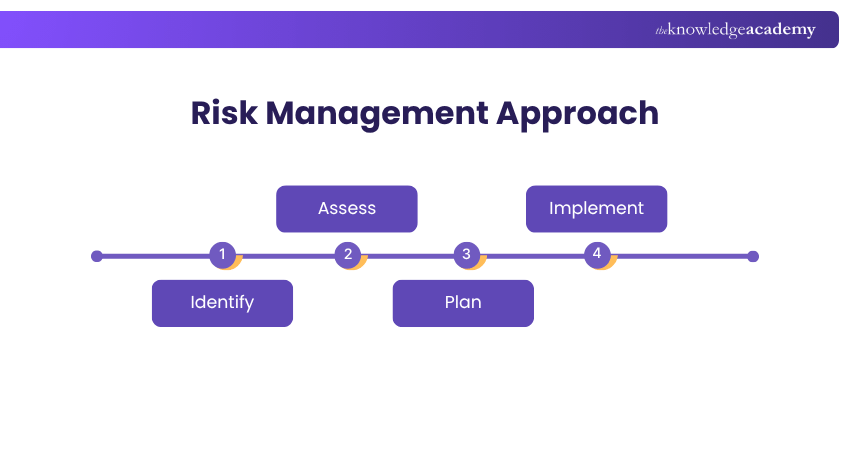
The aspect of risk exists in every type of process and project. High costs, inability to complete tasks in the allotted timeframe, and running out of resources are some of the most common risks that occur in projects. Practices of Risk Management in PRINCE2 can help mitigate the risks and ensure they do not harm the project's progress.
A risk management plan consists of four steps – identifying the risk, estimating the extent of its impact, finding solutions, and monitoring the risk assessment at regular intervals. A Strengths, Weaknesses, Opportunities, and Threats (SWOT) analysis is also a good risk identification method in PRINCE2.
Quality
Of all the PRINCE2 6 Aspects, quality is among the most important. It dictates the level of quality that must be reflected in every deliverable. Incorporating the Quality Theme in PRINCE2 ensures that the standard of each stage is maintained, paving the way for the perfect final result of the project.
The client determines the materials used in a project according to their quality requirements and standards. A Quality Management Plan plays a crucial role in ensuring these standards are met. It is a document that guides the Project Manager and team in maintaining quality across all project phases through quality assurance checks. While understanding the PRINCE2 Project Stages, this plan becomes even more valuable, as it outlines the steps to sustain quality throughout the project lifecycle. Project Management software can assist in creating the most effective quality management plans.
Blend Agile speed with PRINCE2 control and deliver faster with Agile project expertise by signing up for the PRINCE2 Agile® Foundation And Practitioner (Version 2) Training now!
Benefits
Benefits is the last PRINCE2 Aspect. It focuses on giving a clear justification for every detail of the project and how it will contribute to successful completion. The Project Manager records the financial and other benefits before starting the project and presents them to the stakeholders. This is done in the early stages of the project. One of the more effective ways of determining the PRINCE2 Benefits is using the Cost-Benefit Analysis (CBA) method.
PRINCE2 Programme Management is a method that compares and analyses the costs and benefits of a project to determine the most effective approach for conducting and managing it. It monitors various costs, including direct costs, indirect costs, and opportunity costs. Additionally, it evaluates both direct and indirect benefits, total benefits, and net benefits to ensure optimal project outcomes.
Get introduced to the PRINCE2 methodology and the basics of project management. Sign up for our PRINCE2® Foundation Training course now!
Conclusion
There are six PRINCE2 aspects, which Project Managers track at every stage of the project. While some of these aspects may seem similar to the seven principles of PRINCE2, they are distinct. We hope this blog has enhanced your understanding of PRINCE2 and its six aspects. If you're interested in how PRINCE2 compares with other Project Management methodologies, check out APM vs PRINCE2 to explore their key differences.
Turn knowledge into practical project success and lead complex projects with confidence by joining the PRINCE2® Practitioner Training now!
Frequently Asked Questions
Why are PRINCE2 Aspects Important in Project Management?

PRINCE2 Aspects are important as they provide a balanced framework for monitoring and controlling projects. By focusing on the aspects, they ensure projects stay aligned with business goals, deliver value, and enable proactive decision-making throughout the project lifecycle.
What is the Purpose of PRINCE2 Aspects?
The purpose of PRINCE2 Aspects is to provide a structured framework for controlling project performance. By defining scope, cost, time, quality, risk, and benefits, they establish clear authority, enable consistent monitoring, and ensure projects are delivered on time, within budget, and aligned with objectives.
What are the the Other Resources and Offers Provided by The Knowledge Academy?
The Knowledge Academy takes global learning to new heights, offering over 3,000+ online courses across 490+ locations in 190+ countries. This expansive reach ensures accessibility and convenience for learners worldwide.
Alongside our diverse Online Course Catalogue, encompassing 17 major categories, we go the extra mile by providing a plethora of free educational Online Resources like Blogs, eBooks, Interview Questions and Videos. Tailoring learning experiences further, professionals can unlock greater value through a wide range of special discounts, seasonal deals, and Exclusive Offers.
What is the Knowledge Pass, and How Does it Work?
The Knowledge Academy’s Knowledge Pass, a prepaid voucher, adds another layer of flexibility, allowing course bookings over a 12-month period. Join us on a journey where education knows no bounds.
What are the Related Courses and Blogs Provided by The Knowledge Academy?
The Knowledge Academy offers various PRINCE2® Training, including the PRINCE2® Foundation & Practitioner Training, PRINCE2 Agile® Foundation and Practitioner (Version 2) Training, and PRINCE2® Foundation Training. These courses cater to different skill levels, providing comprehensive insights into What are PRINCE2 Principles.
Our Project Management Blogs cover a range of topics related to PRINCE2 Aspects, offering valuable resources, best practices, and industry insights. Whether you are a beginner or looking to advance your Project Management skills, The Knowledge Academy's diverse courses and informative blogs have got you covered.

Grace Mitchell


Senior Project Management Consultant and Author
Grace Mitchell is a highly experienced project management professional with over 15 years of expertise in leading large-scale projects across industries, including construction, IT, and finance. With qualifications in PRINCE2®, PMP®, AgilePM®, and MSP®, Grace specialises in delivering complex programmes with precision and clarity. Her writing is grounded in real-world application and focuses on helping learners build confidence in project delivery and stakeholder management.
View Detail
Upcoming Project Management Resources Batches & Dates
Date
 PRINCE2® Foundation & Practitioner Training Course
PRINCE2® Foundation & Practitioner Training Course
Mon 29th Jun 2026
PRINCE2® Foundation & Practitioner Training Course
Mon 6th Jul 2026
PRINCE2® Foundation & Practitioner Training Course
Sat 11th Jul 2026, Sun 12th Jul 2026
PRINCE2® Foundation & Practitioner Training Course
Mon 13th Jul 2026
PRINCE2® Foundation & Practitioner Training Course
Mon 20th Jul 2026
PRINCE2® Foundation & Practitioner Training Course
Mon 27th Jul 2026
PRINCE2® Foundation & Practitioner Training Course
Mon 3rd Aug 2026
PRINCE2® Foundation & Practitioner Training Course
Mon 10th Aug 2026
PRINCE2® Foundation & Practitioner Training Course
Mon 17th Aug 2026
PRINCE2® Foundation & Practitioner Training Course
Sat 22nd Aug 2026, Sun 23rd Aug 2026
PRINCE2® Foundation & Practitioner Training Course
Mon 24th Aug 2026
PRINCE2® Foundation & Practitioner Training Course
Tue 1st Sep 2026
PRINCE2® Foundation & Practitioner Training Course
Mon 7th Sep 2026
PRINCE2® Foundation & Practitioner Training Course
Sat 12th Sep 2026, Sun 13th Sep 2026
PRINCE2® Foundation & Practitioner Training Course
Mon 14th Sep 2026
PRINCE2® Foundation & Practitioner Training Course
Mon 21st Sep 2026
PRINCE2® Foundation & Practitioner Training Course
Mon 28th Sep 2026
PRINCE2® Foundation & Practitioner Training Course
Mon 5th Oct 2026
PRINCE2® Foundation & Practitioner Training Course
Mon 12th Oct 2026
PRINCE2® Foundation & Practitioner Training Course
Sat 17th Oct 2026, Sun 18th Oct 2026
PRINCE2® Foundation & Practitioner Training Course
Mon 19th Oct 2026
PRINCE2® Foundation & Practitioner Training Course
Mon 26th Oct 2026
PRINCE2® Foundation & Practitioner Training Course
Mon 2nd Nov 2026
PRINCE2® Foundation & Practitioner Training Course
Mon 9th Nov 2026
PRINCE2® Foundation & Practitioner Training Course
Sat 14th Nov 2026, Sun 15th Nov 2026
PRINCE2® Foundation & Practitioner Training Course
Mon 16th Nov 2026
PRINCE2® Foundation & Practitioner Training Course
Mon 23rd Nov 2026
PRINCE2® Foundation & Practitioner Training Course
Mon 30th Nov 2026
PRINCE2® Foundation & Practitioner Training Course
Sat 5th Dec 2026, Sun 6th Dec 2026
PRINCE2® Foundation & Practitioner Training Course
Mon 7th Dec 2026
PRINCE2® Foundation & Practitioner Training Course
Mon 14th Dec 2026
PRINCE2® Foundation & Practitioner Training Course
Mon 21st Dec 2026

 If you wish to make any changes to your course, please


