


 Top Rated Course

We may not have the course you’re looking for. If you enquire or give us a call on +48 221041849 and speak to our training experts, we may still be able to help with your training requirements.
How to Become a Personal Development Coach?
Charlotte Wilson 24 November 2025A Personal Development Coach guides people towards improving their lives by helping them identify goals, overcome obstacles and develop new skills. To pursue this path, start by improving your communication and leadership skills. Gain relevant certifications and build coaching experience. Keep learning and growing.

Training Outcomes Within Your Budget!
We ensure quality, budget-alignment, and timely delivery by our expert instructors.
Table of Contents
Imagine a world where motivation and inspiration are always contagious! What if your knack for motivation could spark real change in someone’s life? Becoming a Personal Development Coach is your chance to do just that. This fulfilling career lets you guide people through life’s various challenges, boost their confidence and support their personal and professional growth. This blog explores the steps to transform your drive for self-improvement into a rewarding coaching career. So read on and help others rewrite their stories and achieve once-unreachable goals!
Table of Contents
1) Who is a Personal Development Coach?
2) Steps to Become a Personal Development Coach
3) What Does a Personal Development Coach do?
4) What are the Benefits of Personal Development Coaching?
5) How Much Money Does a Personal Development Coach Make?
6) What Problems do Personal Development Coach Help With?
7) What Skills do Personal Development Coaches Need?
8) Conclusion
Who is a Personal Development Coach?
Becoming a Personal Development Coach is a rewarding journey that mixes your love for self-growth with the goal of helping others. As a coach, you can guide people to reach their goals and become their best selves. What you do daily can change depending on your client's needs and wants to achieve.
Here are some key areas a Personal Development Coach focuses on:
1) Goal Setting: They help clients define and set achievable goals.
2) Self-awareness: They assist clients in understanding their strengths, weaknesses, and values.
3) Skill Development: They guide clients on improving skills like communication, Time Management, and leadership.
4) Motivation: They encourage clients to stay motivated and committed to their personal growth journey.
5) Overcoming Challenges: They support clients in identifying and overcoming barriers to success.
Steps to Become a Personal Development Coach
Becoming a Personal Development Coach is a complex process that involves many steps, from developing the skills and qualities to expanding your network and nurturing client relationships. Let's take a look at them below:
Step 1: Developing the Required Skills and Qualities
a) You should start by improving your communication, empathy, and active listening skills.
b) These are crucial for understanding your client's needs and guiding them effectively.
c) Building confidence and resilience will help you support others in their growth journey.
Step 2: Gaining Relevant Education and Training
a) While formal education isn't mandatory, pursuing courses in coaching or psychology can be very useful.
b) These programmes provide foundational knowledge and techniques to assist clients better.
c) Choose the training that aligns best with your coaching niche.
d) Additionally, you can gain practical experience by coaching your clients and seeking feedback on your coaching skills.
Step 3: Acquiring Practical Experience
a) Begin by offering free or low-cost sessions to friends or volunteers.
b) This hands-on experience can go a long way to refine your coaching methods and build confidence.
c) Collect feedback to improve and prepare for paying clients.
d) You can join coaching practice groups where coaches come together to practice their skills.
e) Another way is creating case studies or participating in coaching simulations to simulate real-life coaching scenarios.
Step 4: Building a Coaching Practice
a) Building a coaching practice will enable you to deliver the Benefits of Coaching to individuals seeking growth.
b) Establish your coaching business by defining your niche and target audience.
c) You must create structured programmes or packages that address specific client needs.
d) Make sure your services are clear and results-driven.
e) Don't forget to set realistic goals that can be measured and tracked.
Transform challenges into triumphs with the power of coaching! Sign up for our Coaching Skills Training now!
Step 5: Establishing an Online Presence
a) Develop a simple website or landing page that showcases your services and testimonials.
b) Harness all the advantages of social media platforms for sharing valuable content.
c) Make sure the content regularly engages with potential clients and builds credibility in your niche.
d) You can share your expertise through regular blog posts or podcast episodes.
e) Additionally, you can build an email list by sending valuable content and regular newsletters.
Step 6: Expanding Your Network and Collaborations
a) Connect with other coaches, attend workshops, and join relevant online communities.
b) The right collaborations can lead to referrals and broaden your reach beyond anything you've experienced before.
c) Networking also provides opportunities for learning and growth.
d) Collaborate with therapists or experts in other categories in related fields.
Step 7: Creating Personal Development Programmes
a) Design structured programmes that guide clients through their growth journey.
b) These must include goal-setting, actionable steps and regular check-ins to track progress.
Offer resources such as worksheets, exercises, or reading materials to support clients' personal growth.
Share wisdom, illuminate paths, and transform lives with our Mentoring Training – Register now!
Step 8: Nurturing Client Relationships
a) Build trust by being consistent, reliable, and empathetic.
b) To promote a strong coach-client relationship, regularly check in with your clients and celebrate their successes.
c) Don't forget to maintain confidentiality and adjust your coaching strategies in case of any change.
Step 9: Ensuring Continued Professional Development
a) Stay updated with the latest Life Coaching Trends and research. This is the only way to keep your coaching methods relevant.
b) Regularly engage in learning through books, podcasts, webinars and workshops.
c) Consider advanced certifications and credentials to build more profound expertise.
d) You must commit to a lifelong learning process to improve your skills and keep your credibility as a coach boosted.
Step 10: Overcoming Challenges and Self-doubt
a) Becoming a Personal Development Coach comes with challenges such as self-doubt, impostor syndrome and setbacks.
b) To stay balanced, you must build resilience and adopt regular self-care practices.
c) Seek support from your peers and multiple mentors to stay motivated and overcome difficulties.
d) A mentor can provide valuable guidance and insights throughout your journey.
e) Embrace personal growth as a continuous process, and you must view every challenge as an opportunity to learn and grow.
Step 11: Finding Success as a Personal Development Coach
a) Success as a Personal Development Coach looks different for everyone.
b) It includes personal fulfilment, helping clients grow and achieving financial stability.
c) Always prioritise your clients’ progress and positive outcomes.
d) Keep improving your coaching skills through learning and practice.
e) Stay flexible and learn to adapt to changes in the personal development field.
What Does a Personal Development Coach do?
Personal Development Coaches may focus on areas such as communication, confidence building, or work-life balance, or they may help clients with broader personal growth goals. They meet with clients regularly to explore their aspirations and tackle life’s challenges in a structured, supportive way.
Coaches help individuals reframe problems, organise their lives more effectively, and identify the changes they want to make. Based on these conversations, the coach helps clients envision their ideal future and co-create a step-by-step plan, combining short-term goals with long-term strategies.
A coach’s role is to support and encourage—not to provide direct answers. Instead, they guide the client’s thinking, helping them build the confidence, self-awareness, and skills needed to make empowered decisions going forward.
The art of being assertive and nurturing self-esteem is in your hands! Sign up for our Personal Development Courses and maximise your potential!
What are the Benefits of Personal Development Coaching?
As mentioned earlier, Personal Development Coaching helps people grow in many areas. Because of this, it can bring lots of benefits. As a Personal Development Coach, you help improve your client’s thinking, which is why you’re sometimes called a mindset coach.
With good coaching, you can help clients:
1) Build more self-confidence
2) Improve how they communicate
3) Break free from limiting beliefs
4) Become more resilient and flexible
5) Feel better overall in life
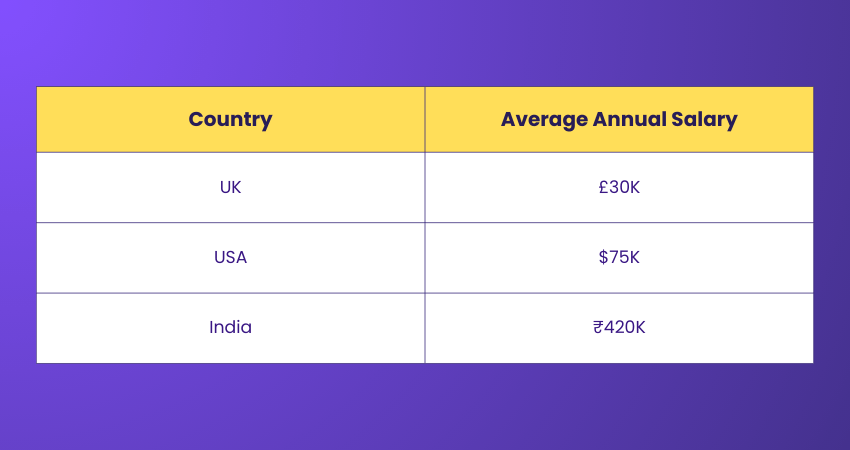
How Much Money Does a Personal Development Coach Make?
What Problems do Personal Development Coach Help With?
As a Personal Development Coach, the issues you help with shape your daily work. You may support clients in the following areas:
1) Health & Wellness: Guide clients to build routines that support better sleep, healthy eating, and regular exercise.
2) Relationships: Help clients become more present and thoughtful in their interactions with family, friends, and coworkers.
3) Career & Work-life: Help clients plan careers, switch jobs, boost productivity, and improve their professional image.
4) Communication: Teach clients to listen well, express themselves clearly, and use positive body language.
5) Parenting: Advise parents on sharing responsibilities and using effective discipline strategies.
6) Creativity: Inspire clients to explore creative talents or help artists overcome creative blocks.
7) Purpose & Fulfilment: Assist clients in finding more meaningful career paths when they feel stuck or uninspired.
What Skills do Personal Development Coaches Need?
While the issues you address may differ, specific key skills are required for Personal Development Coaching:
1) Leadership: By setting a positive example and offering honest guidance, you earn trust and motivate clients to grow.
2) Communication: Strong listening and clear speaking help you understand client needs and guide them effectively.
3) Problem-solving: Quick thinking and creativity help you offer useful strategies that give clients clarity and direction.
4) Networking: Building professional relationships helps you attract and retain clients and strengthens your presence in the field.
Conclusion
Becoming a Personal Development Coach is a powerful way to inspire change in yourself and others. With the right skills, mindset, and dedication, you can build a meaningful and rewarding career. It's about staying curious, learning, and leading with purpose because helping others grow is one of the most fulfilling journeys you’ll ever take.
Want to empower minds, guide visions and shape the future? Our Coaching and Mentoring Training will lead the way - Sign up now!
Frequently Asked Questions
Do You Need a Personal Development Coaching Certification?

Some areas, like health or mental health, may need certifications, but most Personal Development Coaches don’t need one. Coaching is mostly unregulated, so getting certified is up to you and your chosen niche. Still, having hands-on experience and a solid methodology can be very helpful.
Is There a Demand for Personal Development Coaches?
Yes, there is a growing demand for Personal Development Coaches globally. This is primarily thanks to the increased awareness of self-improvement, mental health and professional growth across every industry.
What are the Other Resources and Offers Provided by The Knowledge Academy?
The Knowledge Academy takes global learning to new heights, offering over 3,000 online courses across 490+ locations in 190+ countries. This expansive reach ensures accessibility and convenience for learners worldwide.
Alongside our diverse Online Course Catalogue, encompassing 19 major categories, we go the extra mile by providing a plethora of free educational Online Resources like Blogs, eBooks, Interview Questions and Videos. Tailoring learning experiences further, professionals can unlock greater value through a wide range of special discounts, seasonal deals, and Exclusive Offers.
What is The Knowledge Pass, and How Does it Work?
The Knowledge Academy’s Knowledge Pass, a prepaid voucher, adds another layer of flexibility, allowing course bookings over a 12-month period. Join us on a journey where education knows no bounds.
What are the Related Courses and Blogs Provided by The Knowledge Academy?
The Knowledge Academy offers various Train the Trainer Courses, including the Coaching Skills Training and the Mentoring Training. These courses cater to different skill levels, providing comprehensive insights into What is a Business Mentor.
Our Business Skills Blogs cover a range of topics related to Personal Development Coaching, offering valuable resources, best practices, and industry insights. Whether you are a beginner or looking to advance your Coaching skills, The Knowledge Academy's diverse courses and informative blogs have got you covered.

Charlotte Wilson


Soft Skills and Business Training Manager
Charlotte Wilson is an expert in soft skills development, with over 14 years of experience helping individuals and teams improve communication, productivity and emotional intelligence in the workplace. Her training content is focused on enhancing interpersonal effectiveness and fostering positive, collaborative environments across all levels of an organisation.
View Detail
Upcoming Business Skills Resources Batches & Dates
Date
 Train the Trainer
Train the Trainer
Fri 17th Apr 2026
Train the Trainer
Fri 15th May 2026
Train the Trainer
Fri 5th Jun 2026
Train the Trainer
Fri 10th Jul 2026
Train the Trainer
Fri 7th Aug 2026
Train the Trainer
Fri 11th Sep 2026
Train the Trainer
Fri 9th Oct 2026
Train the Trainer
Fri 6th Nov 2026
Train the Trainer
Fri 11th Dec 2026

 If you wish to make any changes to your course, please


