


 Top Rated Course

We may not have the course you’re looking for. If you enquire or give us a call on +64 98874342 and speak to our training experts, we may still be able to help with your training requirements.
What is an Agile Coach? Everything You Need to Know
The Knowledge Academy 13 July 2026An Agile Coach mentors teams and organisations to adopt Agile practices, improve efficiency, and build a mindset that drives continuous improvement and growth. They guide teams in applying Agile frameworks effectively and encourage collaboration. This support helps organisations deliver value faster and adapt to change.

Training Outcomes Within Your Budget!
We ensure quality, budget-alignment, and timely delivery by our expert instructors.
Table of Contents

Have you ever worked in a team that put in the effort yet still missed deadlines? Or sat in meetings full of ideas but no clear direction? That is when people start asking What is an Agile Coach and how they make work feel organised, energised, and enjoyable. Agile Coaches help reduce chaos, improve teamwork, and guide organisations to adapt with confidence instead of stress.
In this blog, you will explore What is an Agile Coach, what they do, their key responsibilities, and how to become one. Also, the salary insights, performance measures, who can pursue this role, and what to consider when hiring. This blog shows how Agile Coaching improves teamwork and outcomes.
Table of Contents
1) What is an Agile Coach?
2) What are the Roles and Responsibilities in Agile Coaching?
3) How to Become an Agile Coach in Five Simple Steps?
4) Salary of Agile Coaching Professionals
5) How do you Measure an Agile Coach's Performance?
6) Who Can Become an Agile Coach?
7) What to Look for When Hiring an Agile Coach?
8) Conclusion
What is an Agile Coach?
Agile Methodology enables faster, better and more cost-effective product delivery, but its success depends heavily on the Agile Coach. Acting as a mentor, facilitator and servant leader, they guide teams and leaders to adopt Agile Principles effectively and align work with collaboration and continuous improvement.
Agile Coaches support organisations at different levels. They may coach multiple teams, facilitate Agile ceremonies in roles like Scrum Master, or drive enterprise-wide cultural change with leadership. Whether internal or external, they must master frameworks such as Scrum, Kanban and SAFe, while building long-term team capability. The ACI Framework defines the core competencies required for excelling in this role.

What are the Roles and Responsibilities in Agile Coaching?
Agile Coaches are vital in helping organisations shift to Agile ways of working. They guide teams and leaders in embracing Agile values, improving collaboration and boosting productivity. By shaping the right mindset and supporting strategic planning, they build self-organising, high-performing teams. Knowing What is an Agile Coach shows how impactful this role truly is.
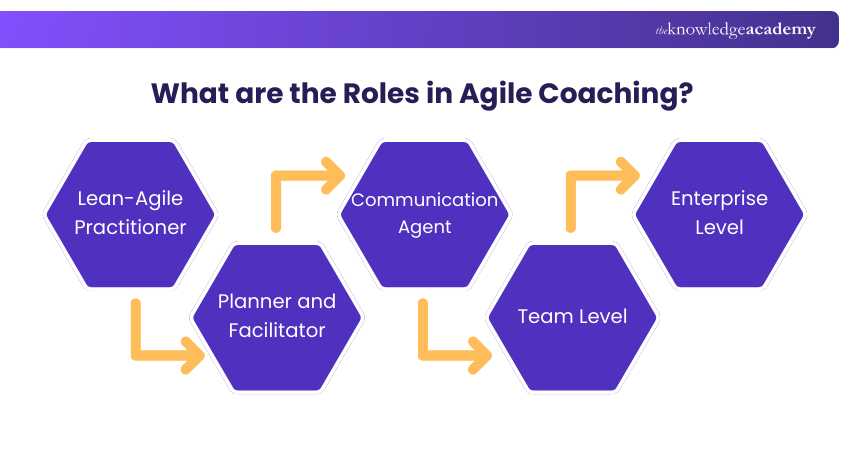
Lean-Agile Practitioner
An Agile Coach serves as a Lean-Agile authority, helping teams internalise Agile Principles and practices. They foster a culture of continuous improvement, guide the adoption of frameworks like Scrum and Kanban, and focus on value-driven delivery. Their aim is to minimise waste and help teams respond flexibly and quickly to changing needs.
Planner and Facilitator
Agile Coaches step in as planners and facilitators, designing and leading critical Agile events such as sprint planning, daily stand-ups, reviews, and retrospectives. They help define clear objectives, align priorities, and ensure that planning remains adaptive and inclusive. They also actively remove impediments that block team progress and flow.
Communication Agent
At the heart of Agile Coaching is effective communication. Coaches build bridges between team members, Stakeholders, and leaders, promoting open dialogue and shared understanding. They foster constructive feedback, help resolve tensions, and cultivate trust and transparency. Through this, they strengthen collaboration and collective ownership of outcomes.
Team Level
An Agile Coach collaborates with the development teams on the team level to assist them in implementing Agile principles and practices. The coach leads teams to enhance teamwork, communication, and workflow processes and eliminates barriers that impact productivity. They also coach team members to help them keep on improving on their performance and giving more value to customers.
Enterprise Level
An Agile Coach at the enterprise level concentrates on realizing Agile practices within the whole organisation. They work with the top leaders and stakeholders to align business objectives with Agile strategies and enhance communications across departments and facilitate Agile transformations when these factors are large-scale. They also have a responsibility to instil an Agile culture and lead constant improvement within the organisation.
Align architecture with business goals and enterprise strategy with our SAFe® for Architects Training – Join now!
How to Become an Agile Coach in Five Simple Steps?
Becoming an Agile Coach involves guiding teams through change using Agile principles. It’s a rewarding role that combines technical expertise, people skills, and deep knowledge of Agile frameworks. Here are five practical steps to help you get started.
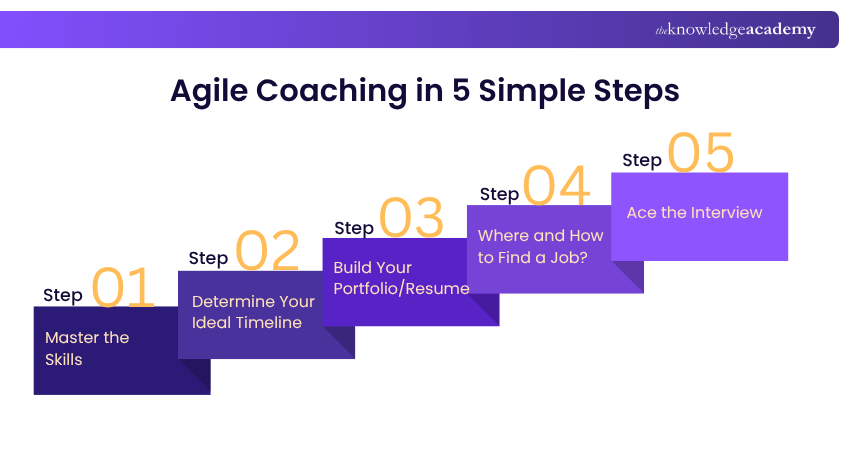
Step 1: Master the Skills
Start by gaining a solid understanding of Agile frameworks like Scrum, Kanban, or SAFe. But it’s not just about theory. You’ll also need strong communication, coaching, facilitation, and Leadership Skills. Learn to support teams through change, help them collaborate effectively, and solve problems using Agile thinking.
Step 2: Determine Your Ideal Timeline
Everyone’s path is different. Some move into Agile Coaching after years of being Scrum Masters, while others transition from Project Management or Software Development roles. Set realistic goals for when you want to become a coach, factoring in time for training, certification, and hands-on experience.
Step 3: Build Your Portfolio/Resume
Showcase your achievements in leading Agile teams or delivering Agile projects. Include measurable outcomes, such as improved delivery speed or team productivity. You could also highlight certifications like Scrum Master, Product Owner, or Agile Coaching credentials to support your credibility.
Step 4: Where and How to Find a Job?
Look for Agile Coaching roles on professional job boards, networking sites like LinkedIn, or via Agile communities and meetups. Start with organisations that are new to Agile or scaling up. They’re often looking for guidance. Contract and freelance roles can also offer valuable experience early on.
Step 5: Ace the Interview
Agile Coach interviews focus on your practical knowledge, communication style, and ability to lead teams through transformation. Be ready to share real examples of Agile in action, how you've handled resistance, improved team practices, or supported leadership in embracing Agile values.
Gain a clear understanding of core Agile principles and practices with our Agile Overview Training – Join now!
Salary of Agile Coaching Professionals
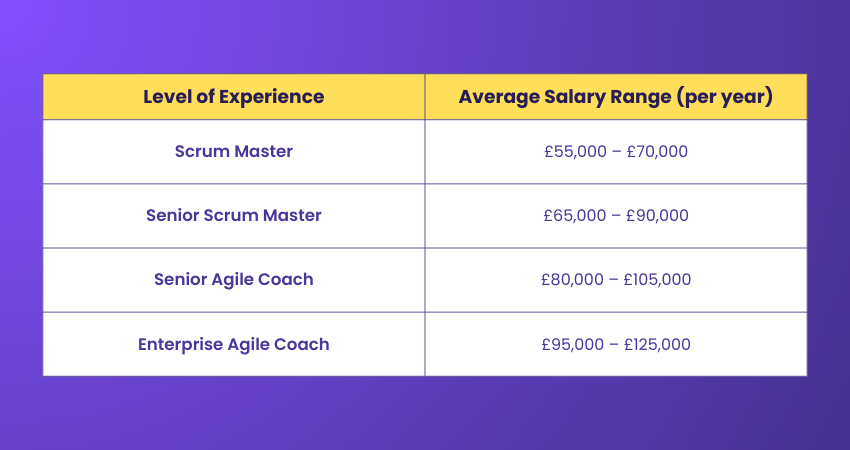
Experienced and certified professionals are often compensated at a higher rate compared to beginners, reflecting their skills and knowledge. Here's a breakdown of how salaries for Agile Coaches may vary based on their level of experience:
Level of Experience
Agile Coach salaries vary significantly based on experience, with entry level professionals earning modest starting pay and seasoned coaches commanding much higher packages. As expertise grows, so does the value they bring to organisations.
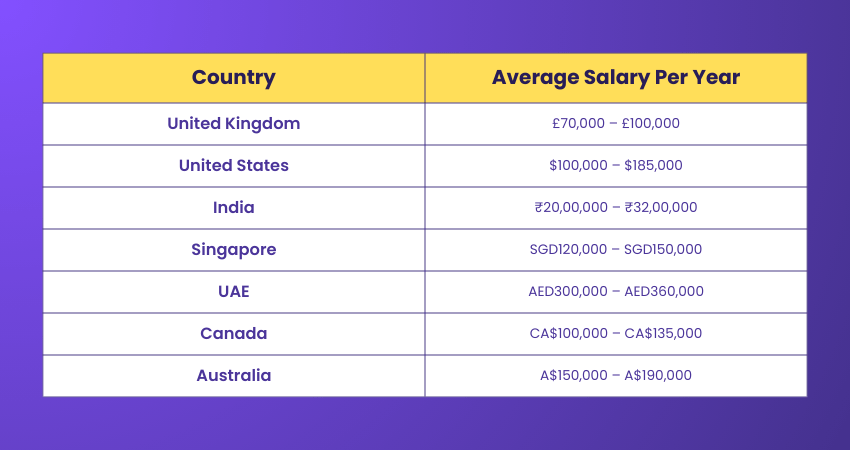
Salaries Across Countries
A nation’s economic conditions can profoundly change salaries for the same job. The list below provides a rough estimate of Agile Coach Salaries across various countries, based on general market trends and cost of living:
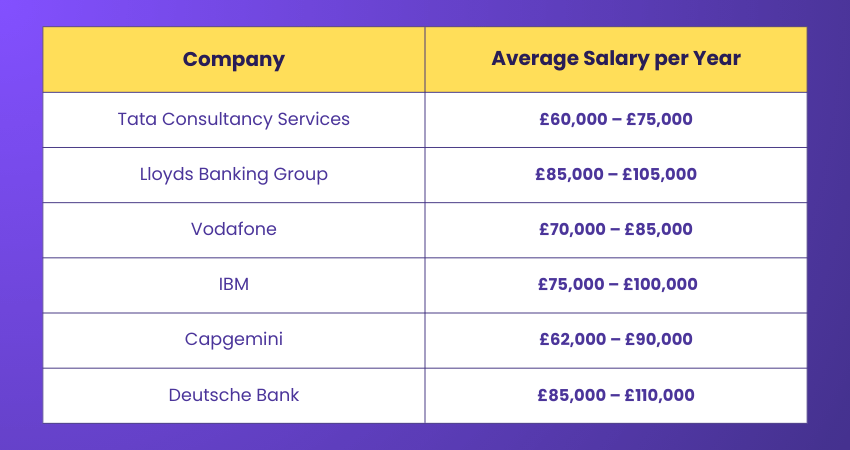
Based on Companies
The salary of an Agile professional can also vary from organisation to organisation because of the highly competitive market. Some of the top-tier industries that offer high salaries to Agile Professionals are:
How do you Measure an Agile Coach's Performance?
Measuring the performance of an Agile Coach can be challenging because much of their work happens behind the scenes, and the results often emerge over time. Still, several clear indicators can help assess their impact:
1) Enhanced Team Productivity:
A key sign of effective coaching is stronger team output. Tracking metrics such as velocity, lead time, cycle time, and product quality can reveal how well the coach is helping teams work more efficiently.
2) Better Customer Value Delivery:
Since Agile focuses on delivering customer value, an Agile Coach should help teams produce better, more reliable outcomes. Improvements in customer feedback, product usability, or service ratings reflect the coach’s influence.
3) Higher Team Engagement and Morale:
Positive team culture is another marker of success. When morale improves, collaboration increases, and team members feel more supported and motivated, it shows the coach is successfully guiding healthier, more empowered ways of working.
Get hands-on Agile for Teams Training led by experienced industry professionals. Join our Agile for Teams Training now!
Who Can Become an Agile Coach?
Anyone passionate about helping others learn and adopt the Agile Methodology can become an Agile Coach. Candidates do not need to possess any specific degree to practice Agile across organisations.
You only need to complete your graduation degree or diploma to start in the field as a fresher. If you're already a Project Manager and exploring a new direction, understanding who is an Agile Coach? This is a great first step. However, gaining an Agile certification is essential.
What to Look for When Hiring an Agile Coach?
If you want to hire an Agile Coach, you need to be careful. Not all Agile Coaches are qualified or experienced, and some certifications are easy to get without any training or assessment. To truly understand who is an Agile Coach?, look for an Expert Certification, a prestigious and rigorous program that verifies an Agile Coach’s skills and competencies.
Conclusion
In essence understanding What is an Agile Coach helps organisations see how powerful the right guidance can be. Agile Coaches inspire teams to collaborate better, adapt faster and deliver meaningful value. Whether you plan to become one or hire one, embracing Agile Coaching builds stronger teams, smarter workflows and long-term success in a constantly changing world.
Learn to lead Agile change initiatives with confidence across any organisation. Join our Agile Change Agent Training now!
Frequently Asked Questions
What is an Agile Coach vs a Scrum Master?

An Agile Coach is typically a seasoned Scrum Master who has gained advanced training and broader expertise. While a Scrum Master supports and guides a single team, an Agile Coach focuses on enhancing agility across the entire organisation.
What Qualifications Does an Agile Coach Need?
Becoming an Agile Coach requires a strong grasp of Agile principles and hands-on experience working with Agile teams. Along with solid communication skills, an Agile Coach must be adaptable, able to respond to changing situations and use their expertise to guide teams through challenges and improve the way they work.

The Knowledge Academy


Global Training Provider
The Knowledge Academy is a world-leading provider of professional training courses, offering globally recognised qualifications across a wide range of subjects. With expert trainers, up-to-date course material, and flexible learning options, we aim to empower professionals and organisations to achieve their goals through continuous learning.


 If you wish to make any changes to your course, please


