


 Top Rated Course

We may not have the course you’re looking for. If you enquire or give us a call on +31 208081674 and speak to our training experts, we may still be able to help with your training requirements.
Who Needs to Appoint a Data Protection Officer?
The Knowledge Academy 24 April 2026Who Needs to Appoint a Data Protection Officer: public authorities or organisations processing sensitive data or monitoring individuals on a large scale. This requirement applies under the GDPR to ensure compliance with data protection laws. The DPO serves as the contact between the organisation, data subjects, and authorities.

Training Outcomes Within Your Budget!
We ensure quality, budget-alignment, and timely delivery by our expert instructors.
Table of Contents
Wondering if your organisation needs a Data Protection Officer (DPO)? With data privacy rules getting stricter, it’s a question more businesses are asking. A DPO plays a crucial role in ensuring your company's compliance, mitigating data risks, and fostering trust with your customers.
In this blog, we’ll break down Who needs to appoint a Data Protection Officer, what they do, and why their role is so important. If you’re handling personal data, understanding the value of a DPO could be crucial for staying on the right side of the law.
Table of Contents
1) Who are Data Protection Officers?
2) Organisations Required to Appoint a Data Protection Officer
3) Qualities of an Ideal Data Protection Officer
4) Organisational Responsibilities Toward Their Data Protection Officer
5) Is a Data Protection Officer Required to Have Specific Qualifications?
6) Conclusion
Who are Data Protection Officers?
A Data Protection Officer (DPO) is appointed by certain organisations, particularly public bodies, those processing sensitive data, or conducting large-scale monitoring, to ensure compliance with data protection laws such as GDPR. Even when not legally required, organisations may appoint a DPO to improve privacy practices and accountability.
DPOs guide organisations on data protection, monitor compliance, and act as the main point of contact for individuals and regulators. They also advise on and oversee Data Protection Impact Assessments (DPIAs), promote awareness, conduct audits, and work closely with supervisory authorities.

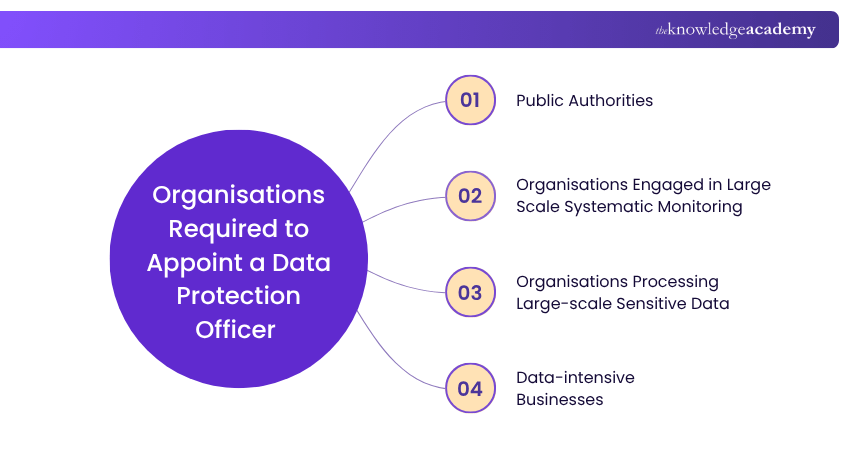
Organisations Required to Appoint a Data Protection Officer
Under the GDPR and UK Data Protection Act 2018, certain organisations must appoint a Data Protection Officer (DPO) to ensure compliance with data protection laws. Below are the types of organisations required to appoint a DPO based on their activities.
Public Authorities
Under the GDPR and UK Data Protection Act 2018, most UK public authorities, except parish councils, must appoint a Data Protection Officer (DPO). This applies to government departments, local councils, and other public bodies handling personal data. DPOs guide compliance with data policies, support data access and FOI requests, and help build public confidence in how data is managed.
Large-scale Systematic Monitoring
Organisations that regularly and systematically monitor individuals on a large scale, such as through cookies, CCTV, or tracking tools, must appoint a DPO. This includes cases like retail websites analysing customer behaviour for targeted ads. DPOs ensure lawful data handling, assess and manage data protection risks, and oversee DPIAs to maintain compliance.
Large-scale Sensitive Data Processing
Organisations processing sensitive data such as health information, ethnicity, religion, or criminal records on a large scale must have a DPO. Common in healthcare and justice sectors, DPOs ensure strict legal safeguards, conduct DPIAs, and reduce risks linked to handling this type of information.
Data-intensive Businesses
Businesses that process high volumes of personal data, such as those in finance, insurance, or tech, may require a DPO. Whether mandatory or voluntary, appointing a DPO helps guide compliance, minimise breach risks, demonstrate accountability, and build customer trust.
Understand the EU data protection regulations with our GDPR Training – Join Now!
Qualities of an Ideal Data Protection Officer
A Data Protection Officer (DPO) ensures an organisation’s compliance with data protection laws, such as the GDPR. Selecting a DPO with the right qualities is essential for protecting personal data and upholding regulatory compliance. Below are the key qualities to look for in an ideal DPO.
Expertise in Data Protection Laws
A promising DPO must be well-versed with knowledge of data protection laws, especially the GDPR and other applicable regulations. Expertise in this area enables these appointed DPOs to correctly advise the organisation on compliance obligations, conduct periodic security audits, and perform Protection Impact.
Key Points:
1) Strong legal knowledge is essential for effective DPOs
2) They ensure proper audits and risk assessments are conducted
Strong Ethical Standards
A DPO must demonstrate strong integrity and professional ethics to protect confidentiality and remain impartial. Since they handle sensitive personal data, their actions must reflect a deep commitment to responsible and ethical conduct.
Key Points:
1) Ethical integrity ensures the responsible handling of personal data
2) Impartiality builds trust in the DPO’s decisions
Excellent Communication Skills
A DPO needs to explain complex data protection rules clearly to staff, management, and regulators. Strong communication skills help them train employees, answer questions, and manage complaints, supporting a culture of privacy across the organisation.
Key Points:
1) Clear communication ensures everyone understands compliance duties
2) Good trainers and communicators strengthen privacy awareness
Independence and Integrity
A DPO must report directly to senior leadership and stay free from any influence that might affect their judgement. This independence allows them to assess risks fairly and enforce data protection standards with complete objectivity.
Key Points:
1) Independence helps DPOs act without external pressure
2) Unbiased risk assessments lead to stronger data protection
Organisational Responsibilities Toward Their Data Protection Officer
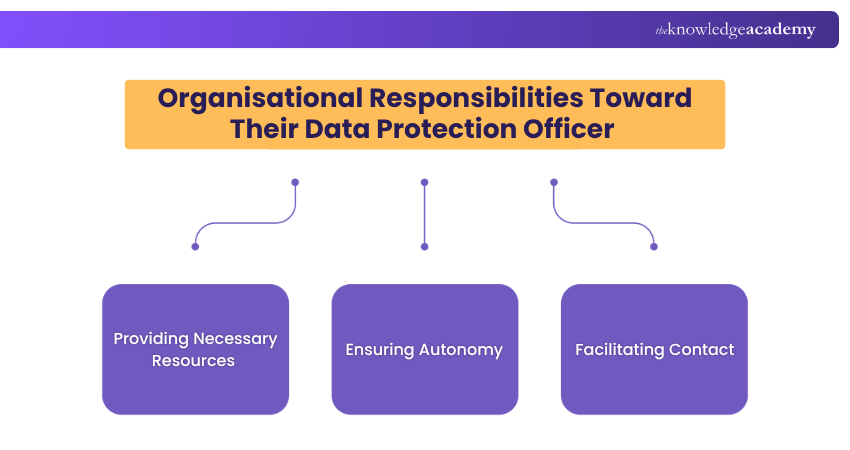
Organisations have specific responsibilities towards their DPOs to ensure they can perform their duties effectively. Here are the main responsibilities:
Providing Necessary Resources
Organisations must provide DPOs with the necessary resources to fulfil their tasks, including access to personal data and processing activities, and support for continuous training.
Ensuring Autonomy
A DPO should operate independently without receiving any instructions regarding the exercise of their tasks. Their role should not result in dismissal or penalty for performing their duties.
Facilitating Contact
Organisations need to ensure that the DPO is accessible to data subjects and regulatory authorities. This includes publishing the DPO’s contact details and facilitating communication.
Protect your organisation’s sensitive information and safeguard its privacy rights with our GDPR Awareness Training - Sign up now!
Duties of the Data Protection Officer
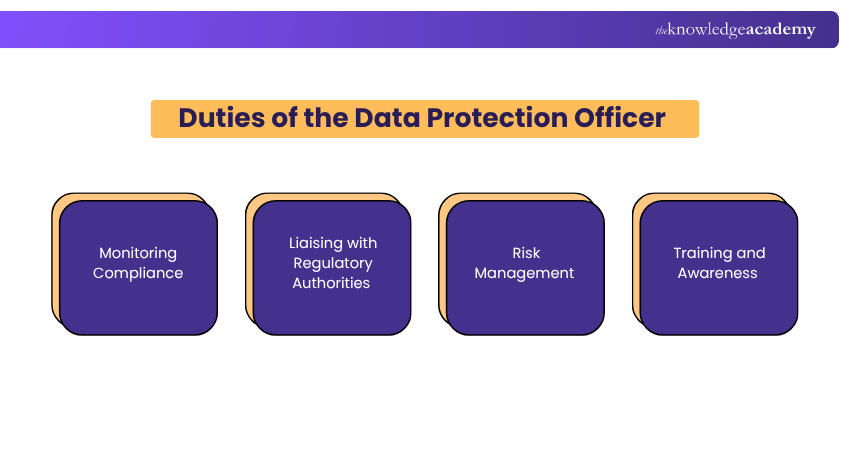
The role of a DPO involves several critical duties to ensure the organisation's compliance with data protection laws. These include:
Monitoring Compliance
A DPO monitors the organisation’s compliance with data protection laws, including managing internal data protection activities, advising on data protection impact assessments, and conducting training.
Liaising with Regulatory Authorities
The DPO acts as a contact point for data protection authorities, handling issues related to data processing, and responding to queries or complaints from data subjects.
Risk Management
Identifying and mitigating risks associated with data processing activities is a key duty of the DPO. This includes assessing and managing the impact of data breaches.
Training and Awareness
DPOs are responsible for raising awareness about data protection within the organisation, ensuring employees understand their obligations under data protection laws.
Is a Data Protection Officer Required to Have Specific Qualifications?
Under the UK GDPR and the Data Protection Act 2018, a Data Protection Officer (DPO) is not required to hold specific formal qualifications. However, the role calls for substantial professional experience and in-depth knowledge of data protection laws. The level of expertise must match the nature and scale of the data an organisation process.
Stand out in your job search – Learn How to Create a Data Protection Officer Resume today!
Conclusion
Understanding "Who needs to appoint a Data Protection Officer?" is essential for organisations to navigate the complexities of data protection laws. Appointing a DPO is not only a legal requirement for many but also a crucial step in safeguarding personal data and building trust with customers. By ensuring compliance and fostering a culture of data privacy, organisations can protect themselves from legal risks and enhance their reputation.
Elevate your data privacy expertise with our detailed Data Privacy Awareness Course - book your spot now!
Frequently Asked Questions
Are all data controllers required to appoint a DPO?

Not all data controllers are required to appoint a Data Protection Officer (DPO). Only public authorities, or organisations involved in large-scale monitoring or processing of sensitive data, are obligated. Others may appoint a DPO voluntarily to ensure GDPR compliance.
Who Needs Data Protection?
Every organisation handling personal data needs to ensure data protection to comply with legal requirements and protect the privacy of individuals whose data they process
What are the Other Resources and Offers Provided by The Knowledge Academy?
The Knowledge Academy takes global learning to new heights, offering over 3,000+ online courses across 490+ locations in 190+ countries. This expansive reach ensures accessibility and convenience for learners worldwide.
Alongside our diverse Online Course Catalogue, encompassing 19 major categories, we go the extra mile by providing a plethora of free educational Online Resources like Blogs, eBooks, Interview Questions and Videos. Tailoring learning experiences further, professionals can unlock greater value through a wide range of special discounts, seasonal deals, and Exclusive Offers.
What is The Knowledge Pass, and How Does it Work?
The Knowledge Academy’s Knowledge Pass, a prepaid voucher, adds another layer of flexibility, allowing course bookings over a 12-month period. Join us on a journey where education knows no bounds.
What are the Related Courses and Blogs Provided by The Knowledge Academy?
The Knowledge Academy offers various GDPR Trainings, including the GDPR Awareness Training, Data Privacy Awareness Course, and Personal Data Protection Bill Training. These courses cater to different skill levels, providing comprehensive insights into GDPR Roles.
Our IT Security & Data Protection Blogs cover a range of topics related to GDPR, offering valuable resources, best practices, and industry insights. Whether you are a beginner or looking to advance your IT Security & Data Protection skills, The Knowledge Academy's diverse courses and informative blogs have got you covered.

The Knowledge Academy


Global Training Provider
The Knowledge Academy is a world-leading provider of professional training courses, offering globally recognised qualifications across a wide range of subjects. With expert trainers, up-to-date course material, and flexible learning options, we aim to empower professionals and organisations to achieve their goals through continuous learning.

Upcoming IT Security & Data Protection Resources Batches & Dates
Date
 Certified Data Protection Officer (CDPO)
Certified Data Protection Officer (CDPO)
Fri 3rd Jul 2026
Certified Data Protection Officer (CDPO)
Fri 31st Jul 2026
Certified Data Protection Officer (CDPO)
Fri 2nd Oct 2026
Certified Data Protection Officer (CDPO)
Fri 30th Oct 2026
Certified Data Protection Officer (CDPO)
Fri 20th Nov 2026
Certified Data Protection Officer (CDPO)
Fri 4th Dec 2026

 If you wish to make any changes to your course, please


