


 Top Rated Course

We may not have the course you’re looking for. If you enquire or give us a call on +31 208081674 and speak to our training experts, we may still be able to help with your training requirements.
What Is Hypertension? Symptoms, and Blood Pressure Risks
Michael Jones 24 April 2026Hypertension, or High Blood Pressure, is a silent threat that puts extra strain on your heart and arteries, increasing the risk of severe health issues. Often unnoticed, it can lead to heart disease, stroke, and kidney problems. Understanding its causes, symptoms, and management can make all the difference in maintaining long-term health.

Training Outcomes Within Your Budget!
We ensure quality, budget-alignment, and timely delivery by our expert instructors.
Table of Contents
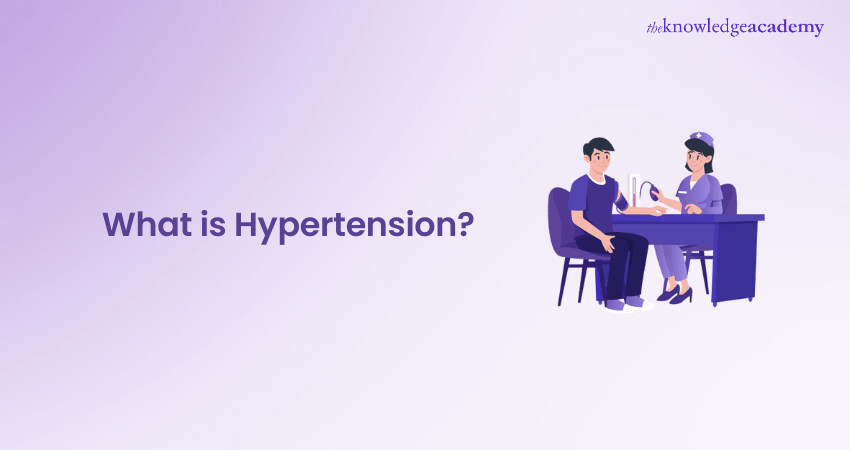
Hypertension or High Blood Pressure is often called the “silent killer” for a reason—it can creep up unnoticed, yet its impact on your heart, brain, and overall health can be devastating. But what causes it? Is there a way to detect the warning signs? And most importantly, how do you keep it under control? From medical interventions to lifestyle changes, this blog explores everything you need to know about What is Hypertension and how to defeat it before it strikes. So read on and raise your awareness as you take charge of your and your loved ones' heart health early on!
Table of Contents
1) What is Hypertension (High Blood Pressure)?
2) Hypertension Symptoms
3) Hypertension Causes
4) Hypertension Diagnosis and Tests
5) Hypertension Treatment
6) How Do I Reduce my Blood Pressure?
7) Hypertension Risk Factors
8)What is Normal Blood Pressure by Age?
9) How Can I Lower my BP in 5 Minutes?
10) Does Walking Lower Blood Pressure?
11) Conclusion
What is Hypertension (High Blood Pressure)?
Hypertension, or High Blood Pressure, is a condition where blood pressure remains persistently high, increasing the risk of heart attacks and strokes. It develops silently, often without symptoms. There are two types: Primary Hypertension, the most common, and Secondary Hypertension, caused by underlying conditions or medications. Regular monitoring is key to early detection.
Hypertension Symptoms
A blood pressure reading over 120/80 mm Hg is dangerously high and requires medical attention, especially if accompanied by symptoms. If your reading is this high but you have no symptoms, wait five minutes and check again. If it remains elevated or symptoms develop, seek immediate medical help. Watch for warning signs such as:
1) Sudden, and Severe Headache
2) Vision Changes
3) Difficulty Breathing
4) Numbness or Weakness
5) Intense Pain in the Chest, Abdomen, or Back
6) Trouble Speaking
Do not wait for your blood pressure to lower on its own—urgent medical care is necessary
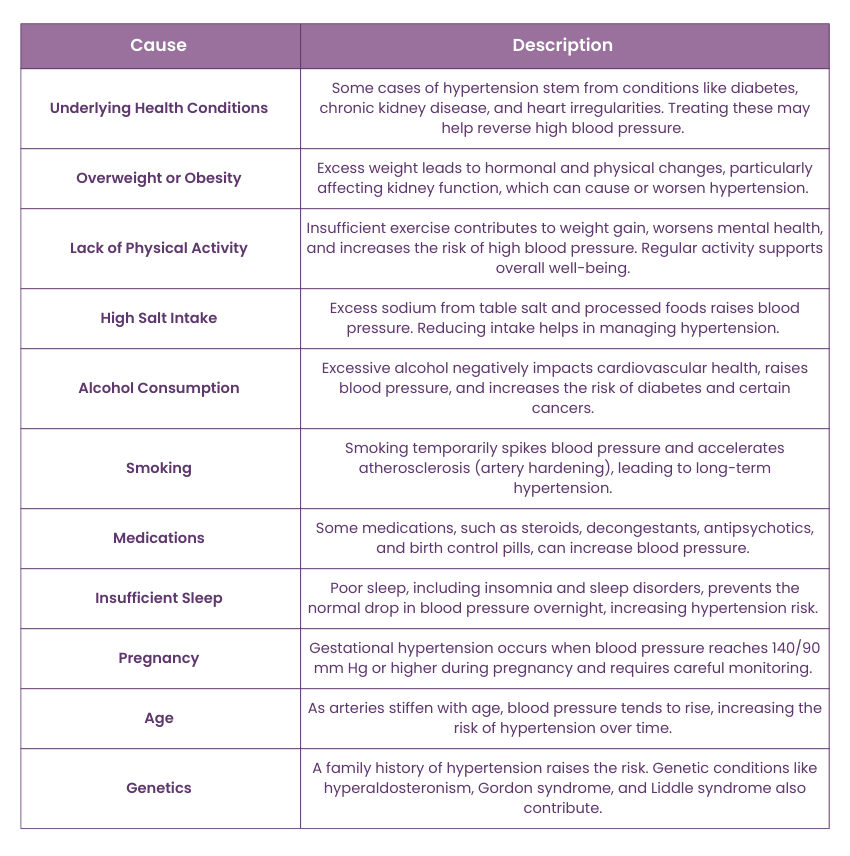
Hypertension Causes
Here are the main causes of Hypertension:
Hypertension Diagnosis and Tests
For an initial blood pressure check, measurements must be taken in both arms to identify any differences. Future readings should use the arm with the higher measurement.
A blood pressure analysing incorporates two numbers:
a) Systolic Pressure (Top Number): Measures the strain in the arteries while the coronary heart beats
b) Diastolic Pressure (Bottom Number): Measures the strain in the arteries between heartbeats
Hypertension is recognised whilst blood stress is 120/80 mm Hg or higher. A prognosis is generally primarily based on the average of two or greater readings taken on separate activities to for extra accuracy.
If someone is diagnosed with High Blood Pressure, the provider may recommend the following tests to determine the cause:
1) Ambulatory Monitoring: This is a test that measures blood pressure over 6 to 24 hours.
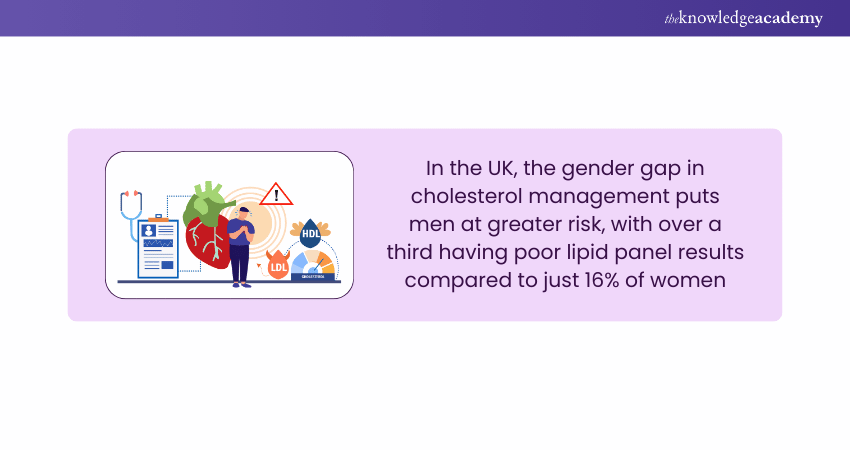
2) Lab Tests: Blood and urine tests consider factors such as cholesterol, blood sugar, Blood Type, and kidney, liver, and thyroid function to identify causes (or complications) of Hypertension. Monitoring these factors can also help in learning How to Lower Cholesterol effectively.
3) Electrocardiogram (ECG/EKG): This is a quick, painless test measuring the heart's electrical activity to check heart rate and rhythm. This is done through sensors attached to the chest, arms, or legs.
4) Echocardiogram: This is a non-invasive exam that employs ultrasound to deliver detailed images of the heart. This helps in assessing blood flow and valve function.
Want to familiarise yourself with key elements of a healthy diet and exercise programme? Sign up for our Nutrition and Fitness Training - today!
Hypertension Treatment
While medications are a good solution, lifestyle adjustments are the primary, first-line treatment for Hypertension. From regular physical exercise to increased fruit and vegetable intake, there a plenty of ways to battle Hypertension
1) Regular Physical Exercise
Everyone, including those with Hypertension, must engage in at least two hours of moderate-intensity aerobic exercise every week. Exercising five days a week is highly recommended. Additionally, resistance training can reduce blood pressure in hypertensive people.
Examples of suitable activities are:
a) Cycling
b) Swimming
c) Walking
d) Jogging
2) Stress Reduction
Meditation, warm baths, Yoga, and long walks are among the most effective relaxation techniques for relieving stress and, in turn, managing blood pressure. Moreover, using methods like NLP to Quit Smoking can significantly lower the risk of Hypertension, severe heart conditions, and various other health problems.
3) Medication
Hypertension is often managed with medication, starting with a low dose. Most antihypertensive drugs have mild side effects. Over time, some individuals may require a combination of medications for adequate blood pressure control.
Common Hypertension medications include:
a) Beta-blockers and alpha-blockers
b) Calcium channel blockers
c) Central agonists
d) Diuretics (e.g., thiazides, chlorthalidone, indapamide)
e) Peripheral adrenergic inhibitors
f) Vasodilators
g) Angiotensin-converting Enzyme (ACE) inhibitors
4) Reducing Salt Intake
Reducing salt intake can significantly help manage Hypertension. Here’s how salt affects the body:
a) Salt causes your body to retain water. This extra fluid elevates the volume of blood, which in turn raises blood pressure.
b) Excess sodium can lead to the stiffening of blood vessels which in turn hampers the smooth flow of blood.
c) Even small reductions in sodium intake can lower systolic and diastolic blood pressure over time.
Learn how to mitigate the risk of disease by living a healthy lifestyle in our comprehensive Healthy Lifestyles Training – Sign up now!
5) Moderating Alcohol Consumption
Excessive or even moderate alcohol consumption can raise blood pressure. For those struggling to cut back, a healthcare professional can provide guidance. Reducing alcohol intake can help lower Hypertension in multiple ways:
a) Chronic heavy drinking can lead to long-term increases in blood pressure. By moderating alcohol consumption, you can prevent this sustained elevation and reduce the risk of developing Hypertension.
b) Calories in alcohol can contribute significantly to weight gain, which can be a huge risk factor for Hypertension. By drinking less, you can help maintain a healthier weight and lower your blood pressure.
c) Alcohol can hinder the effectiveness of blood pressure medications and increase their side effects. Reducing alcohol intake can help ensure your medications work as intended.
6) Consuming More Fruits and Vegetables and Less Fat
People with High Blood Pressure or at risk should reduce saturated fats and opt for unsaturated fats. Experts recommend prioritising heart-healthy foods, including:
a) Whole grains and high-fibre foods
b) Fruits and vegetables
c) Pulses (chickpeas, beans, and lentils)
d) Nuts
e) Omega-3-rich fish
f) Nontropical vegetable oils (Olive oil)
g) Low-fat dairy products
Hone your skills in supporting a healthy immune system through our Active and Healthy Lifestyles Training - Sign up now!
How Do I Reduce my Blood Pressure?
Natural Ways to Lower Blood Pressure
1) Reduce sodium (under 1,500 mg) and increase potassium
2) Eat probiotics for better heart health
3) Lose excess weight to ease pressure
4) Stay active with regular movement
5) Manage stress through relaxation techniques
Hypertension Risk Factors
Factors that amplify the risks of Hypertension include:
a) A family history of Hypertension, cardiovascular disease, or diabetes
b) Lack of physical activity
c) A high-sodium diet
d) Smoking, tobacco use, and excessive alcohol consumption
e) Being over 55 years old
f) Medical conditions such as thyroid disorders, chronic kidney disease, Metabolic Syndrome or obstructive Sleep Apnea.
g) Obesity
What is Normal Blood Pressure by Age?
Normal Blood Pressure by Age and Gender
|
Age |
Women |
Men |
|
18–39 years |
110/68 mm Hg |
119/70 mm Hg |
|
40–59 years |
122/74 mm Hg |
124/77 mm Hg |
|
60+ years |
139/68 mm Hg |
133/69 mm Hg |
How Can I Lower my BP in 5 Minutes?
To quickly lower blood pressure, stop all activity, drink water, lie down flat, and take deep breaths to stay calm. If it remains high after a few minutes, seek medical help immediately.
Does Walking Lower Blood Pressure?
Yes, walking lowers blood pressure. A routine of 3-5 sessions per week, at moderate intensity for 20-40 minutes per session, totalling 150+ minutes weekly for about three months, can help reduce systolic and diastolic blood pressure and lower heart rate in adults.
Conclusion
Hypertension can be a silent hazard, but it’s not unstoppable. By expertising What is Hypertension, its reasons, recognising the risks, and making proactive way of life changes, you can take control of your blood pressure before whatever serious happens. Whether via diet, medication, or exercise, coping with this risk is fundamental to a healthier and longer existence.
Gain insight into essential nutrients and their impact on health in our Nutrition and Fitness Training - register now!
Frequently Asked Questions
What is a Safe Level of Pressure?

A safe level of blood pressure is generally considered to be below 120/80 mmHg. Readings above120/80 mmHg or higher indicates Hypertension.
How High can Blood Pressure go Before a Stroke?
Readings above 180/120 mmHg are considered stroke-level and require immediate medical attention.
What are the Other Resources and Offers Provided by The Knowledge Academy?
The Knowledge Academy takes global learning to new heights, offering over 3,000+ online courses across 490+ locations in 190+ countries. This expansive reach ensures accessibility and convenience for learners worldwide.
Alongside our diverse Online Course Catalogue, encompassing 19 major categories, we go the extra mile by providing a plethora of free educational Online Resources like Blogs, eBooks, Interview Questions and Videos. Tailoring learning experiences further, professionals can unlock greater value through a wide range of special discounts, seasonal deals, and Exclusive Offers.
What is The Knowledge Pass, and How Does it Work?
The Knowledge Academy’s Knowledge Pass, a prepaid voucher, adds another layer of flexibility, allowing course bookings over a 12-month period. Join us on a journey where education knows no bounds.
What are the Related Courses and Blogs Provided by The Knowledge Academy?
The Knowledge Academy offers various Health & Safety in the Workplace Courses, including the First Aid at Work Course and the Healthy Working Environment Training. These courses cater to different skill levels, providing comprehensive insights into What is an Emergency Medical Technician (EMT).
Our Health & Safety Blogs cover a range of topics related to physical health, offering valuable resources, best practices, and industry insights. Whether you are a beginner or looking to advance your awareness about physical health, The Knowledge Academy's diverse courses and informative blogs have got you covered.

Michael Jones


Health and Safety Consultant and Compliance Trainer
Michael Jones is a seasoned health and safety expert with more than 15 years of experience in workplace safety, risk management, and compliance training. He has worked across construction, manufacturing, and corporate sectors, helping organisations meet legal requirements and create safer working environments. Michael’s training and writing are known for being practical, clear, and aligned with UK regulations.
View Detail

Upcoming Health & Safety Resources Batches & Dates
Date
 First Aid at Work
First Aid at Work
Fri 7th Aug 2026
First Aid at Work
Thu 13th Aug 2026
First Aid at Work
Fri 6th Nov 2026
First Aid at Work
Thu 10th Dec 2026

 If you wish to make any changes to your course, please


