


 Top Rated Course

We may not have the course you’re looking for. If you enquire or give us a call on + 800 908601 and speak to our training experts, we may still be able to help with your training requirements.
How Can a Business Become More Sustainable: An Overview
James Smith 21 April 2026Businesses become more sustainable by reducing waste, using renewable energy, cutting plastic use, and promoting eco-friendly practices across their operations. It promotes recycling, invests in renewable energy, and optimises operations to lower emissions. Overall, it enhances brand reputation, efficiency, and long-term business growth.

Training Outcomes Within Your Budget!
We ensure quality, budget-alignment, and timely delivery by our expert instructors.
Table of Contents

At a time when the health of our planet is a growing concern, the question “How Can a Business Become More Sustainable?” is more pertinent than ever. This blog delves into the transformative steps a business can take to align with eco-friendly practices.
Essentially, 90% of CEOs affirm that sustainability plays a crucial role in their company’s success. But why should a company embrace green practices, and what are the measurable advantages? In this blog, we will delve into the benefits of sustainability for business and explore the compelling reasons behind adopting sustainability. Let's dive in!
Table of Contents
1) What is a Sustainable Business?
2) Ways to Make Your Business More Sustainable
3) Why is it Important to Run a Sustainable Business?
4) What is an Example of a Sustainable Business?
5) How are Small Businesses Sustainable?
6) Conclusion
What is a Sustainable Business?
In business, sustainability refers to an organisation’s strategies and actions designed to balance financial success with environmental and social responsibility. Rather than focusing only on short-term profit, it aims to create long-term value while protecting the environment, supporting social development, and following responsible business practices.
Sustainability in business is commonly measured using Environmental, Social, and Governance (ESG) metrics. By integrating these practices into their operations and decision-making processes, organisations can minimise their environmental impact while building a responsible and resilient business model.

Ways to Make Your Business More Sustainable
Here are some actionable strategies to help your business thrive while minimising its environmental impact:
1) Prioritise Sustainability as Your Mission
As you establish or grow your business, embedding sustainability into your mission is crucial. If environmental considerations are not yet part of your mission statement, crafting a clear summary of your sustainability objectives is advisable.
Green business certifications typically necessitate a comprehensive mission statement that outlines sustainability practices. Core values are instrumental in aligning your team’s efforts with a unified goal and ensuring accountability. They crystallise your priorities and solidify your organisation’s environmental commitment.
2) Develop an Eco-friendly Product
Creating eco-friendly products is another effective way for businesses to explore How Can a Business Become More Sustainable. This involves designing products that use sustainable materials, generating less waste, and having a lower environmental impact throughout their lifecycle, from production to disposal.
Organisations can also focus on recyclable packaging, biodegradable materials, or energy-efficient product designs. By offering environmentally responsible products, businesses can meet the growing demand for sustainable options among consumers.
3) Optimise Your Administrative Operations
It’s essential to apply sustainable principles to your office operations, not just customer-facing products and services. Strive for waste reduction and energy efficiency in your office. Implement policies and encourage employee participation in recycling, reducing paper use, and conserving energy.
Businesses can also adopt digital tools to minimise paper-based processes, use energy-efficient equipment, and optimise lighting and heating systems to reduce consumption. Even small operational changes, such as remote working policies or smart energy management, can lower a company’s overall environmental footprint.
4) Contribute to the Community
Apply sustainable practices to your finished goods as well. Store products in facilities that save water, use reusable shipping boxes, and consider solar panels or renewable energy sources for storage facilities. Donate or recycle unsold products instead of discarding them.
Businesses can also support local communities by partnering with charitable organisations, sponsoring community initiatives, or creating programmes that promote environmental awareness. These actions help organisations build stronger relationships with local communities.
Improve organisational performance and drive growth with our Personal and Organisational Development Course – Register today!
5) Measure Your Carbon Footprint
Understanding your carbon footprint is a vital step towards sustainability. It involves recognising the emissions produced by your business, from direct sources like boilers and vehicles to indirect ones that keep your business operational.
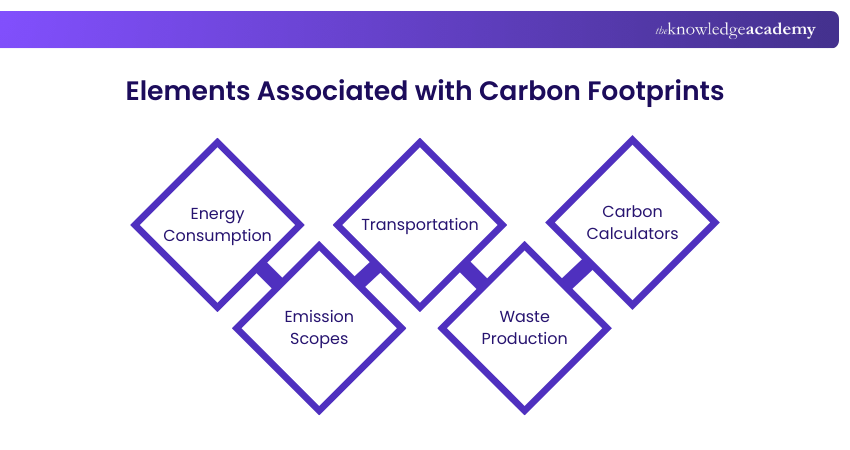
It also encompasses the broader impact of your supply chain, highlighting areas for improvement and reduction. Regular monitoring also helps organisations track progress and set realistic sustainability goals over time.
6) Introduce Beneficial Changes in Your Business
To embrace sustainability, businesses must initiate positive transformations across their operations. This includes performing a comprehensive sustainability audit to pinpoint potential enhancements in areas like energy conservation, waste management, and the procurement of green materials.
Involving employees in this journey and nurturing a sustainability-centric mindset can help embed these practices deeply within the company’s culture, ensuring enduring benefits. Moreover, partnering with suppliers and stakeholders who also prioritise sustainability can magnify the overall effect and foster a more eco-responsible supply network.
7) Utilise Energy-efficient Technologies
Integrating energy-saving technologies into your business can lead to a marked decrease in energy use and carbon footprint. This involves transitioning to Light-emitting Diode (LED) lighting, setting up motion detectors for efficient lighting and heating, and choosing appliances that conserve energy. Employing intelligent building systems can fine-tune energy consumption, trim operational expenses and support your sustainability objectives.
Acquire the key competencies for successful communication, teamwork, and leadership, accessible from any location – Join our Managing Remote Teams Course!
8) Choose Eco-conscious Packaging Solutions
Adopting environmentally friendly packaging is crucial for waste reduction and lessening ecological impact. Companies can turn to biodegradable or compostable materials derived from sustainable sources like plant-based plastics or recycled content.
Innovating in packaging design by eliminating unnecessary packaging, selecting recyclable options, and offering reusable alternatives can amplify your commitment to the environment. Embracing such sustainable packaging practices can resonate with consumer values and diminish your company’s ecological impact.
9) Perform a Sustainability Audit
Embarking on a path to sustainability starts with a detailed evaluation of your business’s current impact on the environment. Scrutinise your operational processes to pinpoint opportunities for reducing your ecological footprint, which could encompass lowering energy use, curbing waste production, conserving water, and refining supply chain operations.
Conducting a sustainability audit also helps businesses identify inefficiencies and areas where resources can be used more responsibly. It enables businesses to establish clear benchmarks for improvement. With this, organisations can develop clear action plans and measurable goals to improve their overall sustainability performance over time.
10) Establish Specific Sustainability Targets
Establishing precise sustainability objectives is crucial for steering your small business’s initiatives and tracking advancements. Determine the sustainability targets that align with your sector, company size, and ethical principles.
For instance, strive to cut down on energy usage, diminish waste, procure materials from responsible sources, or bolster local communities. These objectives should be Specific, Measurable, Achievable, Relevant, and Time-bound (SMART) to ensure they are effective.
11) Educate and Involve Your Team
Sustainability is a collective endeavour. Engage your employees and empower them to be advocates for your green mission. Instruct them on the significance of sustainable practices and the role their everyday actions play in achieving the company’s broad environmental goals. Motivate them to propose eco-friendly ideas and consistently recognise and appreciate their efforts.
Organisations can also conduct sustainability training sessions, workshops, or awareness programmes to help employees understand how their actions influence environmental outcomes. These initiatives encourage innovation and improve accountability.
12) Adopt Sustainable Practices
Businesses can strengthen their sustainability efforts by implementing practical operational strategies. This may include upgrading to energy-efficient systems and encouraging the responsible use of resources. You can even adopt the principles of the three Rs: Reduce, Reuse, and Recycle to minimise waste, conserve energy, and lower the environmental impact of business activities.
Organisations can also improve sustainability by choosing ethical suppliers and prioritising local sourcing where possible. In addition, clearly communicating sustainability initiatives to customers and stakeholders helps build transparency, trust, and a stronger commitment to environmentally responsible practices.
13) Monitor and Report Your Progress
Monitor your progress and share updates to maintain trust and credibility. Remember, sustainability is a continuous process, and patience is key to seeing results. Businesses can track their performance using clear metrics and sustainability reports to measure improvements over time.
Similarly, regular evaluations help organisations identify areas that need further improvement and refine their sustainability strategies. Transparent reporting also strengthens stakeholder confidence and shows the company’s commitment to sustainable practices.
Identify business inefficiencies and optimise performance with our Business Process Improvement Training – Sign up soon!
Why is it Important to run a Sustainable Business?
Sustainability is Important in Business because it drives long-term growth, reduces environmental impact, and creates value for stakeholders. Let’s check in detail why becoming a sustainable business is important:
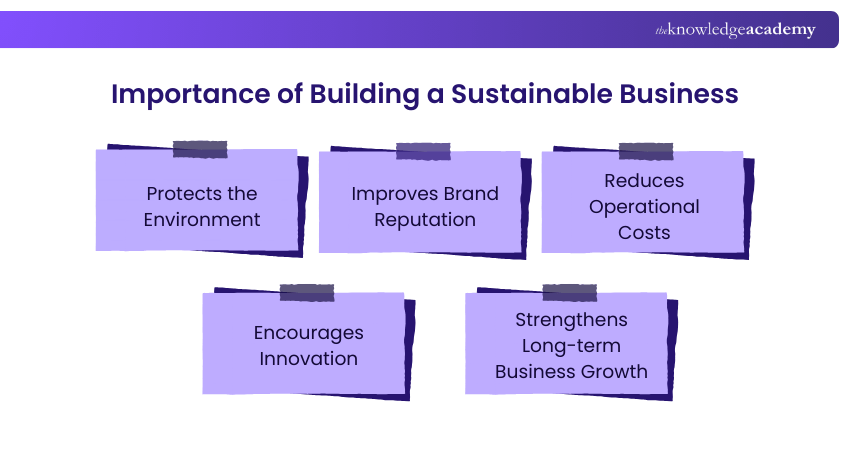
1) Protects the Environment
Sustainable businesses actively reduce their environmental impact by lowering emissions, conserving natural resources, and minimising waste. These efforts help protect ecosystems and contribute to a healthier planet for future generations.
2) Improves Brand Reputation
Consumers increasingly prefer companies that follow environmental and social responsibility. Businesses that adopt sustainable practices often build stronger trust and credibility with customers, partners, and investors.
3) Reduces Operational Costs
Sustainability actions such as energy efficiency, waste reduction, and responsible resource management can lower operational expenses. Over time, these cost savings can improve profitability and business efficiency.
4) Encourages Innovation
Sustainable thinking encourages organisations to develop innovative products, services, and processes. This often leads to new market opportunities and more efficient ways of operating.
5) Strengthens Long-term Business Growth
By focusing on responsible practices and long-term value creation, sustainable businesses are better prepared to adapt to environmental regulations, market changes, and stakeholder expectations. This helps ensure long-term stability and growth.
What is an Example of a Sustainable Business?
Many well-known companies have integrated sustainability into their business models by focusing on environmental protection, ethical sourcing, and responsible operations. Here are a few real-world examples that help you think of How Can a Business Become More Sustainable:
1) Patagonia
Patagonia is widely recognised for its strong commitment to environmental sustainability. It uses recycled and organic materials in its clothing, supports fair labour practices, and donates a portion of its profits to environmental causes. It also encourages customers to repair and reuse products instead of buying new ones.
2) Tesla
Tesla promotes sustainability by producing electric vehicles that reduce dependence on fossil fuels. The company also develops renewable energy options such as solar panels and battery storage systems to support cleaner energy usage.
3) Unilever
Unilever has introduced several sustainability initiatives through its Sustainable Living Plan. It focuses on reducing waste, improving water efficiency, sourcing raw materials responsibly, and lowering carbon emissions across its supply chain.
4) IKEA
IKEA aims to become climate-positive by investing in renewable energy and using sustainably sourced materials such as certified wood and recycled plastics. The company also promotes circular economy practices by encouraging product recycling and reuse.
How are Small Businesses Sustainable?
Small businesses can become sustainable by incorporating environmentally responsible practices into their everyday operations. They can also promote sustainability by sourcing products locally, supporting ethical suppliers, and encouraging recycling within the workplace.
In addition, small businesses often build close relationships with their communities, which allows them to support local initiatives and promote responsible consumption. By adopting these practices, small businesses can operate efficiently while contributing to environmental and social well-being.
Conclusion
Embracing sustainability is a strategic imperative for businesses seeking long-term success. By comprehending How Can a Business Become More Sustainable, businesses can drive innovation. Let's join the vanguard of eco-conscious enterprises, and pave the way for a greener, and more resilient world.
Harness the collective power of your team with our tailored Performance Management Training – Join now!
Frequently Asked Questions
What are the 5 Cs of Sustainability?

The five Cs of sustainability encompass Commitment, Compliance, Communication, Collaboration, and Continuous Improvement. Each serves as a guiding principle for businesses to employ sustainable practices in their operations and foster long-term environmental, social, and economic viability.
How to Ensure Business Sustainability?
Ensuring business sustainability involves implementing comprehensive strategies. This includes adopting sustainable practices, engaging stakeholders, prioritising innovation, and maintaining financial resilience to navigate challenges and uncertainties while contributing to a sustainable future.
What are the Other Resources and Offers Provided by The Knowledge Academy?
The Knowledge Academy takes global learning to new heights, offering over 3,000+ online courses across 490+ locations in 190+ countries. This expansive reach ensures accessibility and convenience for learners worldwide.
Alongside our diverse Online Course Catalogue, encompassing 17 major categories, we go the extra mile by providing a plethora of free educational Online Resources like Blogs, eBooks, Interview Questions and Videos. Tailoring learning experiences further, professionals can unlock greater value through a wide range of special discounts, seasonal deals, and Exclusive Offers.
What is the Knowledge Pass, and how Does it Work?
The Knowledge Academy’s Knowledge Pass, a prepaid voucher, adds another layer of flexibility, allowing course bookings over a 12-month period. Join us on a journey where education knows no bounds.
What are the Related Courses and Blogs Provided by The Knowledge Academy?
The Knowledge Academy offers various Management Courses, including the Business Sustainability Course, Senior Management Training, and Event Management Course. These courses cater to different skill levels, providing comprehensive insights into Business Process Improvement Tools.
Our Business Skills Blogs cover a range of topics related to Sustainability Practices in Business, offering valuable resources, best practices, and industry insights. Whether you are a beginner or looking to advance your Business skills, The Knowledge Academy's diverse courses and informative blogs have got you covered.

James Smith


Digital Marketing Manager and Trainer
James Smith is a digital marketing professional with over a decade of experience in SEO, content strategy, paid media and analytics. He has supported both SMEs and global brands in transforming their digital presence. James’s writing and training are rooted in results-driven tactics and the latest marketing trends.
View Detail
Upcoming Business Skills Resources Batches & Dates
Date
 Business Sustainability Course
Business Sustainability Course
Fri 24th Jul 2026
Business Sustainability Course
Fri 9th Oct 2026

 If you wish to make any changes to your course, please


