


 Top Rated Course

We may not have the course you’re looking for. If you enquire or give us a call on +352 20 33 17 60 and speak to our training experts, we may still be able to help with your training requirements.
What is Alpha Testing: Process and Benefits
Richard Harris 20 June 2026Curious to learn what is Alpha Testing in ISTQB? Read this blog to learn everything about Alpha Testing, its execution, benefits and more in detail. It also explores the Alpha Testing process, advantages, and how it helps improve software quality by identifying issues before the product reaches external users.

Training Outcomes Within Your Budget!
We ensure quality, budget-alignment, and timely delivery by our expert instructors.
Table of Contents
In the field of software testing, the International Software Testing Qualifications Board (ISTQB) serves as a benchmark for industry standards and practices. Among its various testing methodologies, Alpha Testing in ISTQB holds a significant position.
This blog aims to provide a comprehensive understanding of Alpha Testing in ISTQB by exploring its purpose, execution, and benefits within the ISTQB framework. You will gain insights into how this testing phase contributes to delivering high-quality software products.
Table of Contents
1) Understanding Alpha Testing in ISTQB
2) Alpha Testing Execution
3) Benefits of Alpha Testing in ISTQB
4) Conclusion
Understanding Alpha Testing in ISTQB
ISTQB defines Alpha Testing as a type of User Acceptance Testing conducted by the software development team to evaluate the software's performance, functionality, and usability in a simulated real-world environment. This testing phase focuses on identifying defects, verifying the software's compliance with requirements, and gathering valuable feedback from Alpha Testers.
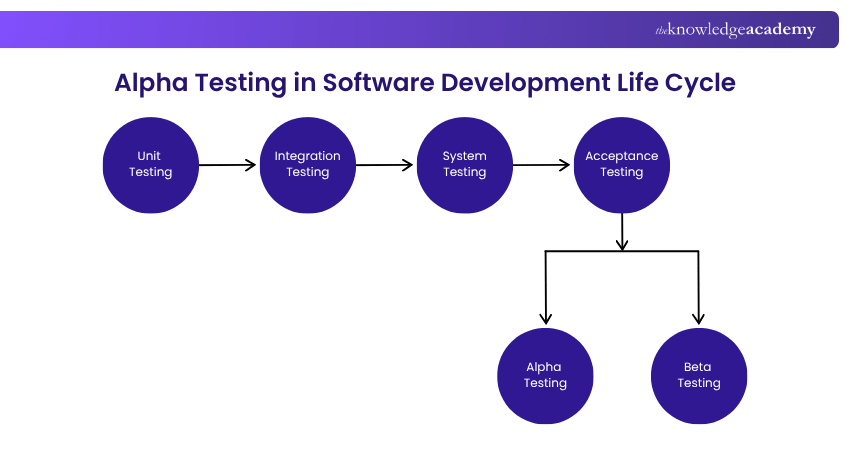
What sets Alpha Testing apart from other testing phases is its early-stage execution performed by internal testers or a select group of end-users. It allows for the identification of defects before the software reaches a wider audience. Aligning this testing phase with ISTQB principles ensures that the software meets quality standards and user expectations. To deepen your understanding, explore ISTQB Interview Questions and enhance your preparation for your interview. Some key objectives of this testing phase are as follows:
a) Identifying Defects: The primary objective of Alpha Testing is to identify and uncover defects or issues in the software under test. This includes functionality glitches, usability problems, and any other discrepancies that may hinder the software's performance.
b) Verifying Compliance: Alpha Testing ensures that the software adheres to the specified requirements and meets the desired standards. It validates whether the software functions as intended and aligns with the expectations outlined during the development process.
c) Gathering User Feedback: Alpha Testing serves as an opportunity to gather valuable feedback from Alpha Testers who represent the target end-users. Their input helps assess the software's usability, identify potential improvements, and ensure that it caters to the needs and preferences of the user base.

Learn to evaluate applications and systems with our Software Testing Training!
Alpha Testing Execution
Alpha Testing can be executed systematically within the ISTQB frameworks with certain, these execution steps for this testing phase are as follows:
a) Planning and Preparation: Before initiating Alpha Testing, thorough planning and preparation are crucial. This includes defining clear test objectives, determining the scope of testing, and allocating appropriate resources. The test environment should be established to closely resemble the intended production environment, ensuring realistic testing scenarios.
b) Test Execution: During the Alpha Testing phase, the selected Alpha Testers, which may include internal testers or a limited group of end-users, execute predefined test cases and scenarios. They thoroughly explore the software's features, functions, and interactions, focusing on identifying any defects or issues.
c) Defect Management: When defects are encountered during Alpha Testing, they need to be properly managed. This involves logging and tracking defects, assigning them to the responsible parties, and monitoring their resolution. Effective collaboration and communication between testers, developers, and stakeholders play a crucial role in this process.
d) Documentation and Reporting: Comprehensive documentation of test results, observations, and identified defects is essential during Alpha Testing. It provides a valuable reference for future analysis, improvement, and decision-making. Clear and concise defect reports facilitate effective communication between testers and stakeholders, ensuring a streamlined defect resolution process.
Build essential software testing knowledge to improve quality assurance and testing practices confidently with our ISTQB Software Testing Foundation Course- Join now!
Benefits of Alpha Testing in ISTQB
Alpha Testing within the ISTQB framework contributes to the successful delivery of high-quality software products. Some such Benefits Of ISTQB Certifications during this testing phase are as follows:
a) Early Defect Detection: Alpha Testing enables early identification of defects, and a Defect Report in ISTQB helps document and resolve these issues before the software reaches a wider audience, reducing costs and effort in later stages.
b) Risk Mitigation: By conducting alpha Testing, potential risks and issues can be identified and addressed proactively. This reduces the likelihood of critical failures or functional gaps when the software is deployed to the end-users.
c) Improved User Experience: Alpha Testing involves gathering feedback from Alpha Testers who represent the target end-users. This feedback provides valuable insights into the software's usability, allowing for enhancements and refinements to be made to ensure a seamless and satisfying user experience.
d) Quality Assurance: Alpha Testing ensures that the software meets the required quality standards and aligns with the defined specifications and requirements. It helps in verifying the software's functionality, performance, and compliance with industry best practices.
e) Enhanced Productivity: By detecting and addressing defects early on, Alpha Testing helps streamline the software development process. It leads to improved productivity as developers can focus on developing new features and functionalities rather than spending time on fixing post-release issues.
Strengthen analytical testing skills to improve test coverage and software quality assurance processes with our ISTQB Advanced Level Test Analyst Course- Register now!
Conclusion
Alpha Testing in ISTQB framework allows organisations can ensure early defect detection, risk mitigation, improved user experience, and overall software quality. Understanding and implementing Alpha Testing principles and practices contributes to successful software development and testing endeavours.
Develop advanced test management skills to plan, monitor, and lead software testing activities with our ISTQB Certified Tester Advanced Level Test Management Course- Sign in now!
Frequently Asked Questions
What are the Disadvantages of Alpha Testing?

Alpha testing has some limitations as it is conducted in a controlled environment, which may not reflect real-world scenarios. It can also be time-consuming and influenced by internal bias, as internal teams may overlook issues that actual users might identify.
What is the Difference Between Alpha Testing and Beta Testing?
Alpha testing is performed internally at the developer’s site to identify defects and usability issues before release. In contrast, beta testing is conducted by real users in a live environment to gather feedback and uncover issues that may not appear during internal testing.
What are the Other Resources and Offers Provided by The Knowledge Academy?
The Knowledge Academy takes global learning to new heights, offering over 3,000+ online courses across 490+ locations in 190+ countries. This expansive reach ensures accessibility and convenience for learners worldwide.
Alongside our diverse Online Course Catalogue, encompassing 17 major categories, we go the extra mile by providing a plethora of free educational Online Resources like Blogs, eBooks, Interview Questions and Videos. Tailoring learning experiences further, professionals can unlock greater value through a wide range of special discounts, seasonal deals, and Exclusive Offers.
What is The Knowledge Pass, and How Does it Work?
The Knowledge Academy’s Knowledge Pass, a prepaid voucher, adds another layer of flexibility, allowing course bookings over a 12-month period. Join us on a journey where education knows no bounds.
What are the Related Courses and Blogs Provided by The Knowledge Academy?
The Knowledge Academy offers various Software Testing Courses, including the ISTQB Software Testing Foundation Course, ISTQB Advanced Level Test Analyst Course, and ISTQB Agile Foundation Extension Course. These courses cater to different skill levels, providing comprehensive insights into Why ISTQB Certification is Important.
Our Business Analysis Blogs cover a range of topics related to Alpha Testing, offering valuable resources, best practices, and industry insights. Whether you are a beginner or looking to advance your Analytical skills, The Knowledge Academy's diverse courses and informative blogs have got you covered.

Richard Harris


Senior Full Stack Developer and Technology Educator
Richard Harris is a highly experienced full-stack developer with deep expertise in both frontend and backend technologies. Over his 12-year career, he has built scalable web applications for startups, enterprises and government organisations. Richard’s writing combines technical depth with clear explanations, ideal for developers looking to grow in modern frameworks and tools.

Upcoming Business Analysis Resources Batches & Dates
Date
 ISTQB Certified Tester Advanced Level Test Management Course
ISTQB Certified Tester Advanced Level Test Management Course
Mon 21st Sep 2026
ISTQB Certified Tester Advanced Level Test Management Course
Mon 16th Nov 2026

 If you wish to make any changes to your course, please


