


 Top Rated Course

We may not have the course you’re looking for. If you enquire or give us a call on +36 18508731 and speak to our training experts, we may still be able to help with your training requirements.
Target Audience: What it is and How to Find Yours
James Smith 03 February 2026A Target Audience is a specific group defined by characteristics like age, interests, or habits that helps businesses tailor marketing plans effectively.

Training Outcomes Within Your Budget!
We ensure quality, budget-alignment, and timely delivery by our expert instructors.
Table of Contents
What is a Target Audience?
A Target Audience is a group of people that a business or organisation aims to reach with its marketing messages, products, or services. This group is defined by characteristics such as age, gender, location, interests, income level, or buying behaviour. Knowing your Target Audience can help you craft content, campaigns, and match their preferences. This can improve engagement, increase conversions, and strengthen brand loyalty.
Key Takeaways:
1) Identifying Target Audience ensures marketing efforts are focused and relevant
2) Key traits like age, location, and buying behaviour that define the ideal customer
3) Tailored campaigns lead to better engagement, conversion, and brand loyalty
4) Ignoring audience targeting weakens branding and reduces campaign effectiveness
Different Types of Target Audiences
A key step involved in targeting the audience is identifying the niches and market segments under which customers are segmented. Here are the different types of Target Audience:
Purchase Intent
a) This Target Audience category include the consumers with a clear idea of a specific product or service they want.
b) These customers usually gather more product information while looking at different retailers for other options.
c) Assessing customers based on purchase intention is one way to learn how to stay ahead of your competition.
d) If someone is looking for a new phone, you can gauge factors impacting their final purchase decision, such as the phone's cost, features or warranty.
Interests
a) Customers can be classified based on interests, such as hobbies, media consumption, or entertainment preferences.
b) Targeting specific interest groups, such as travellers or biking enthusiasts, helps you create more personalised marketing strategies.
c) Understanding customer interests is vital as it helps create relatable and enticing branding materials.
d) Aligning content with the customer’s specific interests, such as biking locations or a tutorial on how your product can enhance the biking experience, can increase audience connection.
Turn traffic into loyal customers – Learn how with our Google Analytics Certification - Sign up now!
Subcultures
a) Consumers can also be categorised based on subcultures, such as music genres, movie preferences, or sports fandoms.
b) For example, streaming platforms like Netflix or Disney+ group content based on viewing history.
c) Targeting subcultures is effective because these groups often have a strong sense of community.
d) You can conduct audience research within a subculture as it provides needed insights into their preferences.
e) You can also use word-of-mouth marketing within tight-knit communities.
Demographics
One of the best ways to define a Target Audience is by segmenting them based on age, gender, race, marital status, education, income and nationality. This method is mostly used because it is easy to acquire the data you need through market surveys, censuses, and analytical tools. Each demographic factor can impact consumer behaviour and product preferences; here are some examples:
a) Age: Product preferences vary significantly between different age groups. A digital app is more popular while luxury vacations appeal more to the older generation.
b) Gender: Marketing strategies can vary between male and female Target Audiences. They may have wildly different preferences in fashion or health products.
c) Income: Economic status is one of the biggest factors influencing buying power. It decides which kinds of products or services consumers can afford.
Lifestyle
a) Categorising here involves segmenting customers based on their overall lifestyle.
b) This classification is slightly more complex because it deals with extremely subjective characteristics that can be challenging to measure.
c) Lifestyle demonstrates how customers see themselves and their aspirations.
d) For example, frequent participation in sports, travels, or cultural events heavily influence the types of products and services they’re interested in.
e) Customer’s opinions and beliefs in areas such as politics or environmental consciousness can also impact their purchasing decisions.
Acquire hands-on experience with real-world Digital campaigns in our comprehensive Digital Marketing Tools Training - Sign up now!
Steps to Identifying Your Target Audience
Now that you’ve explored the various types of Target Audience to choose from, let’s dive into the steps to accomplish that:
Step 1: Define the Characteristics of Your Products or Services
Consider the following points:
a) Determine Your Product and Service’s Target Problem: For example, a food delivery service solves the problem of not having the accessories to prepare meals.
b) Consider who'll benefit from your Offering: In the case of food delivery services, the ideal customer will be a busy professional who doesn’t have time to cook.
c) Spotlight Your Unique Selling Proposition (USP): USP highlights what makes your brand unique and why consumers should choose it over others.
Step 2: Conduct Market Research
Since it's highly likely that your competitors have similar Target Audiences, you must do external market research through Competitor Analysis. You can scope out the competition by answering these key questions:
a) Who are your competitors targeting?
b) What demographics are they appealing to?
c) What gaps in the market can you fill that your competitors aren’t?
Consider the Following Steps:
a) Look at your competitors' websites and Social Media accounts.
b) Check a competitor’s website traffic through tools like Semrush and Ahrefs.
c) Find what keywords they rank for and incorporate them into your Content Marketing.
Step 3: Develop Buyer Personas
Buyer personas are profiles of imaginary people that represent your ideal customers.
a) To craft these personals, you can utilise demographic data, including age, income level, marital status, hobbies and media consumption.
b) To gather demographic information, you can survey existing customers.
c) You can create an “anti-persona” by assessing who your Target Audience isn’t. This will further help design your desired persona.
d) Organise this data in a buyer persona profile and evaluate how your products or services could meet each person’s needs.
Want to understand the true value of customer-company relationships? Our Customer Relation Management Training will help you out - Sign up now!
Step 4: Leverage Facebook Insights
If you have a Facebook page, Facebook insights will significantly help identify your Target Audience. Like Google Analytics, these insights will offer critical information required to create a Target Audience.
a) By accessing the people tab on your insight's dashboard, Facebook insights let you see who the visitors are and where they are located.
b) Facebook focuses on various areas, including interests and integrations with other Social Media platforms, such as Twitter.
c) The insights report will outline your audience's lifestyle, including if they purchase items online, which can help you further into your campaign planning.
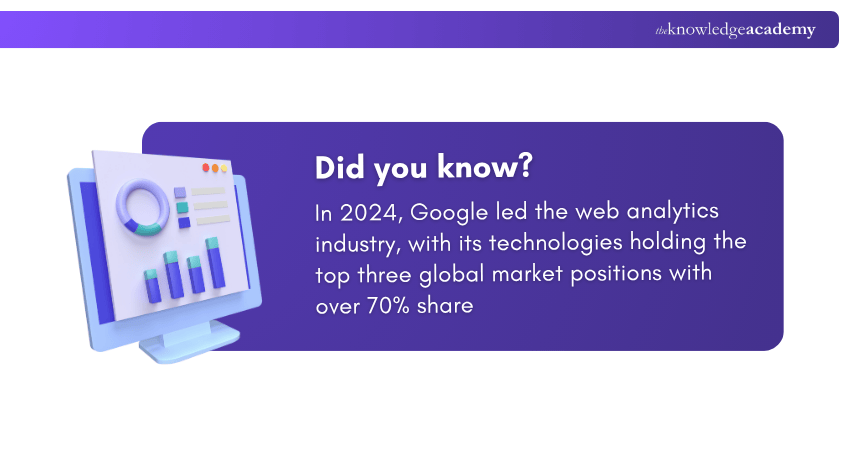
Step 5: Analyse Website Performance
Make it a priority to monitor your website's best and worst-performing content areas. After all, your website is an introduction to your company for most of your Target Audience. So, tidying up their areas of interest is a powerful way to attract more members.
a) Repurpose the content that isn't captivating your audience and promote the content that is
b) For example, if a certain blog post was a hit with audiences, share it on all your Social Media accounts to expand your reach.
c) While some pages outperforming others can indicate that your readers prefer certain topics over others, it’s possible that they can't find the badly performing pages on your site. So, craft a navigation menu that prominently features your latest content.
Step 6: Review Social Media Analytics
While each Social Media platform offers unique features to help you engage your Target Audience, you must have the answer to the question: When are your followers most engaged with your social channels? This is where Social Media Analytics can be of help. Consider the following points:
a) Different platforms will have different appeal to different generations. For example, Twitter (X) appeals more to Gen Z as compared to Facebook.
b) Twitter is about short-form content while Facebook is ideal for long-form content and videos.
c) Instagram is a visually oriented Social Media platform, so your visually appealing content would thrive on this channel.
Enhance the skills to translate insight into high-value marketing in our Social Media Marketing Course - Sign up now!
Step 7: Engage Directly with Social Media Followers
Engaging with your Social Media followers is important with creating your products or services. After all, they’re the users you are dependent on when you make your buyer persona. Consider these points:
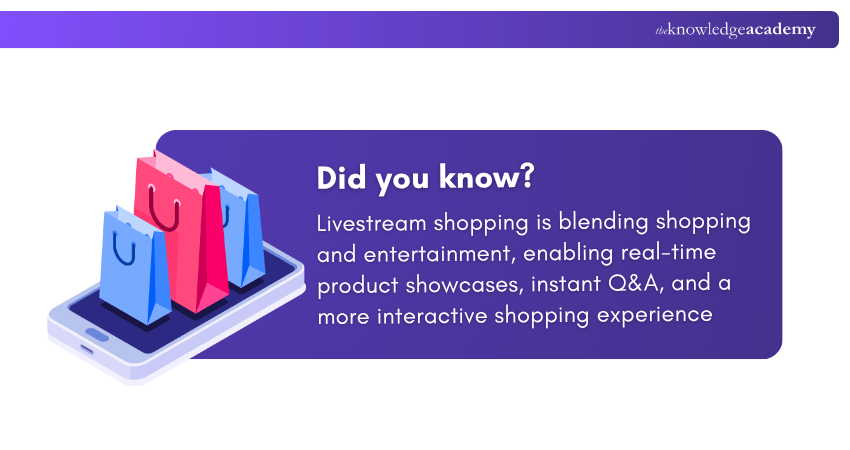
a) You can ask your followers what they want to see and leverage tools such as Instagram stories to get their response. This will give you insight into how your online presence is faring.
b) You can tweet something involving your product that invites a CTA, like “Send us a picture of your favourite outfit with our new [product name]!” This evokes a response you can analyse and expand to grow your audience.
c) Incorporate User-generated Content (UGC) into your Social Media strategy. When followers respond to your CTAs by submitting pictures or comments, feature these contributions in your posts, Stories or as part of a community highlight reel.
Step 8: Tailor Blog Content with a Reader Persona
Your reader persona must be identical to your buyer persona because your blog's content will be useful for your readers. The difference between a reader and a buyer persona is that a reader persona generally focuses on the challenges your persona might face:
a) Use a reader persona to create content that addresses specific challenges identified in the buyer persona.
b) For example, if a buyer struggles with low ROI on ad spending, your blog content can focus on solutions to this issue.
c) If the challenges are unclear, you must gather insights through polls, quizzes, surveys, or interactive content.
d) Analyse the responses to understand pain points and align the content accordingly.
Step 9: Test and Refine Your Approach
While defining a test audience is done by conducting market research is essential to validate your Target Audience. One of the most reliable approaches is to collect customer feedback through surveys.
This allows you to refine and adjust your customers as required. You can create more personalised marketing materials that connect even deeper with those who can benefit from your products or services.
Advantages of Defining a Target Audience
Defining a Target Audience is crucial for any marketing strategy. Here are some key advantages:
1) Understanding your Target Audience helps you tailor your messaging to resonate with them. You can ensure that your communication is relevant and engaging.
2) You can use your resources more efficiently by focusing your marketing efforts on a specific group. This targeted approach saves a lot of time and money.
3) You can differentiate your brand from competitors when you cater to a specific niche. This can position your brand as the preferred choice for that audience, eventually building loyalty.
4) Such targeted marketing efforts are more likely to reach those who are genuinely interested individuals in your products or services. This improves the chances of conversions and sales.
5) Staying connected to your audience is a better way to understand their needs and preferences. This helps you adapt your marketing strategies and stay ahead of the competition.
6) Defining a Target Audience helps you build stronger relationships with your customers. You can provide better services by understanding their needs and preferences.
Criticisms of the Target Audience Approach
While targeting a specific audience improves marketing effectiveness, it’s not without its drawbacks. Here are some common criticisms of the Target Audience approach:
1) Over-segmentation: Focusing too narrowly can lead to missed opportunities in broader markets or emerging customer segments.
2) Stereotyping: Relying heavily on assumptions about age, gender, or interests can result in generalisations that alienate potential customers.
3) Lack of Flexibility: Once defined, businesses may become too rigid in their targeting, making it difficult to adapt to evolving consumer behaviour.
4) Overlooking Emotional Factors: The approach often emphasises data-driven traits and may neglect emotional motivations that influence purchasing decisions.
5) Excludes Potential Audiences: By focusing on a core group, businesses might unintentionally ignore adjacent or secondary audiences who could also find value in the product or service.
Learn about the proven retention strategies with our comprehensive Customer Relation Training - Register now!
Real-world Examples of Target Audiences
These real-world examples demonstrate the winning formula for marketing triumph in the age of Social Media. From Nike’s athletic Instagram feed to Coca Cola’s Twitter(X) feed that target the tech-savvy gen Z audience, these examples are something you can emulate.
Example 1: Nike
Nike is among the world’s largest suppliers of athletic shoes and apparel and a key manufacturer of sports equipment boasting its iconic slogan "Just Do It". It's also a powerhouse at targeting the right audience through online platforms.

For example, on Instagram, the brand showcases its products through compelling images and videos featuring athletes and influencers. This works because Nike's Target Audience is Athletes and fitness enthusiasts who want to keep up with the brand.
Example 2: Coca-Cola
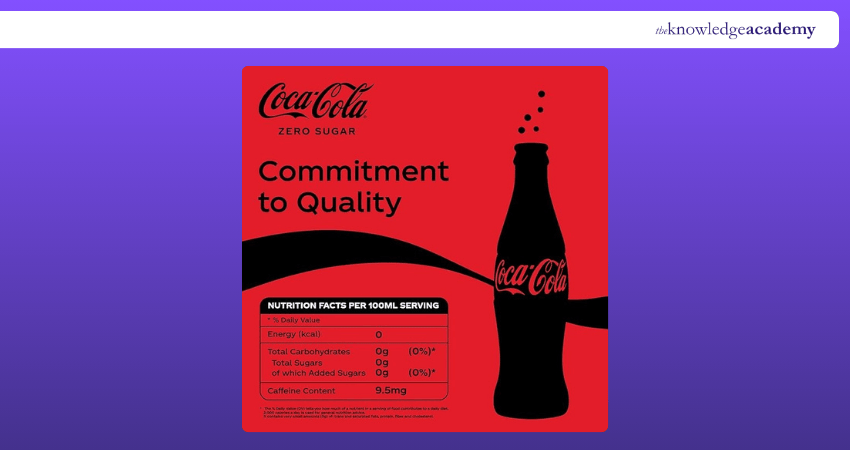
Coca-Cola has well-defined Target Audience segments and creates content that caters to every segment. On Facebook, it posts family-friendly content, community stories, and nostalgic ads, and on Twitter (X), the brand's Target Audience is younger, tech-savvy people.
Example 3: Sephora
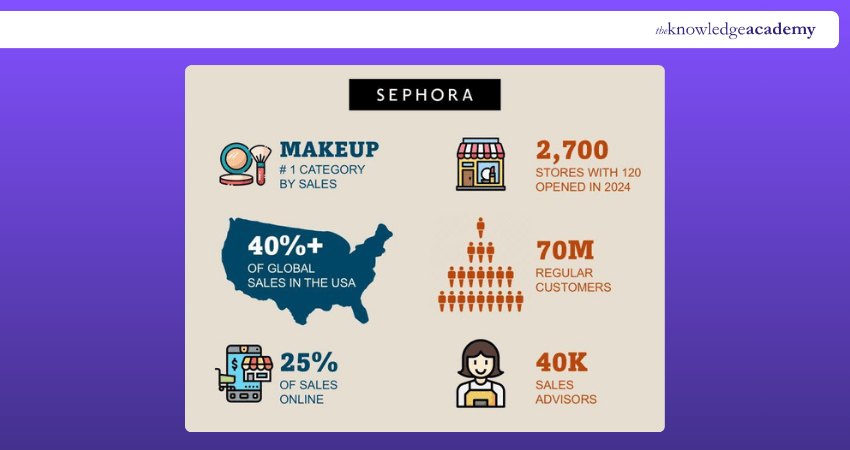
Sephora, a French multinational retailer, offers a wide range of personal care and beauty products. With around 3,000 brands and its own label, Sephora’s inventory includes cosmetics, skincare, body care, fragrances, nail colour, beauty tools, and haircare. So, its primary Target Audience includes beauty enthusiasts, makeup artists, and DIY beauty fans, particularly from Gen Z.
Example 4: Red Bull
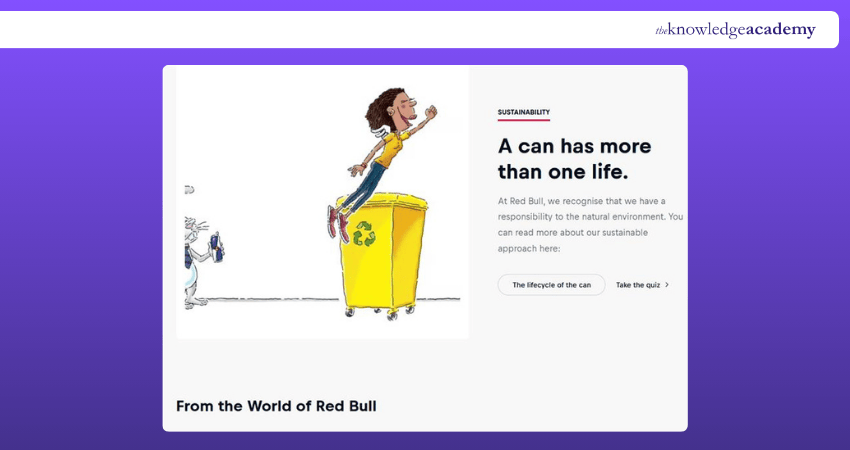
Red Bull is known for its distinctive slim silver can and slogan, "Red Bull Gives You Wings". The brand takes a unique approach to marketing. Instead of posting ads about its drinks, it cements a strong presence in sports such as Formula One racing, football, extreme sports and eSports.
Example 5: Patagonia
Patagonia started as a manufacturer of tools for climbers and soon grew into a proactive voice for environmental and social issues. Since its Target Audience primarily comprises outdoor enthusiasts and environmental activists, Patagonia's Instagram page includes stunning outdoor photography and videography.

Conclusion
Understanding What is Target Audience is vital for any successful marketing strategy. It's about connecting with the right people at the right time with the right message. As the benefits and real-world examples outlined in this blog demonstrate, knowing your audience is the key to personalising messages, optimising your resources, and ultimately driving growth and success.
Why stop here? Turn knowledge into action with our Digital Marketing Courses - Let’s grow your skills!
Frequently Asked Questions
What are the Examples of Target Segmentation?

Target segmentation involves dividing a market into distinct consumer groups with similar characteristics. Some examples include:
a) Demographic segmentation
b) Geographic segmentation
c) Psychographic segmentation
d) Behavioural segmentation
Why does Target Audience Matter?
Target Audience matters because it helps businesses align their products or services and marketing strategies to a particular consumer's preferences and purchase behaviours. It’s the foundational feature of any successful marketing strategy.
What are the Other Resources and Offers Provided by The Knowledge Academy?
The Knowledge Academy takes global learning to new heights, offering over 3,000+ online courses across 490+ locations in 190+ countries. This expansive reach ensures accessibility and convenience for learners worldwide.
Alongside our diverse Online Course Catalogue, encompassing 19 major categories, we go the extra mile by providing a plethora of free educational Online Resources like Blogs, eBooks, Interview Questions and Videos. Tailoring learning experiences further, professionals can unlock greater value through a wide range of special discounts, seasonal deals, and Exclusive Offers.
What is The Knowledge Pass, and How Does it Work?
The Knowledge Academy’s Knowledge Pass, a prepaid voucher, adds another layer of flexibility, allowing course bookings over a 12-month period. Join us on a journey where education knows no bounds.
What are the Related Courses and Blogs Provided by The Knowledge Academy?
The Knowledge Academy offers various Digital Marketing Courses, including the Customer Acquisition Training and the Performance Marketing Training. These courses cater to different skill levels, providing comprehensive insights into What is Social Networking.
Our Digital Marketing Blogs cover a range of topics related to modern marketing, offering valuable resources, best practices, and industry insights. Whether you are a beginner or looking to advance your Digital Marketing skills, The Knowledge Academy's diverse courses and informative blogs have got you covered.

James Smith


Digital Marketing Manager and Trainer
James Smith is a digital marketing professional with over a decade of experience in SEO, content strategy, paid media and analytics. He has supported both SMEs and global brands in transforming their digital presence. James’s writing and training are rooted in results-driven tactics and the latest marketing trends.
View Detail
Upcoming Digital Marketing Resources Batches & Dates
Date
 Customer Acquisition Training
Customer Acquisition Training
Fri 24th Jul 2026
Customer Acquisition Training
Fri 23rd Oct 2026

 If you wish to make any changes to your course, please


