


 Top Rated Course


We may not have the course you’re looking for. If you enquire or give us a call on +30 2111995372 and speak to our training experts, we may still be able to help with your training requirements.
SERP Volatility: Why Rankings Shift and What to Do
James Smith 23 April 2026SERP Volatility measures how often and significantly Search Engine rankings change for specific queries, indicating fluctuations in search result stability. It reflects how dynamic and competitive the search landscape has become. Managing it regularly through content updates and technical audits ensures long-term search visibility.

Training Outcomes Within Your Budget!
We ensure quality, budget-alignment, and timely delivery by our expert instructors.
Table of Contents

What if your website’s ranking drop wasn’t a mistake, but part of a bigger pattern you could actually predict? Imagine being able to understand why your rankings rise and fall, instead of guessing what the Search Engine algorithm is up to each week. This constant movement in search results is called SERP Volatility, and it affects every website.
Search Engines like Google or Bing are always updating, experimenting, and responding to how people search, which leads to these changes in rankings. When you learn to find these patterns, you can stay calm during sudden drops and act strategically instead. In this blog, you’ll discover What is SERP Volatility, what causes it, and how to handle it. Let’s begin!
Table of Contents
1) What is SERP Volatility?
2) Why is SERP Volatility Important?
3) What Causes SEO Volatility?
4) How to Identify SERP Volatility?
5) How to Deal With SEO Volatility?
6) Conclusion
What is SERP Volatility?
SERP Volatility refers to how much Search Engine Results Pages (SERPs) change or fluctuate over time. In simple terms, it shows how frequently rankings move up or down for specific keywords. When volatility is high, different pages shift in and out of the top results. When volatility is low, rankings stay relatively steady for longer periods.
SERP Volatility, sometimes called SERP flux, is an inevitable part of Search Engine Optimisation (SEO). Every website experiences it in some way, even those that seem to have steady rankings. Understanding this concept helps you prepare for changes instead of being caught off guard.

Why is SERP Volatility Important?
SERP Volatility is important because it directly affects how visible your website is on Search Engines. Below are some of its importance:
1) Signals Algorithm Updates:
Sudden changes in rankings often indicate that Search Engines have updated their algorithm. Monitoring volatility helps SEO professionals stay alert and adapt quickly.
2) Helps Identify Ranking Trends:
Tracking volatility over time reveals patterns like seasonal changes or shifts in user behaviour and that can inform your SEO strategy.
3) Competitive Insights:
High volatility may mean competitors are actively optimising or new players are entering the space. It is a hint to analyse and adjust your tactics.
4) Content Performance Evaluation:
If your content suddenly drops or rises in rankings, volatility tracking helps you find what worked or what went wrong.
5) Risk Management:
Understanding volatility helps you prepare for ranking drops and avoid over-reliance on unstable keywords.
6) Improves Decision-making:
Knowing when the SERPs are unstable can guide whether to make major SEO changes or wait for things to settle.
7) Tool for SEO Forecasting:
Volatility data can be used to predict future ranking behaviour and plan content or technical updates accordingly.
What Causes SEO Volatility?
SERP or SEO Volatility can happen for many reasons, from search intent changes and Search Engine updates to technical errors or content overlap. Understanding each cause helps you respond quickly and keep your rankings steady.
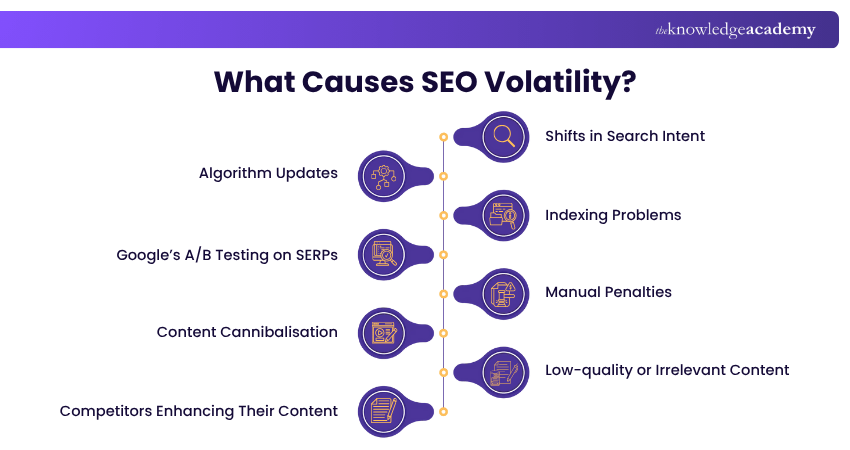
1) Shifts in Search Intent
Search intent means what people are really looking for when they search. If the Search Engines think users aren’t finding what they want, it will change the results to test which pages work best.
Example:
If users keep clicking different results for “best running shoes” and leaving quickly, Google or Bing may rearrange the results to find better answers.
Solution:
Make sure each page targets the right keywords and gives users what they expect. Keep your content clear, helpful and easy to use. Add strong Call to Actions (CTAs) to lead visitors and improve engagement.
2) Algorithm Updates
Search Engines regularly update how they rank websites to show the best, most helpful results. These changes can cause big ranking shifts, especially if your content doesn’t meet their new quality standards.
Example:
After a core update, your site loses traffic because Yahoo or Google now rewards more detailed and original content.
Solution:
Stay informed about the Search Engines updates. Review your content and make it more valuable, clear and trustworthy. You need to focus on helping users rather than writing just for Search Engines.
Boost your search rankings effectively with our Google Search Console Training - Register today!
3) Indexing Problems
If Search Engines can’t index your pages properly, then your pages won’t appear in search results. This can happen even if they are well-written. This has often resulted after a website’s redesign or update.
Example:
You redesign your website and upload new pages, but traffic drops because Search Engines haven’t indexed the new URLs yet.
Solution:
Check the search console to see how many pages are indexed. Fix any “noindex” tags left by mistake, and use “Request Indexing” to get your pages back in search. Also, make sure any broken links (404 errors) are redirected to working pages.
4) Google’s A/B Testing on SERPs
Google frequently tests small changes to its search results to see which ones improve user experience. During this, Google might temporarily change the order of search results or swap some pages. These tests can cause short-term ranking shifts.
Example:
Your blog about Artificial Intelligence drops in ranking because Google is testing new AI-related content from other sites.
Solution:
Watch your analytics in Google Search Console (GSC). Compare what is working for competitors and keep improving your content value. Your rankings will usually stabilise once Google finishes testing.
5) Manual Penalties
A manual penalty happens when the Search Engines find your website breaking their rules, such as using spammy links or copied content. This can cause pages or your whole website to disappear from search results.
Example:
After an update, your website traffic suddenly stops and your pages no longer appear in search results.
Solution:
Go to Google Search Console → Security → Manual Actions to see if you have a penalty. Fix the listed issues, such as removing low-quality backlinks, then request a review to get your site re-approved.
6) Content Cannibalisation
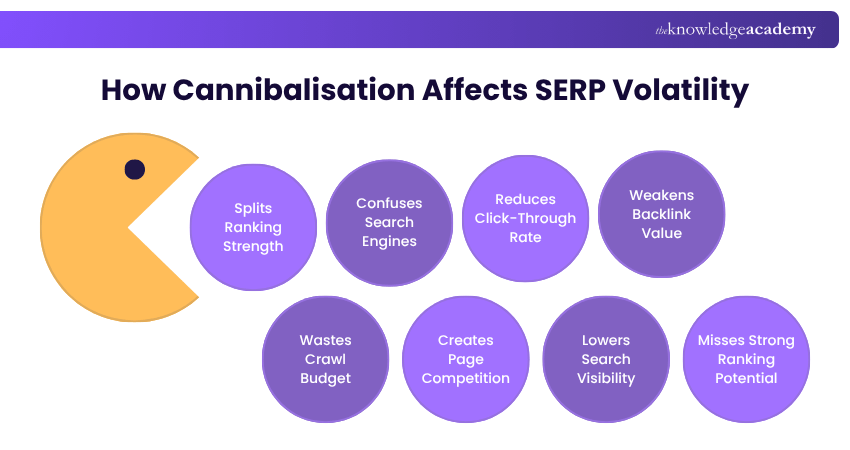
When multiple pages on your website target the same or very similar keywords, they end up competing against each other. This results in confusing the Search Engines about which one to rank.
Example:
You have separate pages for shoes and shoes for men and women. They all use the keyword “shoes.” As a result, Google or Bing doesn’t know which to show first, so all drop in ranking.
Solution:
You can try using unique keywords for each page. Then, you can combine similar content or change the focus of pages so that each one targets a different search intent. This helps Search Engine understand which page to rank for a specific topic.
7) Low-quality or Irrelevant Content
Pages with thin, outdated or irrelevant content are more likely to fluctuate in rankings. Search Engines want to show results that truly help users. If your content doesn’t meet users’ expectations or answer their questions clearly, it may lose its place in search results.
Example:
A short blog with old data drops after a Search Engine updates its system to reward in-depth, reliable information.
Solution:
Update your pages regularly with new facts, examples and visuals. Add more details where needed and make your content easy to read. Fresh and high-quality updates signal to Search Engines that your site is active and trustworthy.
8) Competitors Enhancing Their Content
Even if your site stays the same, competitors might improve theirs through publishing new content or earning better backlinks. This can push your pages down. Search rankings are constantly competitive, so standing still often means falling behind.
Example:
Your ranking falls because a competitor posts a newer, more detailed article using the same keywords.
Solution:
Keep an eye on what competitors are doing using relevant tools. With that, you can try to improve your own content by adding new insights, better visuals and a smoother user experience.
Take control of your data and make smarter marketing decisions with our Google Analytics Certification – Join now!
How to Identify SERP Volatility?
SERP Volatility can appear at different levels, across your whole industry, your website or even a single page. Each level gives you a different view of how rankings are changing and why. Here’s how to check and understand volatility:
1) Analyse Trends at the Industry Level
To see big changes happening across your industry, you can use “algorithm weather” tools. These tools track how much rankings are changing across the web and show when search results are unstable.
Example: If you notice that ranking fluctuations are happening across many websites in your niche, it is likely due to the Search Engine update rather than an issue with your website.
Tip: Tracking Share of Voice is often more useful than looking at traffic alone. It shows your visibility compared to competitors, even when overall search traffic goes up or down.
2) Examine Volatility Across Your Entire Site
To assess volatility for your entire website, monitor key metrics such as clicks, impressions and average position across your tracked keywords. Sudden drops or spikes in these numbers often show major changes such as algorithm updates, technical issues or shifts in search behaviour.
Example: If you notice that several key pages drop together, it might indicate a site-wide issue like a technical problem or an algorithm change. If only one section is affected, it can be related to your content.
Tip: Regularly track performance for different sections of your website like blogs, product pages, or service pages, to find patterns early and take necessary action.
3) Drill Down to Individual Page Performance
If you want to analyse ranking changes for a specific page or keyword, review how its position has changed over time using your keyword tracking data. Focus on the top results to see if this change is part of a trend across search results or something specific to your own page.
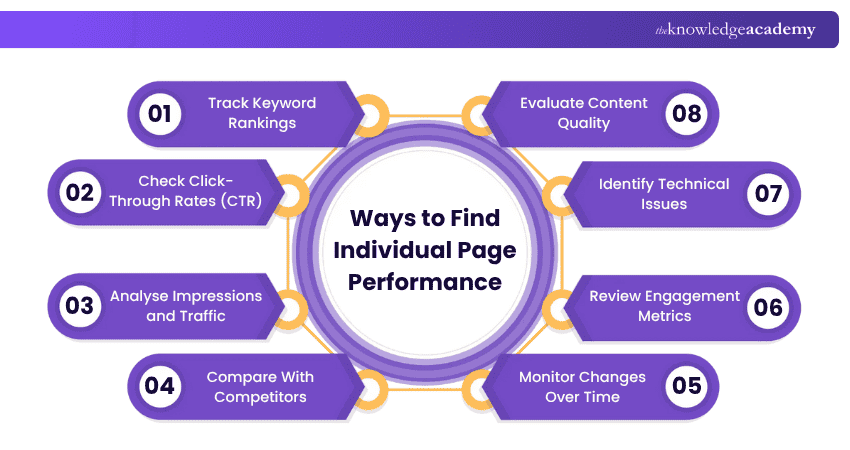
Example: If the ranking drops for your page while all top 10 results move around, it is an algorithmic change. If only your page moves, you may need to review the content, links or on-page SEO.
Tip: Check if your page matches search intent and if competitors offer better or newer content. Update and improve your page to recover rankings faster.
How to Deal With SEO Volatility?
SERP Volatility is part of SEO. So, you can’t stop it, but you can prepare for it and reduce its impact. Here’s how you can deal with it:
1) Continuously Track Your Search Visibility
Keep a close eye on your keyword rankings and overall visibility to spot changes early. Regular tracking helps you notice sudden drops before they become serious problems. If you sense any unusual movement, know the cause.
Helpful Tips:
1) Track both mobile and desktop rankings, as they can be different
2) Watch for traffic changes on your most important pages
3) Record major events or updates to understand what can cause shifts
4) Compare your visibility trends with key competitors to identify market changes
2) Regularly Update and Improve Content
Search Engines prefer fresh, high-quality and useful content. Review your main pages regularly to ensure the information is accurate, engaging, and relevant. Add new insights, visuals or data when possible to improve user experience.
Helpful Tips:
1) Refresh older posts with updated facts or examples
2) Merge similar pages to prevent keyword overlap
3) Rework headings and titles to better match search intent
4) Keep content easy to read with short sentences and clear formatting
3) Review and Learn From Historical Performance
Looking at past performance helps you understand how your website reacts to changes. Analyse previous ranking trends to see what caused improvements or drops and use those insights to prepare for future changes.
Helpful Tips:
1) Compare performance before and after major updates
2) Identify which page types are most affected by volatility
3) Note technical or content fixes that improved rankings
4) Keep a simple SEO log to record changes and results over time
4) Keep an Eye on Technical Changes and Website Updates
Even small technical errors can cause ranking drops. When making website changes like redesigns, migrations, or updates, monitor the results carefully. Always make sure key SEO elements such as titles, meta descriptions, internal links and URLs remain intact.
Helpful Tips:
1) Run regular website checks for errors and lost or broken links
2) Watch for issues like slow loading speeds or missing pages
3) Keep your site map updated so Search Engines can crawl your pages easily
4) Test any redirects after structural or content changes
Create campaigns that drive measurable success with our Digital Marketing Tools Training – Sign up soon!
Conclusion
SERP Volatility is a natural part of the ever-changing world of Search Engines. Rankings rise and fall every day, not because you’re doing something wrong, but because algorithms, user behaviour and competition never stop evolving. Understanding what is SERP Volatility gives you the clarity to respond effectively rather than react in panic. With a well-planned approach, you can build resilience, maintain visibility, and secure long-term SEO success.
Learn how to master search trends and analyse SERP Volatility with our Digital Marketing Courses – Grow and become the trend!
Frequently Asked Questions
What is CTR in SERP Ranking?

CTR refers to Click-Through Rate. It shows how many times people click on your website link after seeing it in search results. It is worked out by dividing the number of clicks by the number of impressions. A higher CTR means your title and meta description are appealing to users, which can help improve your ranking over time.
What is the Difference Between SEO and SERP?
SEO is what you do to improve your website, so it ranks higher in Search Engines like Google, Bing or Yahoo. It includes creating content, getting backlinks and more. SERP is the page that Search Engines shows when someone searches for something. In short, SEO is how you improve your visibility and SERP is where your results appear.
What are the Other Resources and Offers Provided by The Knowledge Academy?
The Knowledge Academy takes global learning to new heights, offering over 3,000+ online courses across 490+ locations in 190+ countries. This expansive reach ensures accessibility and convenience for learners worldwide.
Alongside our diverse Online Course Catalogue, encompassing 17 major categories, we go the extra mile by providing a plethora of free educational Online Resources like Blogs, eBooks, Interview Questions and Videos. Tailoring learning experiences further, professionals can unlock greater value through a wide range of special discounts, seasonal deals, and Exclusive Offers.
What is The Knowledge Pass, and How Does it Work?
The Knowledge Academy’s Knowledge Pass, a prepaid voucher, adds another layer of flexibility, allowing course bookings over a 12-month period. Join us on a journey where education knows no bounds.
What are the Related Courses and Blogs Provided by The Knowledge Academy?
The Knowledge Academy offers various Digital Marketing Courses, including SEO Course, Google Search Console Training and Digital Marketing Training. These courses cater to different skill levels, providing comprehensive insights into Brand SERP Optimisation.
Our Digital Marketing Blogs cover a range of topics related to SERP Volatility, offering valuable resources, best practices, and industry insights. Whether you are a beginner or looking to advance your Digital Marketing skills, The Knowledge Academy's diverse courses and informative blogs have got you covered.

James Smith


Digital Marketing Manager and Trainer
James Smith is a digital marketing professional with over a decade of experience in SEO, content strategy, paid media and analytics. He has supported both SMEs and global brands in transforming their digital presence. James’s writing and training are rooted in results-driven tactics and the latest marketing trends.
View Detail

 If you wish to make any changes to your course, please


