


 Top Rated Course

We may not have the course you’re looking for. If you enquire or give us a call on 0800 446148 and speak to our training experts, we may still be able to help with your training requirements.
Web 1.0, Web 2.0, Web 3.0, and Web 4.0: Explained With Examples
Richard Harris 23 April 2026Web 1.0 was read-only, Web 2.0 added interaction, Web 3.0 brings smart and secure data, and Web 4.0 connects everything with AI, IoT and virtual tech. A firm understanding of Web 1.0, 2.0, 3.0, and 4.0 is vital when it comes to exploring the history, evolution and scope of the Internet and the digital world.

Training Outcomes Within Your Budget!
We ensure quality, budget-alignment, and timely delivery by our expert instructors.
Table of Contents

Remember when the internet was just slow dial-up connections and simple websites? Things have changed a lot since then. The web has grown through different stages - from basic pages you could only read, to letting us create and share content, then to owning digital items, and now to using Artificial Intelligence. Each stage has changed how we use the internet and connect with each other.
What started as a place to just find information has become a space where we can interact, create, buy and sell digital things, and even have AI assistants help us with daily tasks. This evolution didn't happen overnight - it took decades of innovation and new technologies. Let's look at how the Web 1.0, 2.0, 3.0, and 4.0 tell the story of this amazing transformation.
Table of Contents
1) What is Web 1.0 (The Static Web)
2) What is Web 2.0 (The Social and Participatory Web)
3) What is Web 3.0 (The Semantic Web)
4) What is Web 4.0 (The Intelligent Web)
5) Difference Between the Web 1.0, Web 2.0, and Web 3.0
6) The Future of the Web, What to Expect from Web 4.0 and 5.0
7) Conclusion
What is Web 1.0 (The Static Web)
Web 1.0, known as the “static web,” was the first phase of the Internet. It ran from the early 1990s to the early 2000s. It featured simple, static websites built mainly with basic HTML. These sites served as information portals that allowed users to view content. However, they offered little interaction, design variety or functionality beyond delivering information.
Features of Web 1.0
Here are its key features:
1) Static Pages (Read‑only Content): Web 1.0 primarily consisted of fixed web pages that didn’t change unless manually edited. Users could view but not interact with content.
2) Basic HTML Foundations: Websites were built using simple HTML (often HTML 3.2. There was little to no scripting involved, which created straightforward layouts.
3) Limited User Interaction: User engagement was minimal. There were no comments, likes or content submissions. The interaction was largely one-way.
4) Linear Navigation: Navigation relied on basic hyperlinks, frames and tables. The overall structure was simple and linear, without dynamic menus or complex site flows.

Examples of Web 1.0 Websites
Early versions of sites like Amazon, Yahoo, and MSN mainly provided information in a simple, static format. Here’s how they used to be:
1) MSN:
The first MSN pages offered static information and basic services like email and messaging. They were mainly plain text with small images, no videos, and a simple HTML design.
2) Amazon:
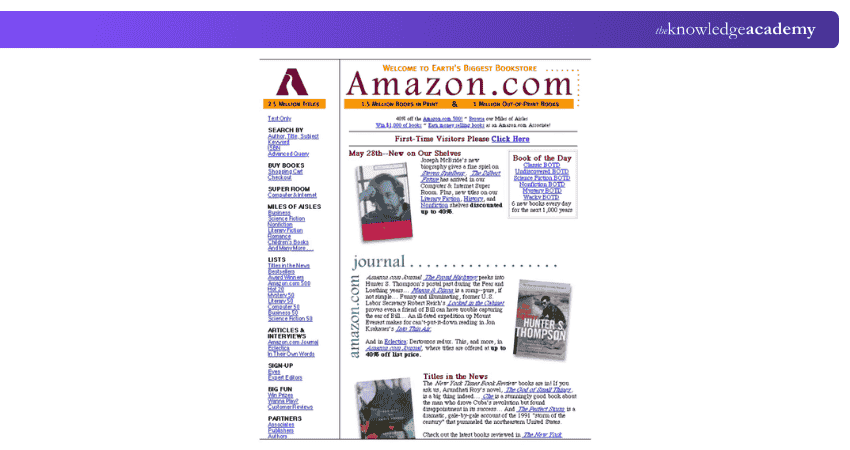
In its early days, Amazon was just an online bookstore. It had very basic product pages. Customers could see book details, prices and add items to their cart. But options like reviews and multiple payment choices didn’t exist.
3) Yahoo:
Yahoo started as a web directory where Editors manually listed and organised websites. It had very few interactive features, but it helped people find content online. Later, Yahoo expanded into email and news services. This is how Yahoo used to look in 1995:

Impact of Web 1.0 on Early Internet Adoption
Here's how Web 1.0 impacted early Internet adoption:
1) Web 1.0 was mostly made up of fixed HTML pages. These pages rarely change. It made the Internet feel more like a digital library than an interactive space.
2) Pages had simple text and images with little interactivity. So people mainly used the web to read and gather information.
3) Webmasters controlled what appeared online. Users were mainly passive readers, not contributors.
4) In the early to mid-1990s, few people had Internet at home. Usage was limited to researchers and professionals until it spread in the late 1990s and early 2000s.
5) E-commerce was in its infancy and people were cautious about buying online. Purchases were usually books, music or electronics.
6) Web 1.0 lacked social features. Unlike the interactive communities of Web 2.0, users engaged with content, not with each other.
Here’s how Amazon’s homepage looked in 1997:
What is Web 2.0 (The Social and Participatory Web)
Web 2.0 was the next stage of the World Wide Web. What differentiated it from Web 1.0 was that it allowed users to create and share through dynamic platforms like blogs, wikis, Social Media etc. With its focus on community involvement and connectivity, it set a new benchmark for how people interact online.
Features of Web 2.0
Here are the key features of Web 2.0:
1) Interactivity: Users were not limited to consuming content. They could create and share it. Sites such as Facebook, YouTube and Wikipedia led the way.
2) User-generated Content: Social Media, Blogs and videos gave people unprecedented freedom to add their own voices online.
3) Monetisation: Businesses started using ads and user data to build new and better revenue models.
4) Real-time Collaboration: Tools such as instant messaging and Google Docs made online collaboration processes much easier.
Examples of Web 2.0 Websites
Here are some key examples of Web 2.0 websites:
1) Social Networks:
Web 2.0 made Social Networking popular with platforms like Facebook, Twitter, Myspace and LinkedIn. Users could create profiles, connect with others and share updates:
a) Myspace allowed customisation with music and designs
b) Facebook’s cleaner design and better networking features soon made it dominant
c) Twitter focused on short posts, or “tweets,” to keep discussions alive
d) LinkedIn became the go-to platform for professional connections
2) Blogs:
The trend of Blogging exploded during the Web 2.0 era. Platforms such as WordPress and Blogger gave everyone an easy way to publish content and connect with online communities.
3) Wikis:
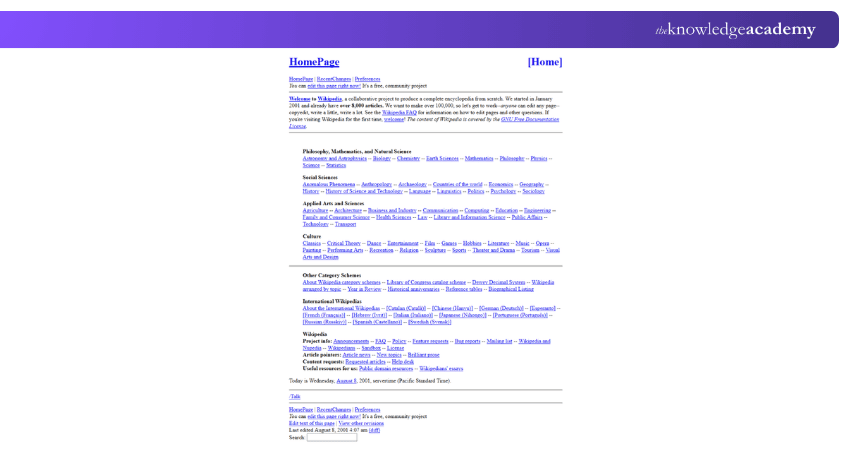
Wikis let users freely create, edit and share information. Wikipedia is the best example of this. It allows anyone to contribute and expand knowledge.
4) Video Sharing:
Video platforms like YouTube became hugely popular. They helped build communities where people could upload, share and comment on videos. This made video one of the most engaging forms of online content.
5) E-commerce:
Etsy and eBay joined Amazon, giving online shopping a significant boost. These websites provided user reviews, vendor profiles, product suggestions, and social elements such as chat and feedback. This made online shopping more reliable and community-driven.
Learn to craft memorable digital experiences with our comprehensive App & Web Development Training - Sign up now!
Impact of Web 2.0 on Early Internet Usage
Here are the main impacts of Web 2.0:
1) Anyone with Internet access could share their ideas, media and opinions. So, it gave users more control.
2) Web 2.0 encouraged people to collaborate, share, and build together, turning users into active participants.
3) Users could both create and consume content, becoming “prosumers.”
4) It became easier to connect, communicate, and share with large networks of people.
5) Web 2.0 opened doors for new businesses, jobs, marketing strategies, and educational platforms. It sparked a new culture of startups.
Master the building blocks of beautiful, responsive websites in our HTML and CSS Course -Register now!
What is Web 3.0 (The Semantic Web)
Web 3.0 is also called the Semantic Web. It represents the next stage of the Internet. Its priorities include user control, privacy and decentralisation. Its main driving forces are technologies like Blockchain and Artificial Intelligence (AI). It supports direct peer-to-peer interactions without relying on central authorities. The goal of this stage of World Wide Web is to build a safer and more connected digital world where data ownership gets the spotlight.
Features of Web 3.0
Here are the top features of Web 3.0:
1) Decentralisation: With Blockchain overseeing secure and transparent transactions, platforms can cut out the middlemen.
2) User Control of Data: People no longer have to stay dependent on big corporations. They can own and even earn from their data.
3) Interoperability: Multiple applications and systems can work together without needing intermediaries.
4) Artificial Intelligence: AI helps machines process information more effectively, thus making the web smarter.
Examples of Web 3.0 Technologies
Some important technologies that shape Web 3.0 include the following:
1) Semantic Markup Languages:
Languages like RDF, OWL and SKOS are used to add meaning to data and define relationships.
2) Application Programming Interfaces (APIs):
REST, GraphQL and other APIs help connect data and apps across different platforms.
3) Linked Data and Knowledge Graphs:
Knowledge bases like DBpedia and Freebase connect datasets and support more intelligent search.
4) Artificial Intelligence:
Machine Learning and Natural Language Processing (NLP) create intelligent and personalised systems.
5) Cloud Computing:
They provide a flexible infrastructure for heavy online apps and services.
6) Internet of Things (IoT):
Connected devices generate data that supports smarter systems.
7) New Interfaces:
Interfaces like Voice-user Interface (VUI), Virtual Reality (VR) and Augmented Reality (AR) allow more immersive ways to interact with technology.
Potential Impact of Web 3.0 on the Internet’s Future
Here are the potential impacts of Web 3.0 on the future of the Internet:
1) AI and semantic data tailor content, recommendations and interfaces to each user.
2) Machines understand information better and can automate tasks like translation or workflow management.
3) Users can gain more control and flexibility across platforms.
4) VUI and VR/AR and even brain-computer interfaces deliver more immersive interactions.
5) People can switch services easily, control their data, and customise digital experiences.
6) Open platforms make it easier for any startup to build new services and compete in the market.
7) Automation and personalised tools go a long way to save time and improve efficiency.
8) Accessibility features and universal design help people with disabilities or cultural/language barriers.
9) Decentralised systems encourage sharing economies, marketplaces, and subscriptions.
10) With immersive and AI technologies, the gap between digital and physical worlds narrows.
11) Issues such as data use, bias and job disruption need careful regulation and constant oversight.
Learn the art of intuitive, user-first design that turns clicks into lasting connections. Sign up for our UI UX Design Course now!
What is Web 4.0 (The Intelligent Web)
Web 4.0 is often called the Symbiotic Web or Intelligent Web. It’s seen as the next step in the Internet’s evolution. It brings together AI, Machine Learning and connected devices to build a more intuitive digital world. Web 4.0 is about being predictive, context-aware and capable of real-time decisions. It'll essentially make the digital and physical worlds feel closely linked.
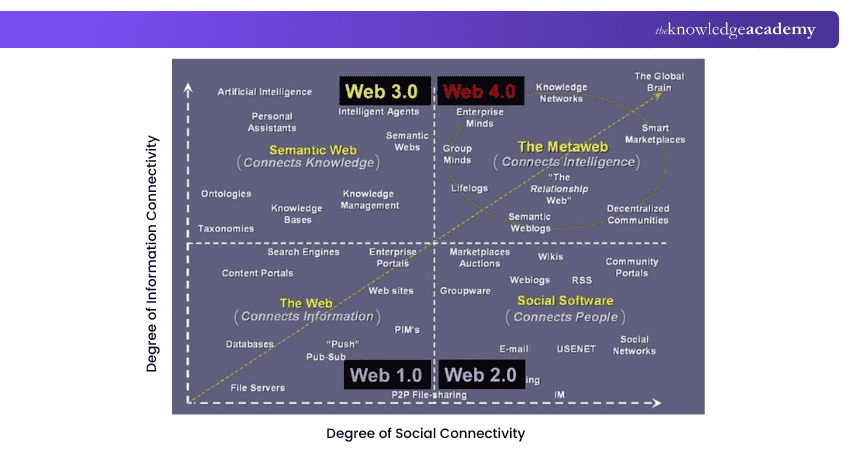
Here are the expected features of Web 4.0:
1) AI and Machine Learning: Smarter AI supports predictions, cutting-edge automation and better decision-making.
2) Always Connected: With 5G, IoT and Edge Computing, users can get real-time, uninterrupted access.
3) Decentralised Systems: Blockchain and distributed networks will continue to improve privacy and security.
4) Context Awareness: Such technology adapts to user needs and surrounding conditions better than ever before.
5) Human-machine Teamwork: This involves smooth collaboration between people and smart devices, including wearables and IoT.
Possible Effects on Society and the Economy
Here are the potential impacts of Web 4.0 on our society:
1) Industries such as Healthcare, Manufacturing and Transport could see significant productivity gains.
2) Roles in AI, IoT and Tech will grow, but some traditional jobs may disappear in the process.
3) Users will enjoy more personalised and smart experiences.
4) Concerns around data privacy, security and bias will require careful handling.
5) Wealth from new tech may not be shared fairly. This could widen the gaps in society.
6) Heavy reliance on tech could reduce face-to-face skills. This could increase the risks of addiction or Fear of Missing Out (FOMO).
7) Rules will need to be drafted that balance innovation with protection, so that the benefits outweigh the risks.
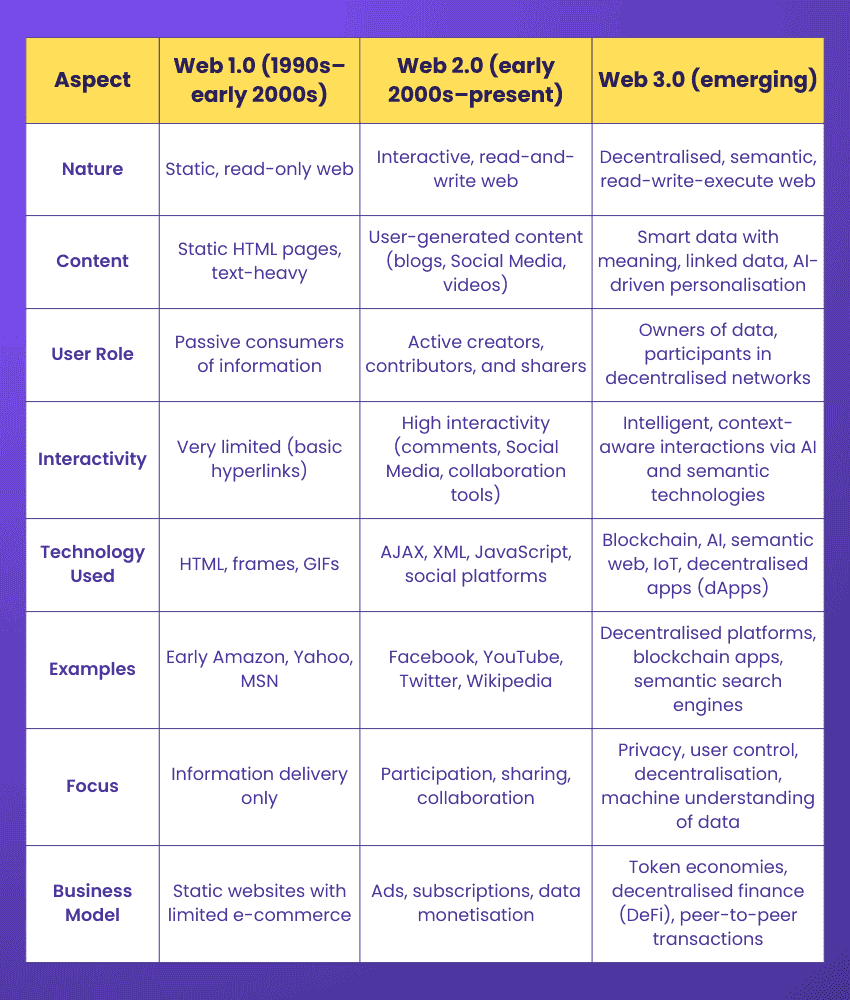
Difference Between the Web 1.0, Web 2.0, and Web 3.0
Here are the key distinctions that set Web 1.0, Web 2.0 and Web 3.0 apart from each other:
The Future of the Web, What to Expect from Web 4.0 and 5.0
Web 5.0 is a new term used to describe the possible next stage of the Internet after Web 4.0. Some describe Web 5.0 as a mix of Web 2.0 and Web 3.0. It's about complete decentralisation, meaning neither governments nor intermediaries can store or control a user’s information. Here are some potential features of this next stage:
Quantum Internet
Quantum computing could transform data transfer by offering ultra-secure networks and solving complex problems beyond today’s technology. It could open new frontiers in medicine and global communication.
Integration of IoT
With more devices connected through IoT, everyday objects like appliances and wearables will work together. It will link the physical and digital worlds. This will make daily life smoother, with smart systems anticipating our needs and automating tasks.
Intelligent and Emotional Web
Web systems may become emotionally aware. They'll be able to understand user feelings and respond in more human-like ways. Such interactions could make digital communication more natural and engaging.
Unlock interactive web experiences with JavaScript and jQuery. Sign up for our Javascript and JQuery Training to add magic to every click!
Decentralisation
Decentralised systems will grow. This means they'll give users greater control over their data and transactions while protecting privacy. This shift can reduce dependence on large corporations and strengthen digital freedom.
Sustainability and Ethical Technology
The future web will focus on eco-friendly and ethical practices. It'll ensure technology supports both people and the planet responsibly. This will encourage innovation that balances progress with long-term environmental well-being.
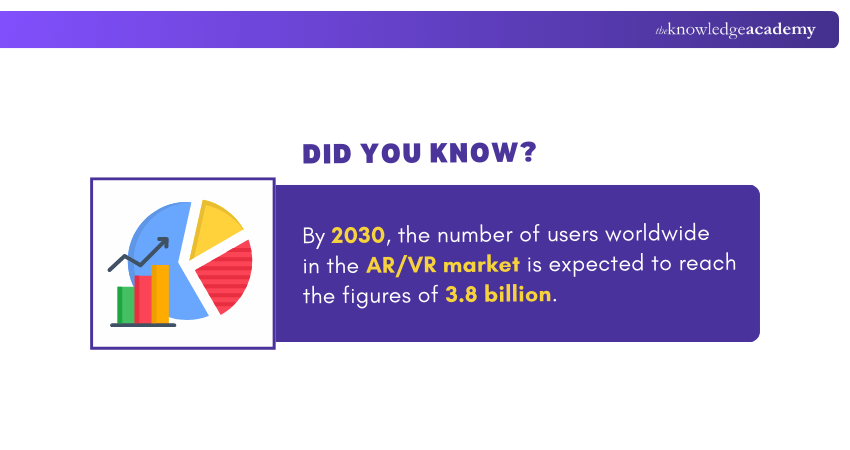
Immersive Experiences with AR/VR
AR, VR and metaverse technologies will create immersive spaces for work, entertainment and social connections. These experiences will blur the boundaries between physical and digital realities.
Hyper-personalisation
Future Internet will use advanced AI to create highly personalised experiences. It will adapt instantly to each user’s habits and preferences. This means every recommendation and service could feel tailor-made for the individual.
Conclusion
The journey through Web 1.0, 2.0, and 3.0 shows how the Internet has grown from static pages to intelligent, connected systems. Each stage has changed the way we live, share, and interact online. Web 4.0 represents the exciting future of this evolution, promising smarter, more immersive, and user-focused experiences that are yet to come. What we imagine today could soon become tomorrow’s reality.
Turn your App idea into an App store favourite. Learn how in our up-to-date Mobile App Development Course - Sign up now!
Frequently Asked Questions
Is Web 1.0 the Same as Web 2.0?

Web 2.0 and Web 1.0 are not the same. People could only read material on Web 1.0, which was the first version of the Internet and was very static. The idea of user-generated material and social networking came with Web 2.0. This let people make things online, share them, and work together.
Which one Offers Faster Performance: Web 1.0 or Web 2.0??
Web 1.0 generally offered faster performance. That's because it was simpler, with static pages and fewer features. Web 2.0 can be slightly heavier due to dynamic, more interactive and feature-rich content. But it delivers a more engaging user experience.
What are the Other Resources and Offers Provided by The Knowledge Academy?
The Knowledge Academy takes global learning to new heights, offering over 3,000+ online courses across 490+ locations in 190+ countries. This expansive reach ensures accessibility and convenience for learners worldwide.
Alongside our diverse Online Course Catalogue, encompassing 17 major categories, we go the extra mile by providing a plethora of free educational Online Resources like Blogs, eBooks, Interview Questions and Videos. Tailoring learning experiences further, professionals can unlock greater value through a wide range of special discounts, seasonal deals, and Exclusive Offers.
What is The Knowledge Pass, and How Does it Work?
The Knowledge Academy’s Knowledge Pass, a prepaid voucher, adds another layer of flexibility, allowing course bookings over a 12-month period. Join us on a journey where education knows no bounds.
What are the Related Courses and Blogs Provided by The Knowledge Academy?
The Knowledge Academy offers various App & Web Development Courses, including the Web3 Professional Certification, UI UX Design Course and the Mobile App Development Course. These courses cater to different skill levels, providing comprehensive insights into Website Architecture.
Our Programming & DevOps Blogs cover a range of topics related to Web Development, offering valuable resources, best practices, and industry insights. Whether you are a beginner or looking to advance your Website Development skills, The Knowledge Academy's diverse courses and informative blogs have got you covered.

Richard Harris


Senior Full Stack Developer and Technology Educator
Richard Harris is a highly experienced full-stack developer with deep expertise in both frontend and backend technologies. Over his 12-year career, he has built scalable web applications for startups, enterprises and government organisations. Richard’s writing combines technical depth with clear explanations, ideal for developers looking to grow in modern frameworks and tools.

Upcoming Programming & DevOps Resources Batches & Dates
Date
 Web3 Professional Certification Training Course
Web3 Professional Certification Training Course
Fri 17th Jul 2026
Web3 Professional Certification Training Course
Fri 25th Sep 2026

 If you wish to make any changes to your course, please


